Chinese tech biz shows off clever workaround for its process node gap, but it isn't catching up with Intel and TSMC

Huawei Technologies Co expects its premium chips to achieve transistor density equivalent to 1.4-nanometer processes by 2031 under a new semiconductor development framework, the…

The Chinese tech giant’s new breakthrough is a major milestone in its mission to create a self-reliant semiconductor ecosystem.
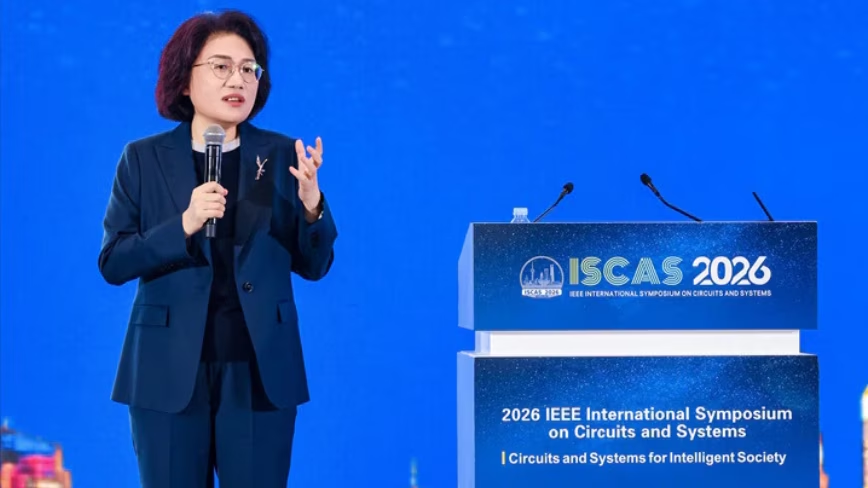
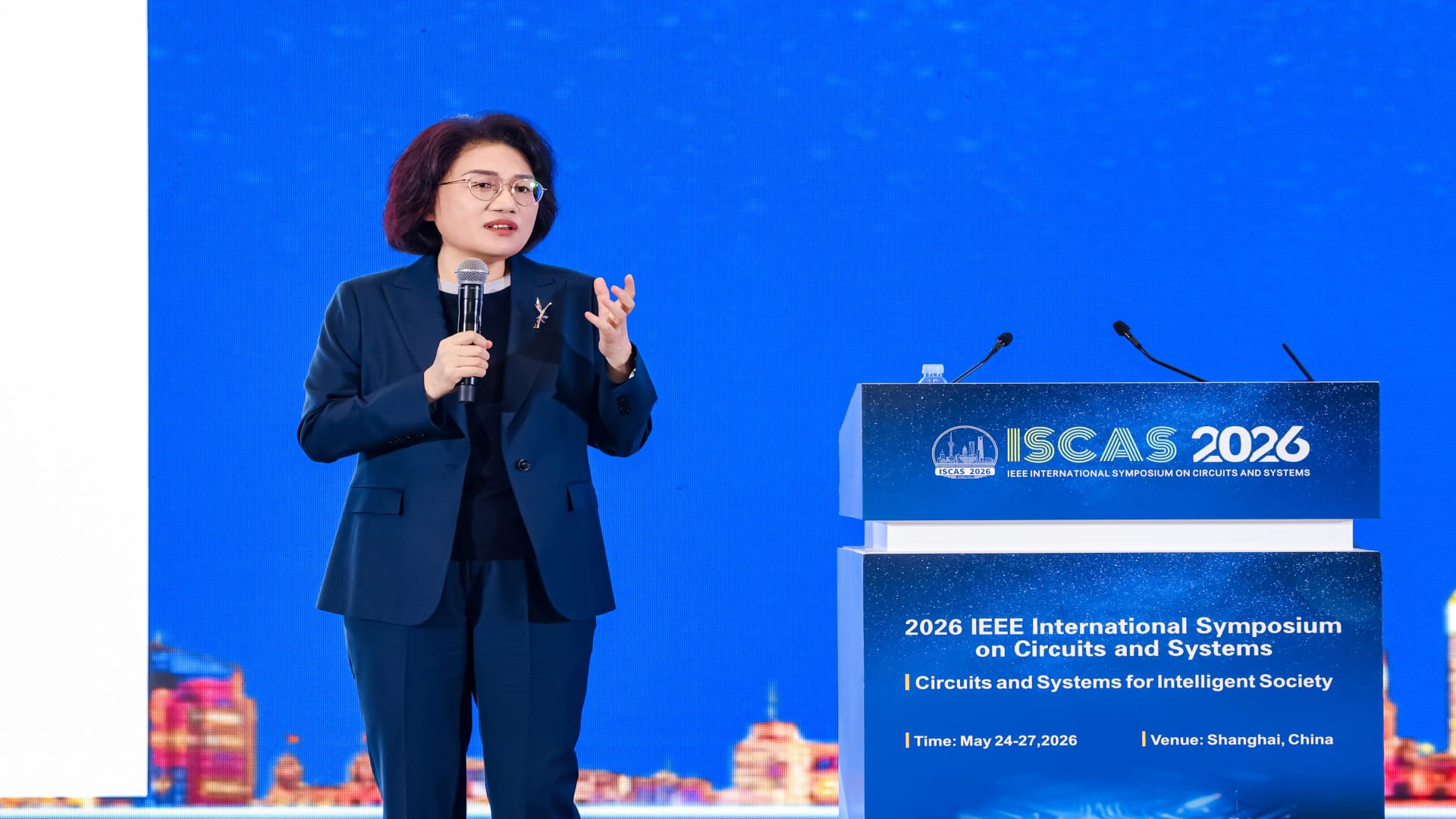
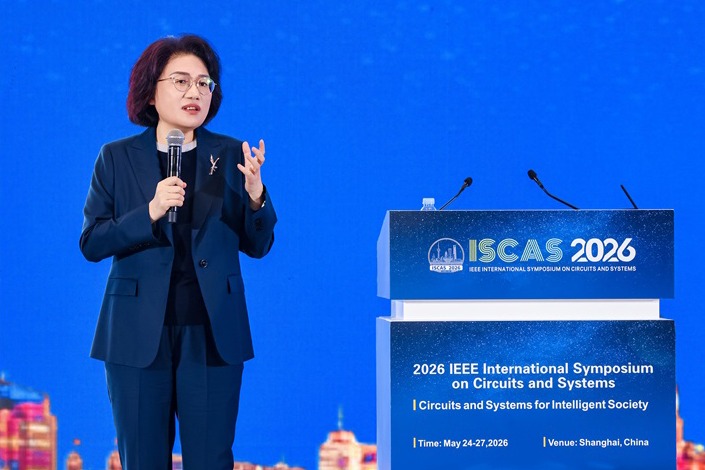
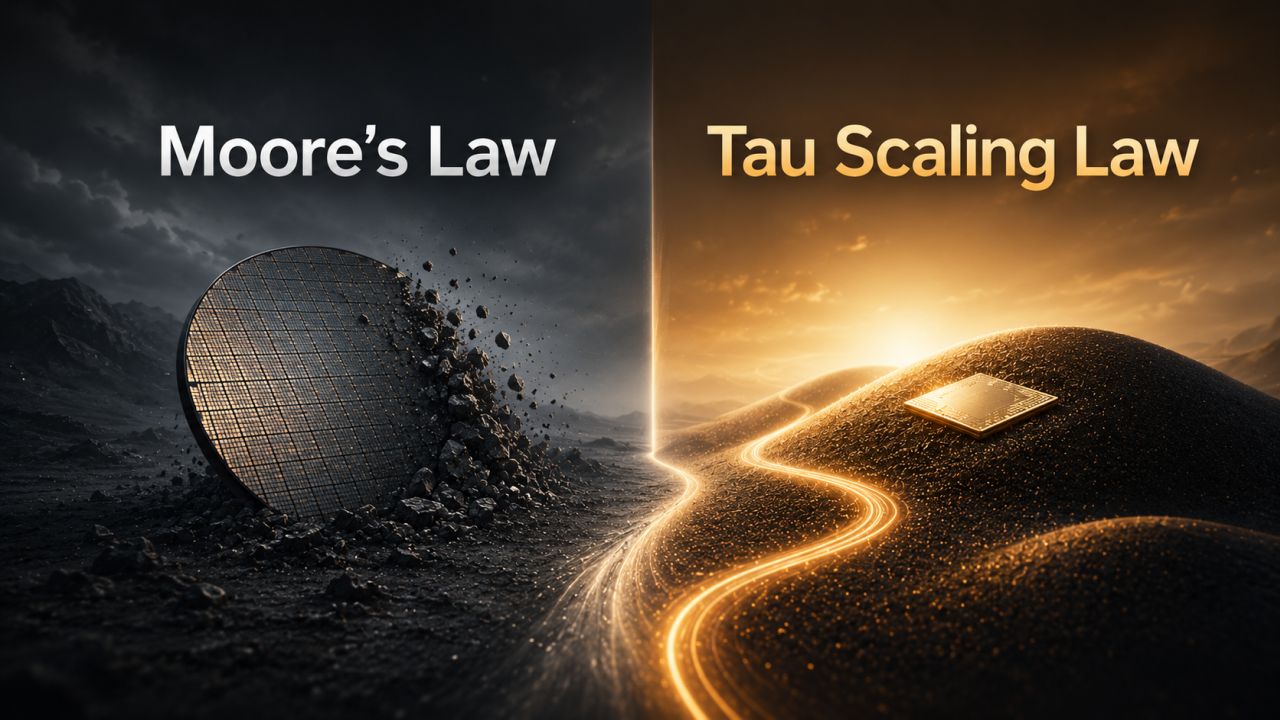
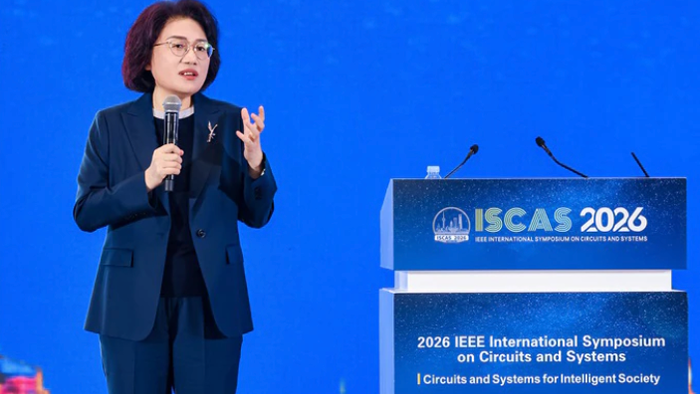
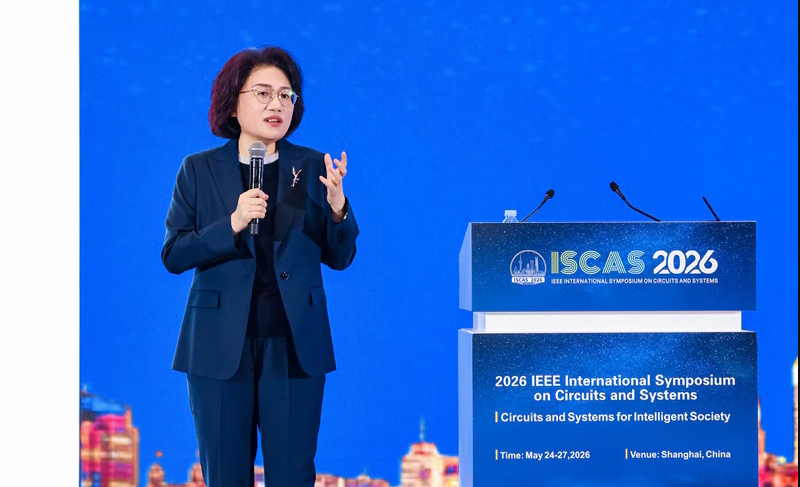
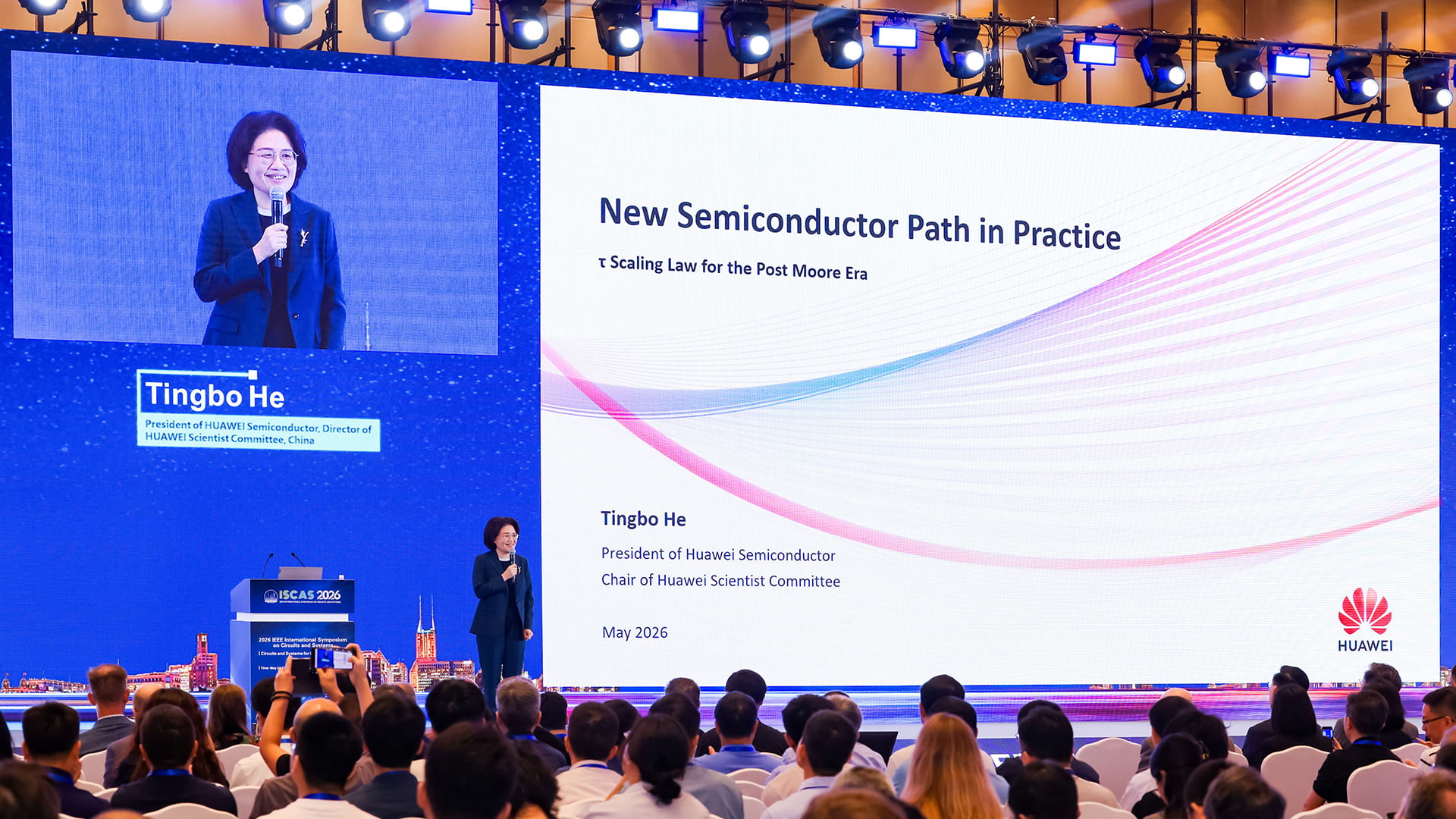
Huawei's He Tingbo used an ISCAS keynote in Shanghai to pitch the Tau Scaling Law, a chip-design approach built around signal time rather than transistor size.

Chinese telecom giant Huawei announced Monday a new way of designing chips that improves their capabilities, despite U.S. restrictions on the company.

Huawei said it had developed a new way of making semiconductors that could get around its U.S.-enforced lack of access

Huawei Technologies announced on Monday that it expects to produce industry-leading semiconductors within five years using new technology, highlighting...

Non avendo accesso alla litografia avanzata, Huawei si getta nello spazio 3D logico. Con Tau Scaling Law e LogicFolding, promette più densità e meno ritardi nei segnali. Il primo…

Huawei has proposed a new guiding principle for the semiconductor industry that could allow it to close gap with TSMC.

Huawei claims the new advanced chips that it has planned to make are based on the Tau Scaling Law that could achieve transistor density levels equivalent to 1.4 nm.

The Chinese tech juggernaut says it can match cutting-edge Intel semiconductors by 2031. | Business News

HUAWEI ha presentato la Tau Scaling Law, una nuova legge per l'evoluzione dei semiconduttori alternativa alla tradizionale miniaturizzazione geometrica. L'azienda punta su…

Huawei will start making 1.4-nanometer chips by 2031 with its own “LogicFolding” technology, Huawei’s semiconductor chief He Tingbo said Monday.

Flagship Huawei Mate 90 series will be the first commercial processors to feature the LogicFolding architecture

"In her speech, she presented the Tau (τ) Scaling Law, a new principle for guiding the future development of the semiconductor industry."

Bringing Taiwan to the World and the World to Taiwan

Huawei says it has a chipmaking breakthrough that could narrow the gap with TSMC, raising fresh questions about whether U.S. semiconductor sanctions accelerated China's push for…

China's Huawei unveils new sanctions-busting chip architecture that replaces Moore's Law - SiliconANGLE

Huawei unveiled what it calls the "Tau scaling law" at IEEE ISCAS 2026. Proposed as an alternative to Moore’s Law, the framework applies time-based sc…

The framework could help Huawei’s chips achieve 1.4-nm-equivalent transistor density by 2031.

If proven, the innovation marks a significant milestone for Huawei, which has been cut off from advanced semiconductor technology since 2019.