Huawei Technologies announced on Monday that it expects to produce industry-leading semiconductors within five years using new technology, highlighting Beijing's drive to overcome U.S. sanctions that have hampered China's ability to develop advanced chips.
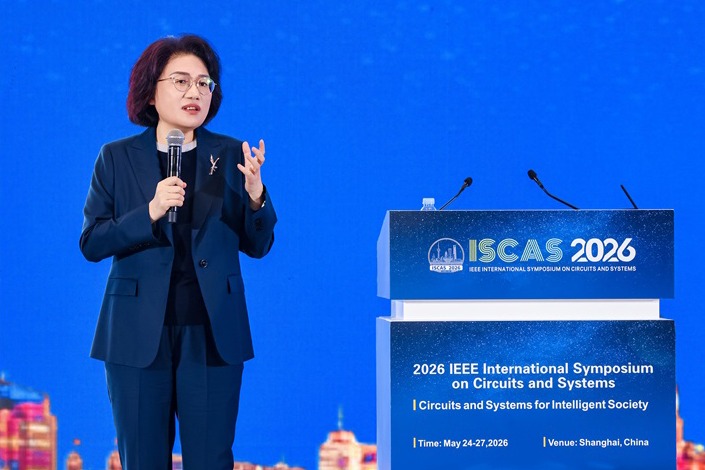
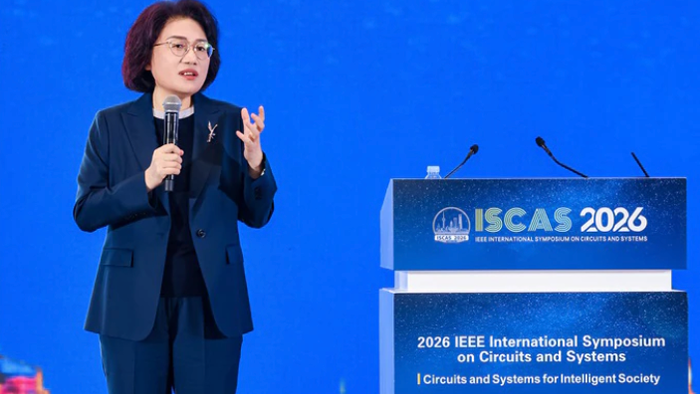
Huawei, in a semiconductor symposium in Shanghai, said its high-end chips will have transistor density equivalent to 1.4-nanometre processes by 2031, but did not provide independent performance data.
The target is significant as China's most advanced proven chipmaking capability is widely seen at around 7 nanometres, while 1.4 nm is expected to be close to the global frontier for advanced chipmaking around the end of the decade.
China is generally viewed as unlikely to reach that level through conventional manufacturing alone because Washington has restricted its access to advanced lithography tools and other key semiconductor technologies.
Taiwan's TSMC, the world's largest producer of the most advanced chips, currently uses a 2-nm manufacturing technology and plans to introduce a 1.4-nm process for mass production in 2028.