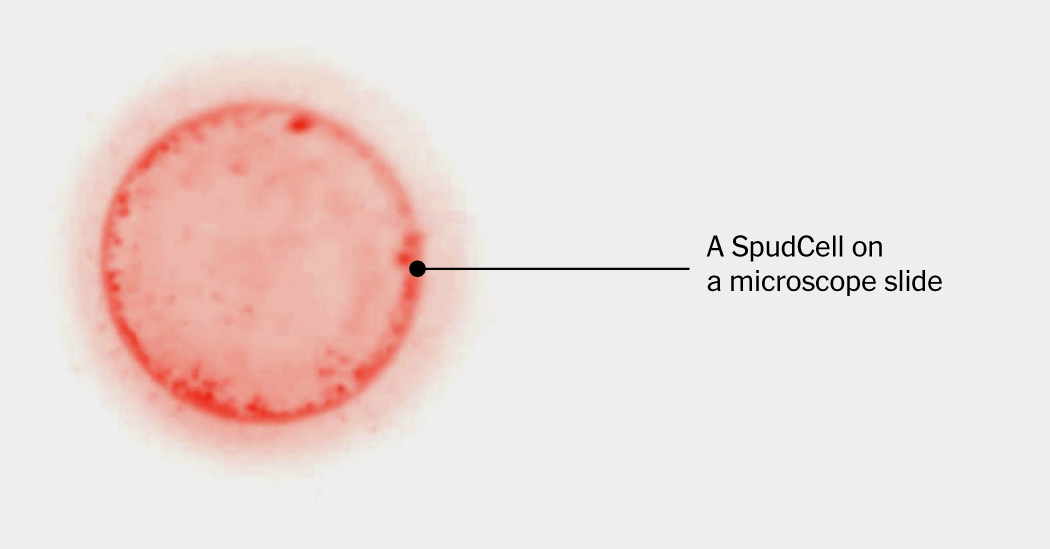
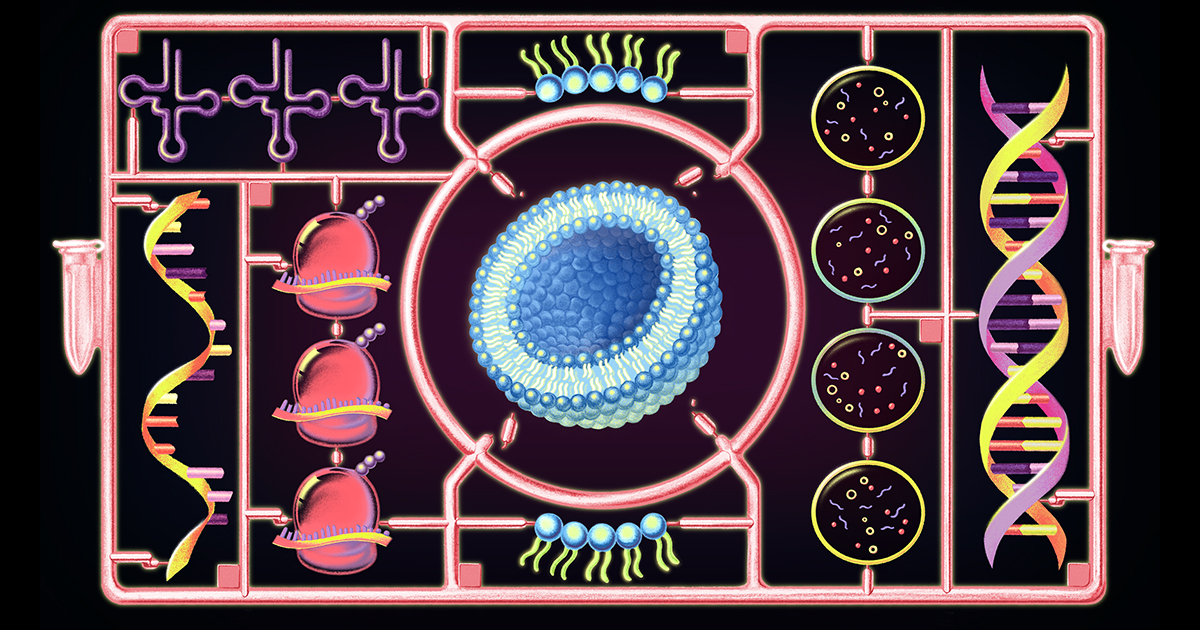
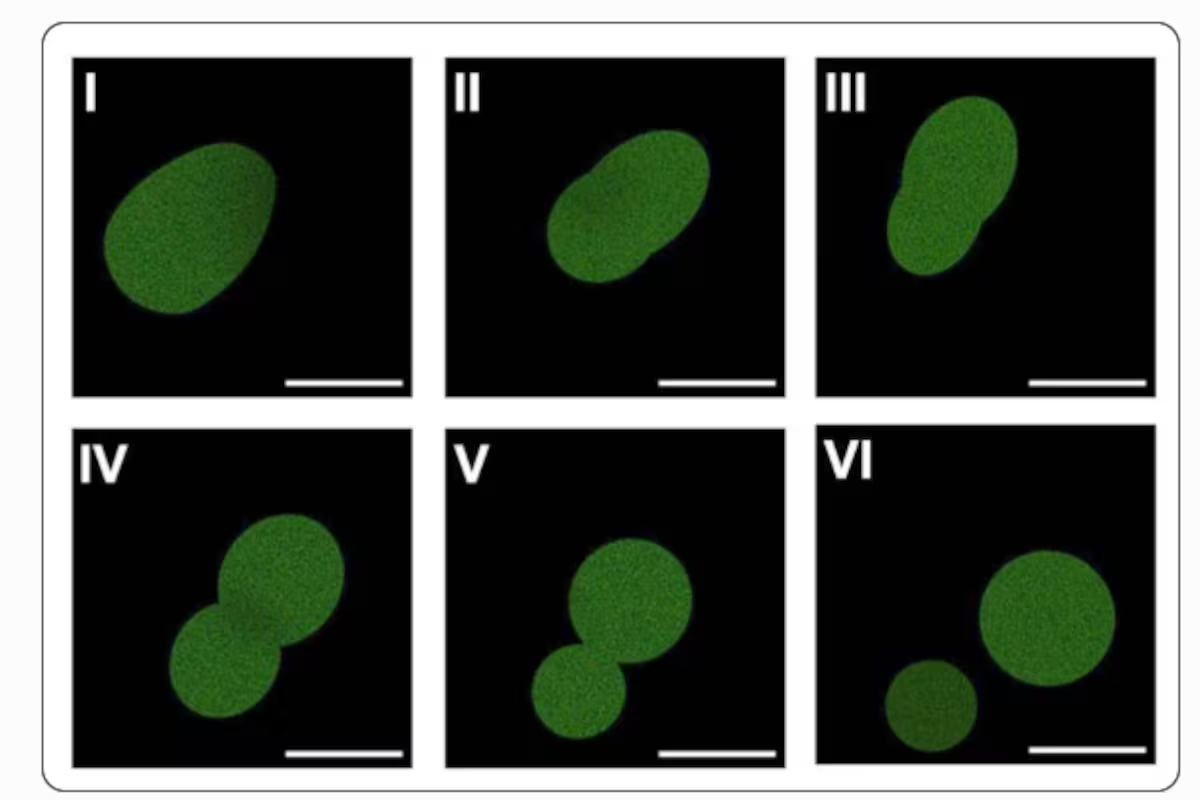
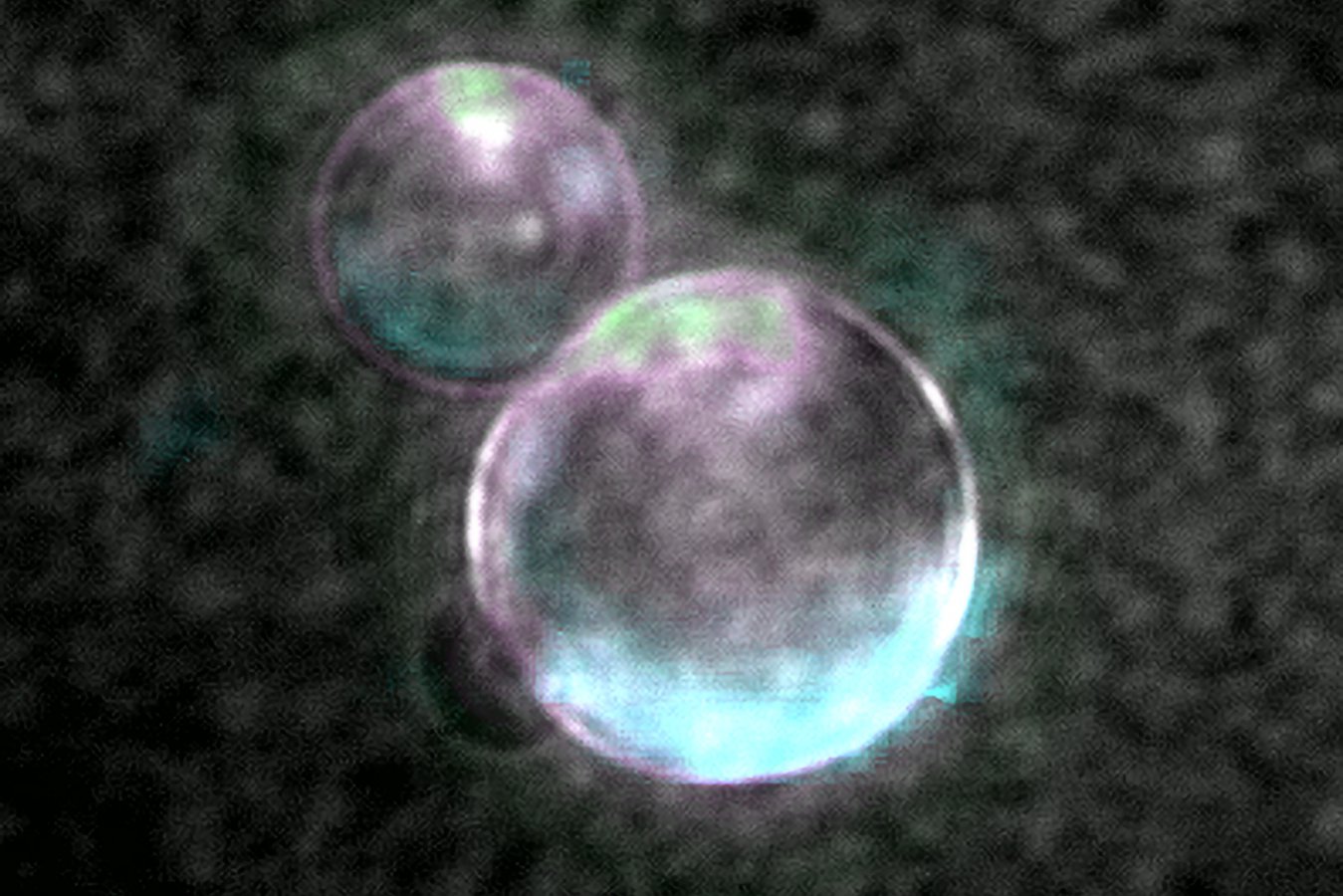
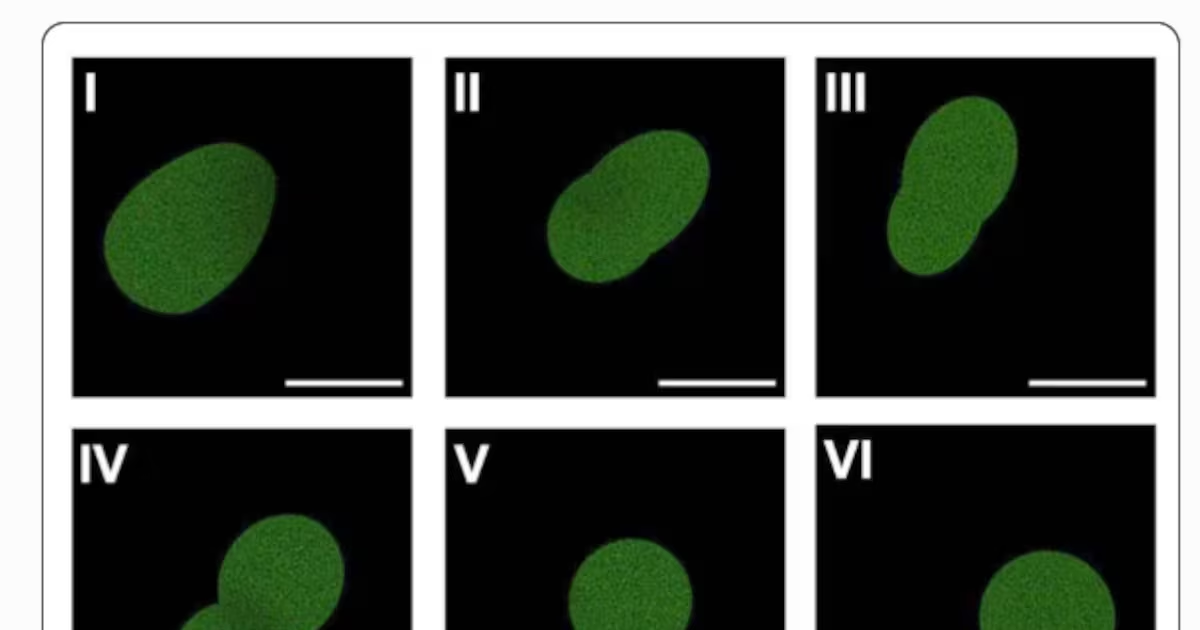
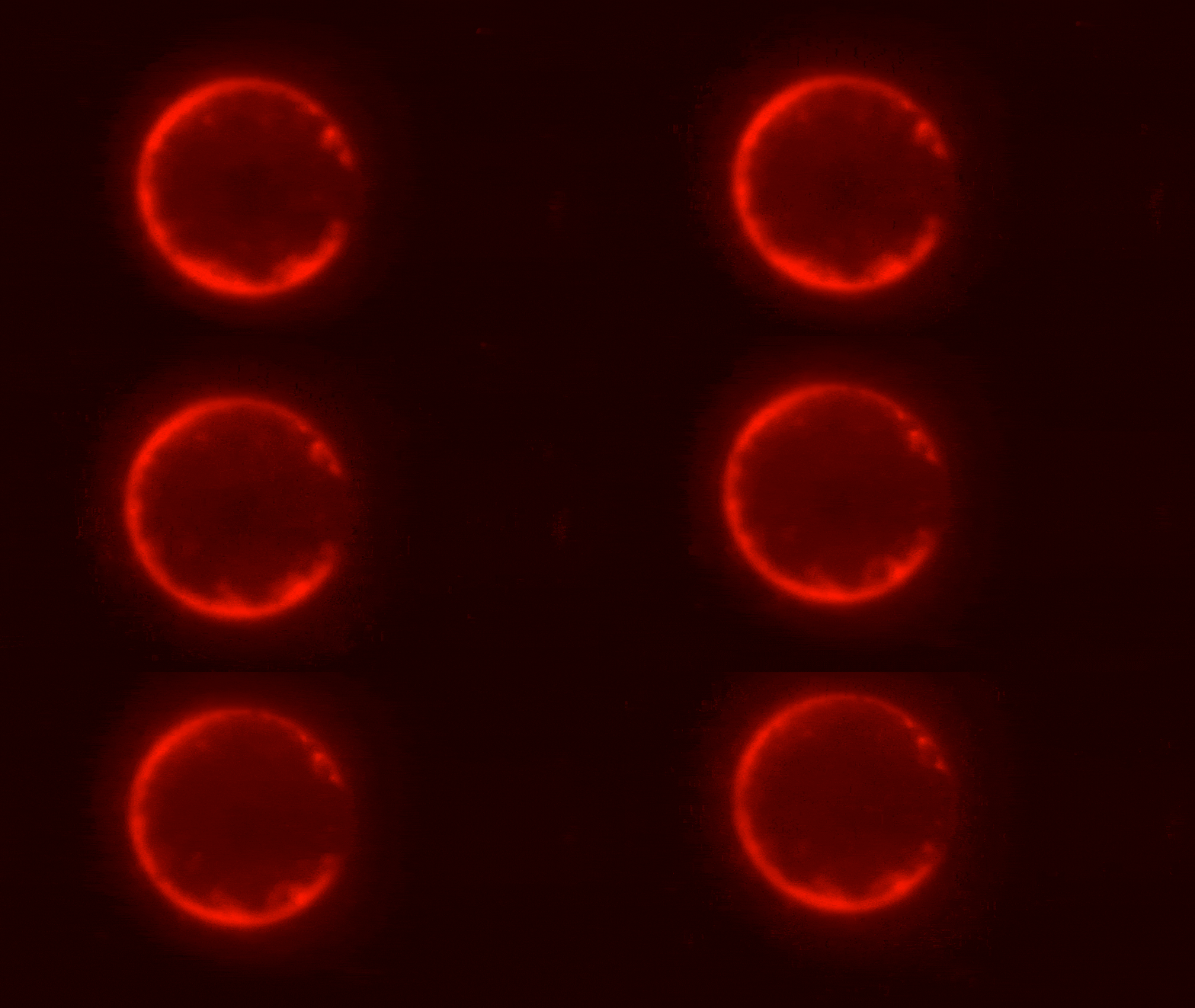
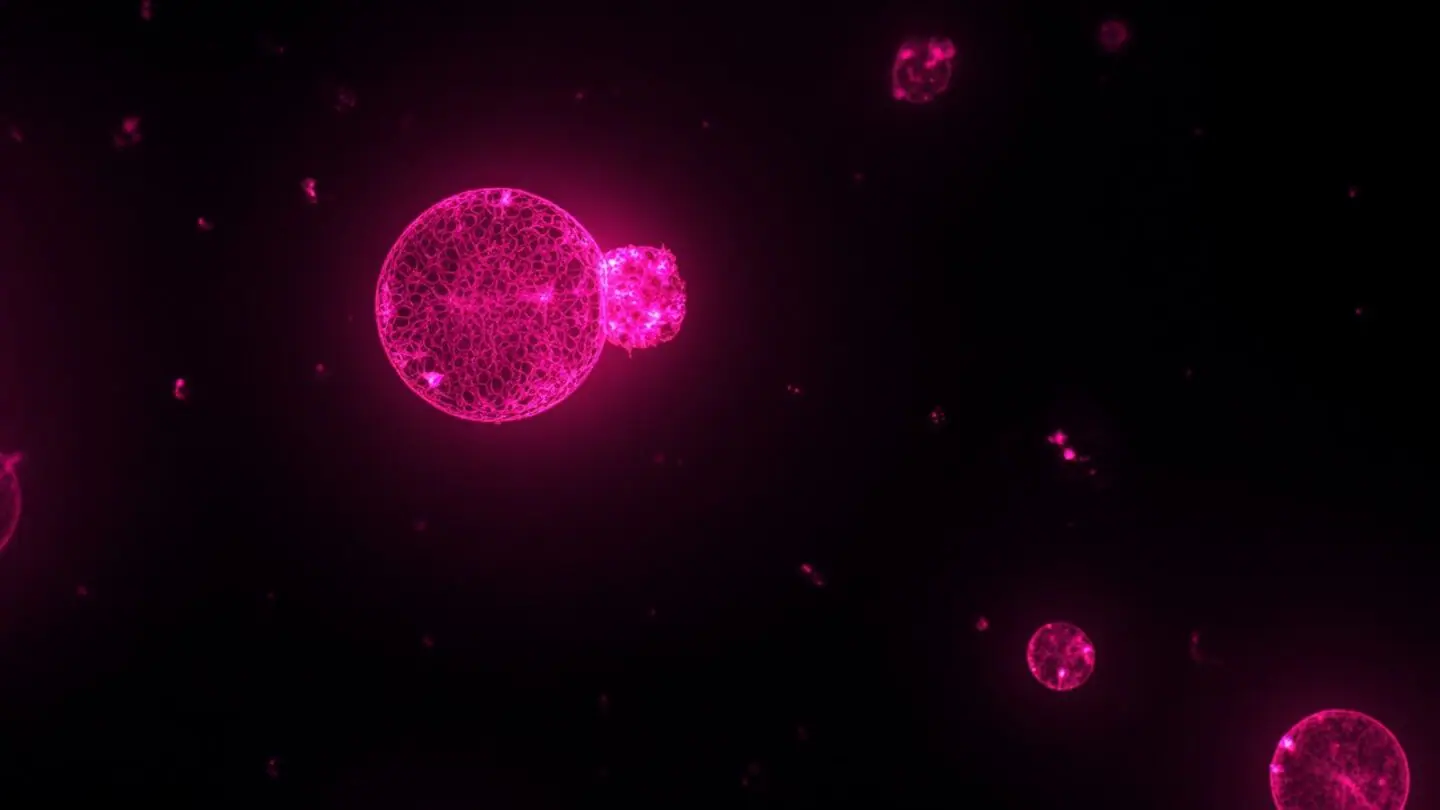
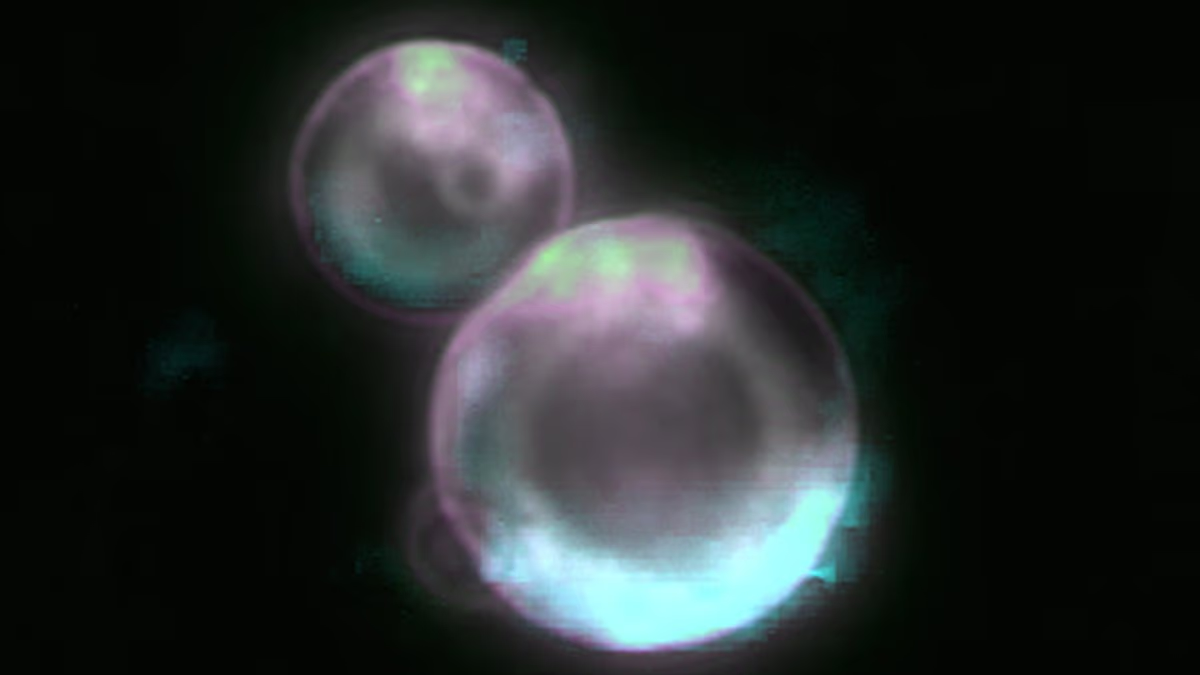
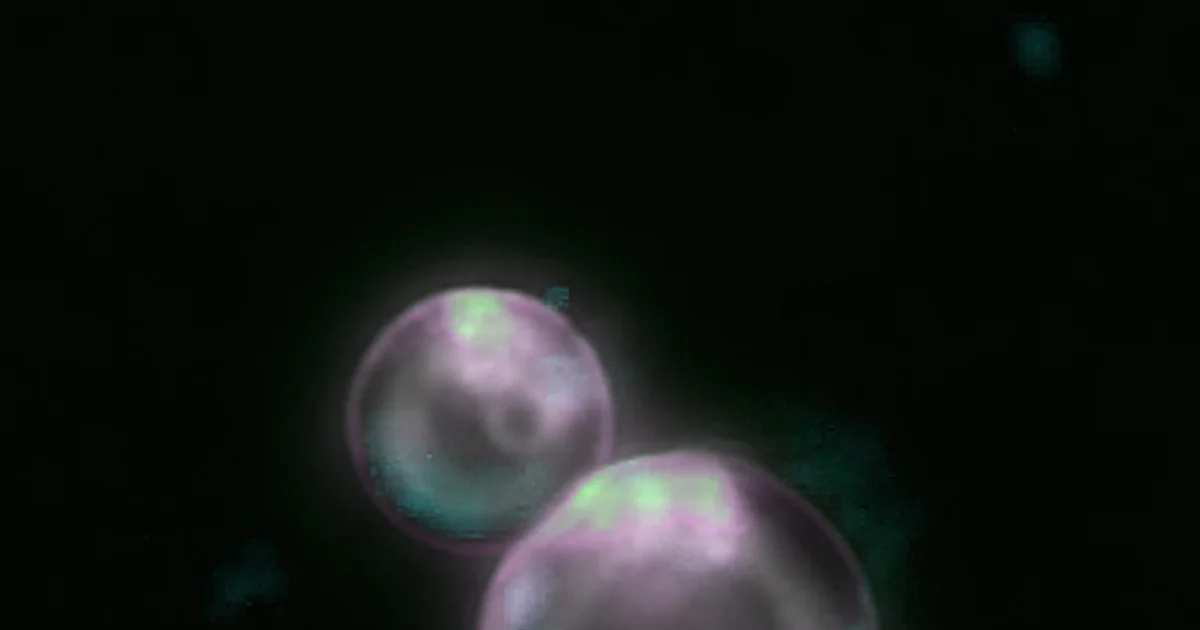
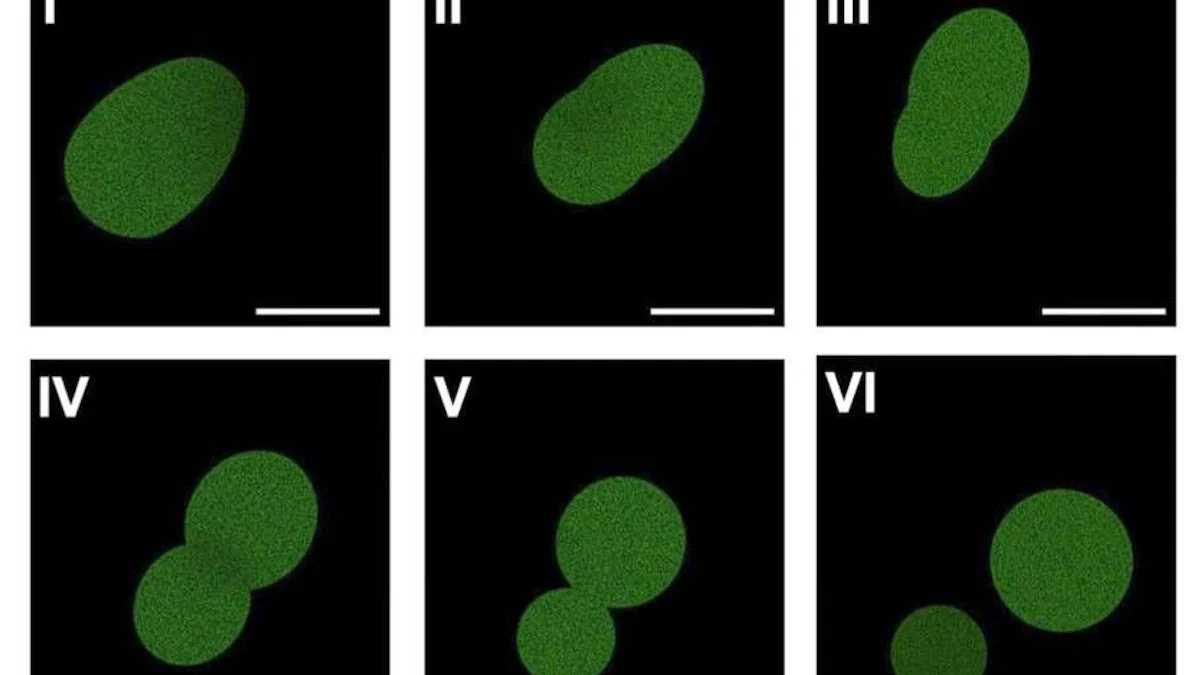
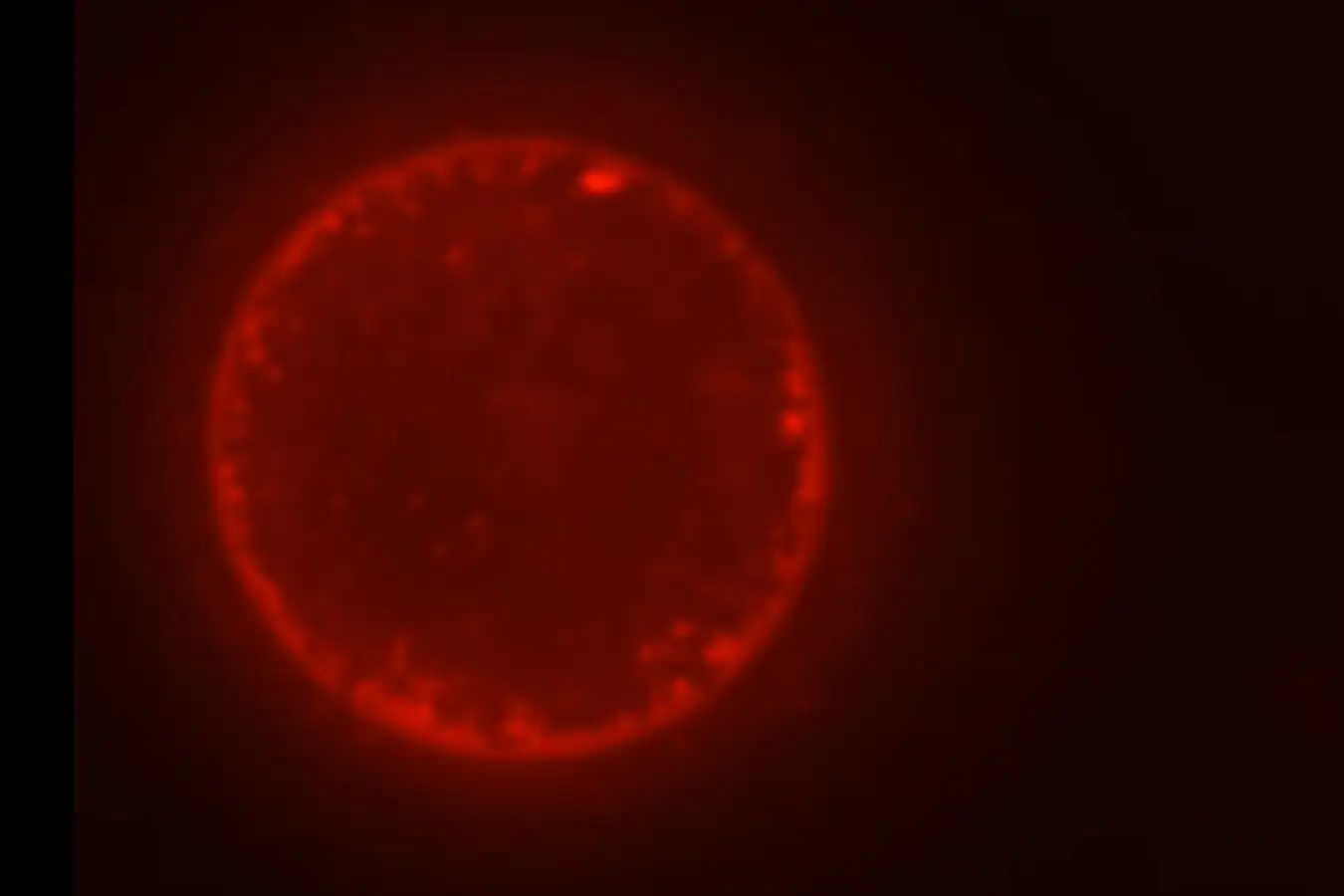
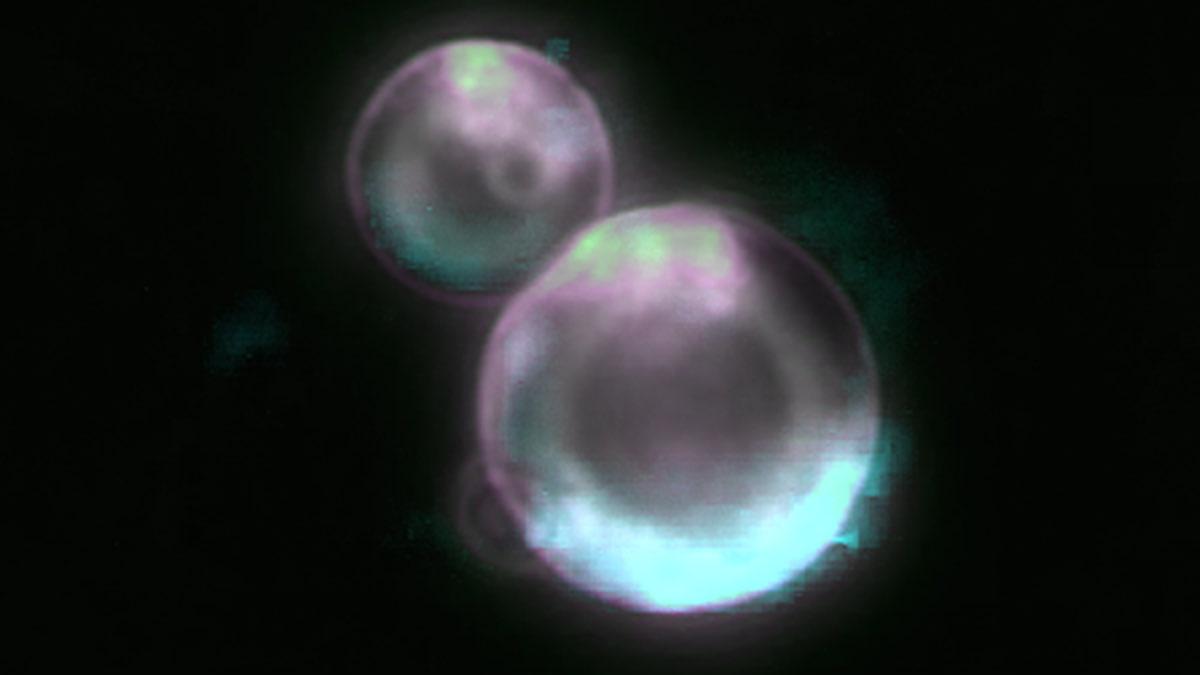
Scientists built SpudCell, the first synthetic cell that grows, divides and evolves, entirely from non-living chemicals. They still won't call it alive.

From chemical building blocks, scientists have created synthetic cells that have most of the hallmarks of life.

Scientists built a synthetic cell that combines more lifelike properties than ever before — proof of concept that it’s possible to bring nonliving materials to life, or something…
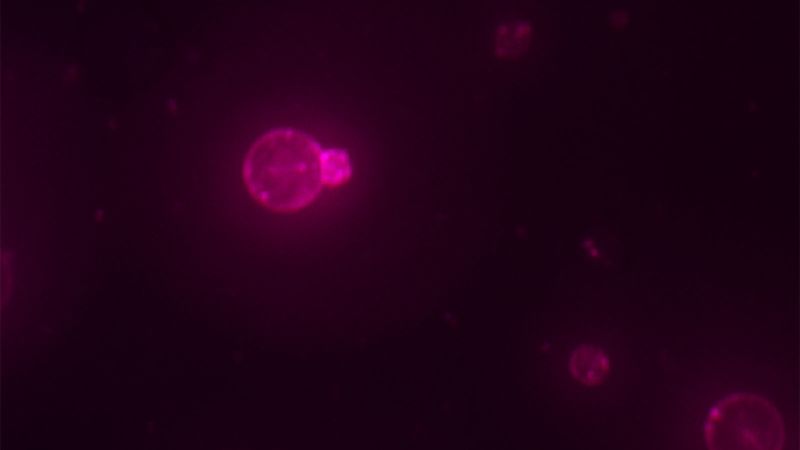
Tiny, quivering spheres designed to feed and multiply raise prospect of artificial organisms to make drugs, food and fuel

Scientists say they have built a cell from scratch for the first time that feeds, grows and replicates like a natural cell, a breakthrough in synthetic biology.

Researchers have created what they say may count as the first synthetic cell, and have started a public benefit corporation to share the technology with

La estructura, llamada SpudCell, completa varias funciones asociadas a los seres vivos, aunque sus creadores advierten que todavía no puede considerarse una forma de vida

Las SpudCells, o CélulasPatata, se replican, se nutren y compiten entre ellas igual que las células naturales

SpudCell can feed, divide, and even outcompete its siblings. It's not truly alive, its creator tells us, but it could still transform the bioengineering world

It was built from non-living chemical components but can replicate a biological cell’s life cycle

A prototype cell partly capable of replicating itself has been created using 36 existing bacterial genes, but it's not really a living organism – yet

La estructura, desarrollada por científicos de Estados Unidos y bautizada como SpudCell, logra ejecutar funciones básicas como alimentarse, crecer y dividirse. El desarrollo…

Stay up to date with notifications from The IndependentNotifications can be managed in browser preferences.Jump to contentThank you for registeringPlease refresh the page or…

Scientists from the University of Minnesota say they have created the first-ever synthetic cell built entirely from scratch, and seen it go through an entire 'life' cycle –…

Scientists have created the first synthetic cell capable of feeding, growing, and replicating, marking a groundbreaking advancement in synthetic biology and engineered organisms.

ZNANSTVENICI su stvorili prvu sintetičku stanicu (SpudCell) od neživih komponenti. Ona raste i dijeli se, dokazujući da za osnovne funkcije života nije potrebna 'čarobna iskra'.

Un team dell'Universit� del Minnesota ha sviluppato SpudCell, una cellula sintetica costruita esclusivamente da componenti chimici non viventi. Il sistema riesce ad alimentarsi,…

Scientists have built a synthetic cell from scratch in a world-first breakthrough that paves the way for creating entirely artificial forms of life.

Científicos en EE. UU. logran ensamblar con componentes químicos una estructura que se alimenta, crece y se divide, desafiando las fronteras entre la materia viva y la inerte.

Scientists at the University of Minnesota have engineered "SpudCell," a lab-made entity from lifeless chemicals that mimics key life processes like eating, growing, and dividing.…

Forscherinnen der University of Minnesota entwickelten SpudCell, eine synthetische Zelle, die wächst, ihr Erbgut vermehrt und sich teilt. Ziel ist lebendes künstliches Leben mit…