By Matthew HerperJuly 1, 2026
Senior Writer, Medicine, Editorial Director of Events
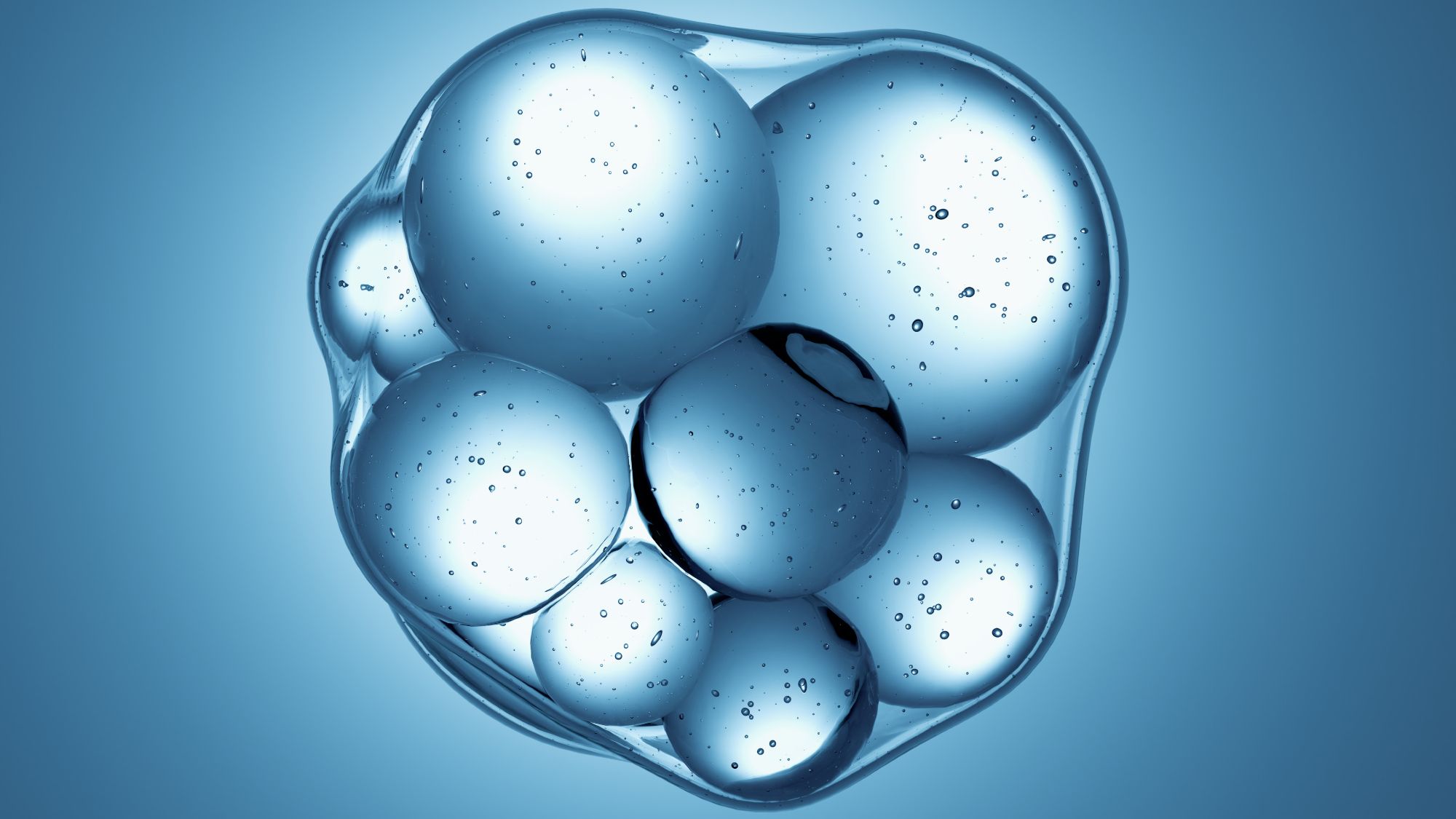
Researchers have created what they say may count as the first synthetic cell, and have started a public benefit corporation to share the technology with other scientists. It’s a piece of science that generates as many questions as answers. They are unlike cells in nature, but have cell-like properties that are spurring a debate about whether they might even be considered alive.
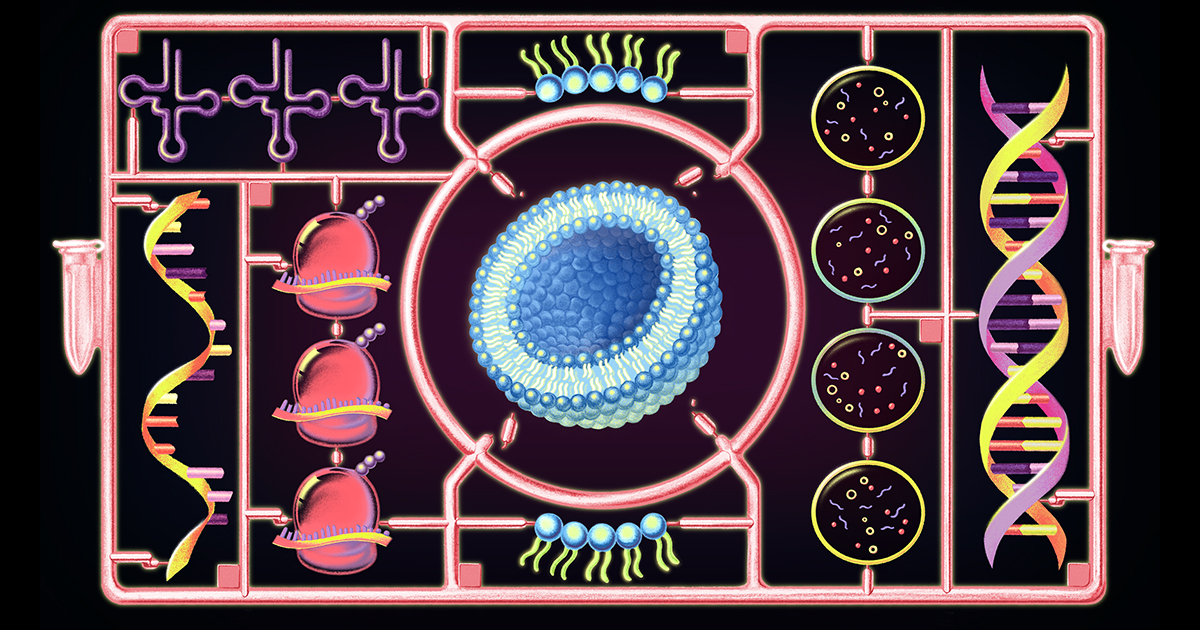
“What we did is we built a cell-like system that is fully chemically defined, so there are no unknown building blocks in it, and it’s capable of doing things that people up until now used to think only natural living cells can do, and I think it’s important because we need to engineer biology,” said Kate Adamala, the leader of the work.
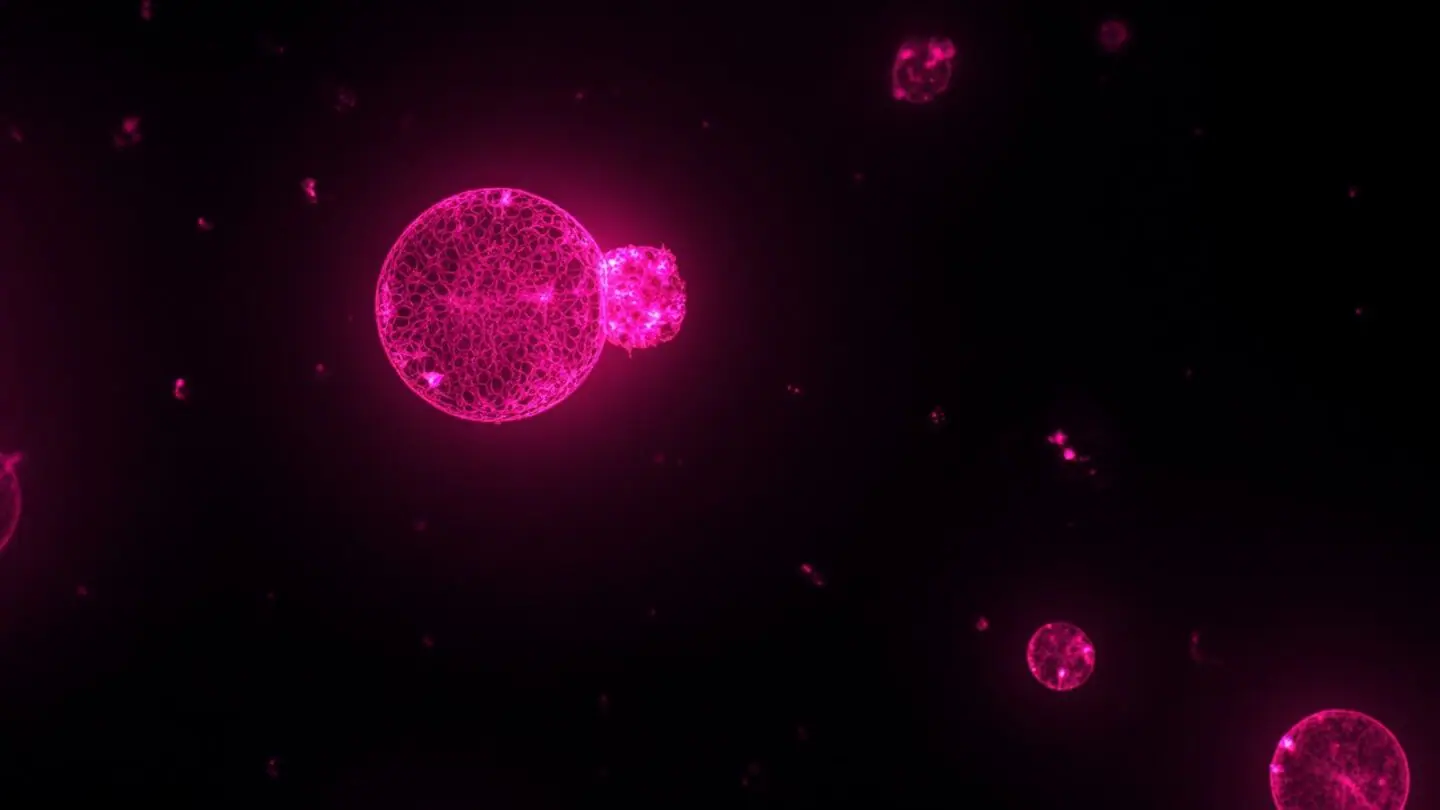
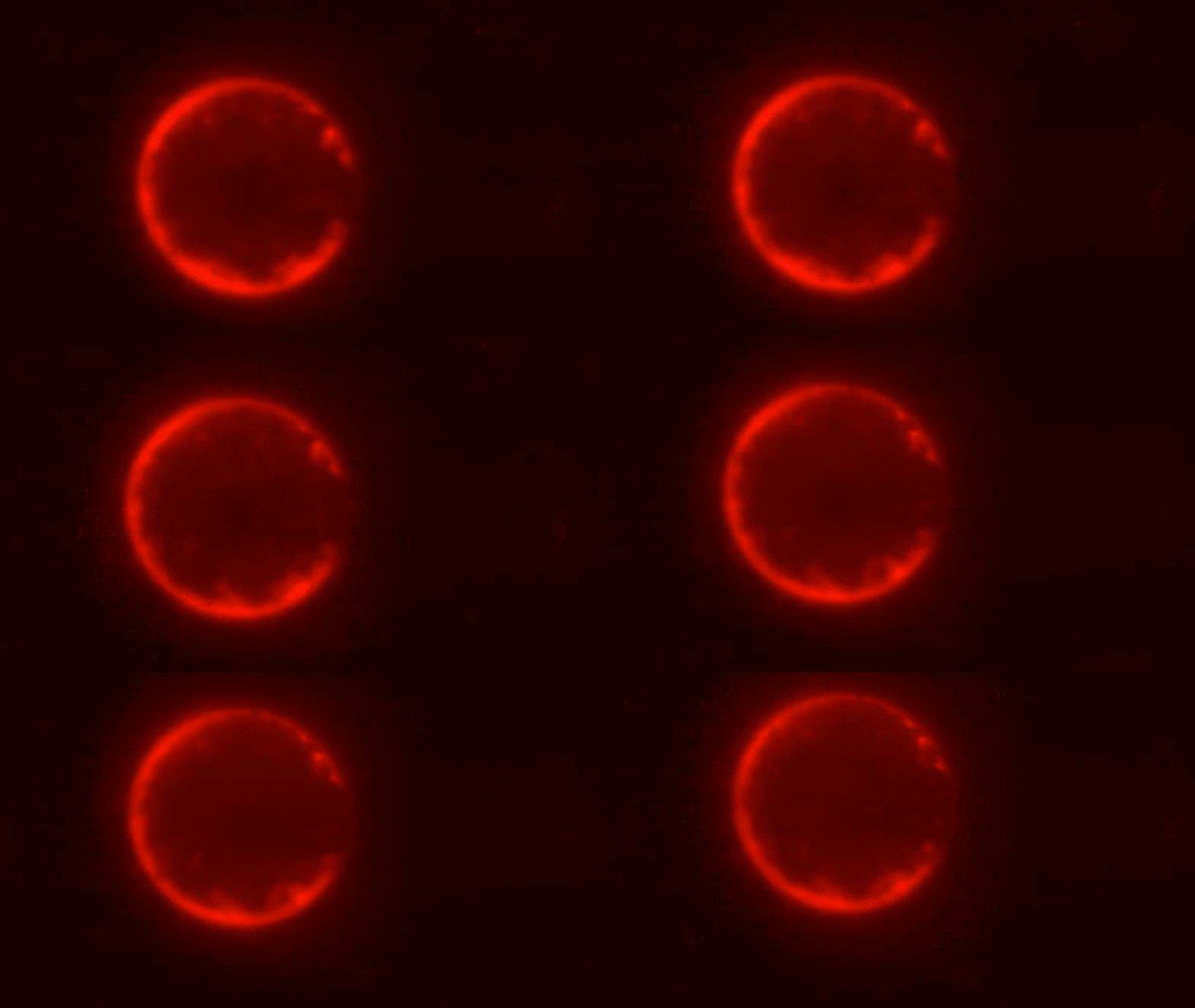
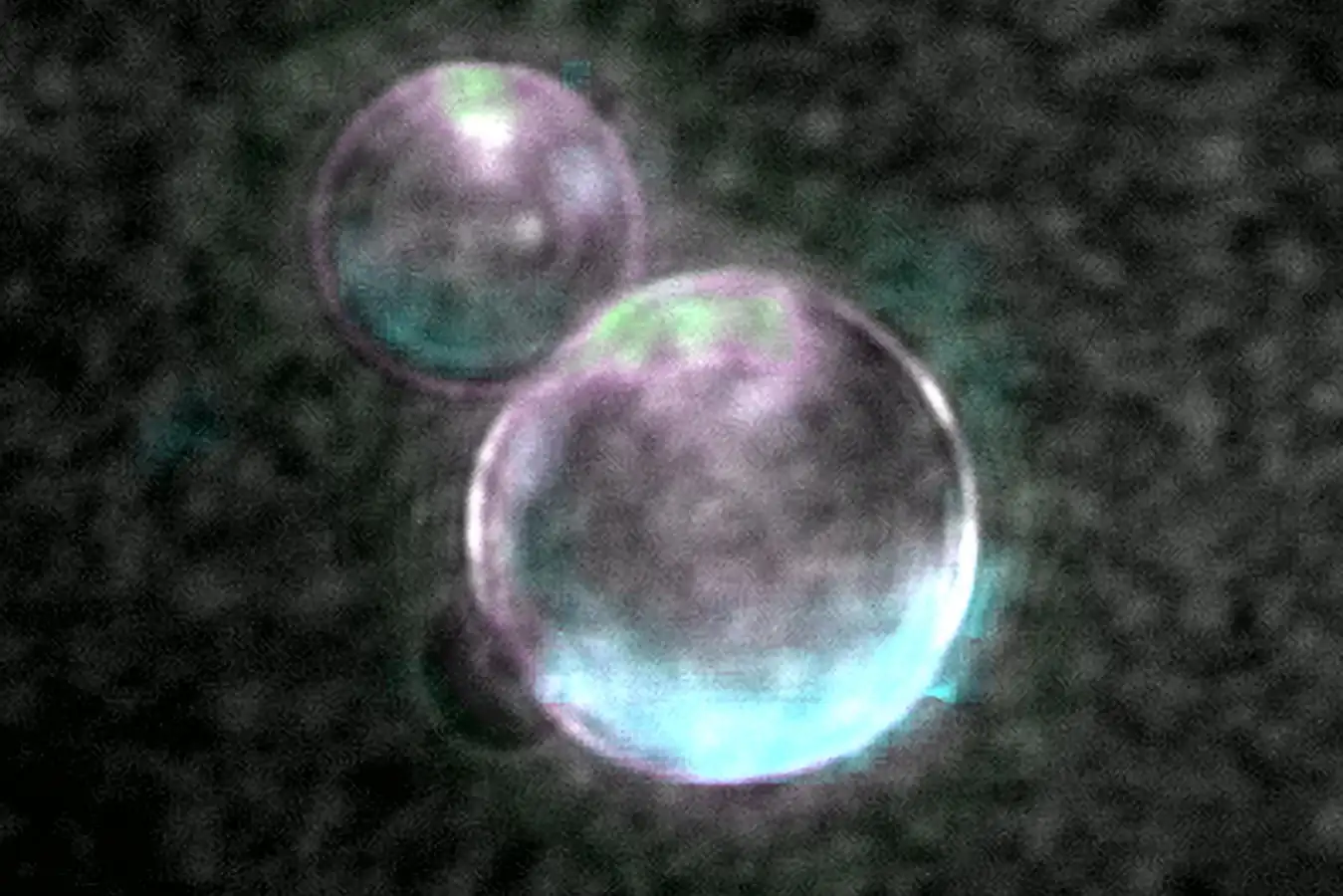
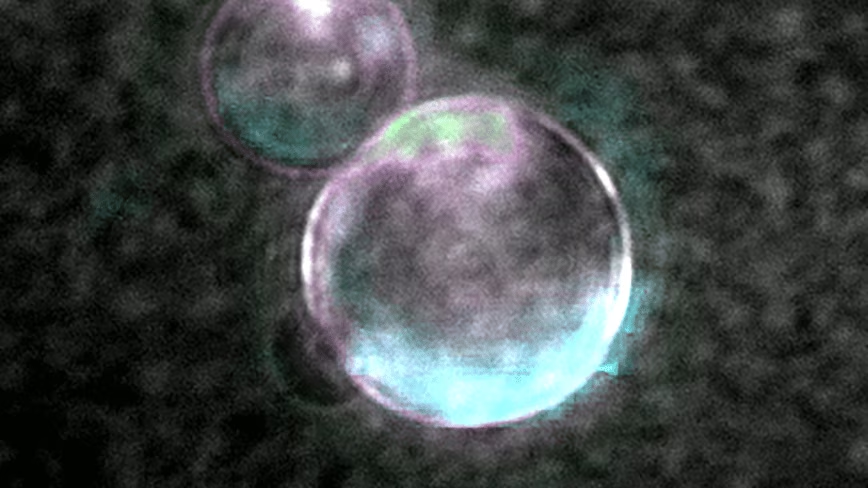
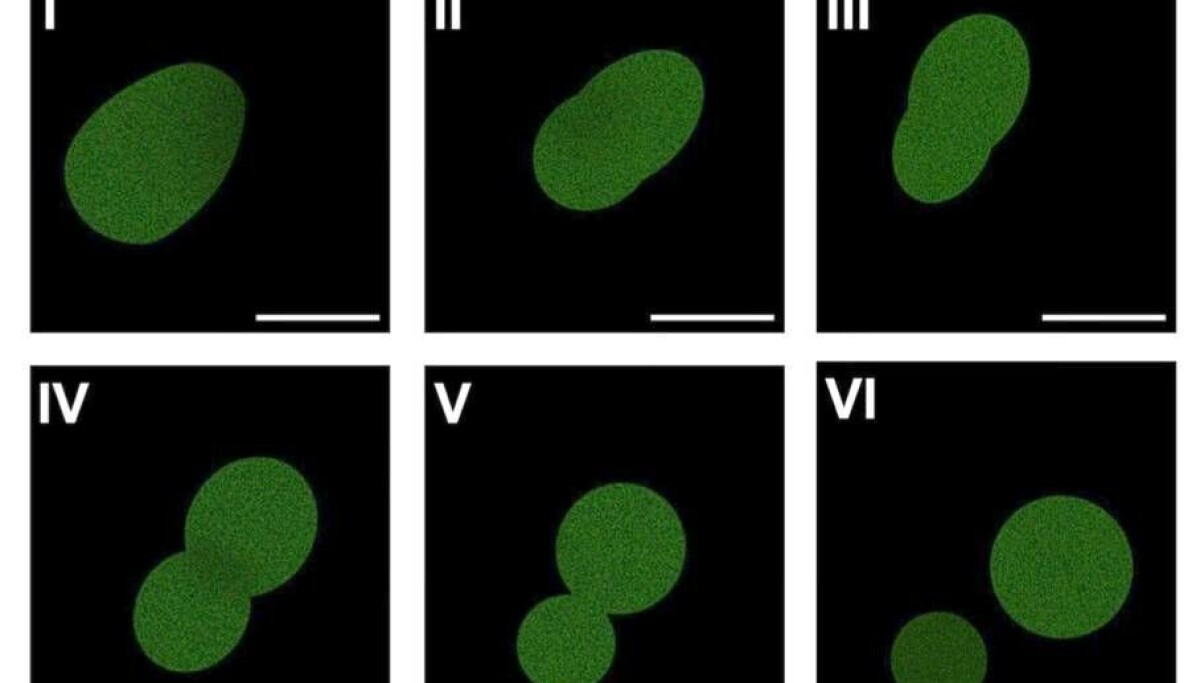
To unpack that: Adamala, an associate professor at the University of Minnesota, created tiny bubbles of lipid particles — called liposomes — with rings of DNA called plasmids in them. The little bubbles appear to divide and replicate their DNA, so that after five generations 30% of the bubbles still contain that same DNA code. They need to be fed not just food but a key type of enzyme that is necessary for them to function, and they must be given their food packaged in other liposomes.