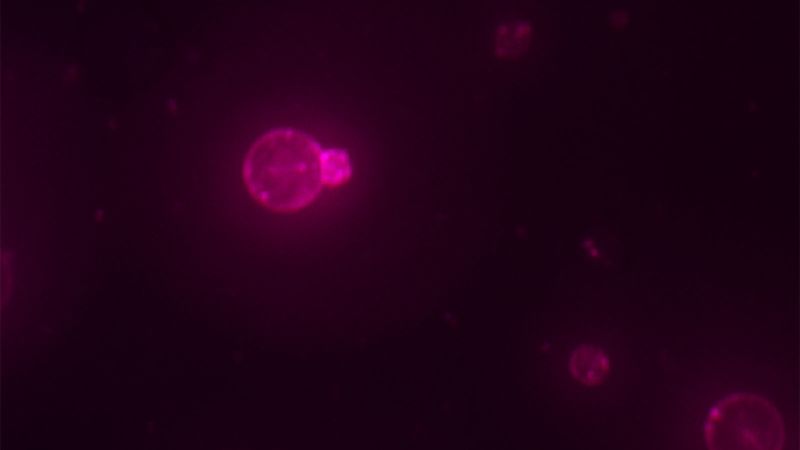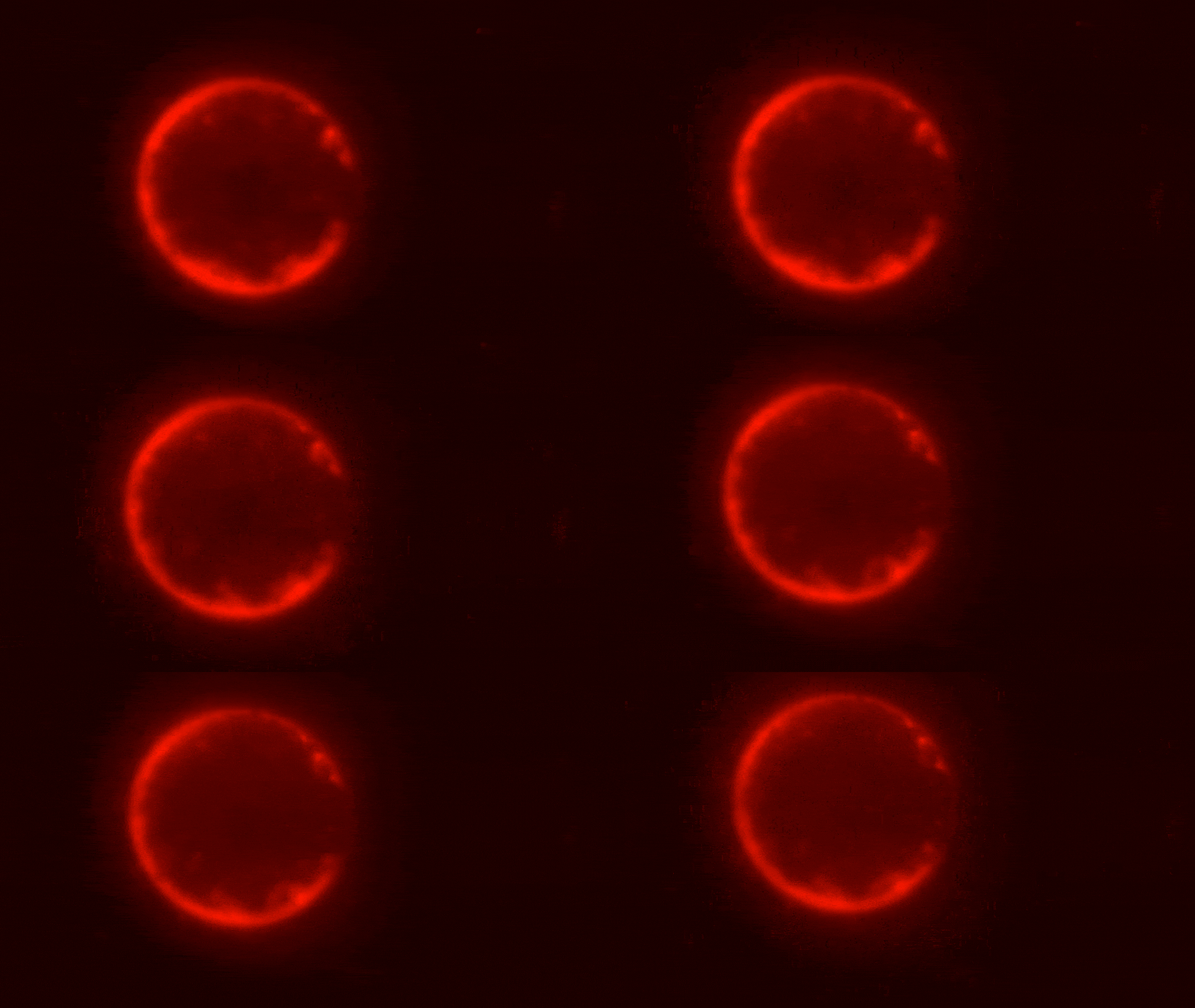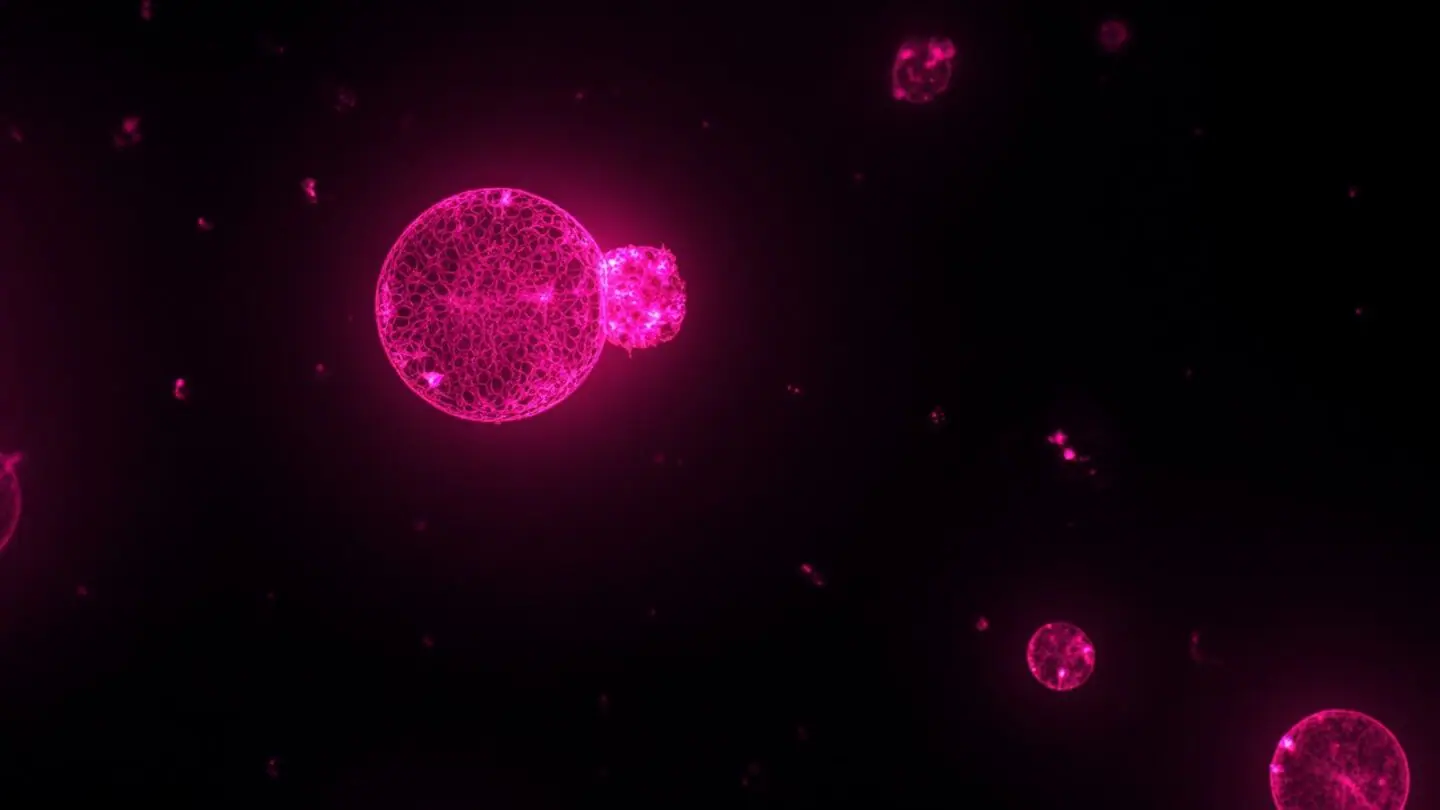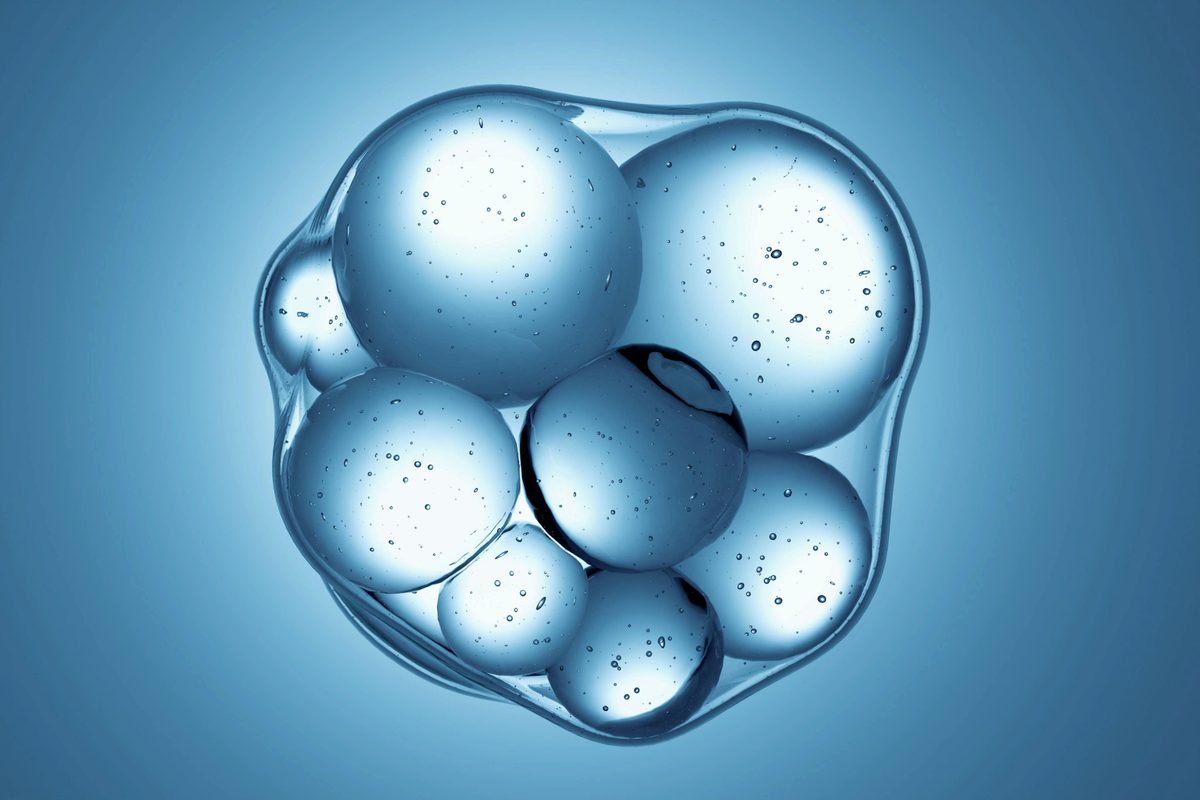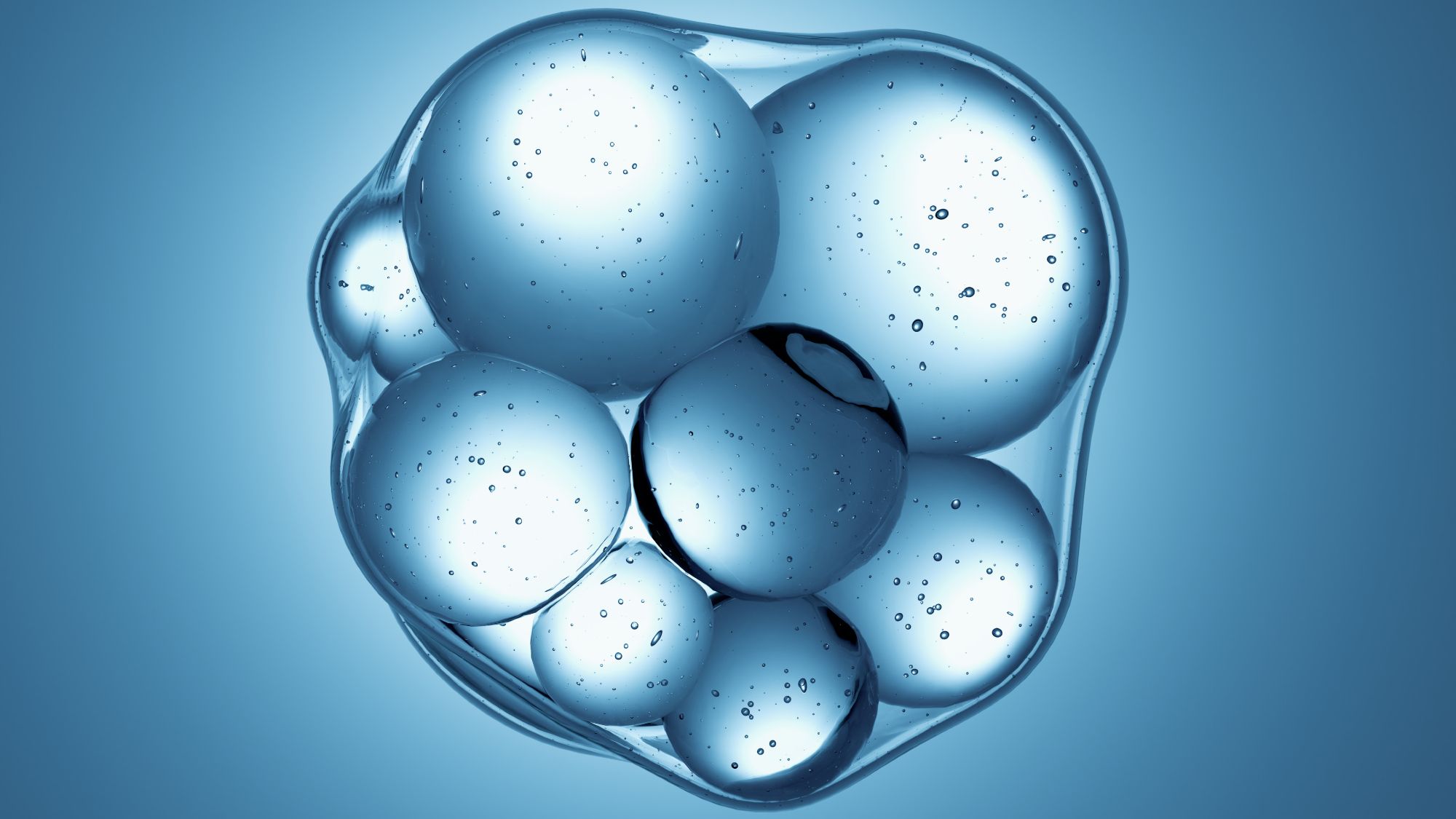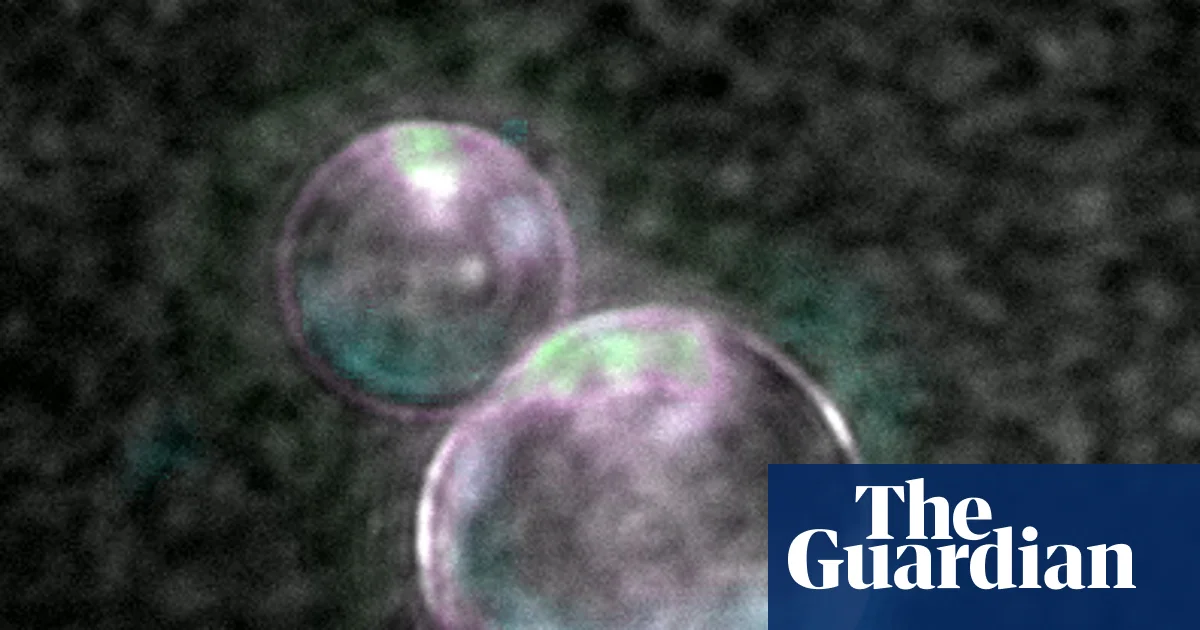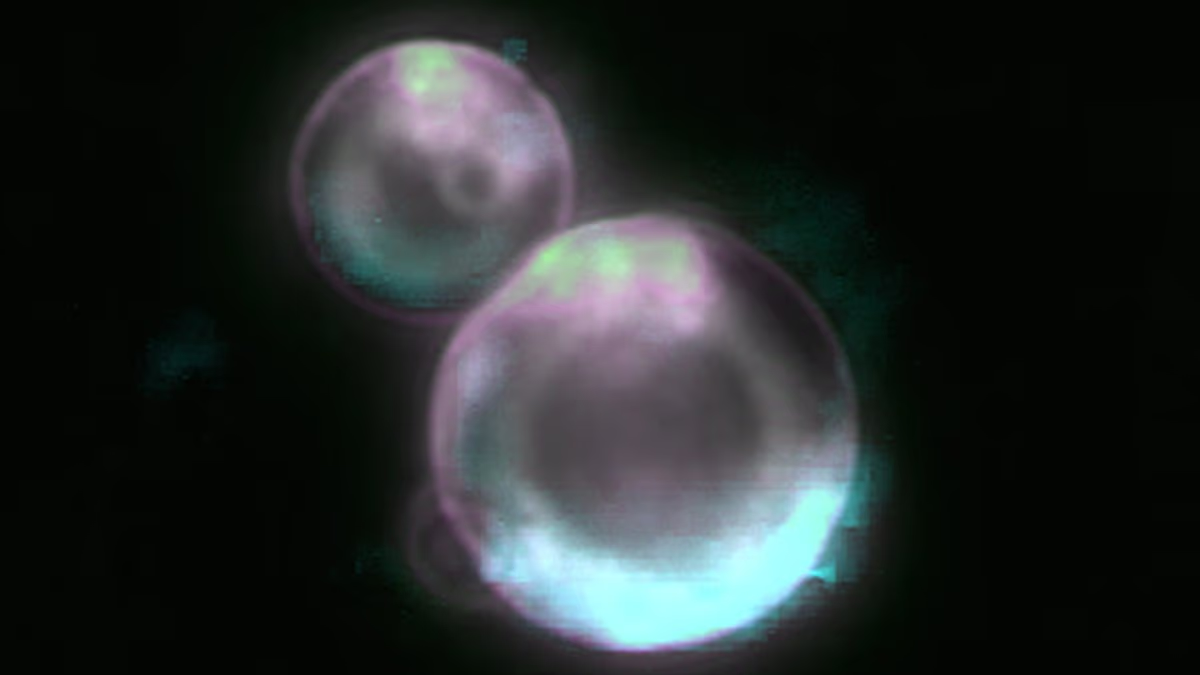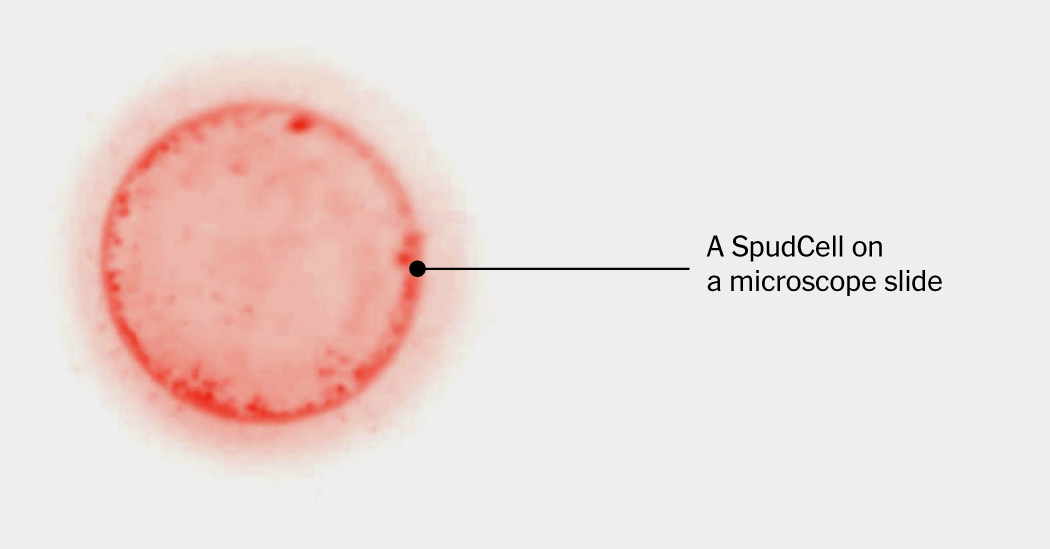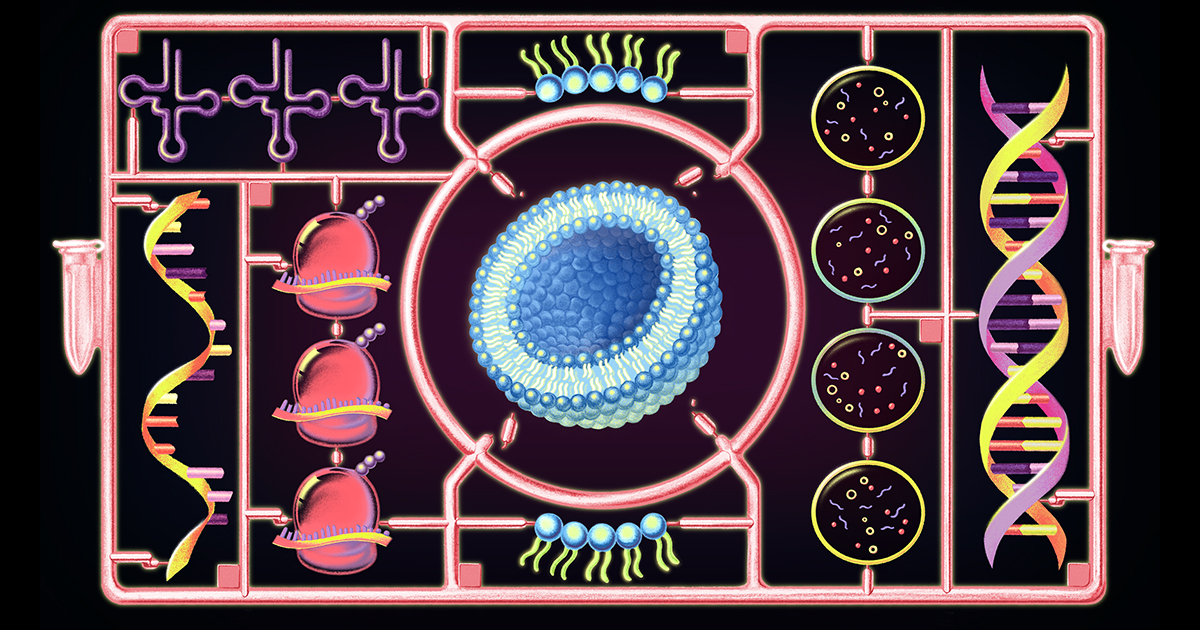
Scientists built a synthetic cell that combines more lifelike properties than ever before — proof of concept that it’s possible to bring nonliving materials to life, or something close to it, in the lab.
Introduction
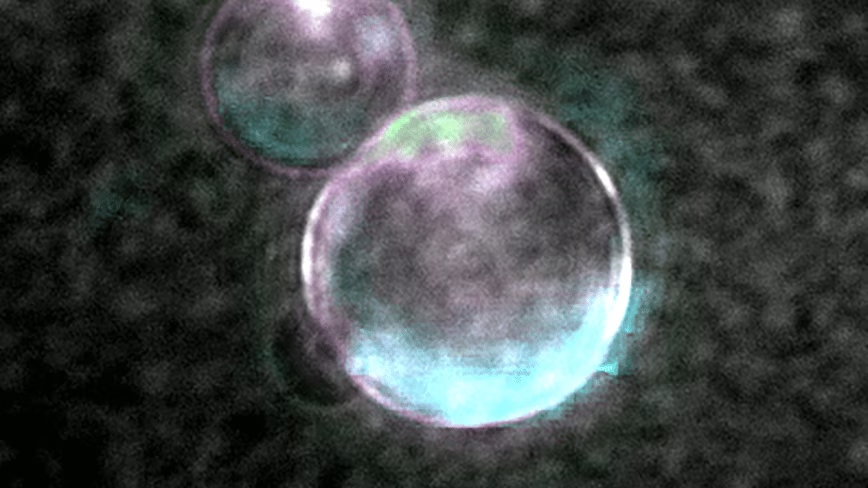
For the very first time, biologists packed nonliving components into a cell-like membrane, piece by piece, and witnessed the bag of molecules start to behave like life. The lab-made synthetic cell grew, replicated its DNA, and divided, demonstrating the basic functions of a cell cycle.
It’s “an impressive step,” said Jack Szostak, who studies the origins of life at the University of Chicago and was not involved in the research. “I don’t know of any other effort to put together an artificial cell from biological components that has progressed so far.”
The cell is not alive by any definition. It can’t survive without constant deliveries of food and ribosomes, the machinery needed to make proteins. It has no defenses or a good waste removal system. But it’s the strongest demonstration yet that it is possible to generate life from nonlife, a goal that synthetic biologists have been chasing for decades.