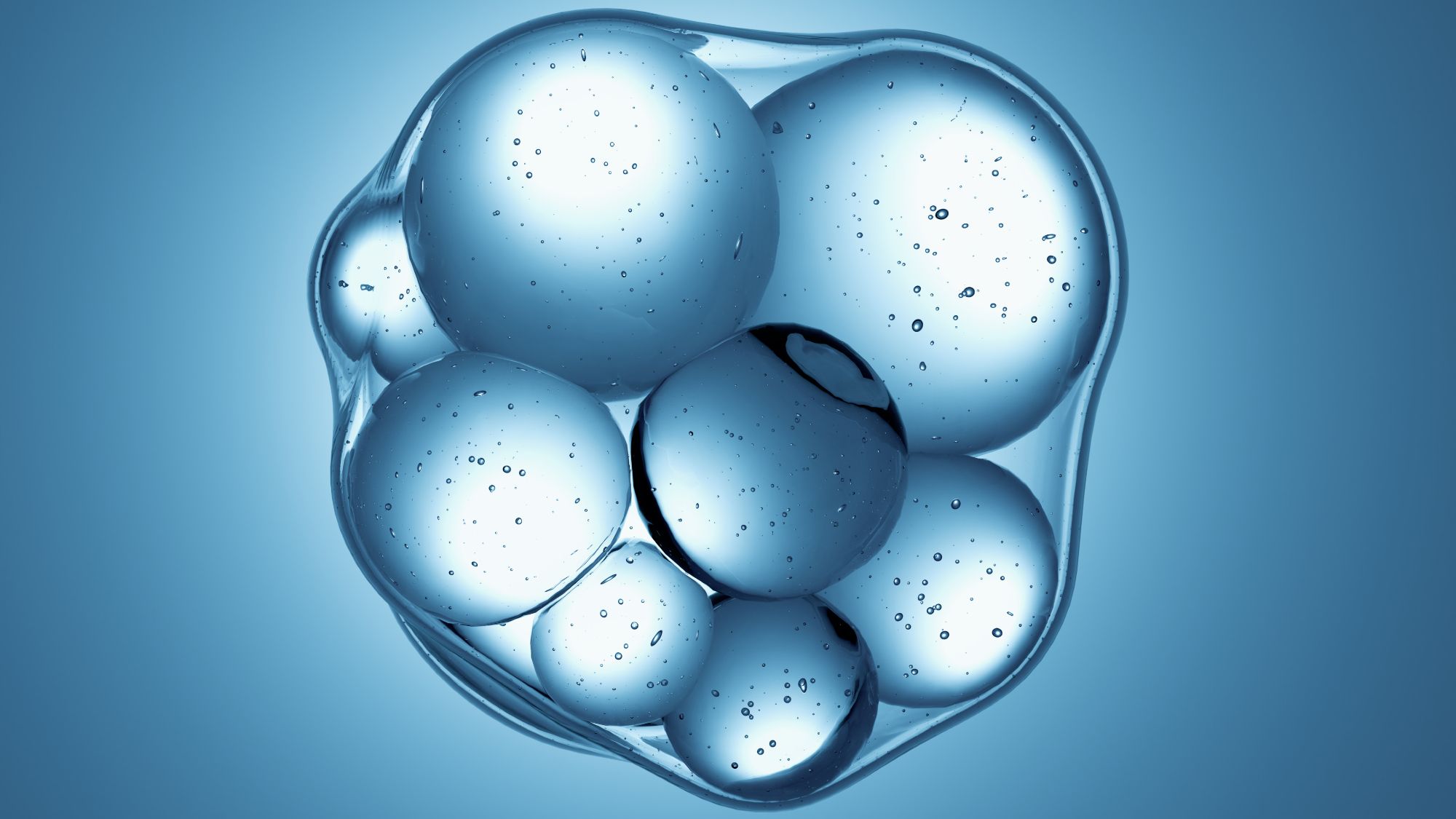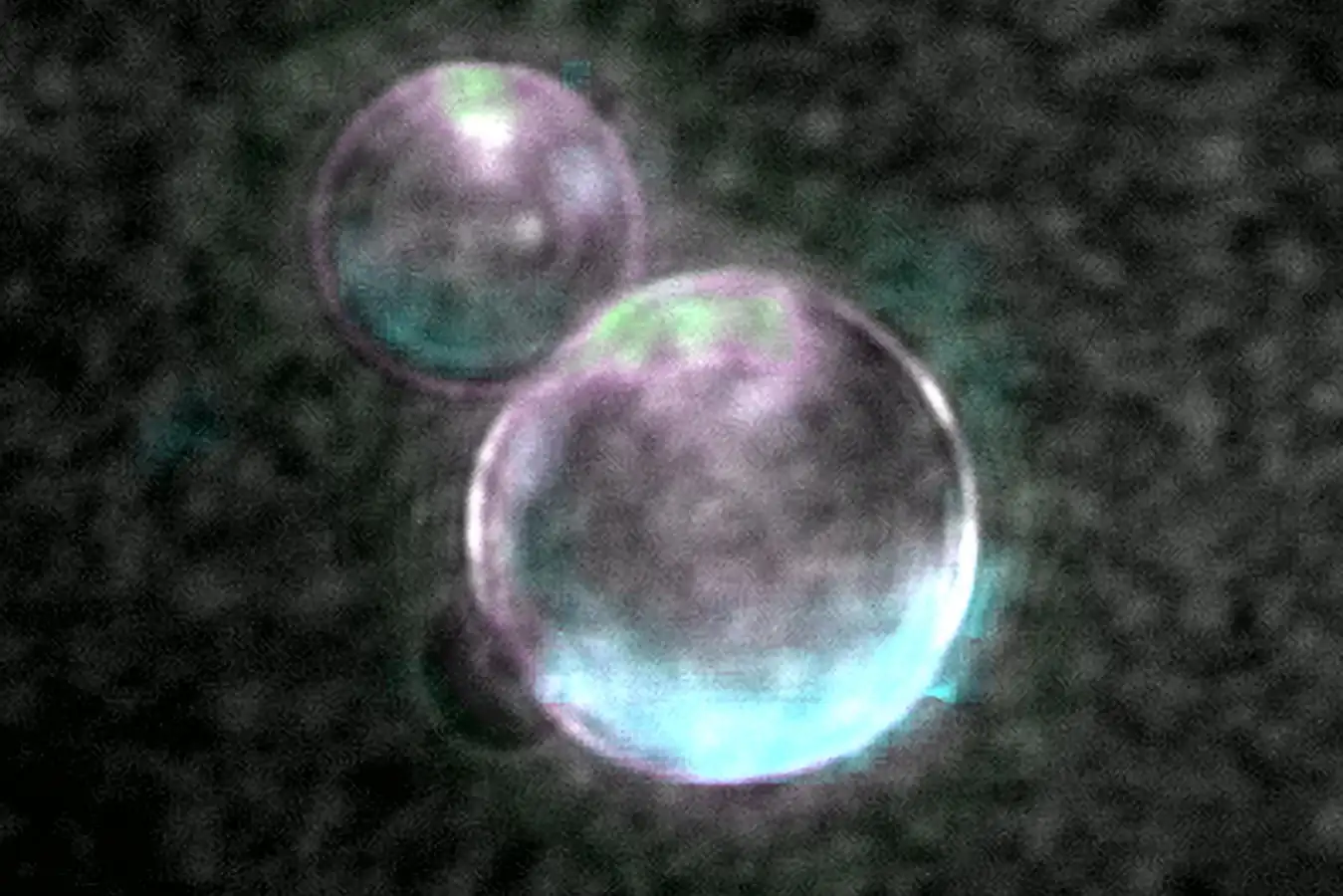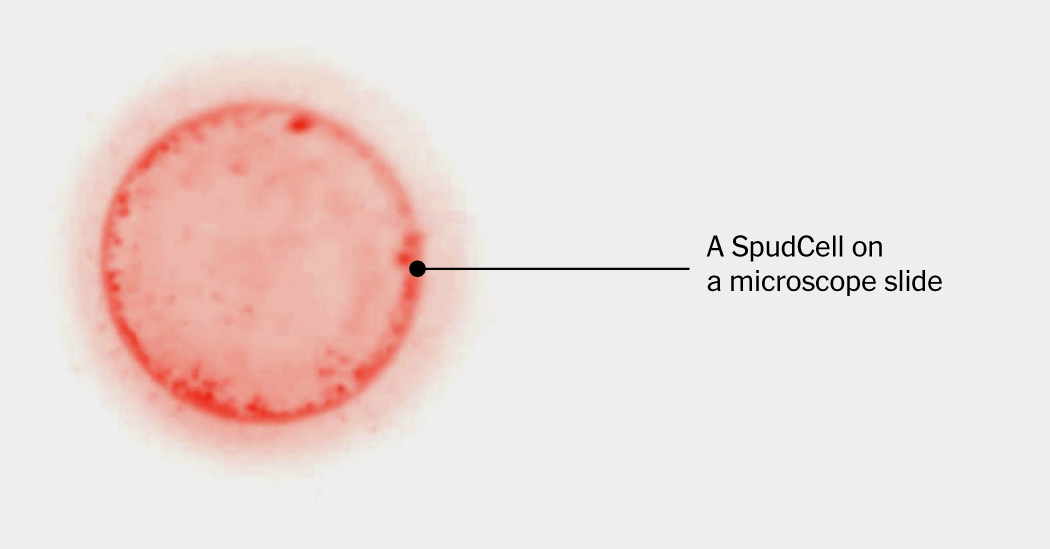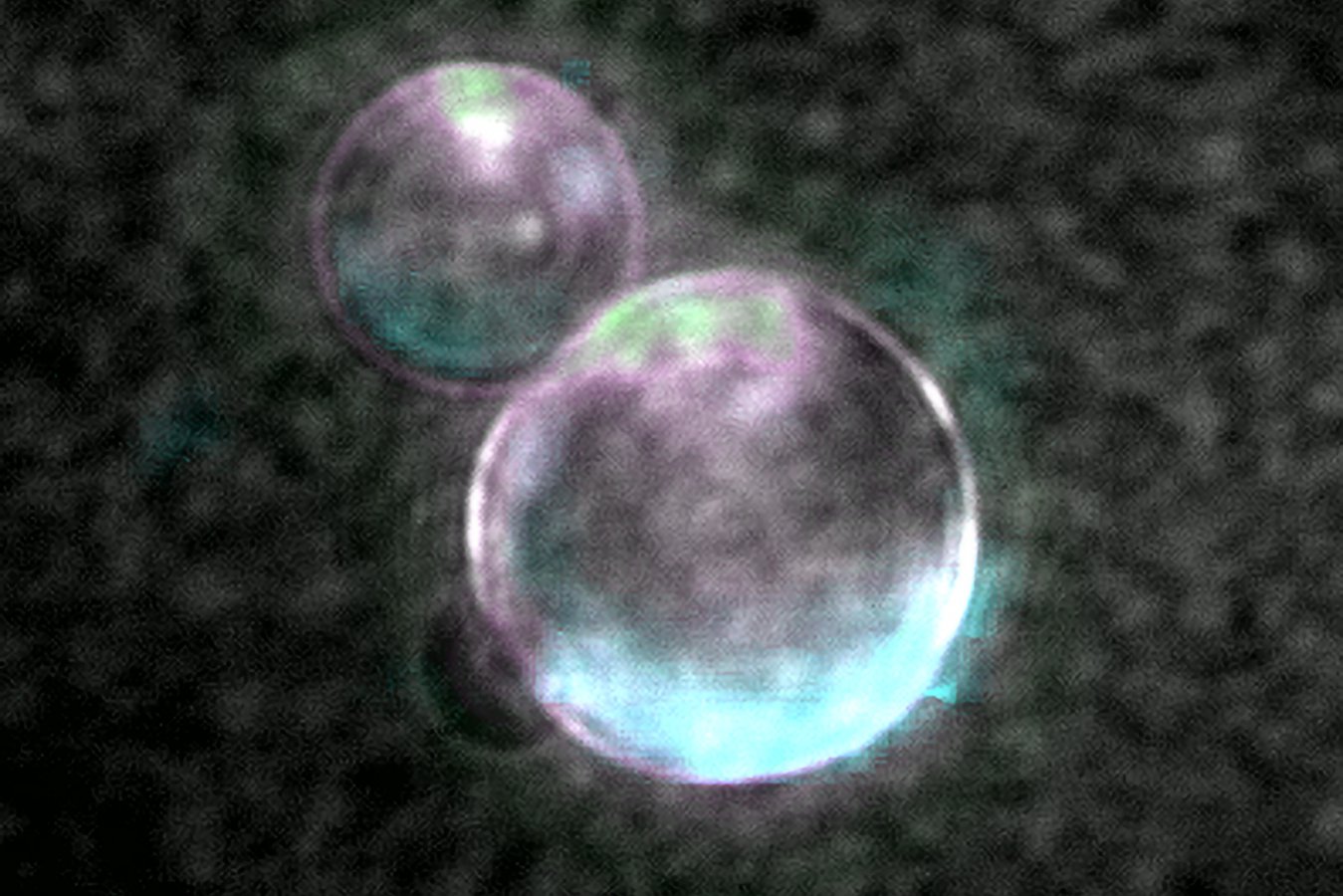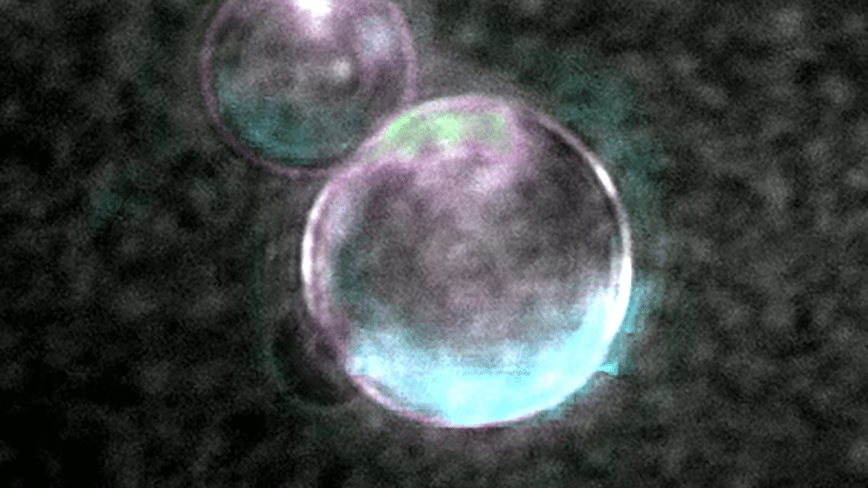
Scientists in Minnesota have built a cell from scratch. It can feed, grow, and divide, and it competes with its own offspring. Its makers do not claim it is alive. But the line between chemistry and biology just got a lot thinner.
The team at the University of Minnesota calls its creation SpudCell, and says it is the first synthetic cell to complete a full life cycle.
Earlier efforts stripped down a living microbe to its bare essentials. SpudCell works the other way, built entirely from the bottom up. It uses only known chemicals, none of them alive. A preprint, still awaiting peer review, describes the work.
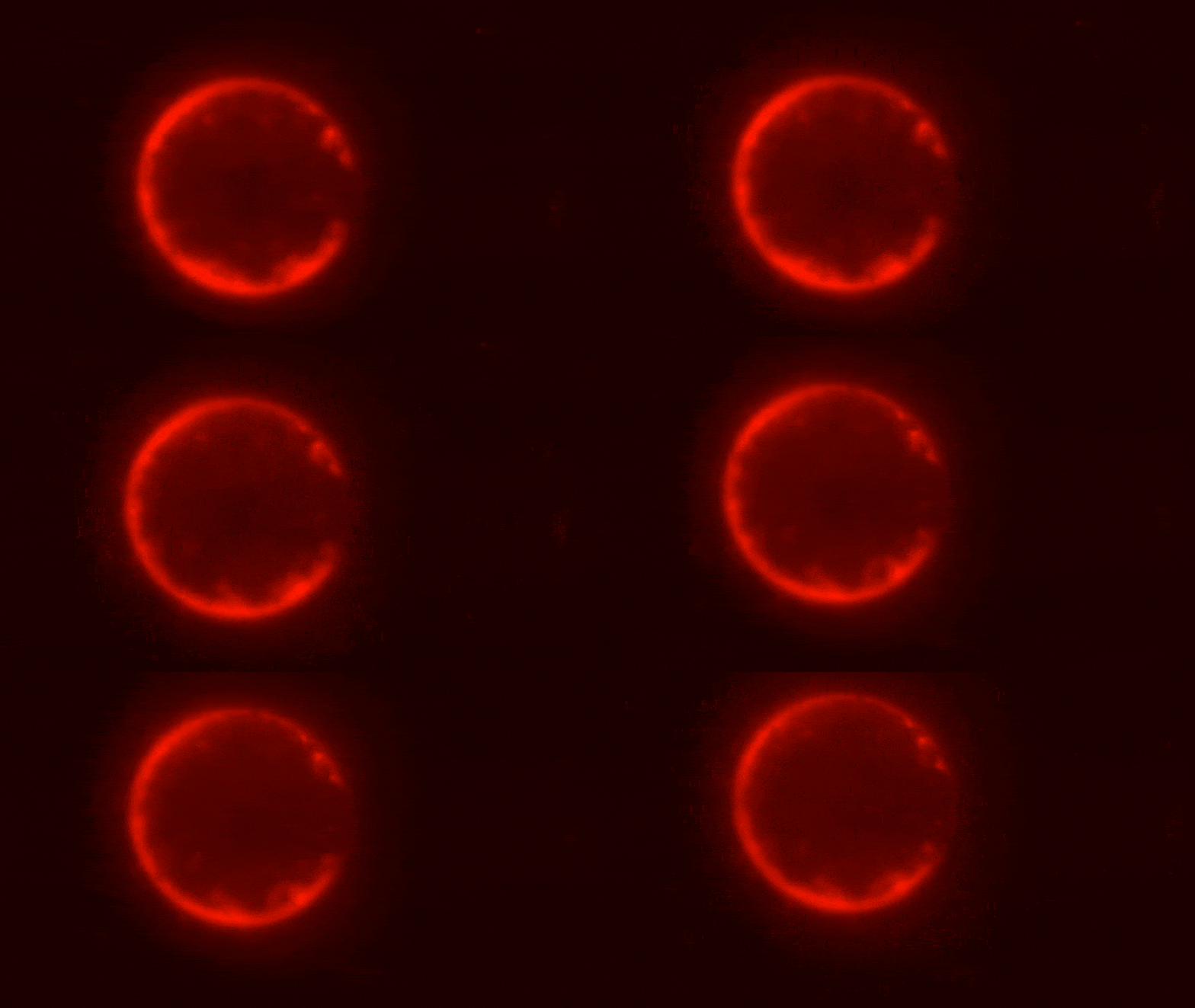
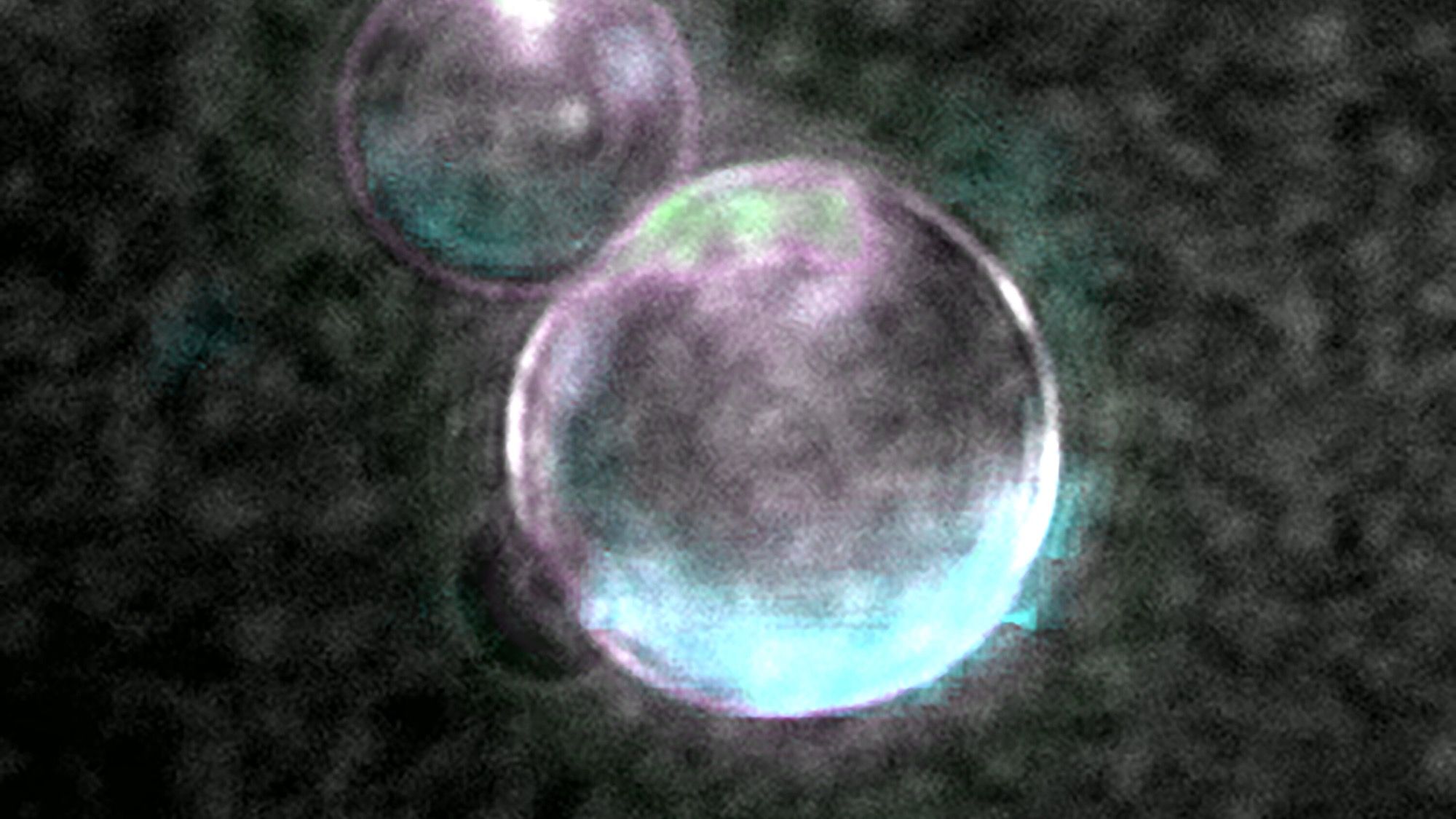
The recipe is deceptively simple. Each cell is a tiny bubble of lipids wrapped around a genome of about 90,000 base pairs, split across seven strands of DNA. Inside sit 36 purified enzymes that read that DNA and build proteins.
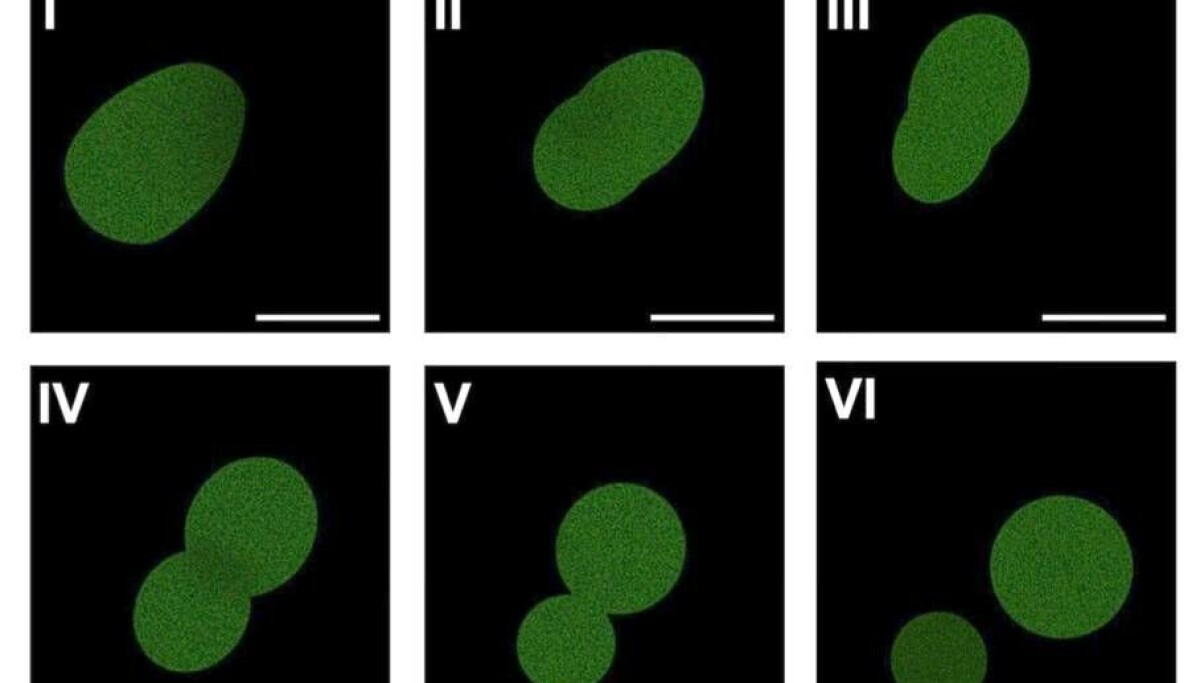
The cell grows by fusing with “feeder” bubbles that deliver lipids and nutrients. It divides without the internal scaffolding most cells rely on, splitting when proteins crowd its surface until the membrane gives way.