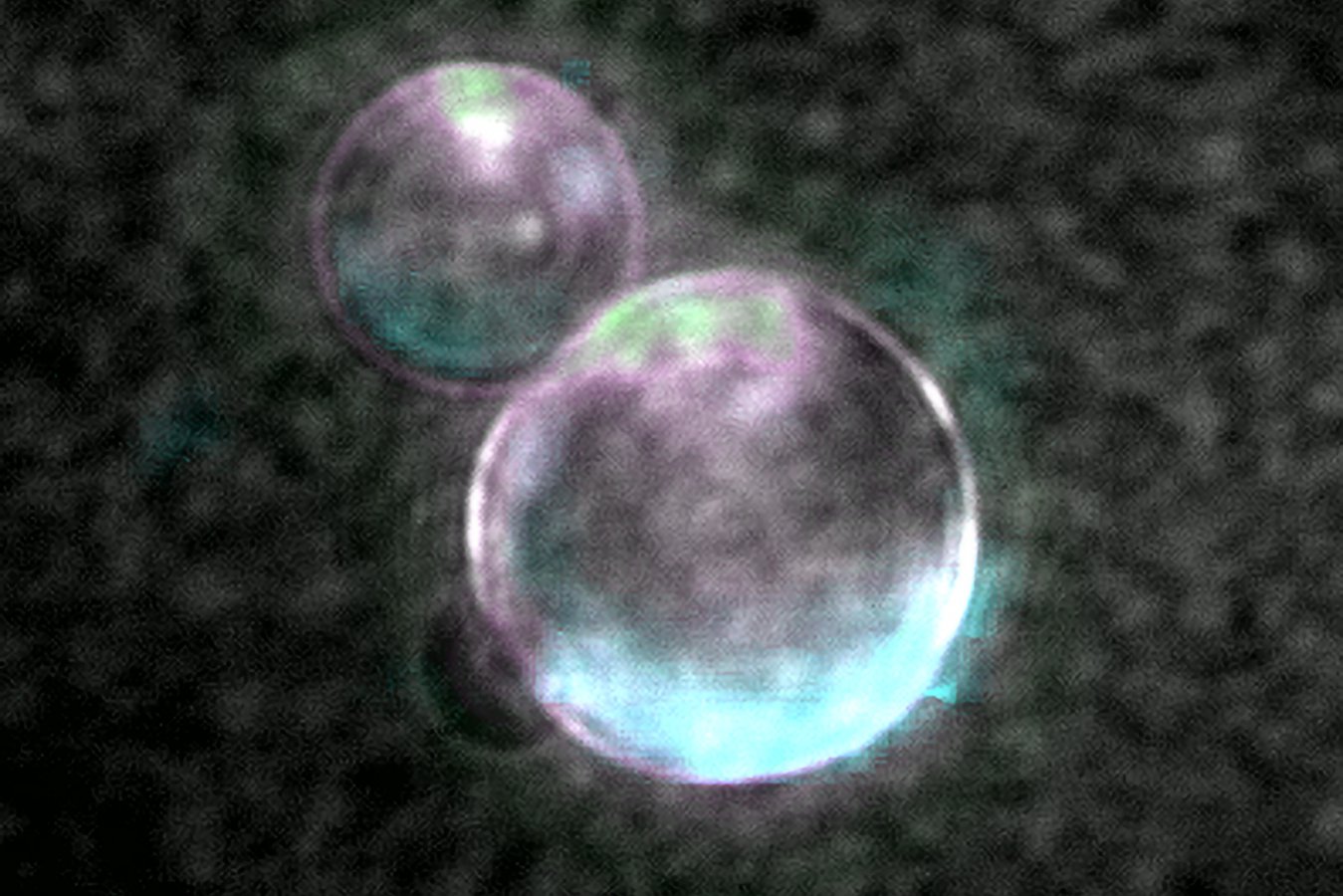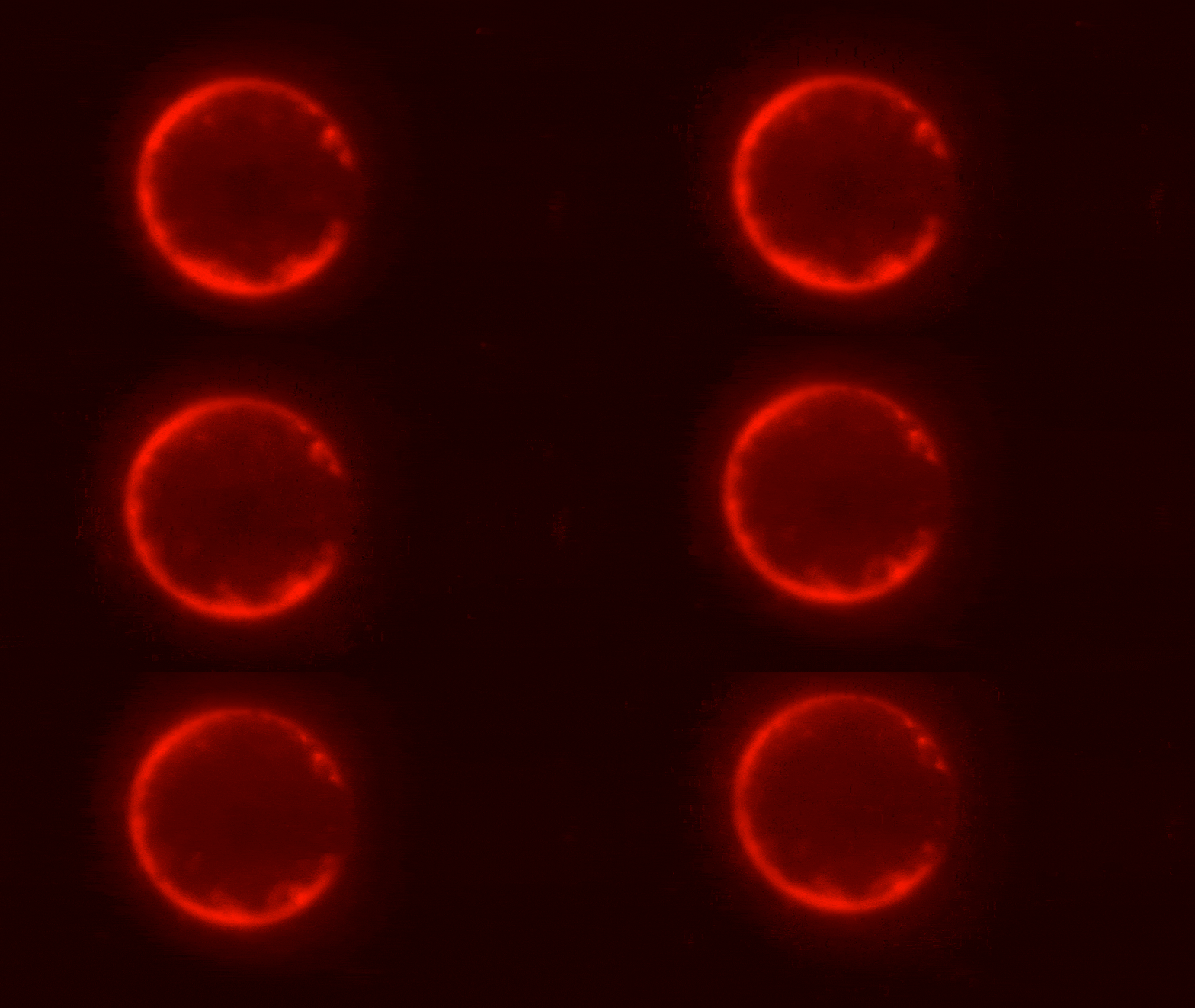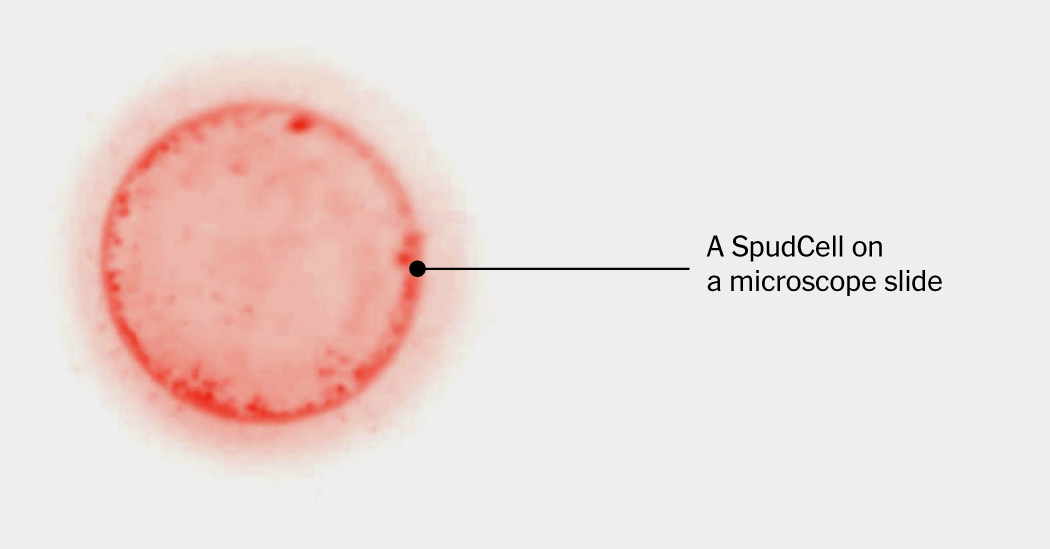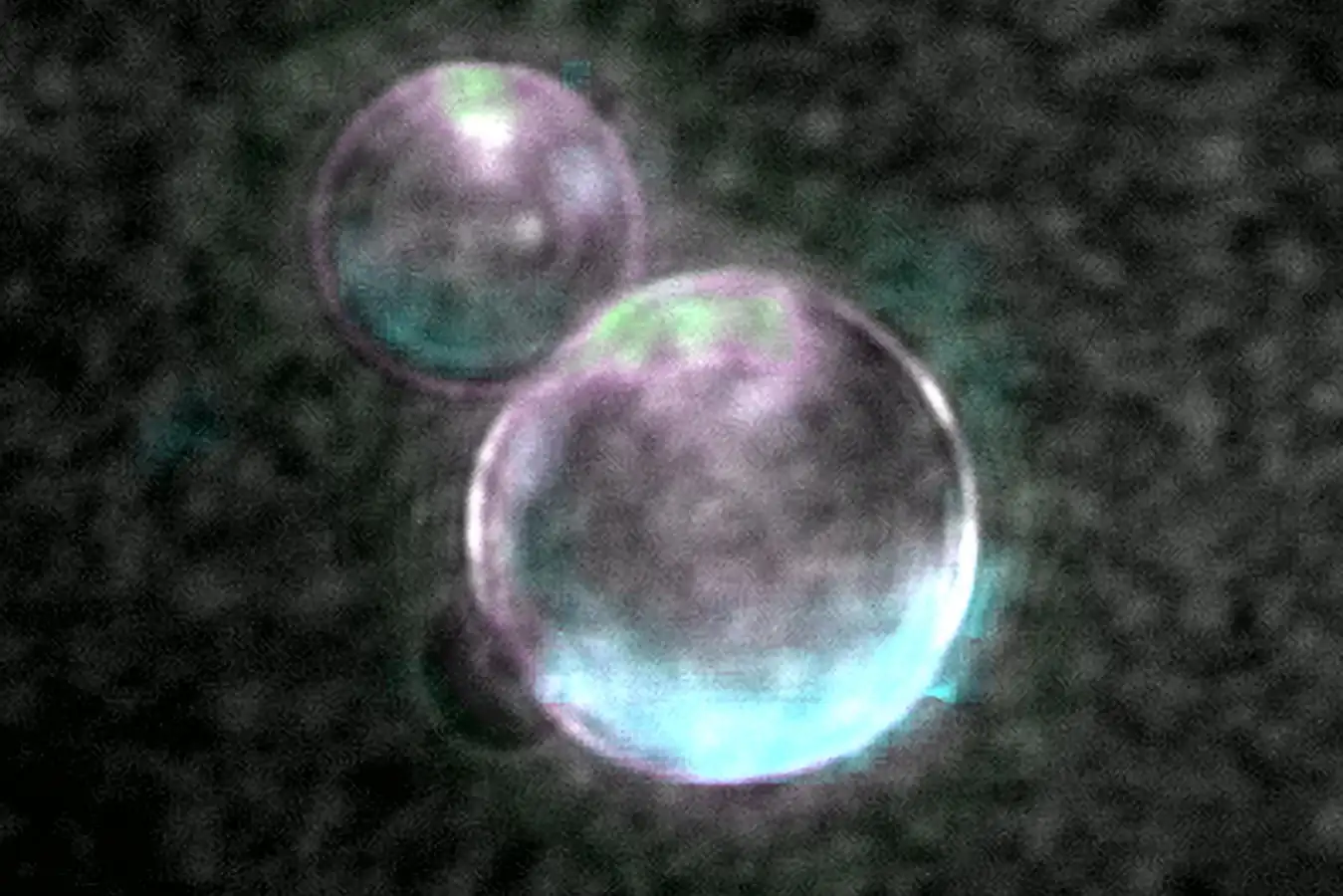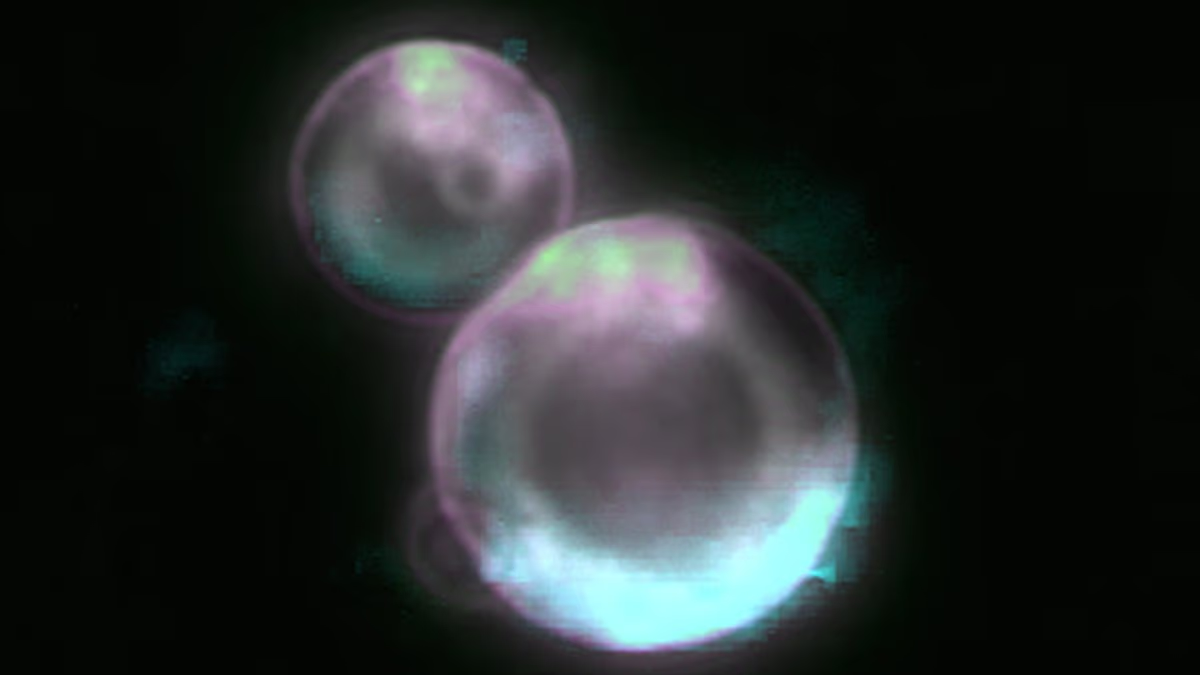
Stay up to date with notifications from The IndependentNotifications can be managed in browser preferences.Jump to contentThank you for registeringPlease refresh the page or navigate to another page on the site to be automatically logged inPlease refresh your browser to be logged inAllNewsSportCultureLifestyleScientists have created the world's first synthetic cell, named SpudCell, which exhibits a complete life cycle entirely from non-living chemical components. Developed by teams at the University of Minnesota, SpudCell can feed, grow, and replicate, performing functions such as genome replication, growth, and genetically-encoded division. The synthetic cell overcomes a previous hurdle in research by using proteins to induce division, rather than relying on an internal cytoskeleton. Researchers successfully introduced a genetic modification to SpudCell, leading to faster growth and increased offspring production. This breakthrough is seen as a foundational step towards engineering more complex cellular functions and could enable new molecular transformations beyond current industrial capabilities. In fullScientists claim they have developed world’s first man-made cell that can eat and growThank you for registeringPlease refresh the page or navigate to another page on the site to be automatically logged inPlease refresh your browser to be logged in
‘World’s first’ synthetic cell can eat, grow and replicate, scientists claim
Stay up to date with notifications from The IndependentNotifications can be managed in browser preferences.Jump to contentThank you for registeringPlease refresh the page or navigate to another page on the site to be automatically logged inPlease refresh your browser to be logged inAllNewsSportCultureLifestyleScientists have created the world's first synthetic cell, named SpudCell, which exhibits a complete life cycle entirely from non-living chemical components. Developed by teams at the University of Minnesota, SpudCell can feed, grow, and replicate, performing functions such as genome replication, growth, and genetically-encoded division. The synthetic cell overcomes a previous hurdle in research by using proteins to induce division, rather than relying on an internal cytoskeleton. Researchers successfully introduced a genetic modification to SpudCell, leading to faster growth and increased offspring production. This breakthrough is seen as a foundational step towards engineering more complex cellular functions and could enable new molecular transformations beyond current industrial capabilities. In fullScientists claim they have developed world’s first man-made cell that can eat and growThank you for registeringPlease refresh the page or navigate to another page on the site to be automatically logged inPlease refresh your browser to be logged in