WARPTECHNEWS · LAB
HomeAIBusinessTechArchive
WARPTECH LAB NEWS

Warptech Lab News aggrega le notizie più rilevanti da oltre 700 fonti internazionali, con classificazione AI, TL;DR sintetici e timeline cluster su singole storie.

Navigazione

  • Home
  • Archivio
  • Editor's Brief
  • Cerca
  • Il tuo account
  • Newsletter tech/AI

Informazioni legali

  • Privacy Policy
  • Termini di servizio
  • Cookie Policy

© 2026 Sparktech S.R.L. — Tutti i diritti riservati. Sito gestito e manutenuto da Sparktech S.R.L.

Sede legale: Corso Libertà 55, 13100 Vercelli (VC), Italia · P.IVA / C.F. 02835910023 · Contatti: admin@warptechlab.com

Home
Storia in 7 fonti

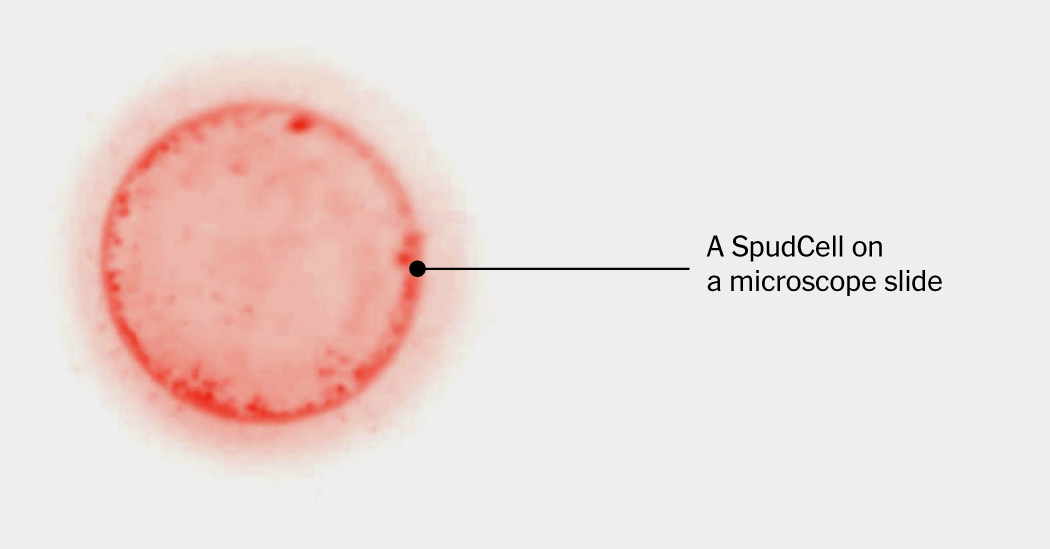
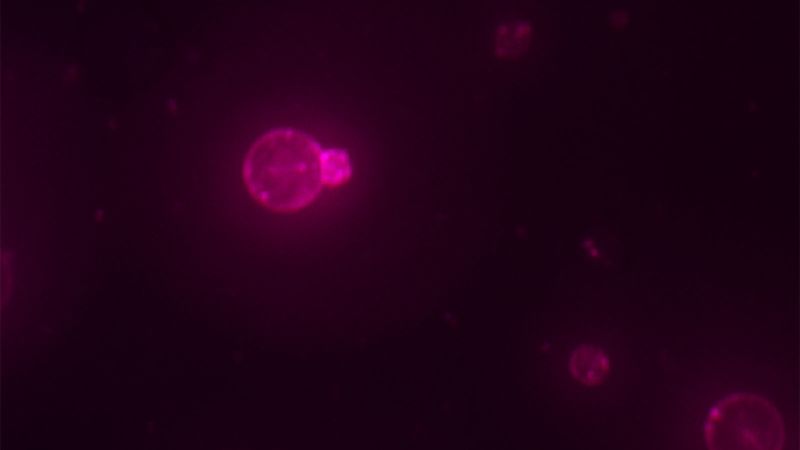
‘World’s first’ synthetic cell can eat, grow and replicate, scientists claim

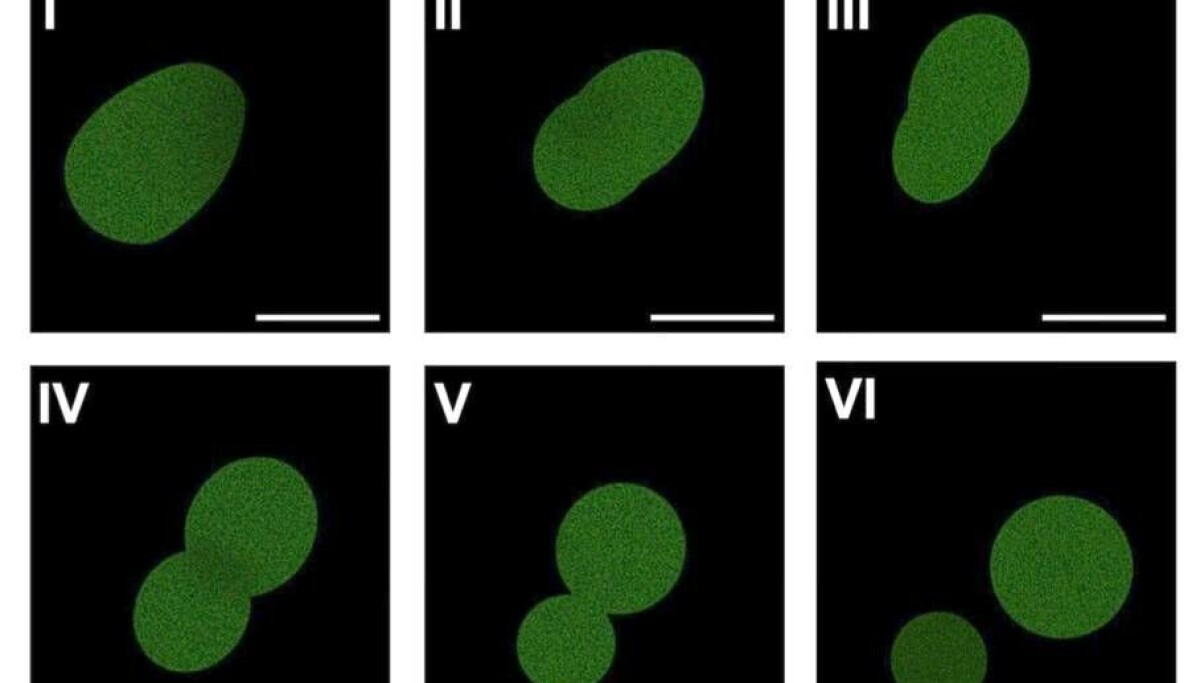
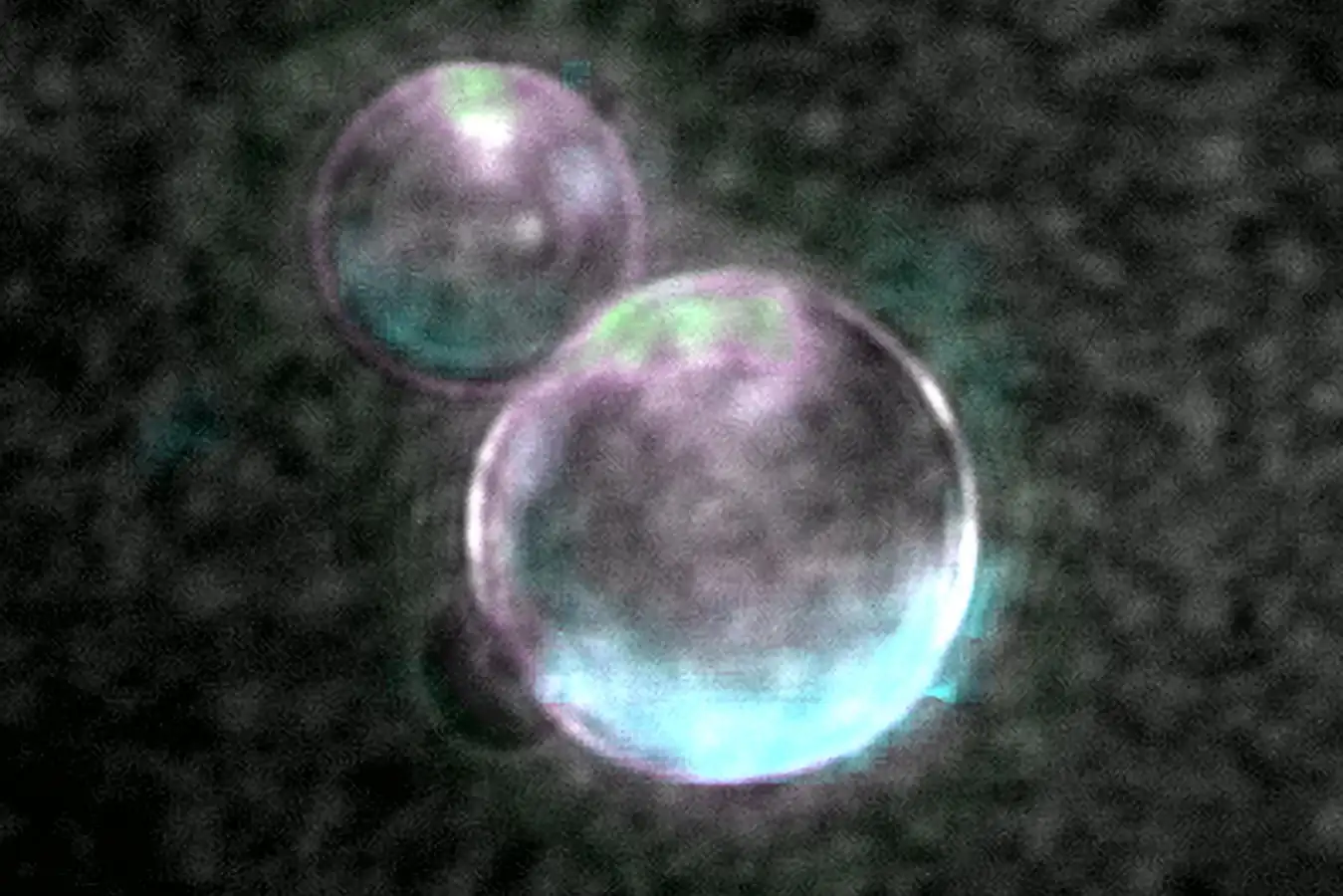
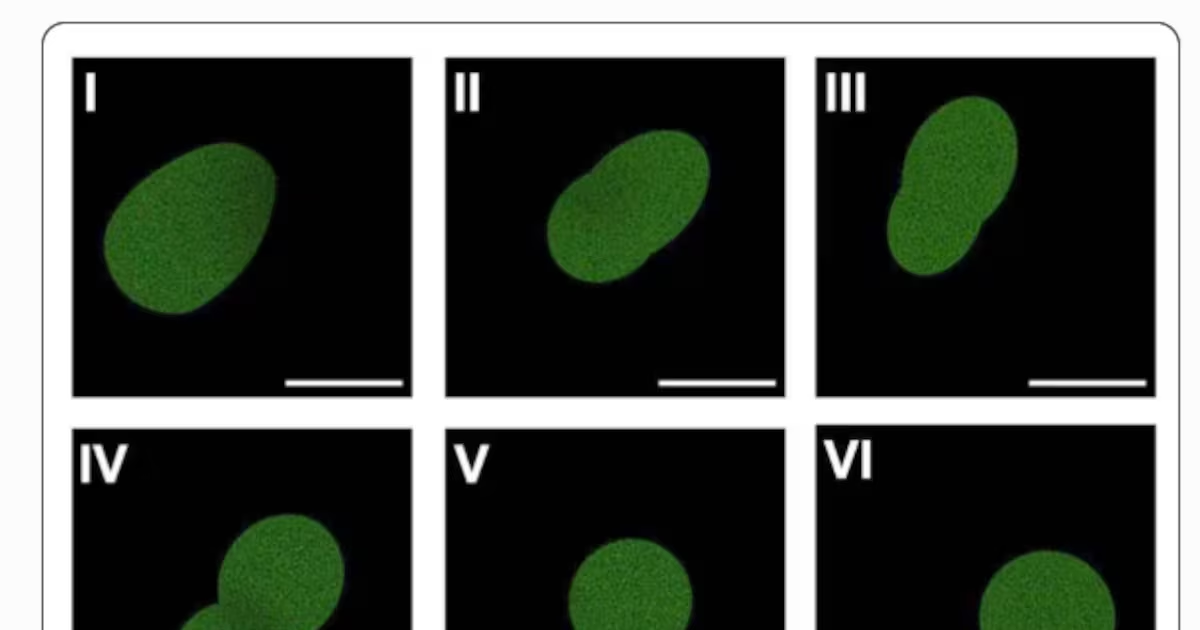
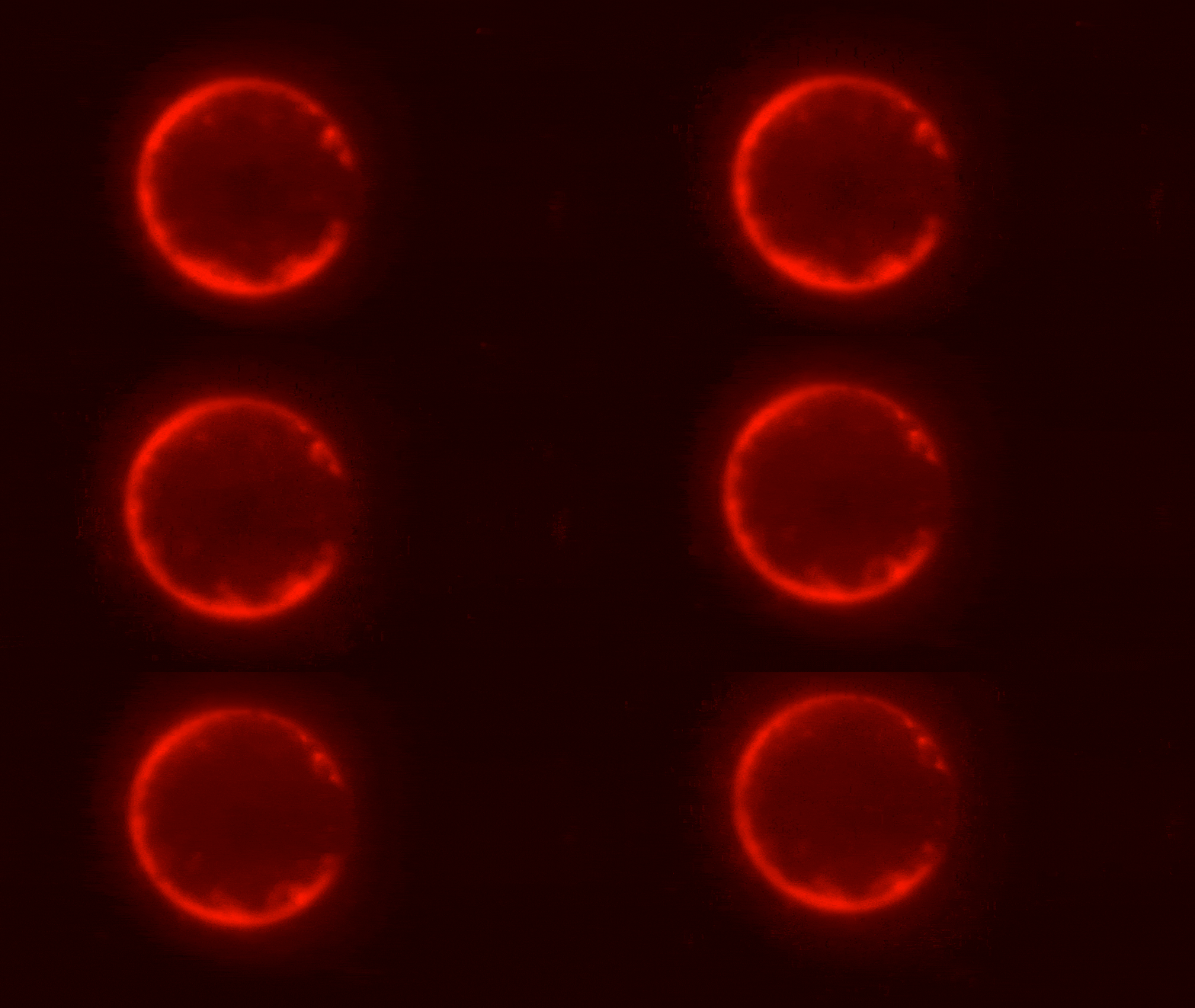
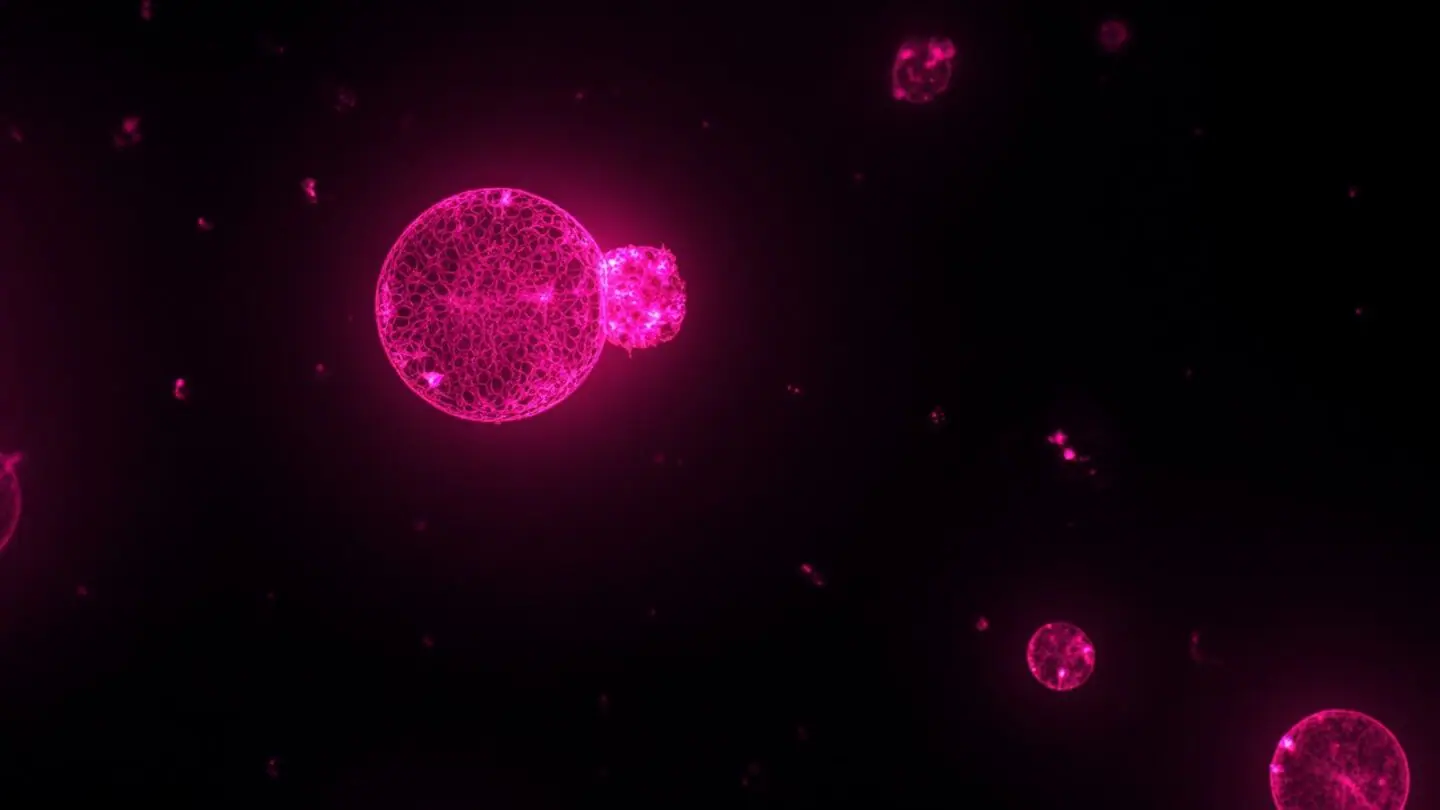
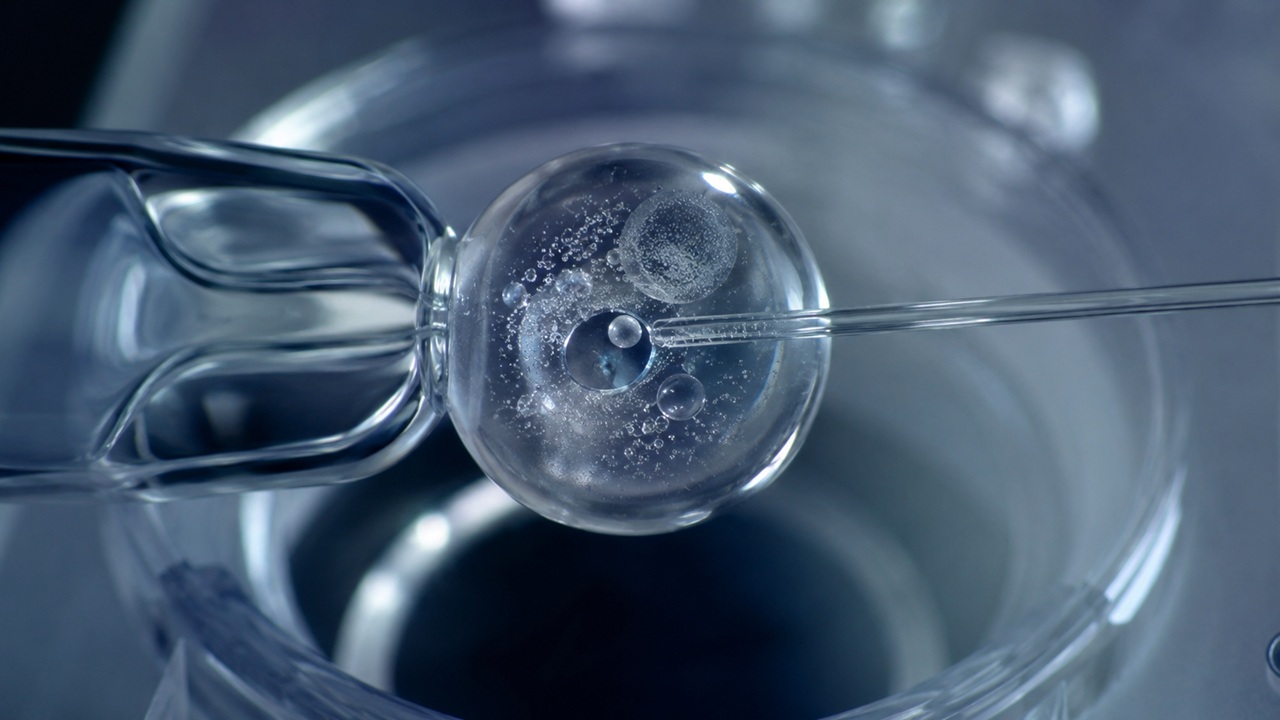
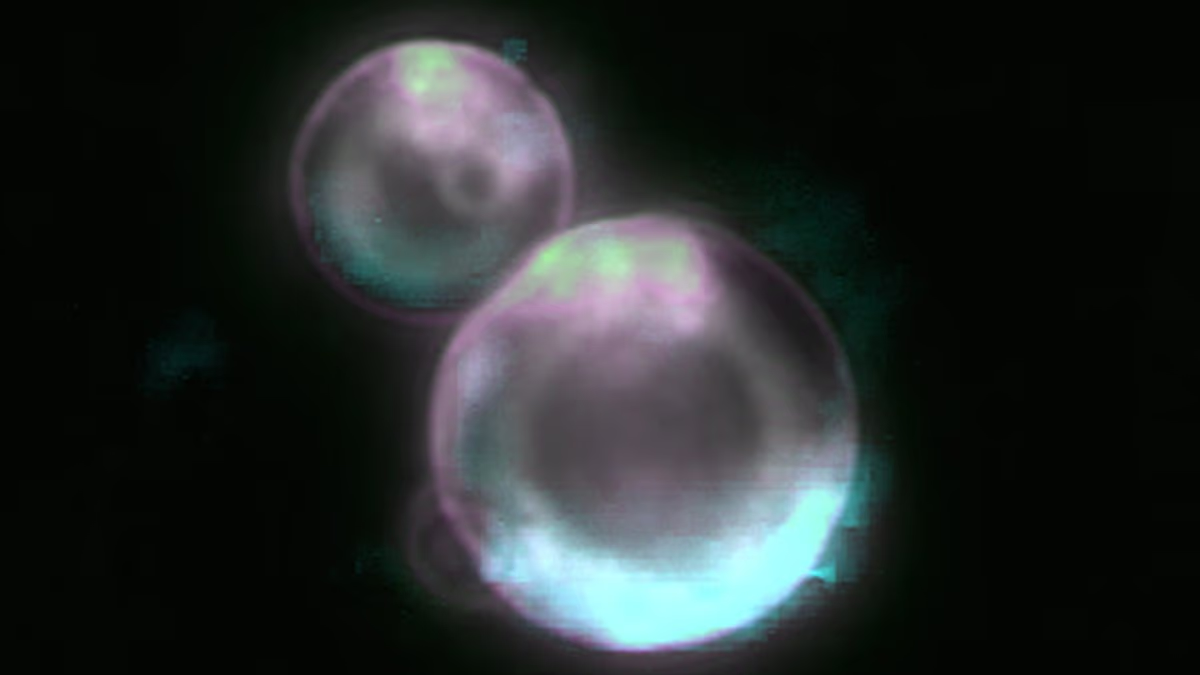
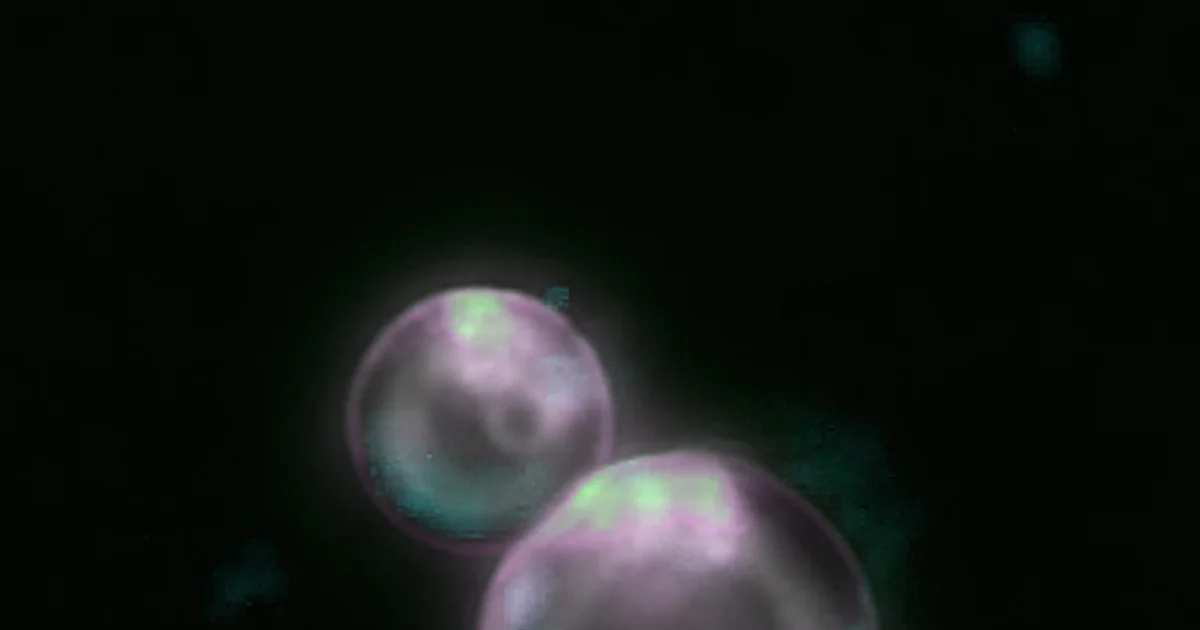
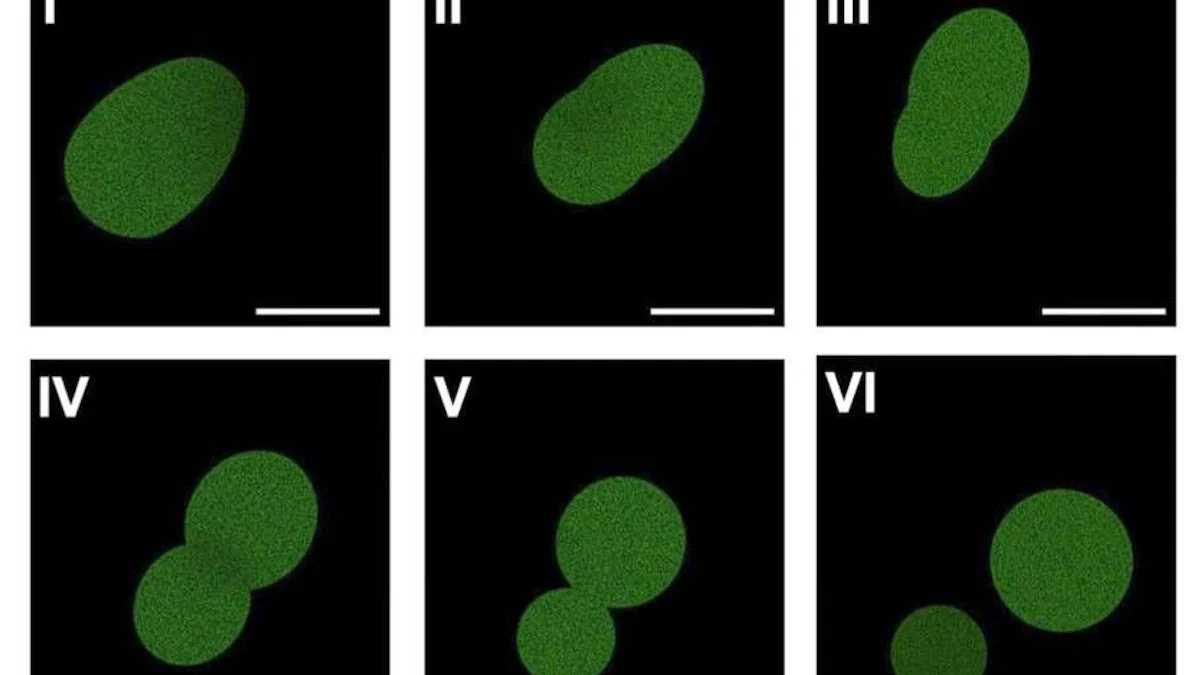
Stay up to date with notifications from The IndependentNotifications can be managed in browser preferences.Jump to contentThank you for registeringPlease refresh the page or navigate to another page on the site to be automatically logged inPlease refresh your browser to be logged inAllNewsSportCultureLifestyleScientists have created the world's first synthetic cell, named SpudCell, which exhibits a complete life cycle entirely from non-living chemical components. Developed by teams at the University of Minnesota, SpudCell can feed, grow, and replicate, performing functions such as genome replication, growth, and genetically-encoded division. The synthetic cell overcomes a previous hurdle in research by using proteins to induce division, rather than relying on an internal cytoskeleton. Researchers successfully introduced a genetic modification to SpudCell, leading to faster growth and increased offspring production. This breakthrough is seen as a foundational step towards engineering more complex cellular functions and could enable new molecular transformations beyond current industrial capabilities. In fullScientists claim they have developed world’s first man-made cell that can eat and growThank you for registeringPlease refresh the page or navigate to another page on the site to be automatically logged inPlease refresh your browser to be logged in

Raccontata danytimes.comcnn.comstatnews.comtheregister.comindependent.co.uknewscientist.cominfobae.com

Confronto fonti

6 prospettive sulla stessa storia
AI · summaries
independent.co.ukStai leggendo5 h fa

‘World’s first’ synthetic cell can eat, grow and replicate, scientists claim

Stay up to date with notifications from The IndependentNotifications can be managed in browser preferences.Jump to contentThank you for registeringPlease refresh the page or navigate to another page on the site to be…

originale

Timeline cronologica

  1. mercoledì 1 luglio 2026·nytimes.com

    This Cell Feeds, Grows and Reproduces. And It’s Manmade.

    From chemical building blocks, scientists have created synthetic cells that have most of the hallmarks of life.

  2. mercoledì 1 luglio 2026·cnn.com

    Scientists say they have built a basic component of life from scratch | CNN

    Scientists say they have built a cell from scratch for the first time that feeds, grows and replicates like a natural cell, a breakthrough in synthetic biology.
theregister.com
8 h fa

An artificial cell with a full lifecycle has been created for the first time

SpudCell can feed, divide, and even outcompete its siblings. It's not truly alive, its creator tells us, but it could still transform the bioengineering world

Leggi questa versione → originale
nytimes.com13 h fa

This Cell Feeds, Grows and Reproduces. And It’s Manmade.

From chemical building blocks, scientists have created synthetic cells that have most of the hallmarks of life.

Leggi questa versione → originale
newscientist.com7 h fa

Have scientists really made a living cell from scratch? Not quite

A prototype cell partly capable of replicating itself has been created using 36 existing bacterial genes, but it's not really a living organism – yet

Leggi questa versione → originale
infobae.com5 h fa

Crean la primera célula sintética capaz de completar un ciclo vital completo

La estructura, desarrollada por científicos de Estados Unidos y bautizada como SpudCell, logra ejecutar funciones básicas como alimentarse, crecer y dividirse. El desarrollo representa un avance, aunque la autonomía…

Leggi questa versione → originale
cnn.com13 h fa

Scientists say they have built a basic component of life from scratch | CNN

Scientists say they have built a cell from scratch for the first time that feeds, grows and replicates like a natural cell, a breakthrough in synthetic biology.
Leggi questa versione → originale
  • mercoledì 1 luglio 2026·statnews.com

    Synthetic biology researchers think they’ve made a cell. Is it alive?

    Researchers have created what they say may count as the first synthetic cell, and have started a public benefit corporation to share the technology with

  • mercoledì 1 luglio 2026·theregister.com

    An artificial cell with a full lifecycle has been created for the first time

    SpudCell can feed, divide, and even outcompete its siblings. It's not truly alive, its creator tells us, but it could still transform the bioengineering world

  • mercoledì 1 luglio 2026·independent.co.uk

    Scientists claim they have developed a cell from scratch for first time

    It was built from non-living chemical components but can replicate a biological cell’s life cycle

  • mercoledì 1 luglio 2026·newscientist.com

    Have scientists really made a living cell from scratch? Not quite

    A prototype cell partly capable of replicating itself has been created using 36 existing bacterial genes, but it's not really a living organism – yet

  • mercoledì 1 luglio 2026·infobae.com

    Crean la primera célula sintética capaz de completar un ciclo vital completo

    La estructura, desarrollada por científicos de Estados Unidos y bautizada como SpudCell, logra ejecutar funciones básicas como alimentarse, crecer y dividirse. El desarrollo…

  • giovedì 2 luglio 2026·independent.co.uk

    ‘World’s first’ synthetic cell can eat, grow and replicate, scientists claim

    Stay up to date with notifications from The IndependentNotifications can be managed in browser preferences.Jump to contentThank you for registeringPlease refresh the page or…