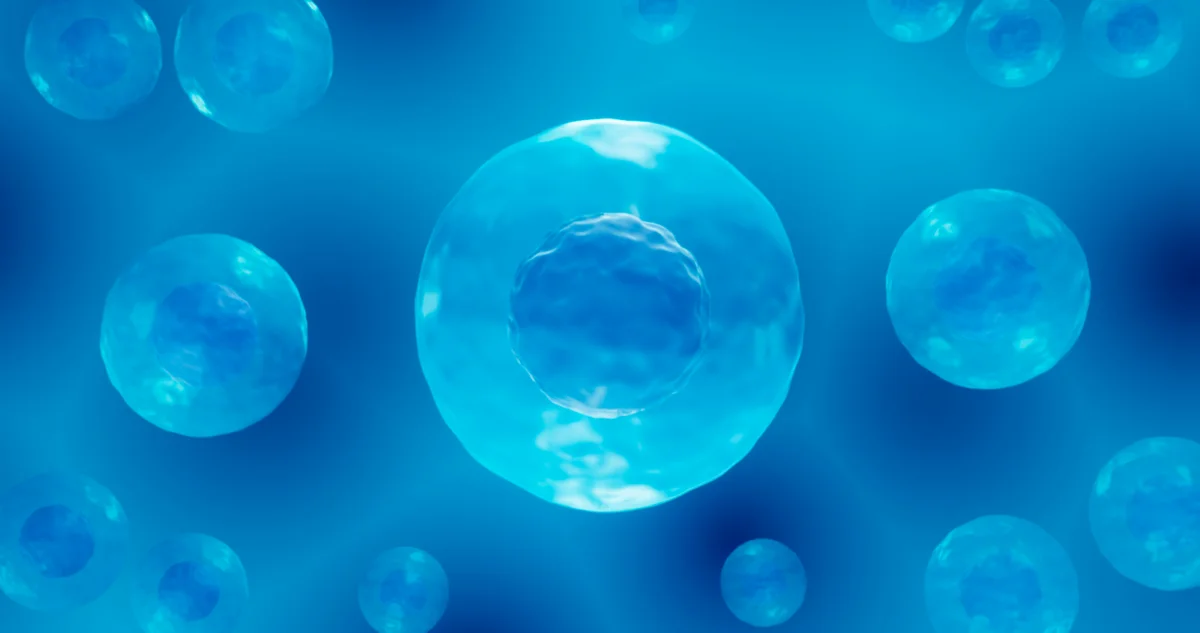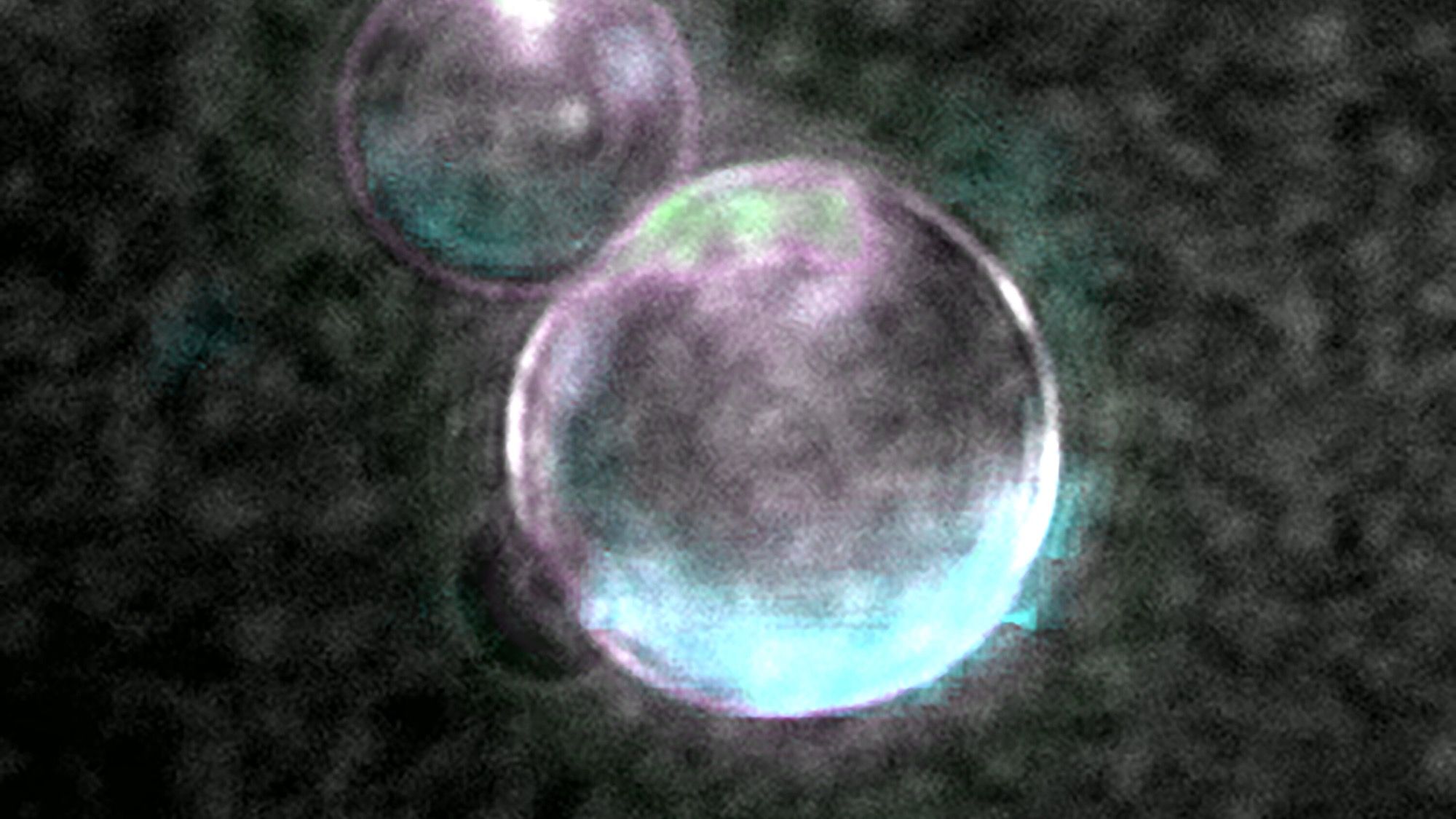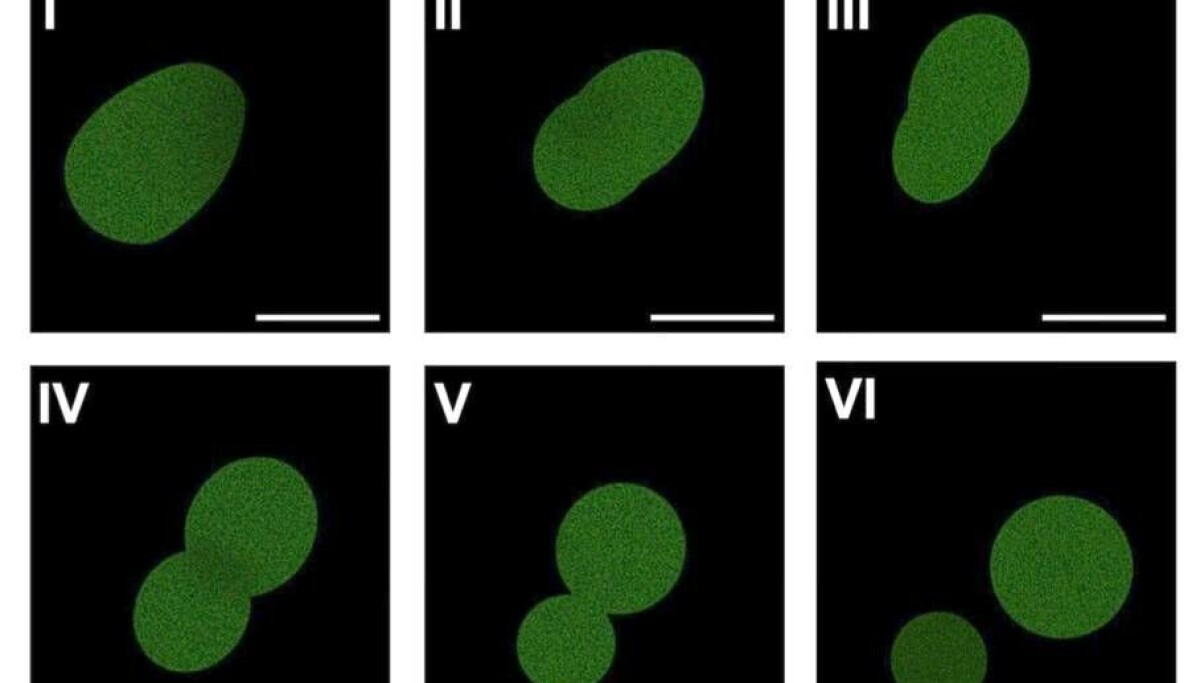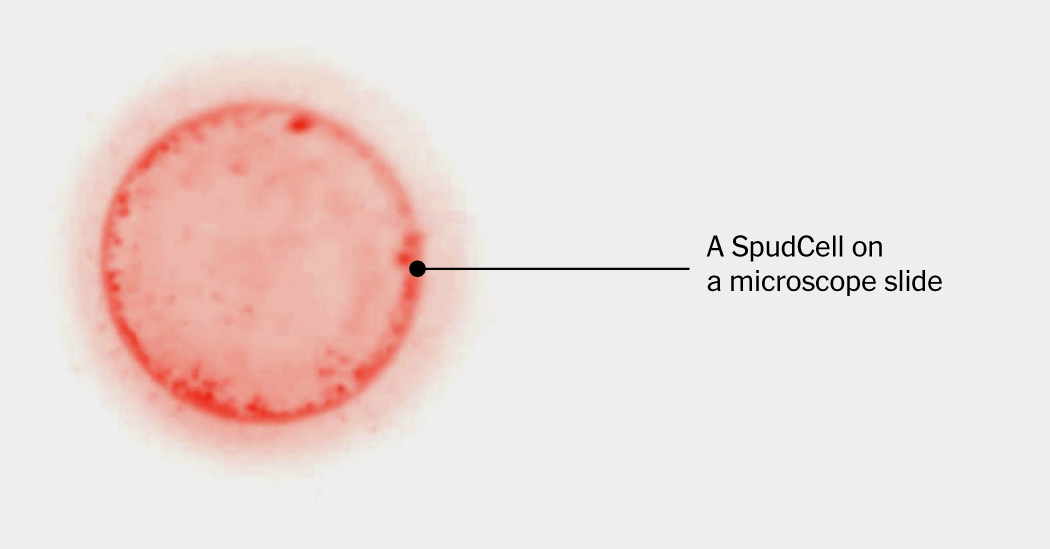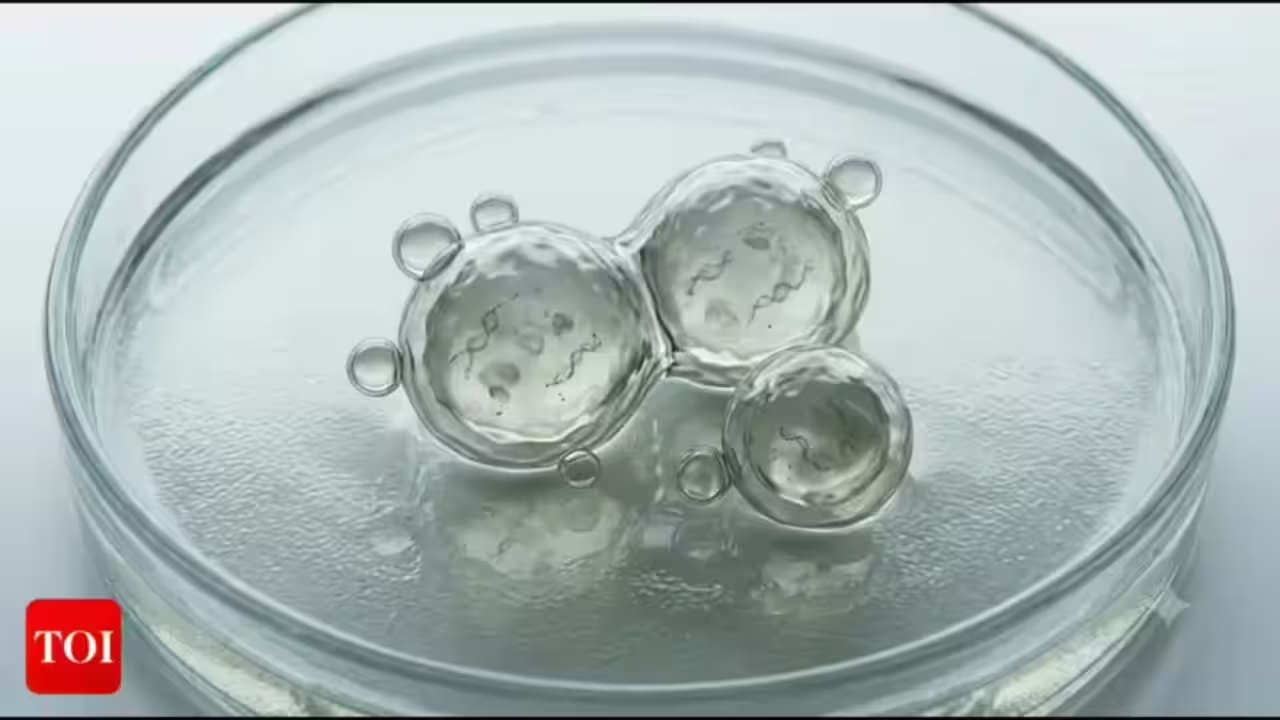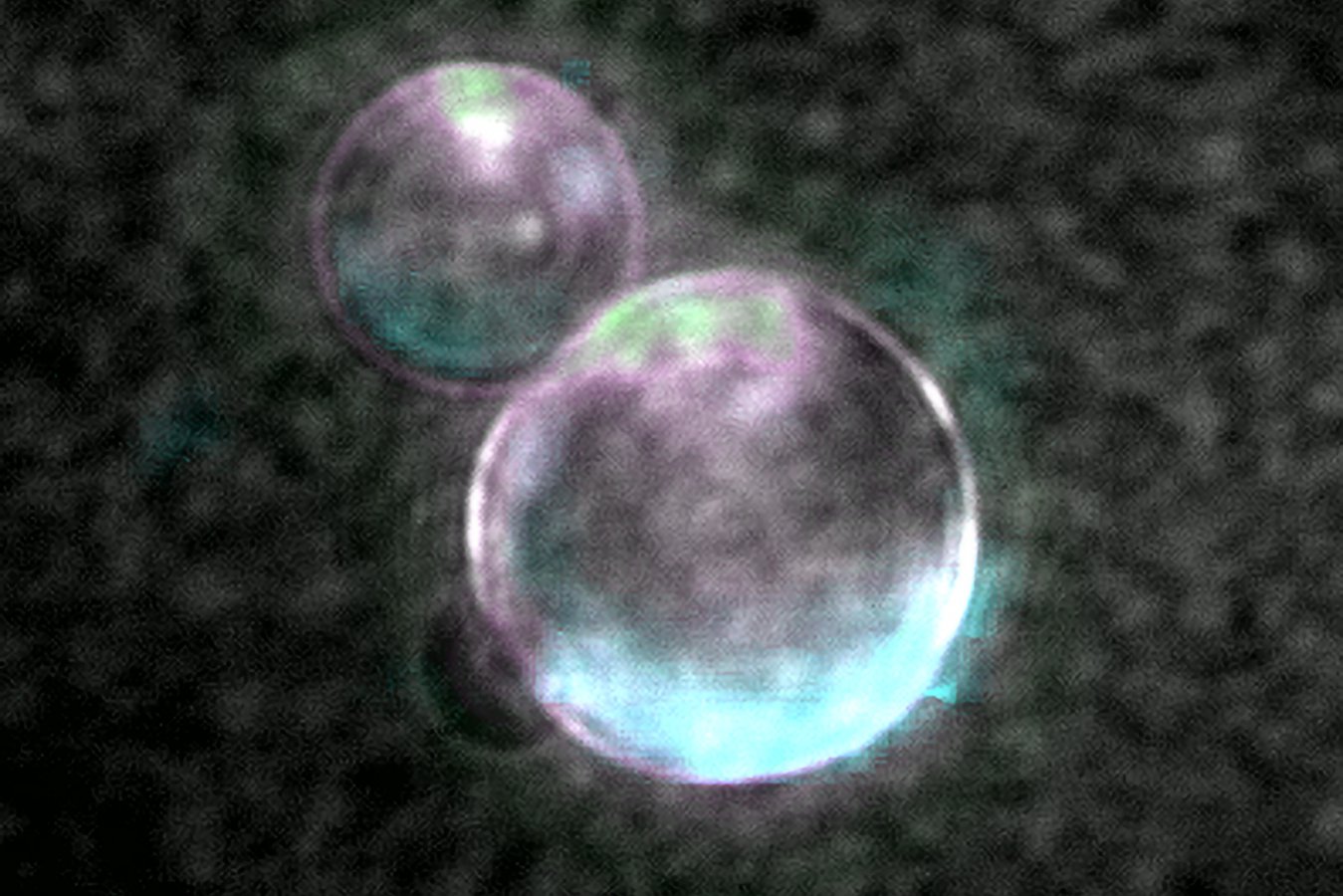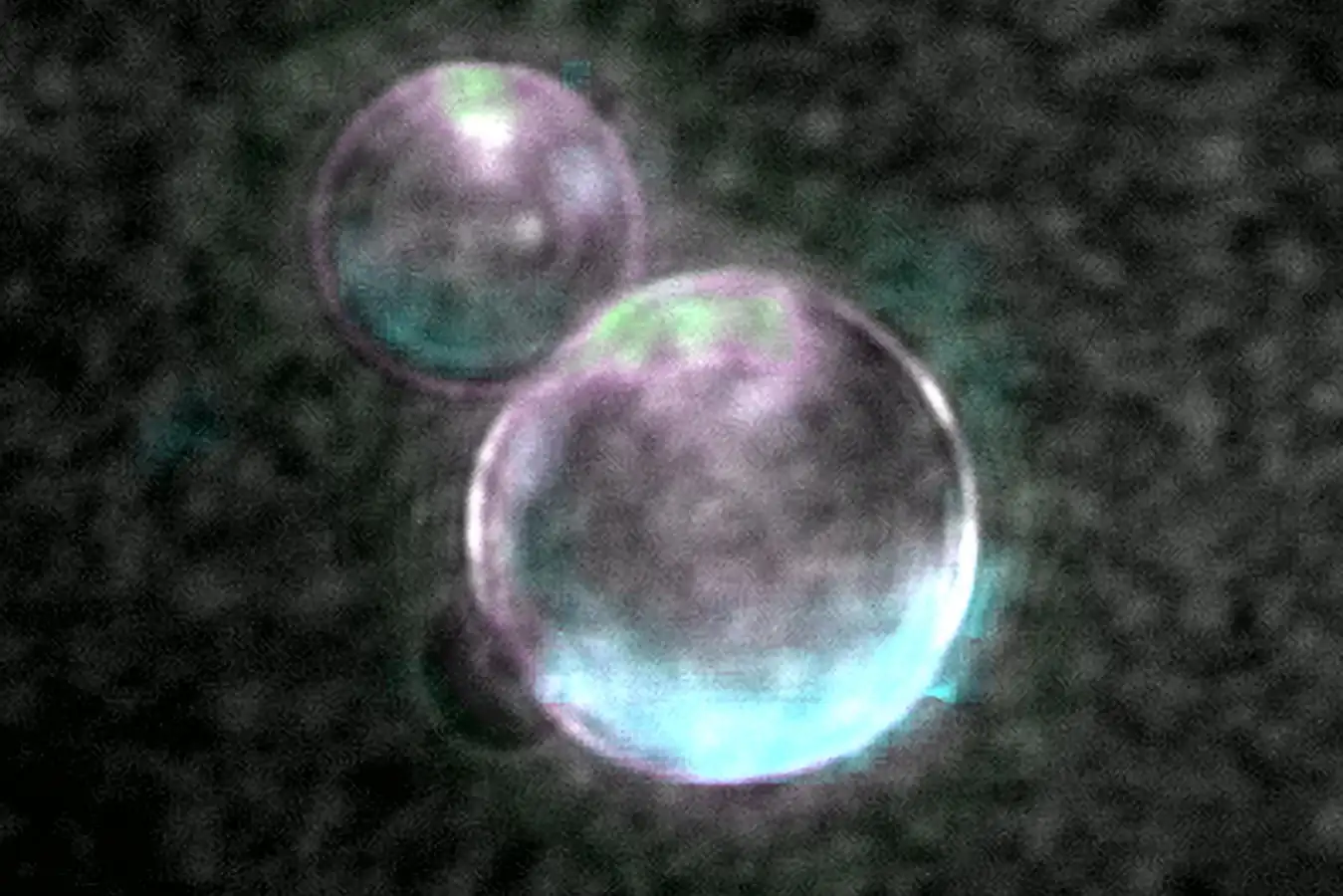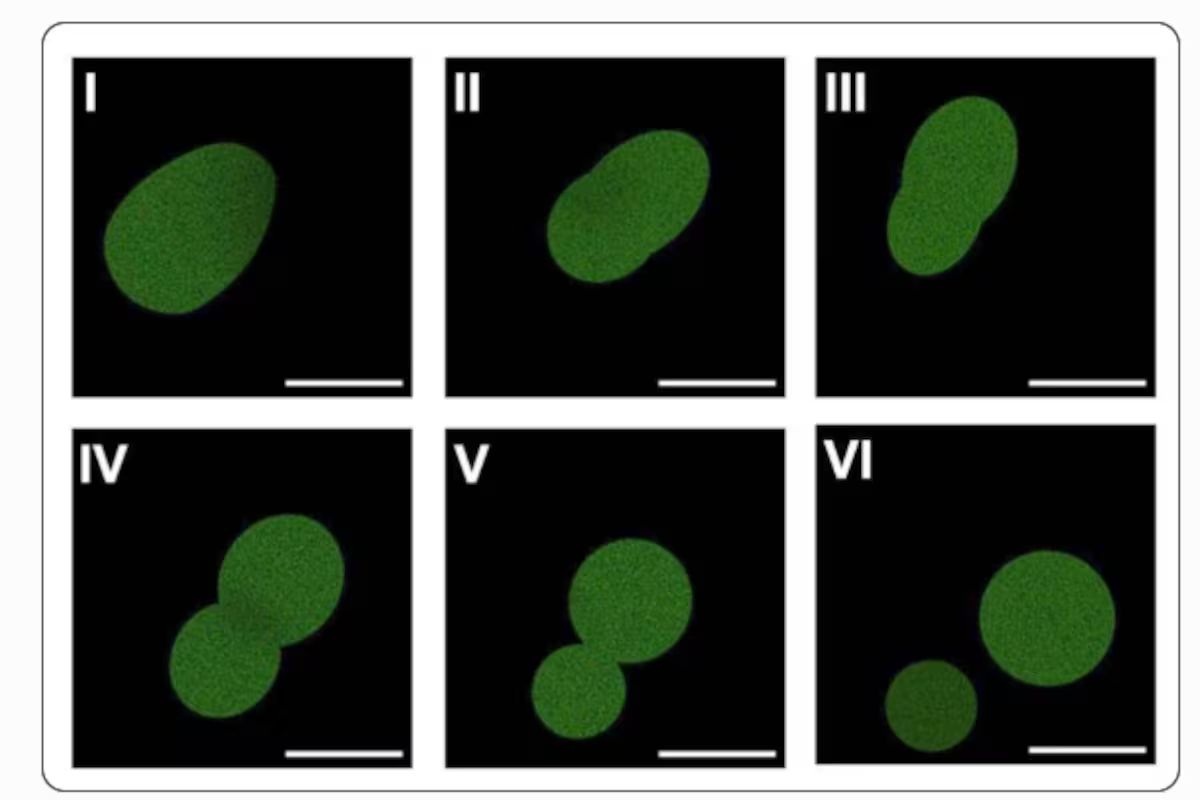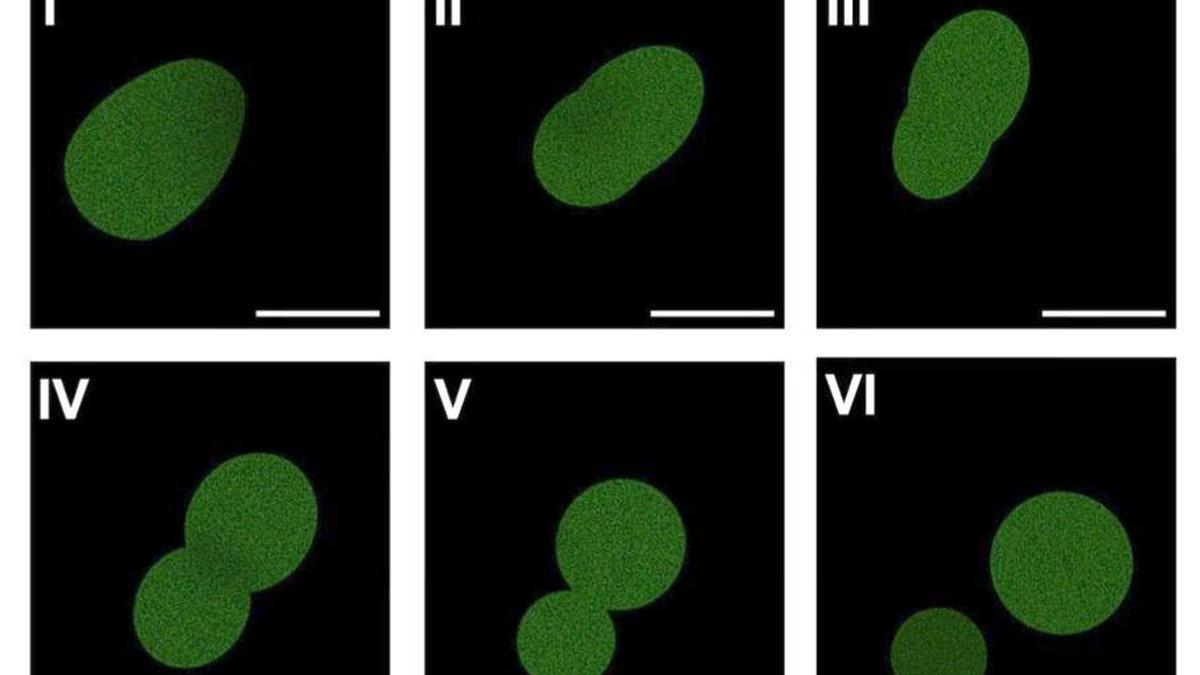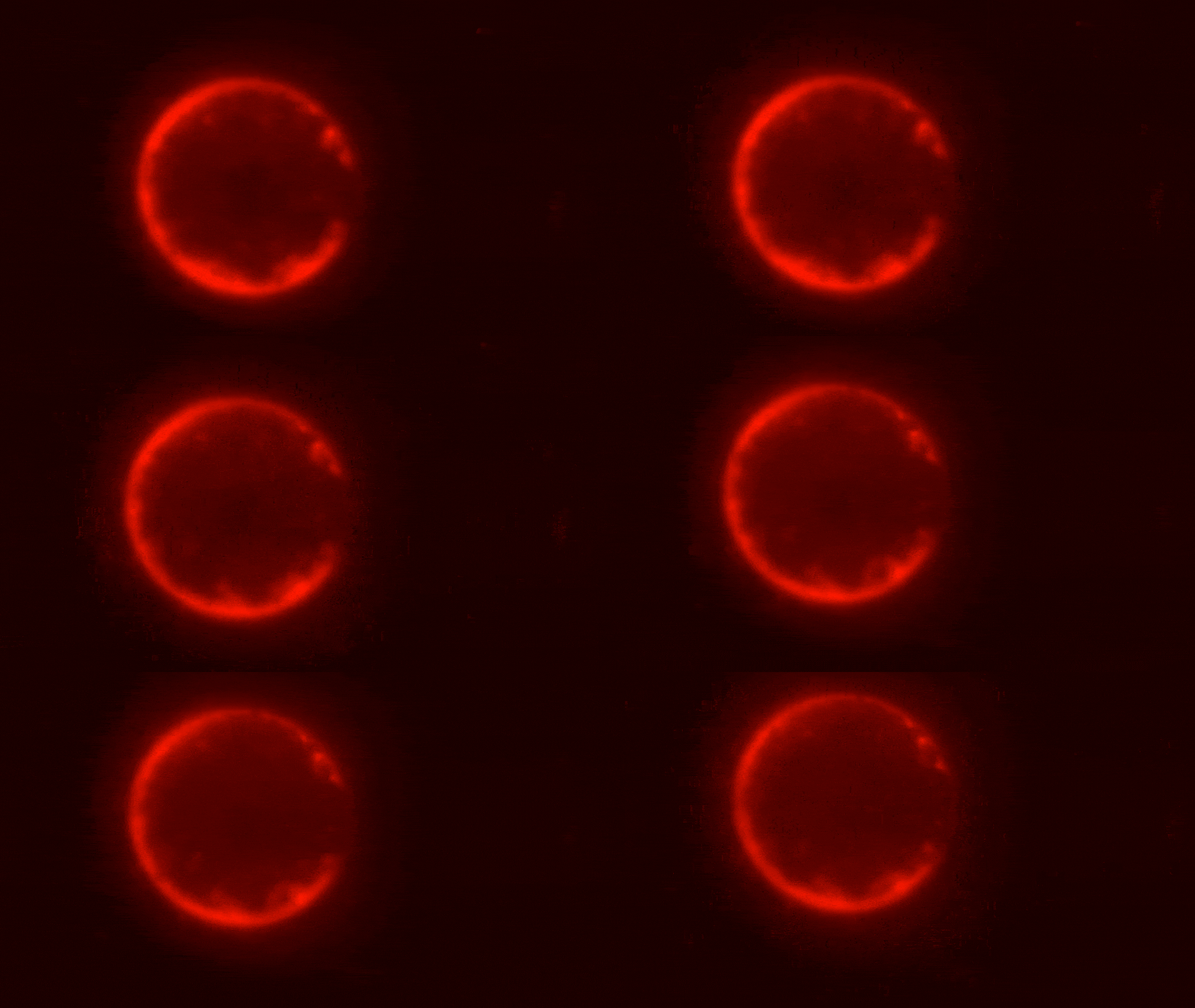
Researchers at the University of Minnesota have built a lab-made blob called "SpudCell" that eats, grows, copies its own genetic code and splits into two, all without ever having been alive to begin with. Made entirely from lifeless chemicals and shaped like a tiny potato, SpudCell is being called one of the closest things yet to creating life from scratch in a lab. It cannot yet be called "alive," scientists say, but the line separating chemistry from biology has never looked thinner.Also Read: A 148-million-year-old Jurassic fossil discovered in China may have solved one of evolution's biggest mysteries about how birds evolved from dinosaursThe breakthrough matters because SpudCell is not a living organism that was stripped down to its basics, it is a brand-new structure built up piece by piece from raw ingredients. That distinction is turning heads in the world of synthetic biology, where scientists have spent decades trying to figure out exactly what a cell needs to count as "living."What Exactly Is SpudCell?SpudCell starts out as a soup, a mix of roughly a hundred different proteins and small chemical compounds, stirred together with a handful of genes borrowed from a virus and from E. coli bacteria. Tiny fat-based building blocks called lipids float into this mixture and, on their own, curl up into little bubbles, sealing off small pockets of the soup inside.Most of these bubbles do nothing much. But every so often, one traps just the right mix of genes and proteins inside its lipid shell. When that happens, something remarkable kicks off: the bubble starts pulling in nutrients, building proteins using ribosomes supplied by the researchers, growing bigger, and eventually splitting into two. It is a full birth-to-division life cycle, playing out inside a structure that was never alive in the first place.Why Scientists Are ExcitedSpudCell is not the first synthetic cell ever made. But it is the first one built from the ground up, using nonliving chemical parts, that has been shown to grow and divide across multiple generations. Earlier lab-made "minimal cells" worked the opposite way: scientists took an actual living organism and stripped away parts until only the essentials remained. SpudCell skips the living organism altogether.That difference is a big deal. It means researchers are getting closer to answering a question that has puzzled biologists for generations — what is the bare minimum a cluster of chemicals needs to behave like a living cell?Where SpudCell Still StrugglesFor all its tricks, SpudCell cannot survive without constant human help. It has no way of building its own ribosomes, the molecular machinery that manufactures proteins, so scientists have to keep feeding it ready-made ones from outside. Those borrowed ribosomes wear out over time, which means a single SpudCell lineage can only limp along for about five to ten generations before it stops functioning.Its genetic material is also far from tidy. SpudCell's genome spans only around 90,000 base pairs, split across seven separate pieces of DNA, and there is no guarantee that a complete set gets passed down every time the cell divides. This is exactly why researchers are holding back from calling SpudCell "alive" — it can perform many of life's signature moves, but it cannot yet do them independently or reliably pass them on.Also Read: Scientists believed 'junk DNA' served no purpose but a new study says some of it actually helps stop cancer cells from growingThe team's next goals are clear: teach SpudCell to build its own ribosomes, make sure its genetic material copies over properly to offspring, and cut down its reliance on outside help. Pull that off, and future generations of SpudCell could keep going far longer, and start looking a lot more like the real thing.Even in its current, dependent state, SpudCell is being seen as a landmark moment for bottom-up synthetic biology. It is not proof that scientists have created life, but it is a convincing, engineered stand-in that reproduces the core moves of a living cell.Working with a stripped-down system like this lets researchers strip away the usual biological clutter and test, piece by piece, exactly which genes and structures are truly necessary for a cell to function. That kind of clarity could ripple outward into medicine, carbon capture technology, and the design of entirely custom biological machines built for specific jobs.To keep the momentum going, the team behind SpudCell has launched an open research initiative called Biotic, inviting other scientists around the world to reproduce, question and build on their work.
Scientists create artificial life from chemicals, and it eats, grows, and divides like the real thing
Scientists at the University of Minnesota have engineered "SpudCell," a lab-made entity from lifeless chemicals that mimics key life processes like eating, growing, and dividing. This groundbreaking creation, resembling a tiny potato, represents a significant step in understanding the fundamental requirements for life. While not yet considered alive due to its dependence on external components, SpudCell offers unprecedented insights into synthetic biology and the potential for designing custom biological machines.
743 words~3 min read