HomeAI · summaries
Storia in 17 fonti
Scientists create artificial life from chemicals, and it eats, grows, and divides like the real thing
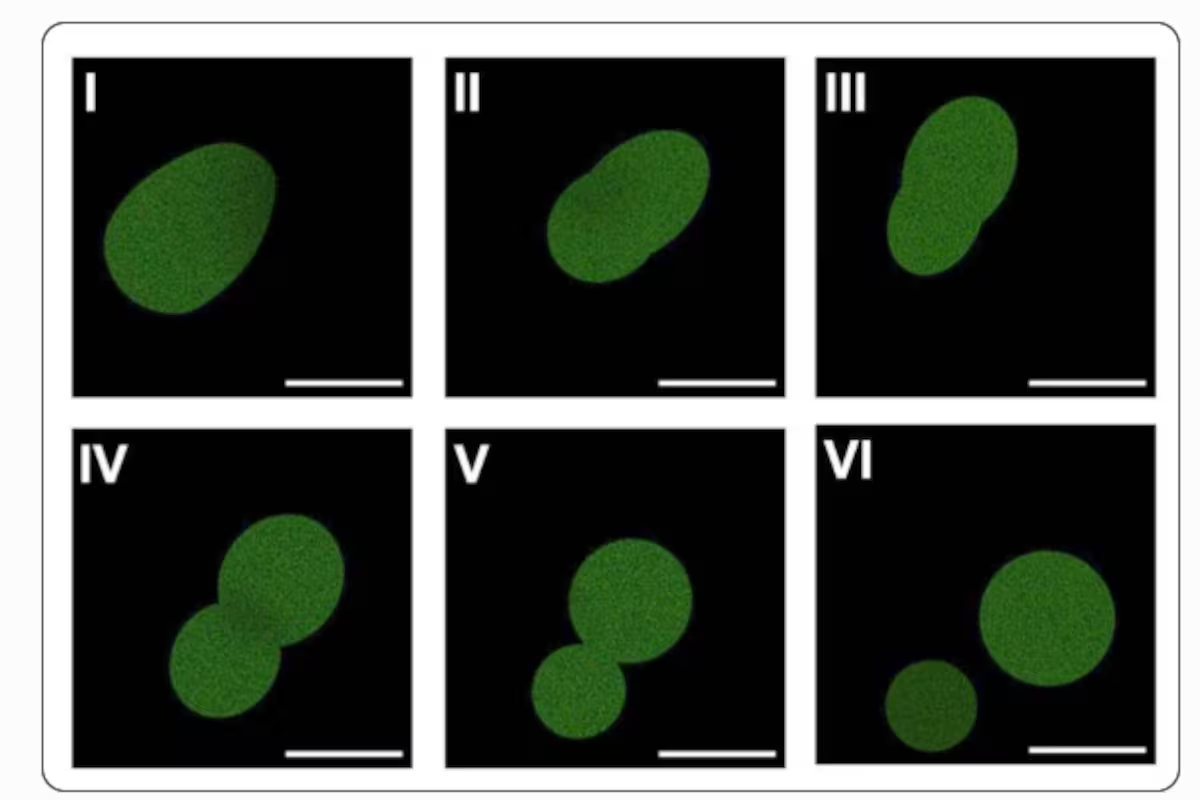
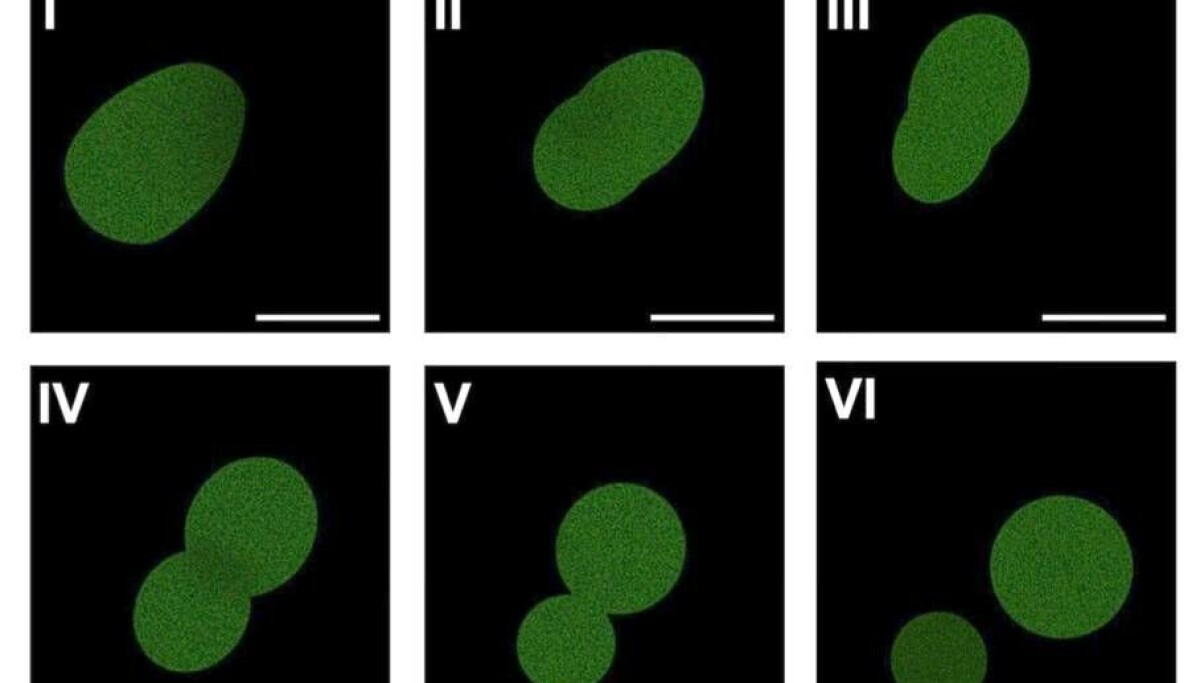
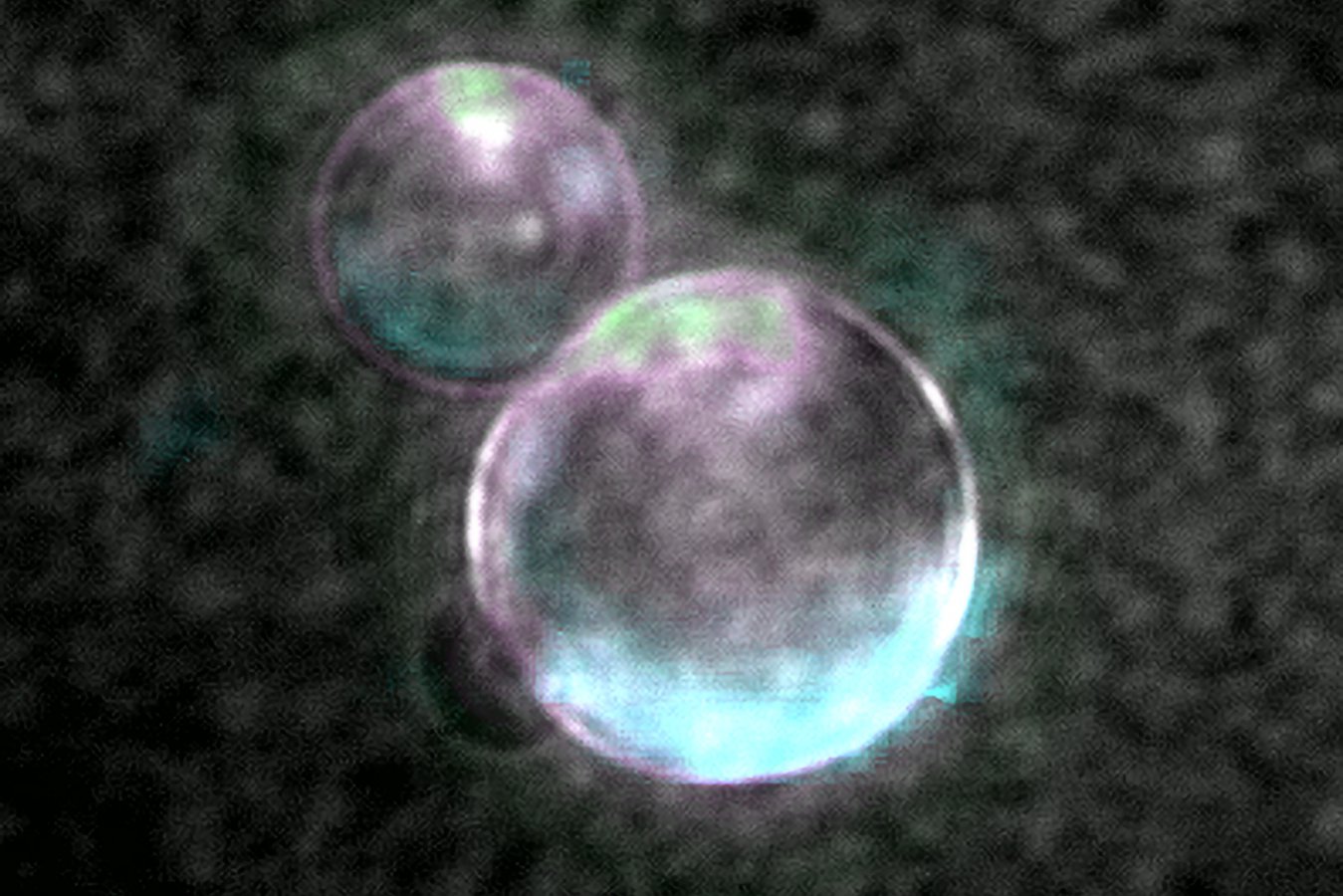
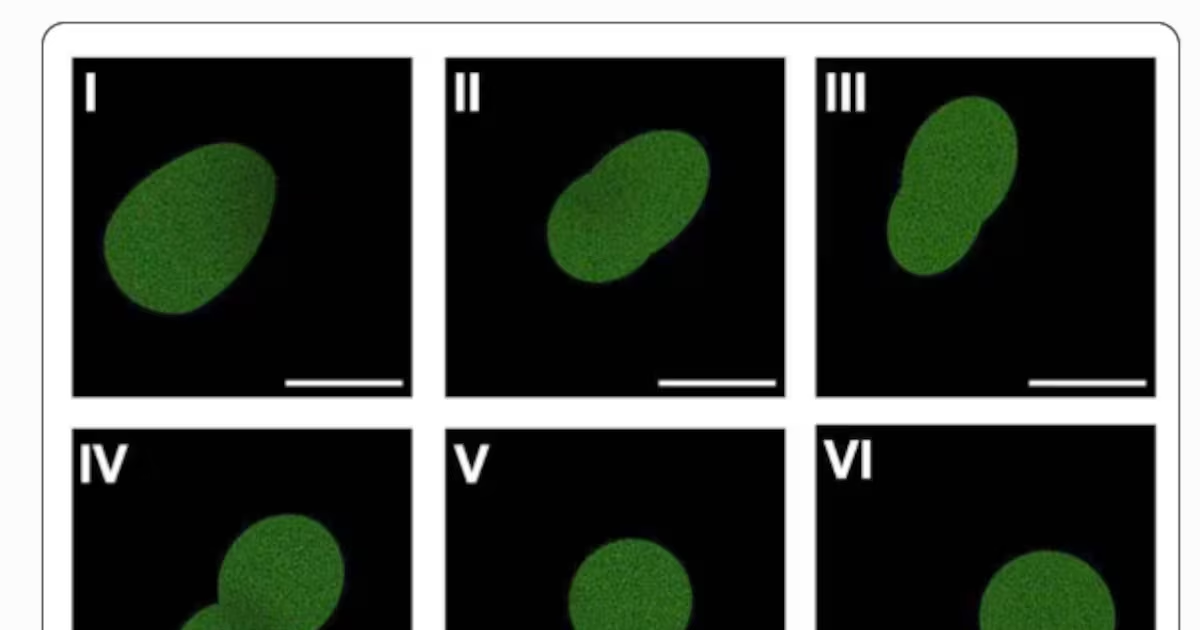
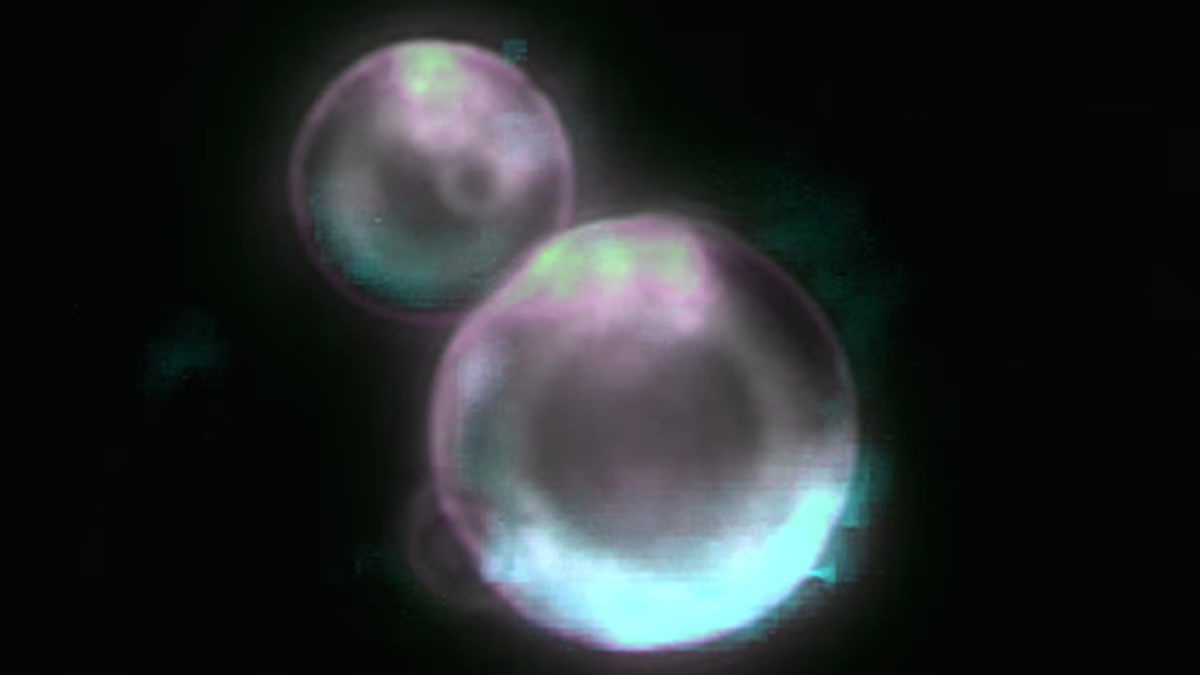
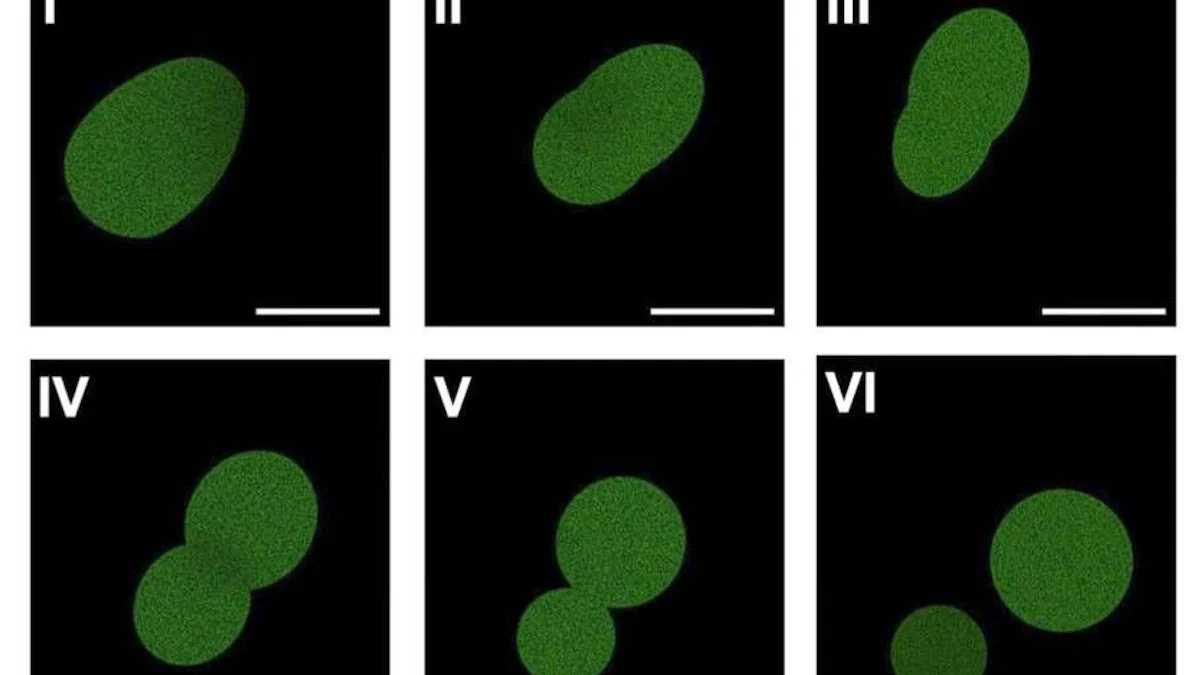
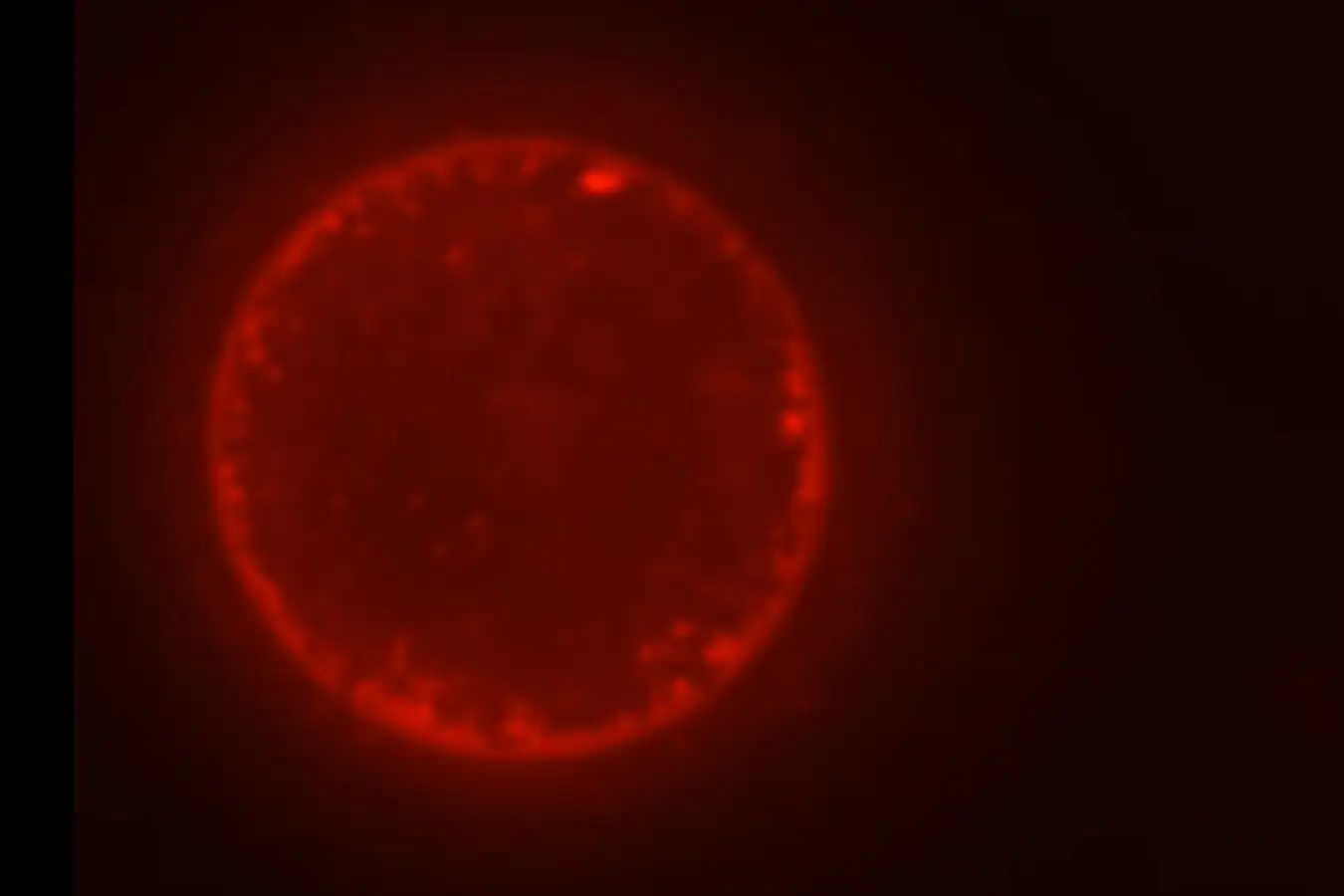
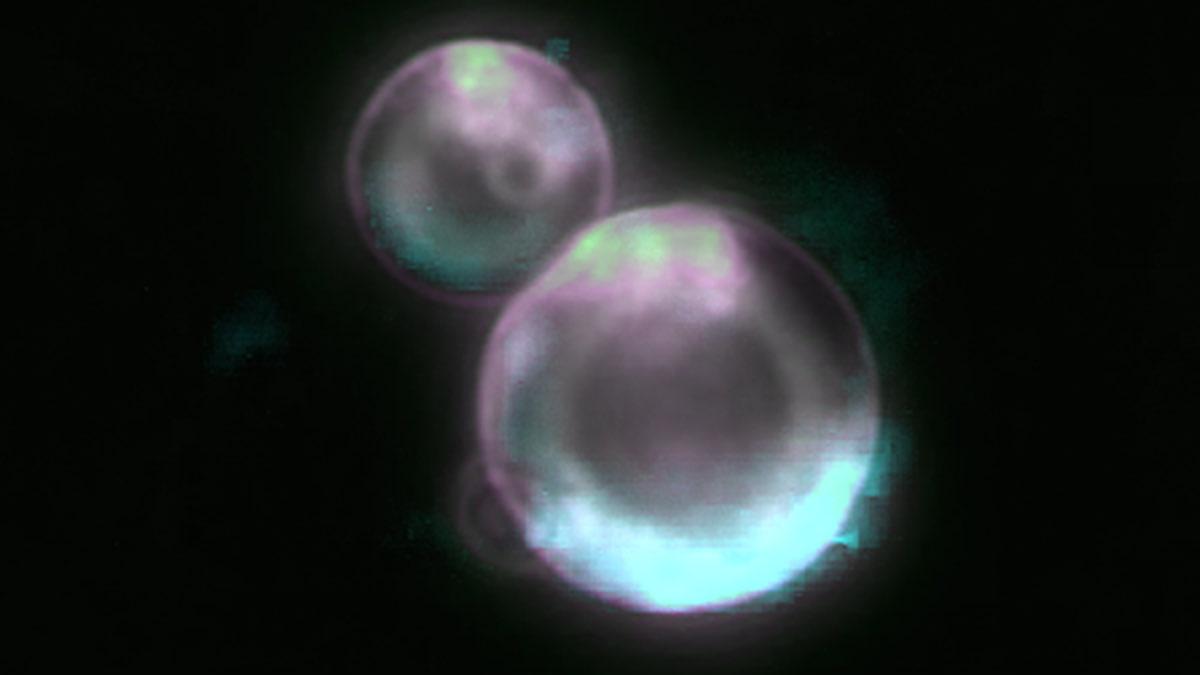
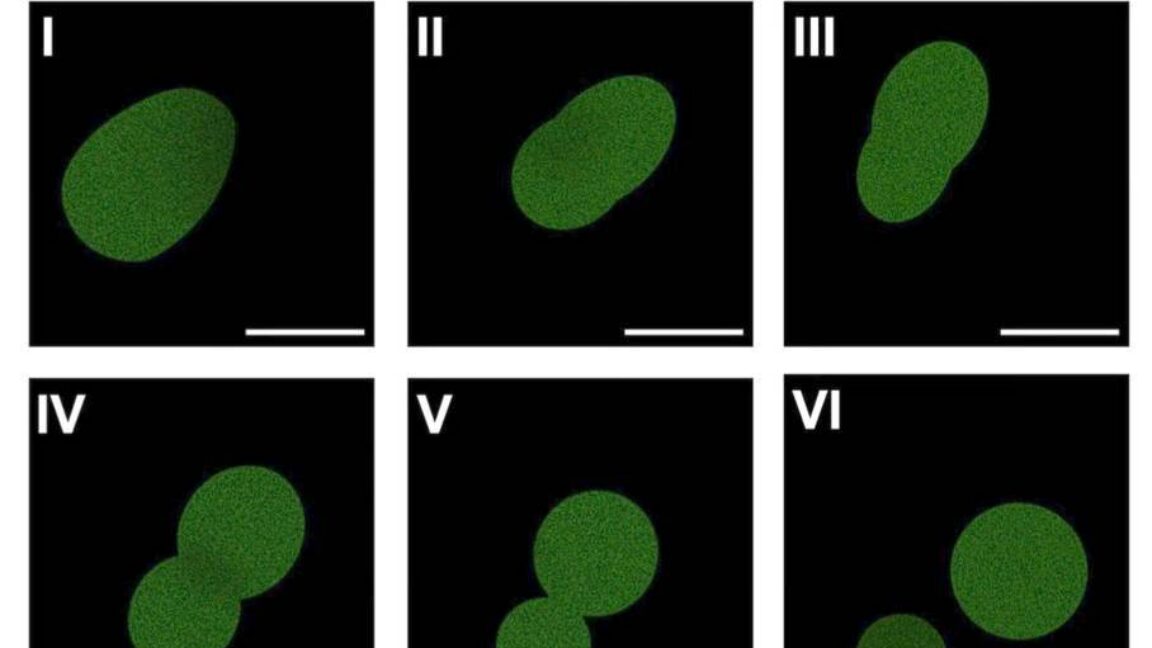
Scientists at the University of Minnesota have engineered "SpudCell," a lab-made entity from lifeless chemicals that mimics key life processes like eating, growing, and dividing. This groundbreaking creation, resembling a tiny potato, represents a significant step in understanding the fundamental requirements for life. While not yet considered alive due to its dependence on external components, SpudCell offers unprecedented insights into synthetic biology and the potential for designing custom biological machines.
Confronto fonti
6 prospettive sulla stessa storiaTimeline cronologica
- ·
nytimes.com
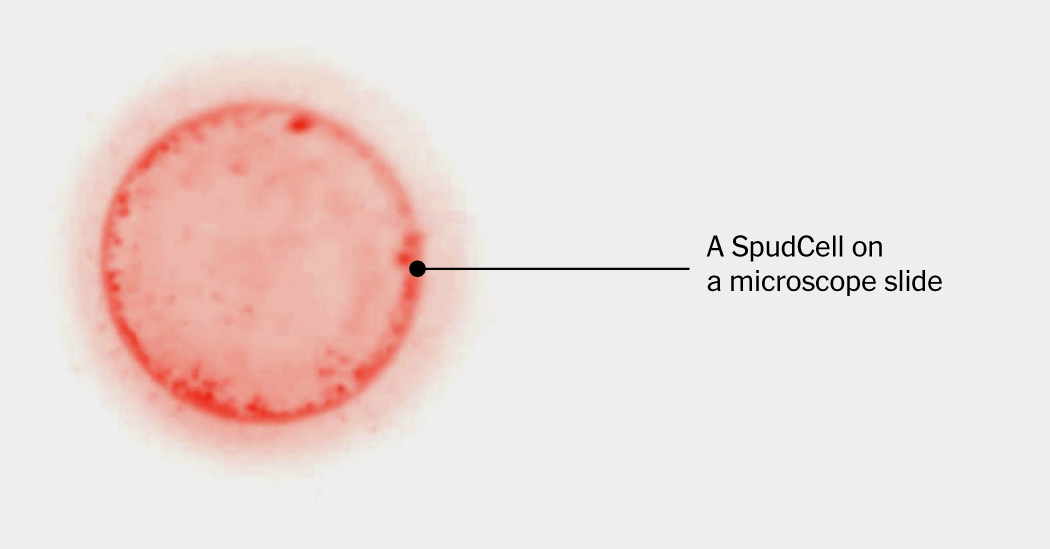
This Cell Feeds, Grows and Reproduces. And It’s Manmade.
From chemical building blocks, scientists have created synthetic cells that have most of the hallmarks of life.
- ·
theguardian.com
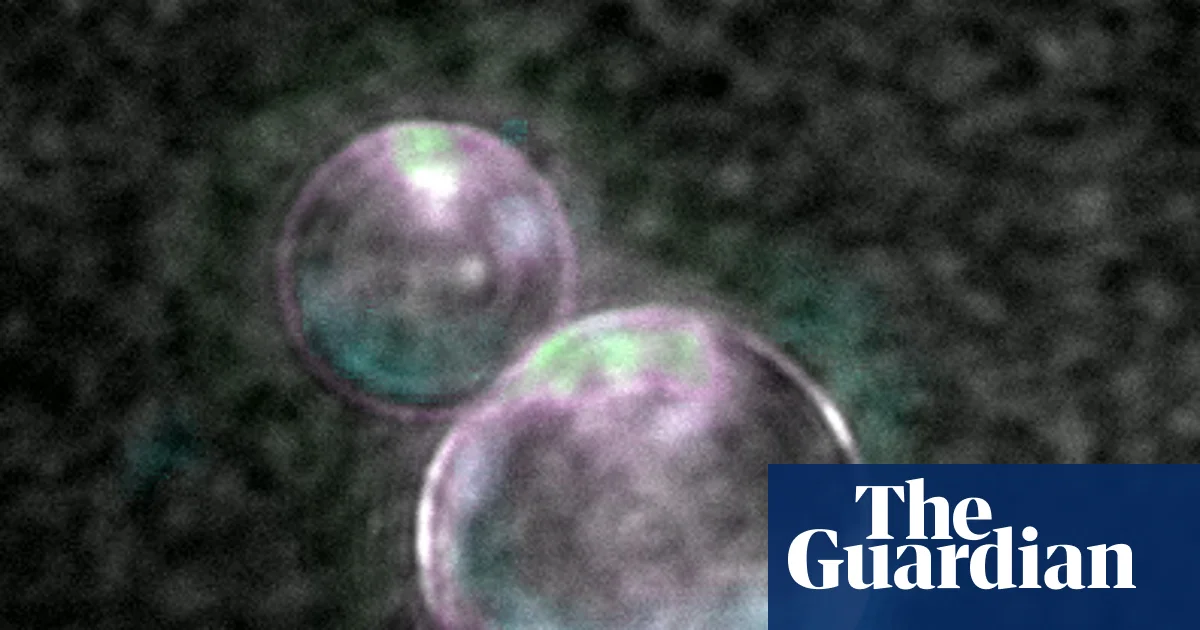
‘Beautiful blobs’: synthetic life a step closer as scientists make cells using lab-made DNA
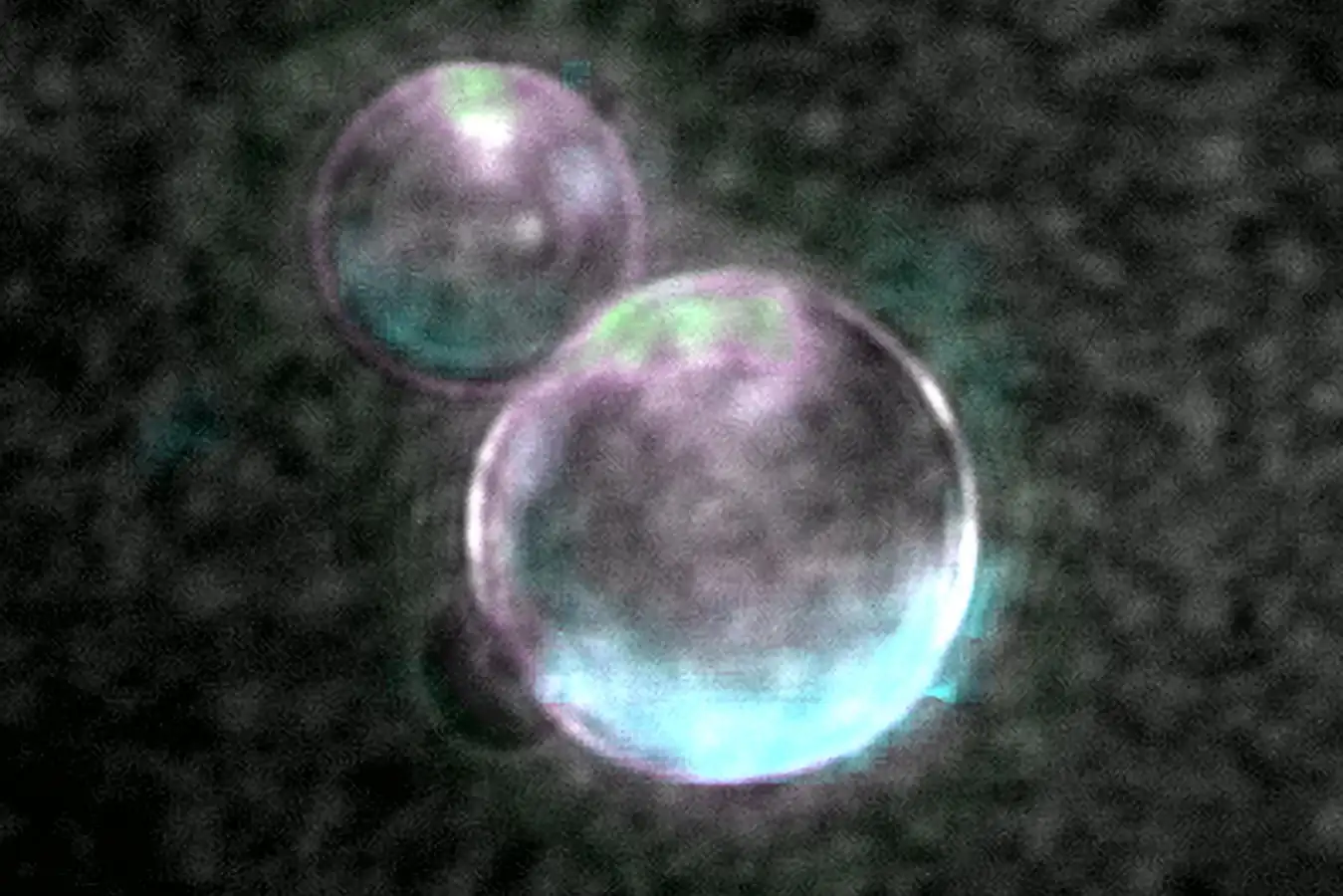
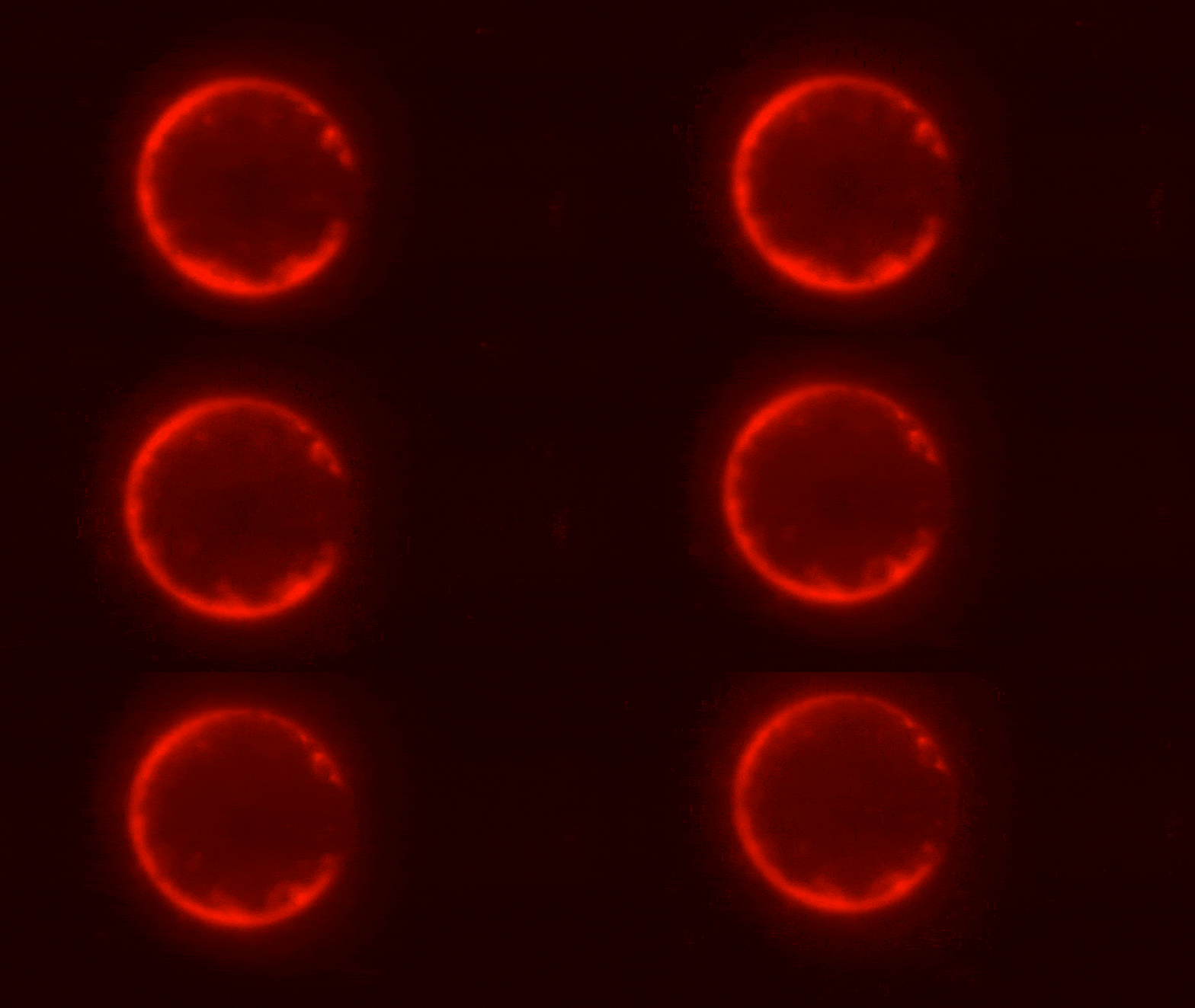
Tiny, quivering spheres designed to feed and multiply raise prospect of artificial organisms to make drugs, food and fuel