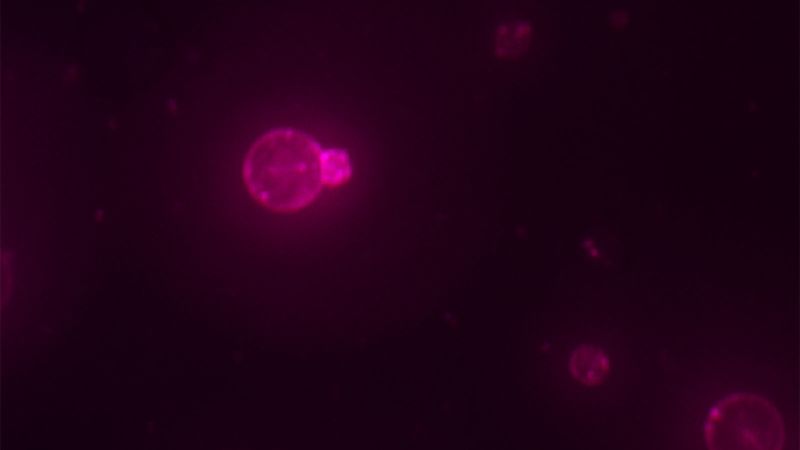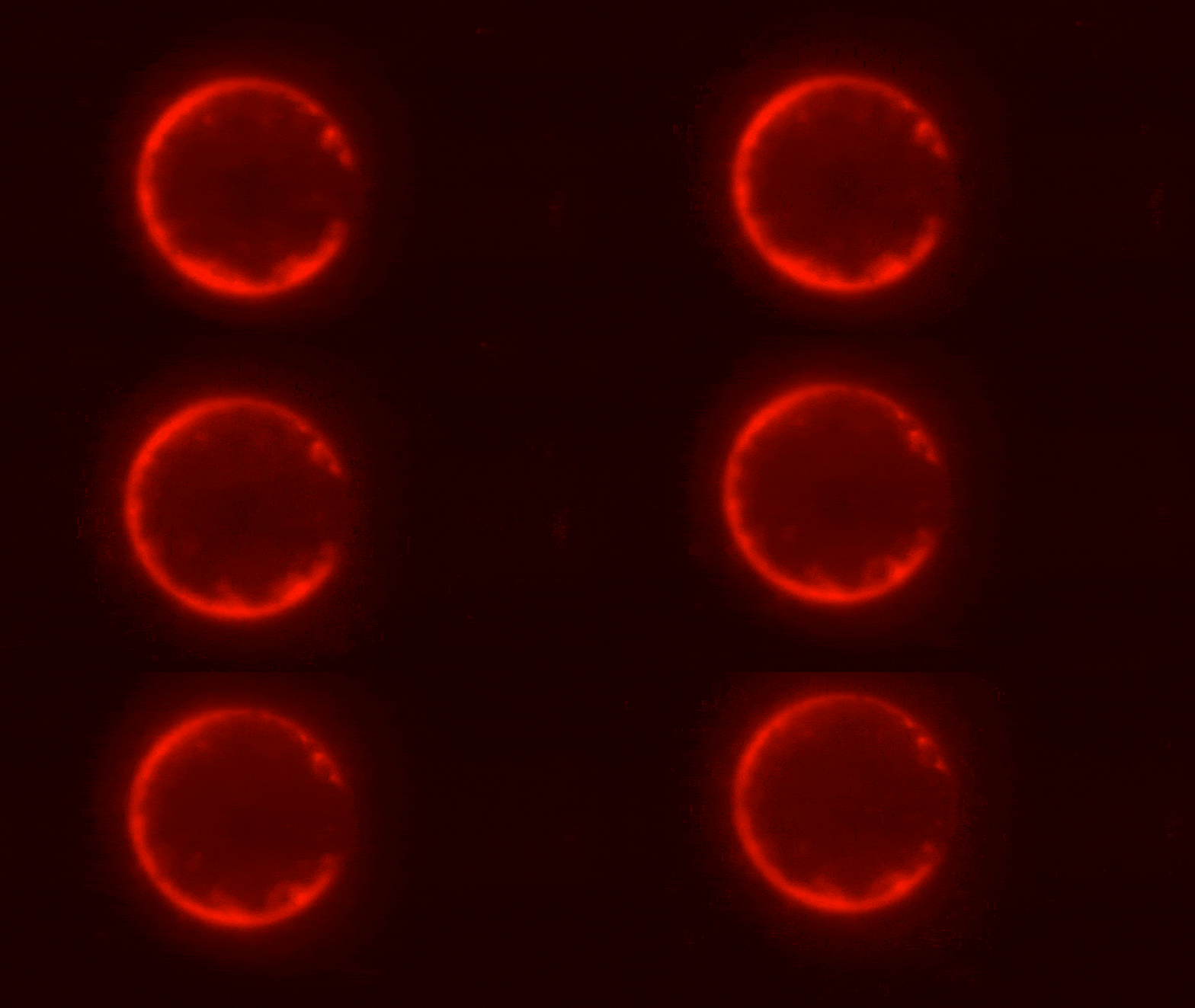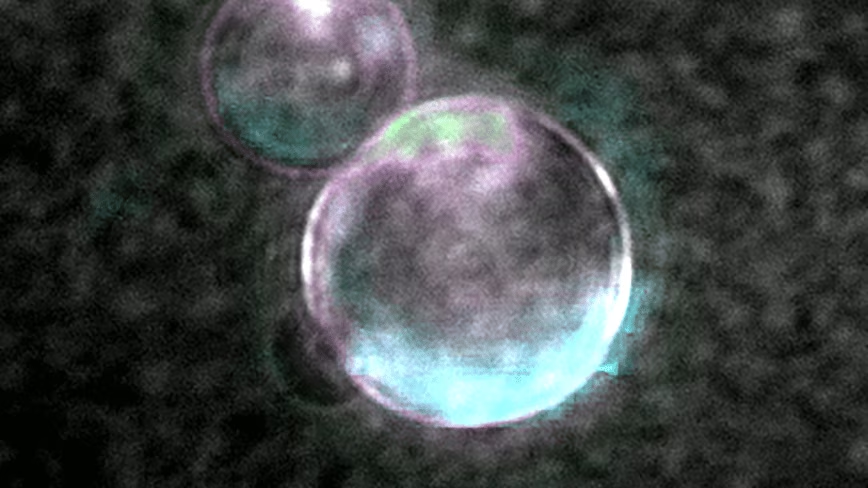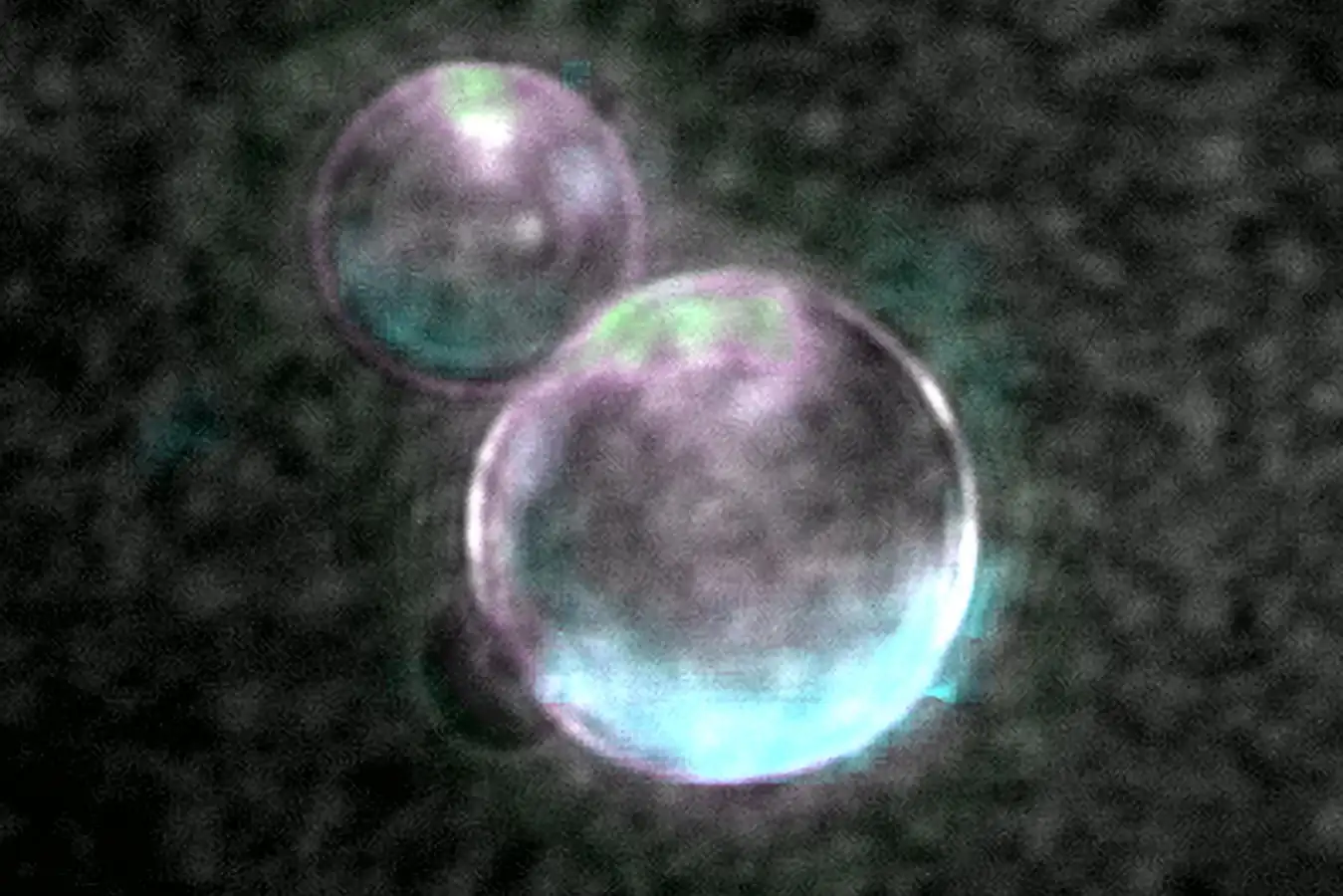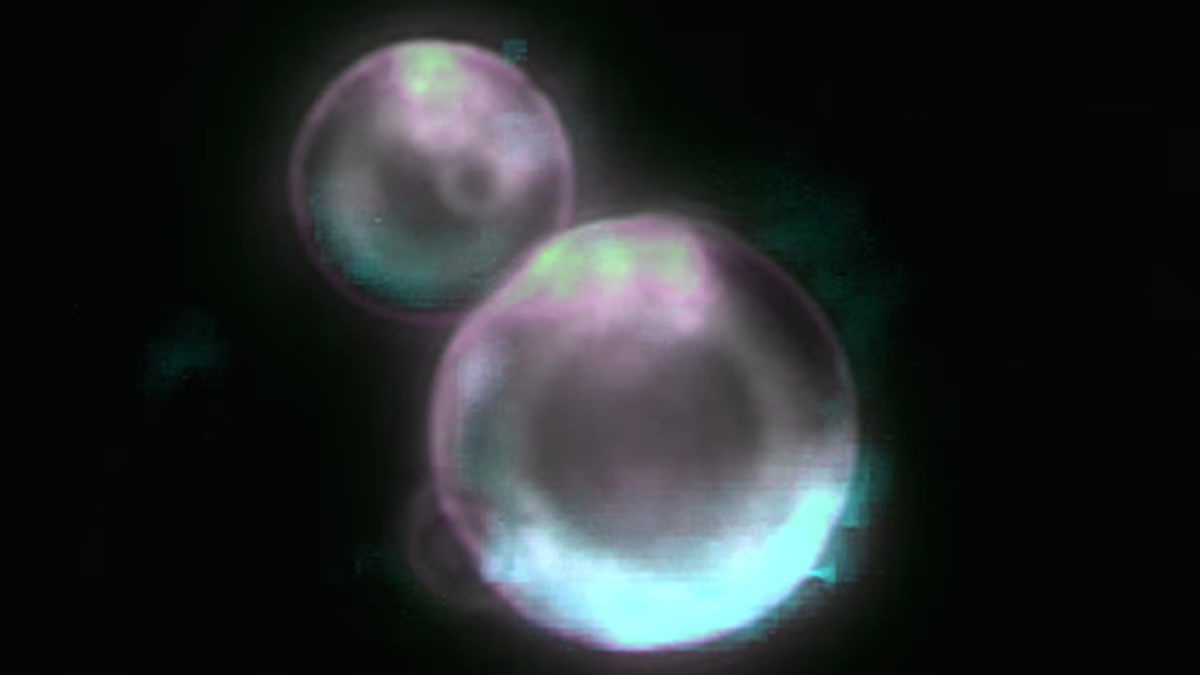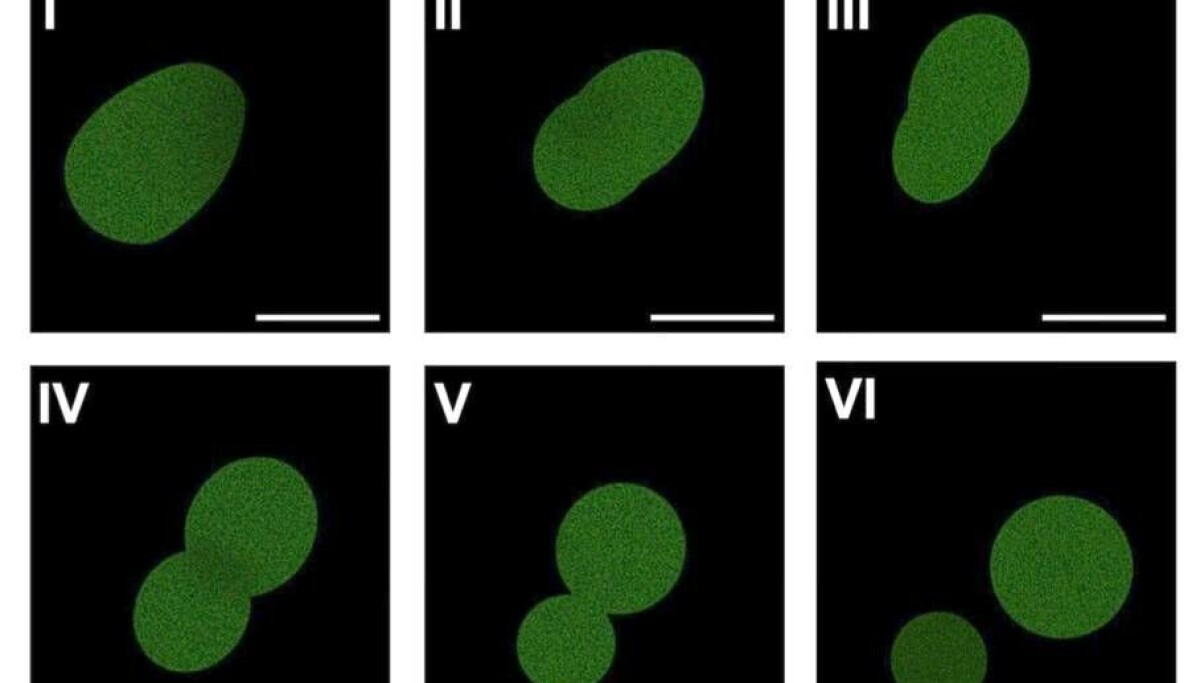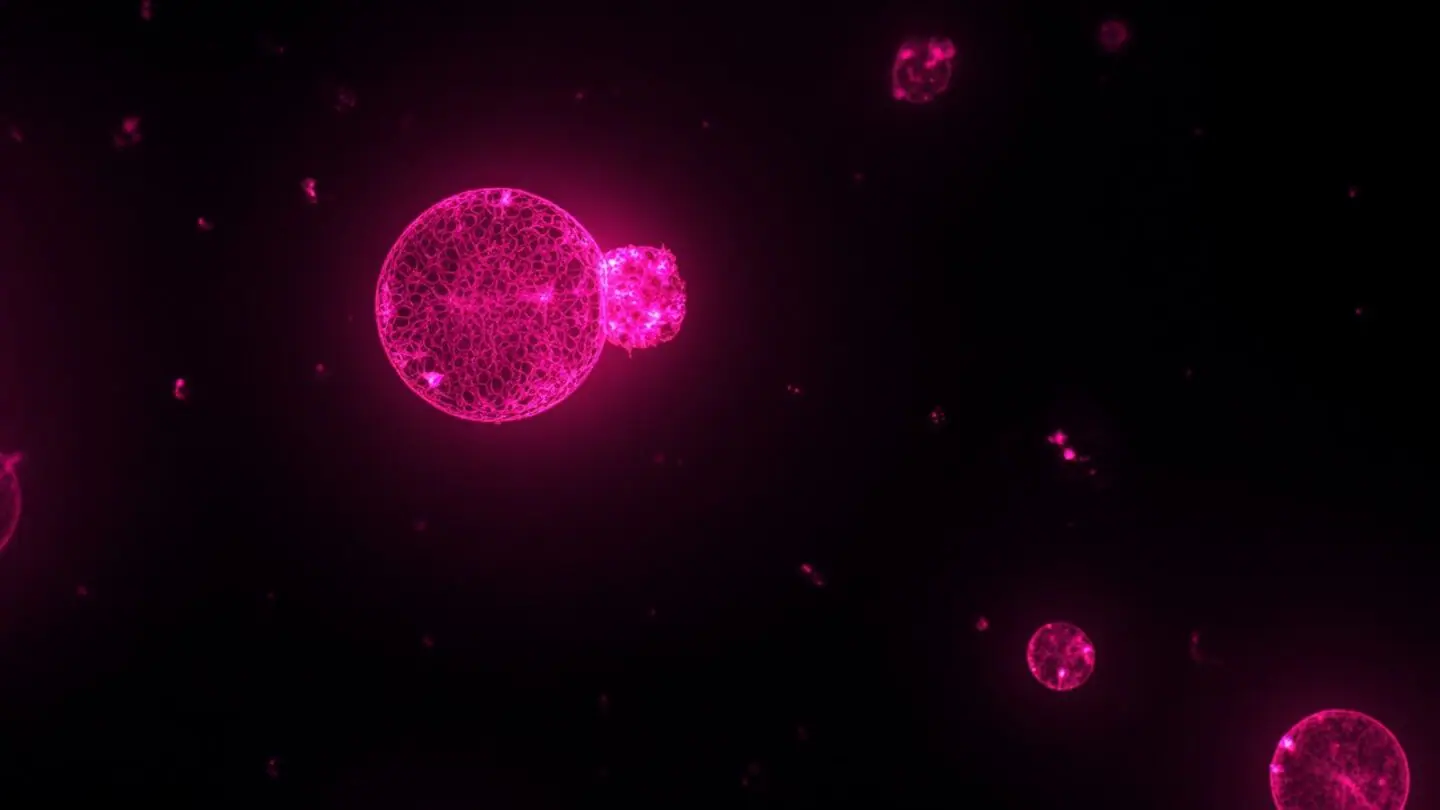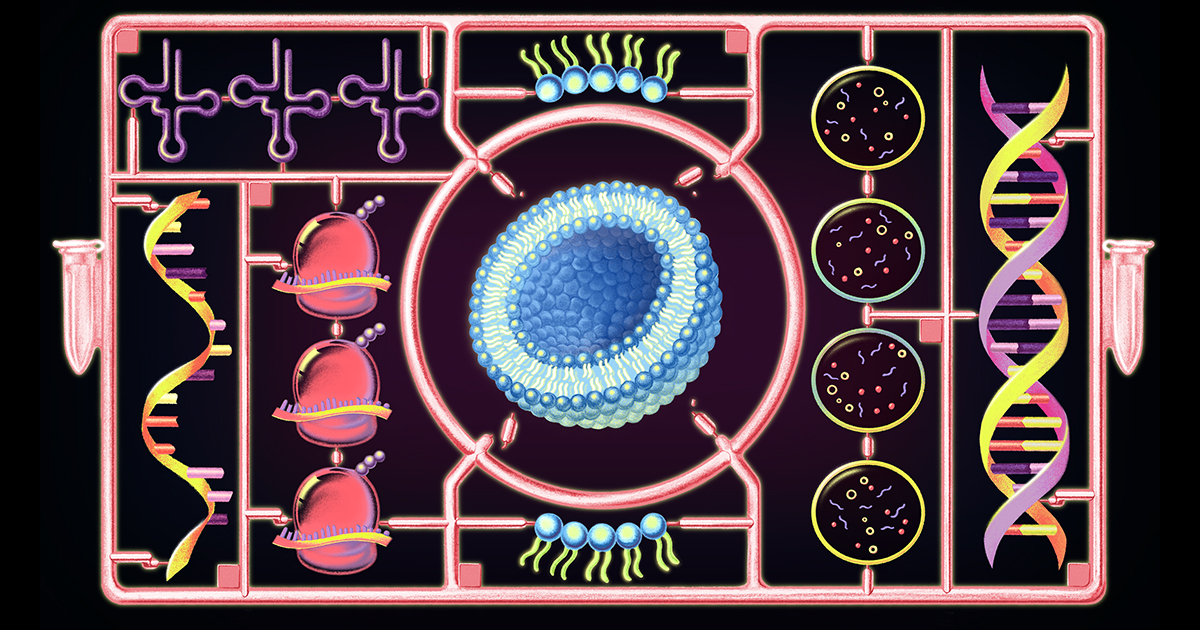
Scientists say they have developed the world’s first synthetic cell with a complete life cycle, built entirely from non-living chemical components, in a breakthrough which could open the door to creating living organisms from scratch.The project’s result, called SpudCell, can feed, grow and replicate like an organic cell. It was the work of associate professors Kate Adamala and Aaron Engelhart and their teams at the University of Minnesota’s College of biological sciences.“This is likely the most exciting project I've ever worked on,” said Prof Adamala.“We’ve replicated in chemistry what only used to be possible in biology: the complete set of behaviours of a cell.“It proves that the most fundamental functions of life, like growth and replication, do not need a mysterious magical spark.”SpudCell can replicate a biological cell’s life cycle - capable of selection, genome replication, growth, feeding, and genetically-encoded division.Whereas natural cells divide using internal scaffolding called a cytoskeleton, which has been a bottleneck in synthetic cell research, the scientists said SpudCell sidesteps the need for a cytoskeleton with proteins that crowd together on the membrane surface until the mechanical stress makes it split. Researchers introduced a genetic change that increased production of the fusion protein, resulting in cells that grew faster and produced more offspring.SpudCell’s modular structure allows the team to “program” various functions of the cell independently.With continued development, SpudCell and its successors will be capable of increasingly complex functions and behaviours, they said.“This work is just the beginning,” Prof Adamala added.Fluorescent microscopy of SpudCell - a synthetic cell assembled entirely from non-living chemical components - undergoing division (Kate Adamala, Adamala Lab)“We are showing it’s possible to engineer the basic functions of the cell. To fully realise the promise of this technology – to make it robust and practical – we need combined international effort.“The role of Biotic is to focus engineering efforts and make them compatible with a shared chassis. SpudCell is that chassis, and with Biotic setting the protocols for collaboration, we are eager to start applying this technology to serious challenges.”Much work remains to turn the construction of individual SpudCells into a true engineering pipeline.The cell’s seven DNA plasmids (molecules) need to be consolidated into a single, more stable genome, and further molecular machinery needs to be built.Prof Adamala and her colleagues believe there is also an infrastructure challenge, since different labs do not have shared standards for a working cell.“This was exceptionally difficult work to scale,” she said. “The knowledge in this space is very hard to explain, so we had collaborators on the project fly in for in-person demonstrations just to get particular techniques working.“That’s not scalable. Any engineering discipline needs modularity. In our case, we believe those modules must be built in the open: an infrastructure foundation built privately just gives someone a toll booth.”Most manufactured chemical products, such as medicines, materials, and industrial chemicals require molecular transformations through co-opting natural cells, or using harsh industrial chemistry with high energy costs. However, the scientists claim that cells built from scratch could perform molecular transformations that industrial chemistry cannot.
Scientists claim they have developed a cell from scratch for first time
It was built from non-living chemical components but can replicate a biological cell’s life cycle
507 words~2 min read