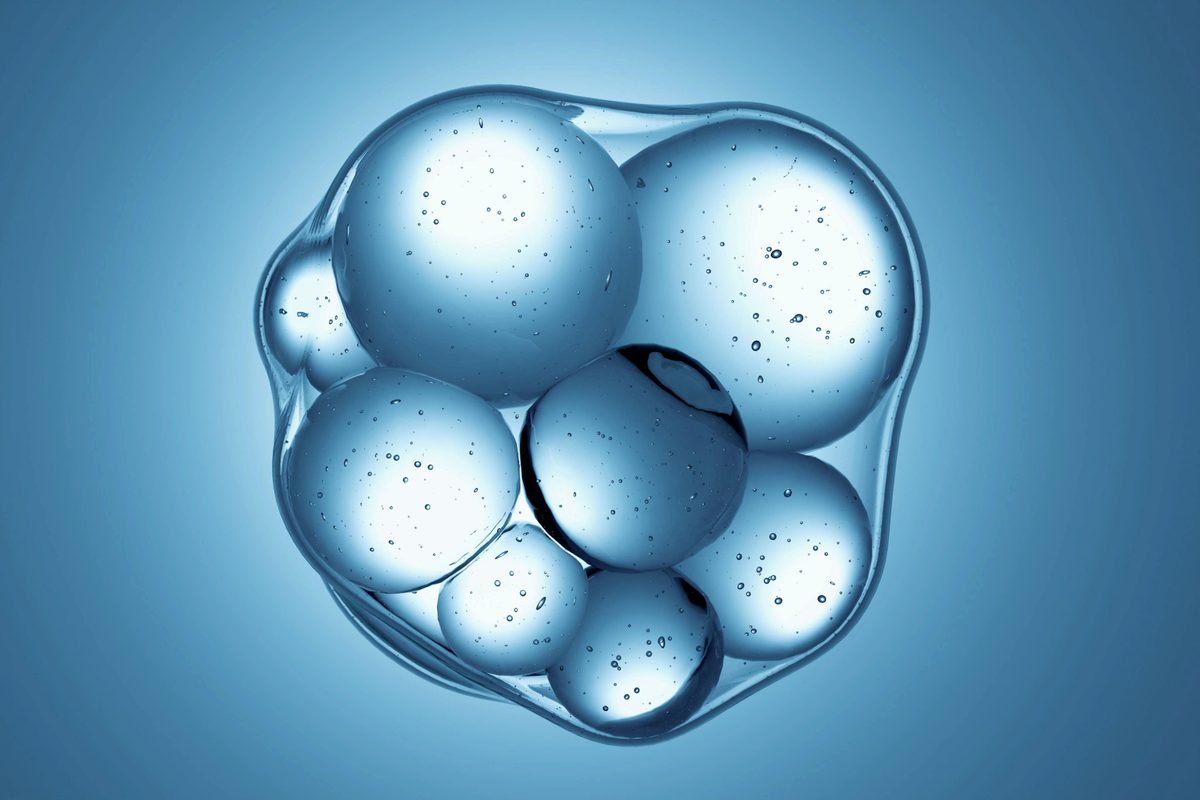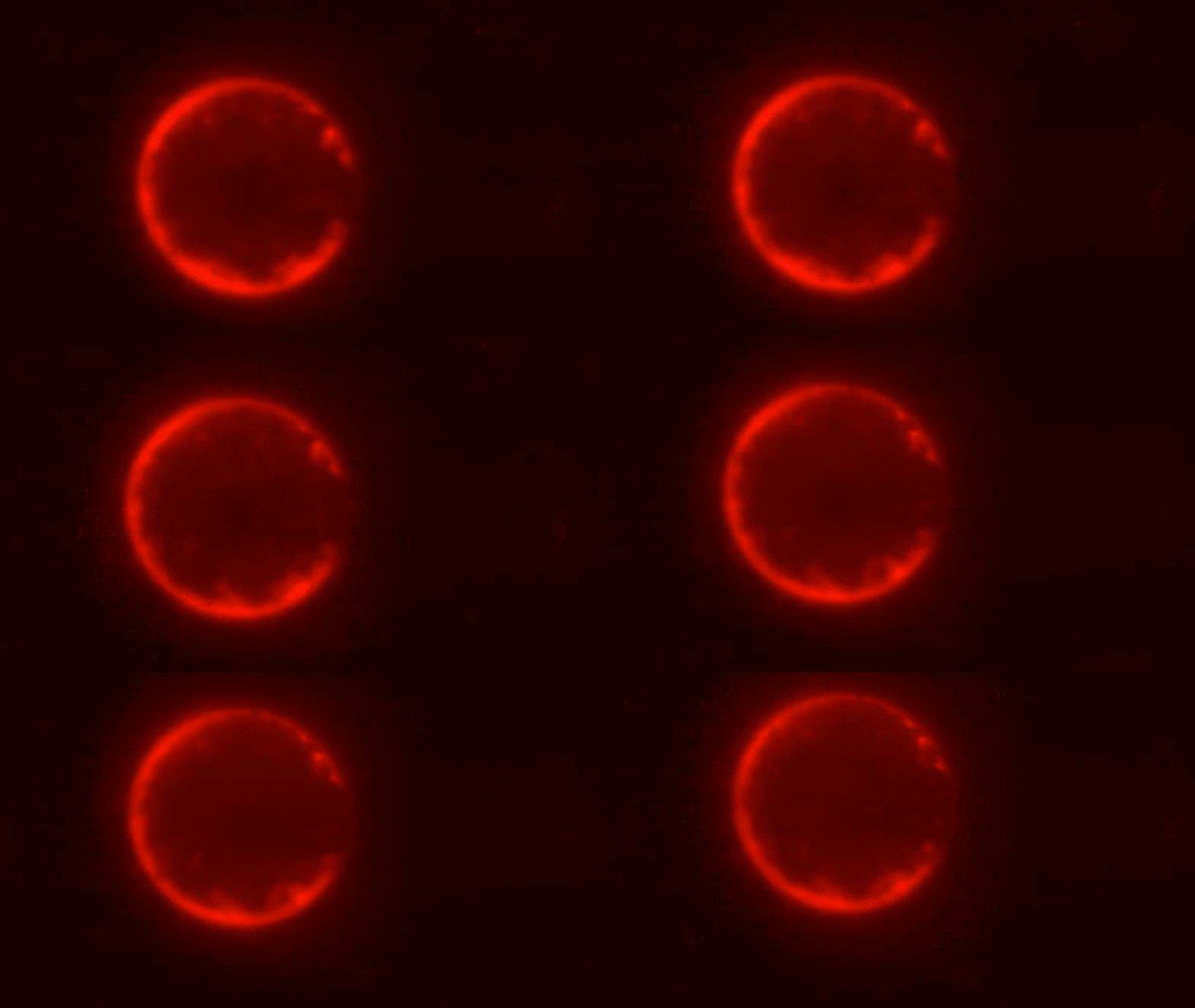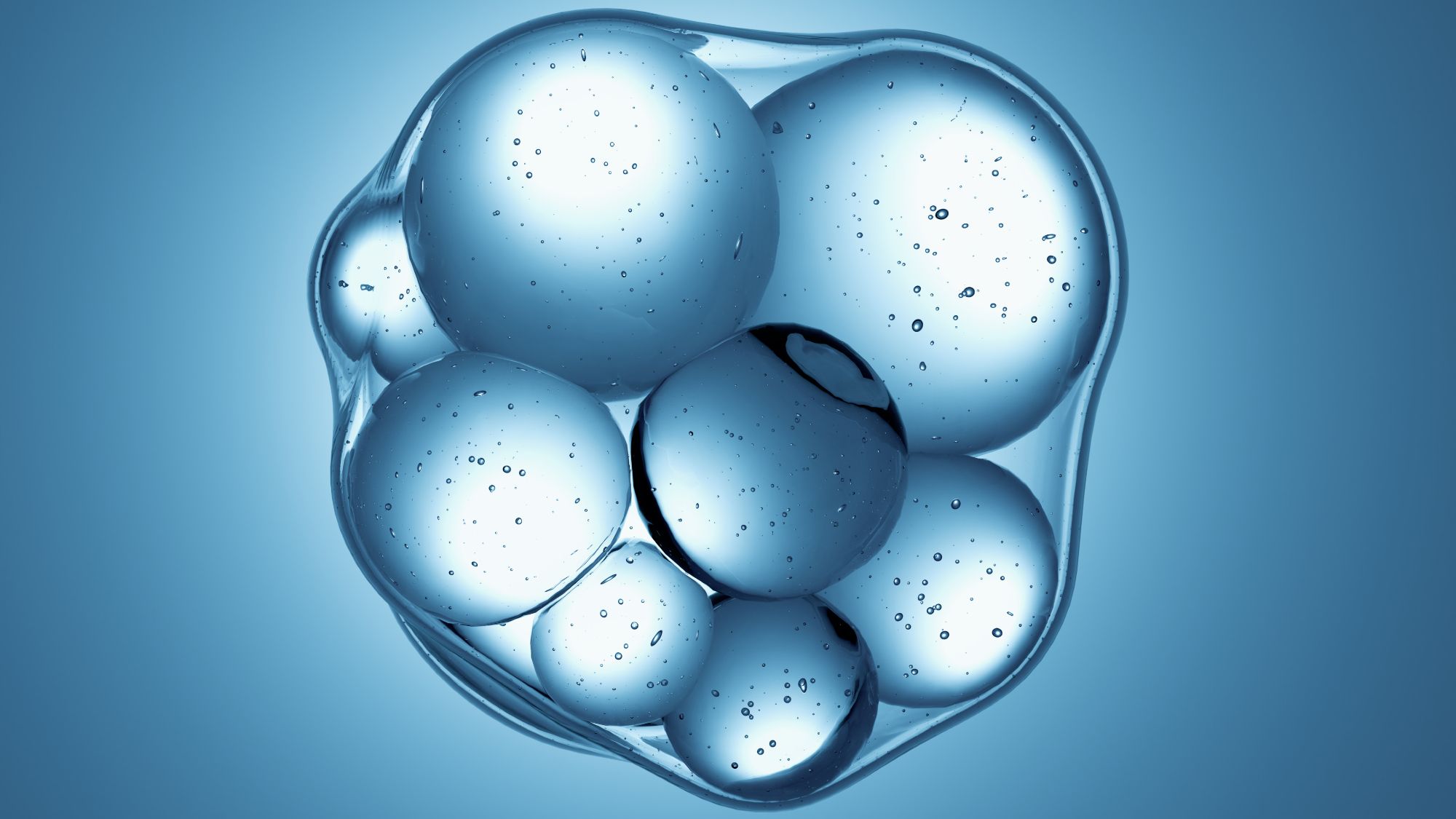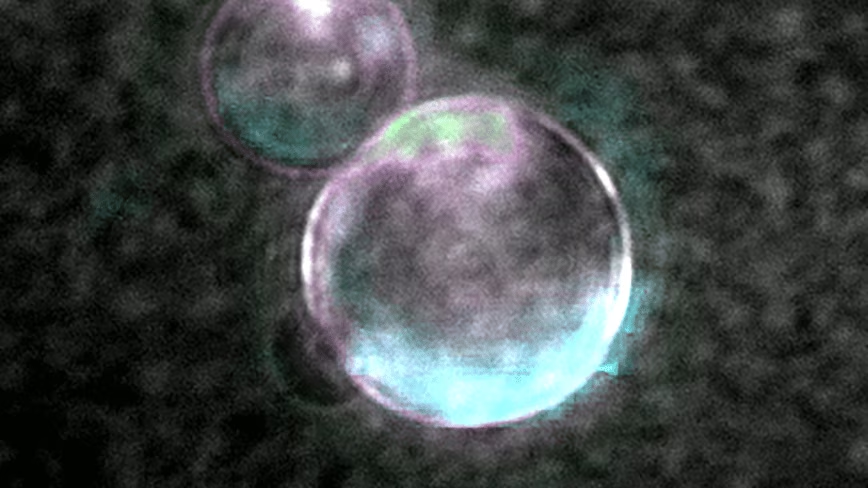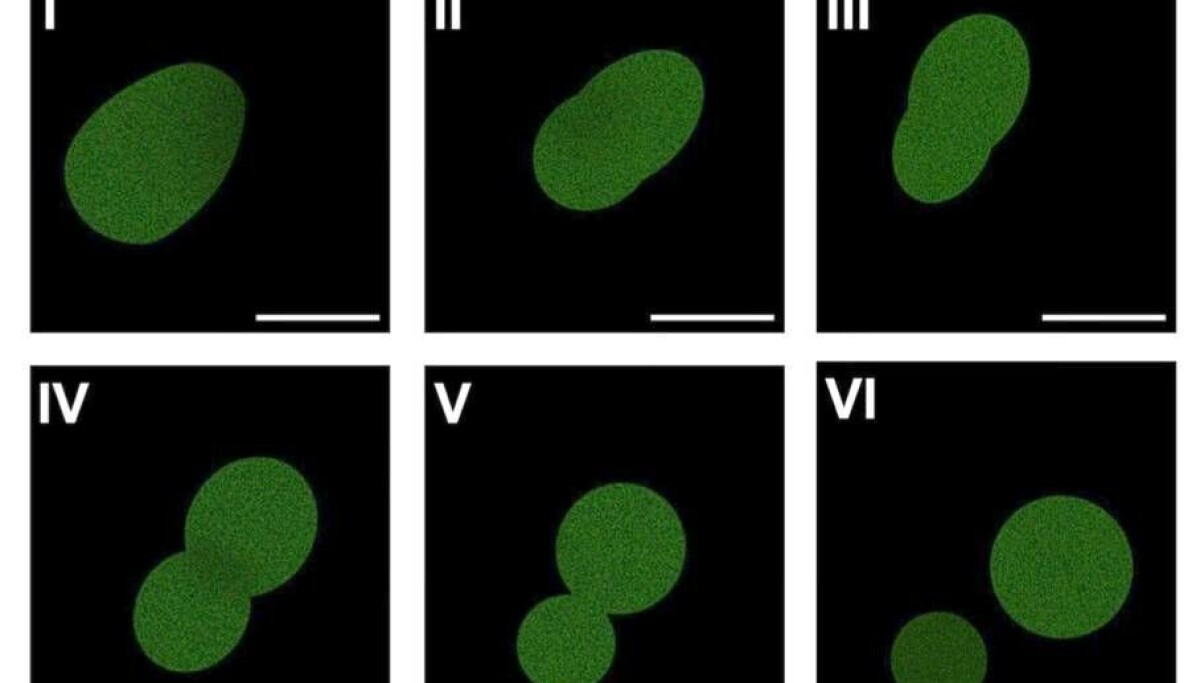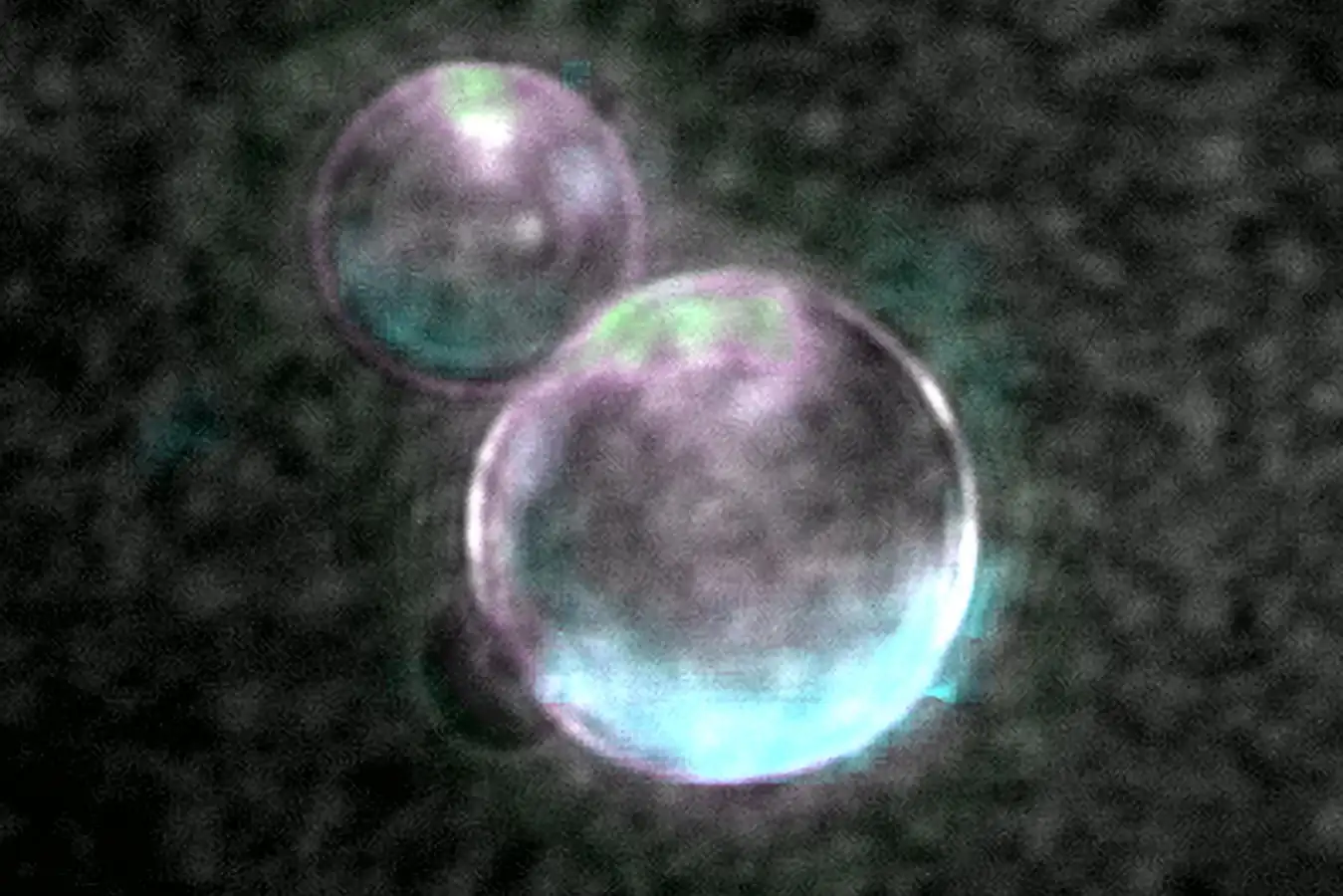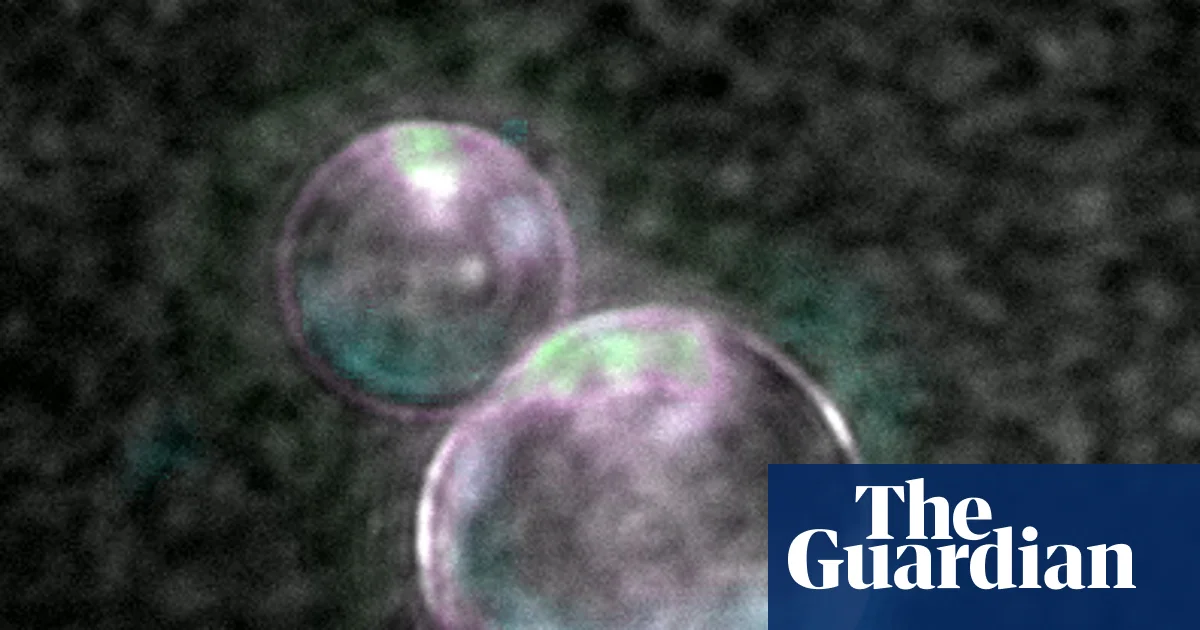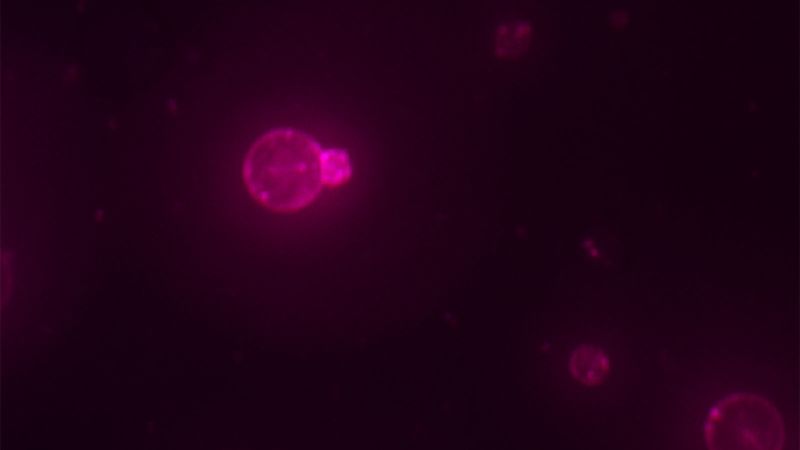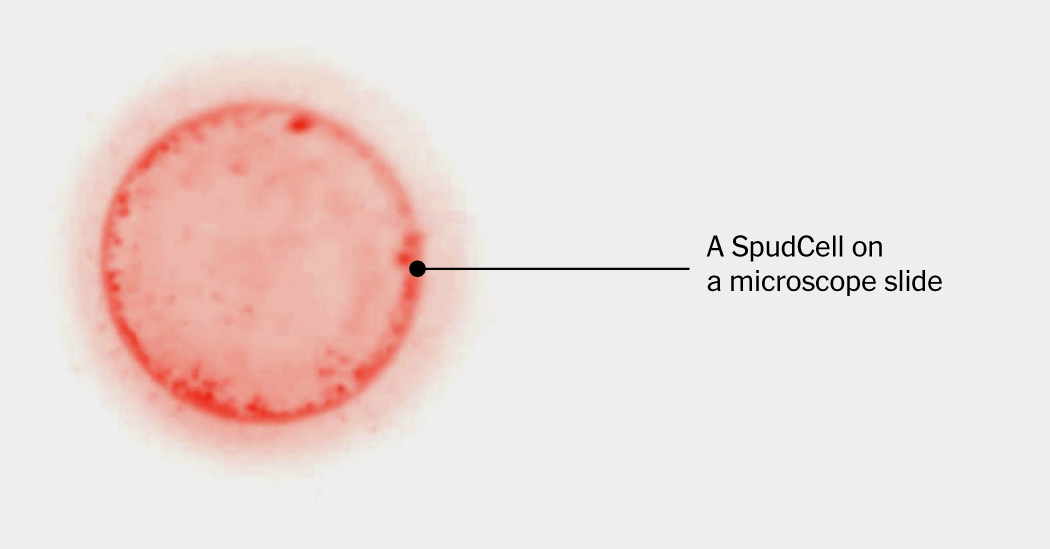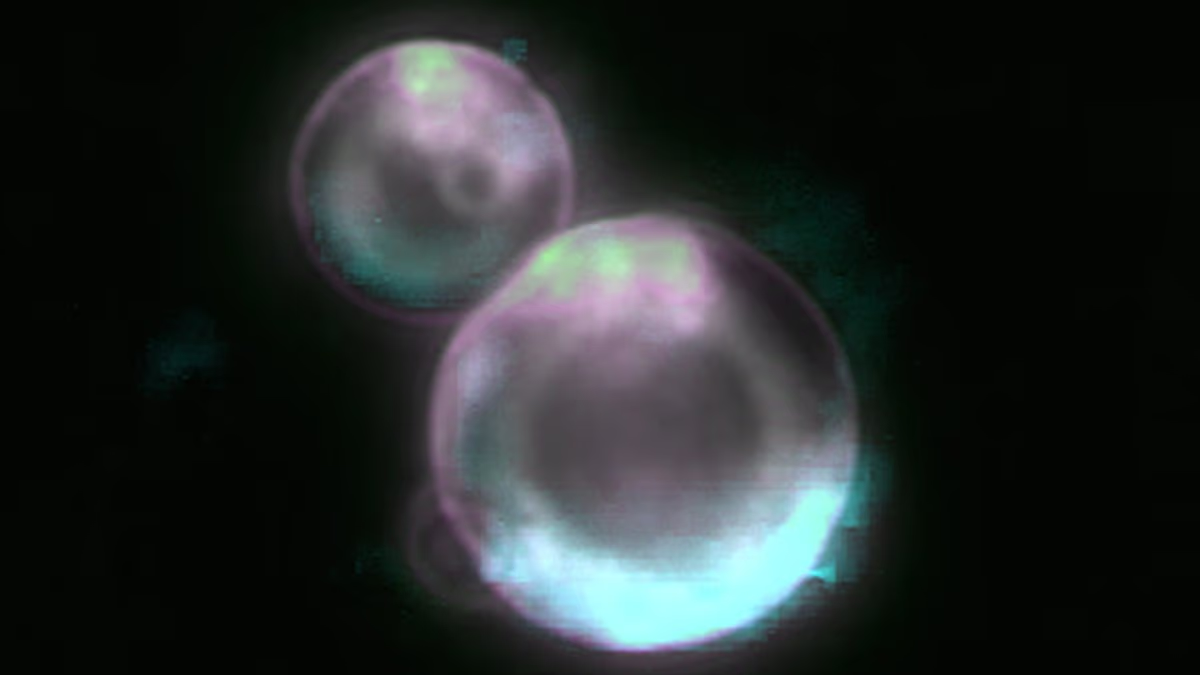
Scientists have built a synthetic cell from scratch in a world-first breakthrough that paves the way for creating entirely artificial forms of life.The tiny blobs, dubbed SpudCell, are about 50 times smaller than a normal bacterium and are made of microscopic water droplets encased in a fatty membrane.That bubble is filled with enzymes, chemicals, and small snippets of DNA that allow SpudCell to perform some of the basic functions of life.According to its creators, this synthetic cell can now feed, grow, copy its DNA, divide, and even change over generations in a process resembling evolution.This is not the first time that scientists have attempted to make synthetic life, but, unlike those earlier attempts, SpudCell is entirely constructed from the ground up.Scientists hope these cells could one day revolutionise medicine by acting like mini biological factories, pumping out medicines and other chemicals. Lead author Professor Kate Adamala, of the University of Minnesota Twin Cities, says: 'We’ve replicated in chemistry what only used to be possible in biology: the complete set of behaviours of a cell.'It proves that the most fundamental functions of life, like growth and replication, do not need a mysterious magical spark.' Scientists have built a synthetic cell from scratch, in a world-first breakthrough that paves the way for creating entirely artificial forms of lifeRather than breaking down and reconstructing existing cells, these almost-living bubbles are made from nothing but artificial chemicals. Like all living organisms, SpudCell contains stretches of DNA that contain the instructions for making all the proteins the cell needs to survive.SpudCell also contains a sort of biochemical toolkit called 'PURE', which includes everything the cell needs to turn those DNA instructions into proteins.While a human genome contains around three billion pairs of DNA, SpudCell contains just 90,000.Biologists had previously speculated that the smallest genome a living cell could have is 113,000 pairs, making this synthetic organism much smaller than the theoretical limit.This means that SpudCell is far simpler and much less sophisticated than even the most basic life form.However, despite the simplicity of its genetic code, these fatty bubbles are still able to replicate several basic functions of life.SpudCells can feed by fusing with minuscule 'feeder' liposomes, hollow spheres made of fatty lipids, which contain all the nutrients the cell needs to function. The tiny blobs, dubbed SpudCell, are about 50 times smaller than a normal bacterium and are made of microscopic water droplets encased in a fatty membrane What are the seven signs of life? Cellular organizationThe ability to reproduceGrowth & developmentEnergy useHomeostasisResponse to their environmentThe ability to adapt Source: NASA Its DNA contains instructions to use that food to create replicas of its genetic code, preparing it for reproduction.The cells can even undergo a basic form of division by flooding their membrane with a protein that creates a repelling force, essentially tearing the cell apart at the seams.Most impressively, the cells even appear to be capable of a form of natural selection over multiple generations.In an experiment, published in a pre-print paper, the scientists gave some SpudCells a mutation that helped them gather more food and grow faster.After five generations, these mutated cells had outcompeted their rivals, and 60 per cent of genomes contained the mutation.To develop the concept further, Professor Adamala and her co-authors have founded a public-benefit research institution named Biotic. However, Professor Adamala cautions this does not mean SpudCells are alive.The process of selection can't be considered evolution because the researchers had to insert the mutation from outside, rather than having it arise naturally. These artificial cells can feed, grow, divide, and even change over generations through selection and competition. However, their creators say they are not alive SpudCells also can't naturally divide over many generations, and the researchers had to press them through a membrane with tiny holes to get multiple rounds of division.This process is also incredibly crude compared to the division that happens in real cells.Since the SpudCells don't tear themselves apart evenly, they don't always get the right number of genomes in the finished offspring.After five division cycles, the researchers found that only 30 per cent of cells still carried the full genome.Prof John Dupré, a philosopher and founder of the Centre for the Study of Life Sciences at the University of Exeter, told the Daily Mail: 'This work is undoubtedly technically very impressive. Whether it "will ultimately underlie diverse applications across all of biotechnology", is more questionable. 'Even assuming that synthetic biology will eventually produce entities with all the capacities of a living bacterial cell, it is doubtful whether this will ever be a more effective technology than modification of naturally evolved cells.'Scientists have also criticised the papers publication, which was released to the public without peer-review after being reportedly rejected by the journal Cell. Professor Kerstin Göpfrich, a molecular biologist from Heidelberg University, told the Daily Mail: 'History has shown multiple times that press before peer review can go wrong. A good ethical standard would be to refrain from reporting until the paper has gone through the normal peer-review procedure.'LIFE ON EARTH MAY HAVE STARTED THANKS TO A MODIFIED VERSION OF MODERN-DAY RNA Life on Earth may have started thanks to a modified version of modern-day DNA's sister molecule, scientists believe.DNA is the backbone of life and almost all of our planet depends on it but, on primordial Earth, a primitive version of its lesser-known sister - RNA - was the focal point for evolution, experts say.RNA is structurally similar to DNA, except one of the four fundamental pieces, thymine, is substituted for uracil. This changes the shape and structure of the molecule and researchers have long believed this chemical was vital to the development of Earth's first lifeforms. An accidental discovery by Harvard academics published in December 2018 found that a slightly different version of RNA may have been the key ingredient allowing life on Earth to blossom. Scientists claim that a chemical called inosine may have been present in place of guanine, allowing for life to develop. This slight change to the bases, known as a nucleotides, may provide the first known proof of the 'RNA World Hypothesis' - a theory which claims RNA was integral to primitive lifeforms - they say.
Scientists BUILD a cell from scratch in world-first breakthrough
Scientists have built a synthetic cell from scratch in a world-first breakthrough that paves the way for creating entirely artificial forms of life.
1,030 words~5 min read