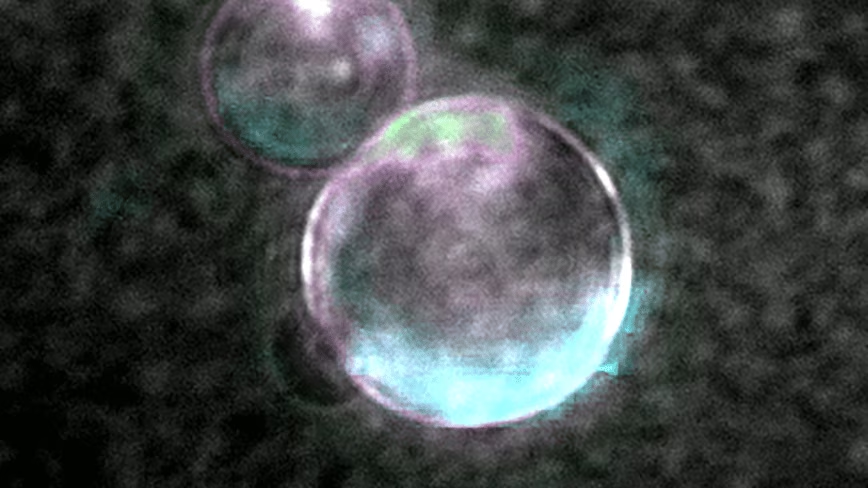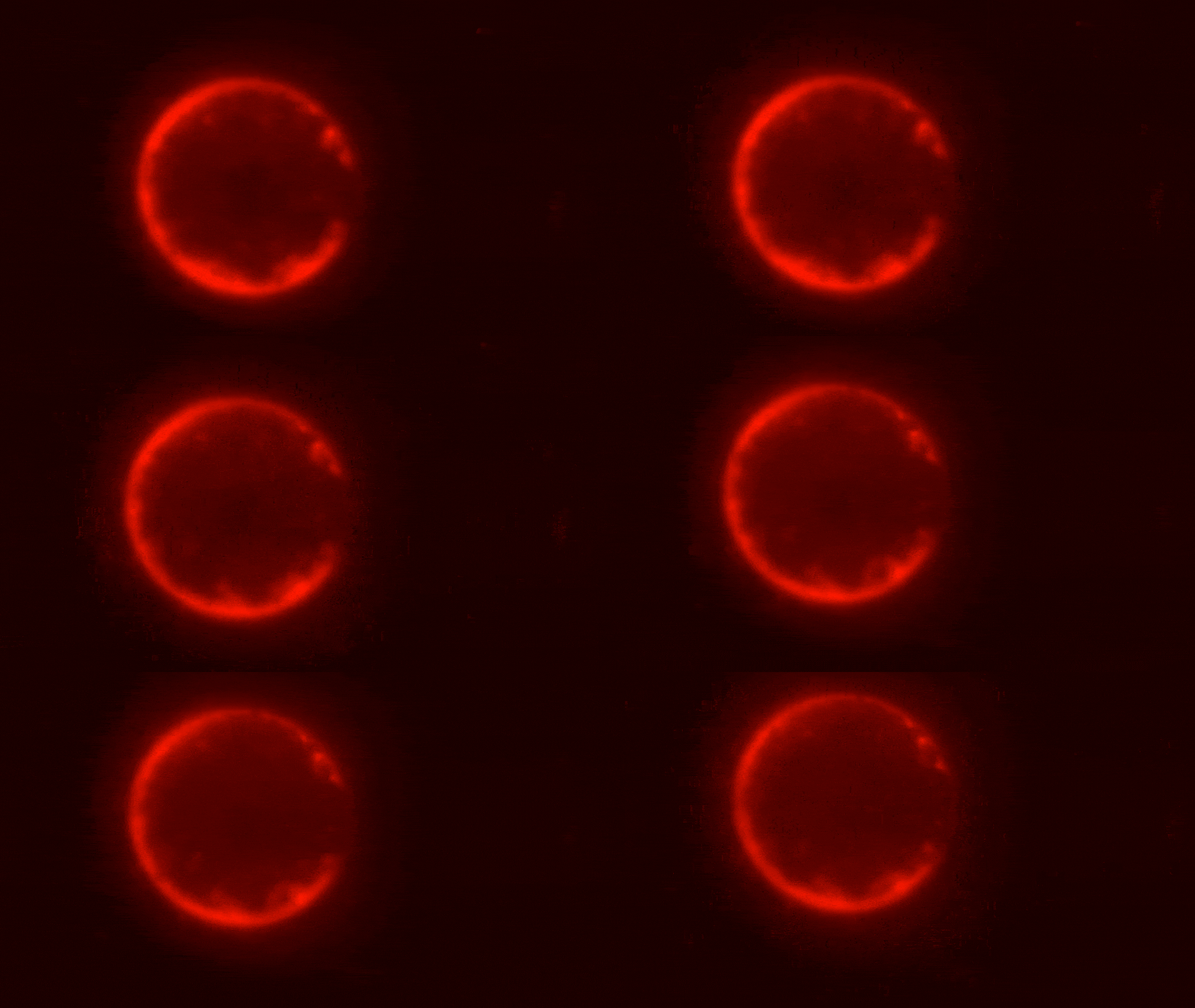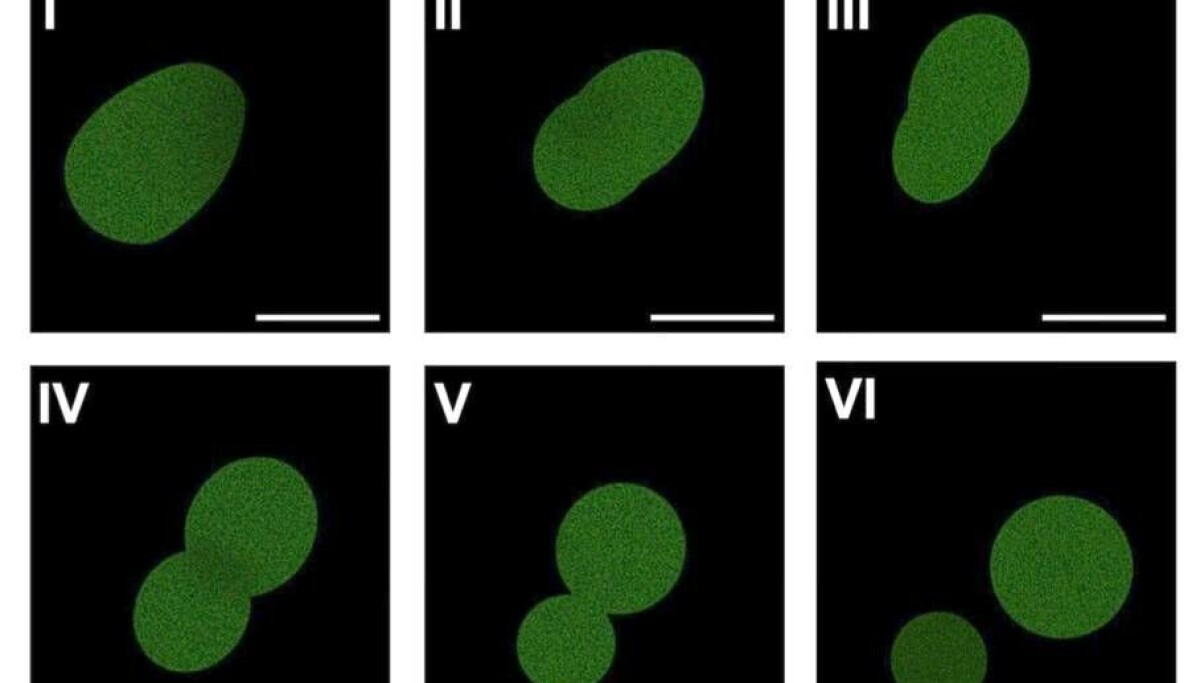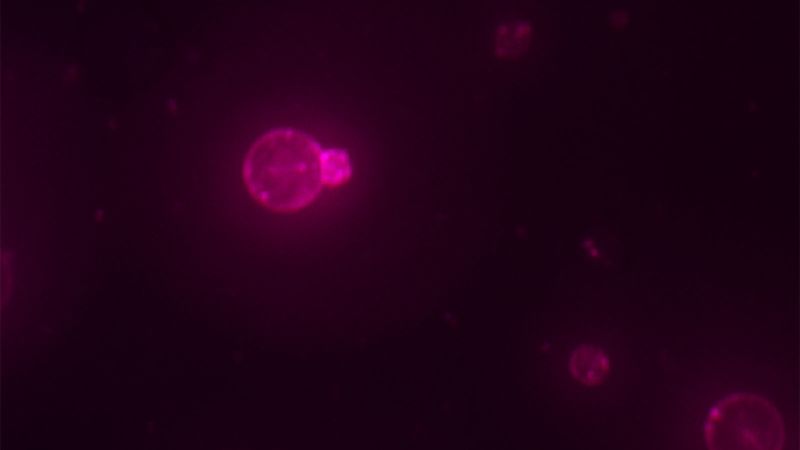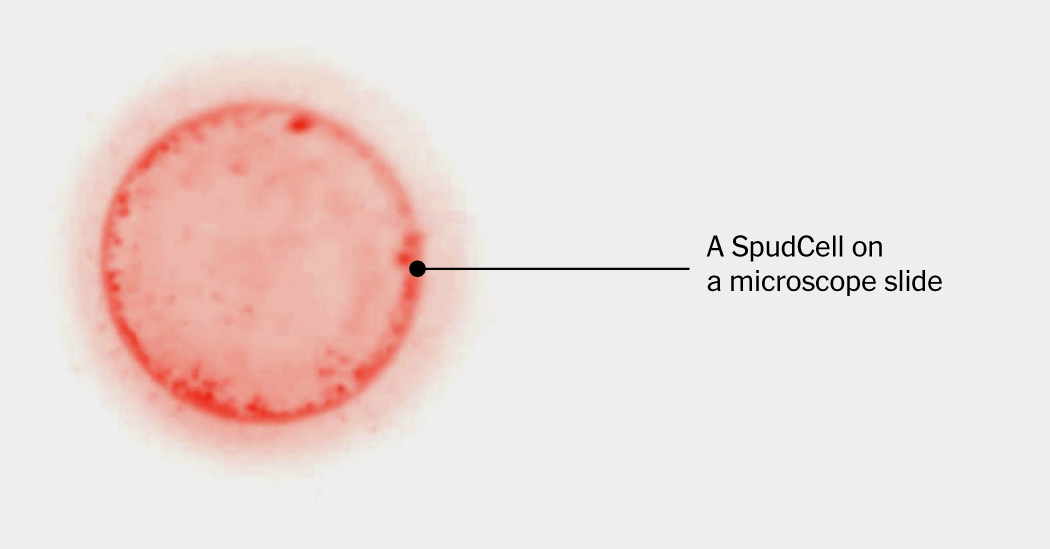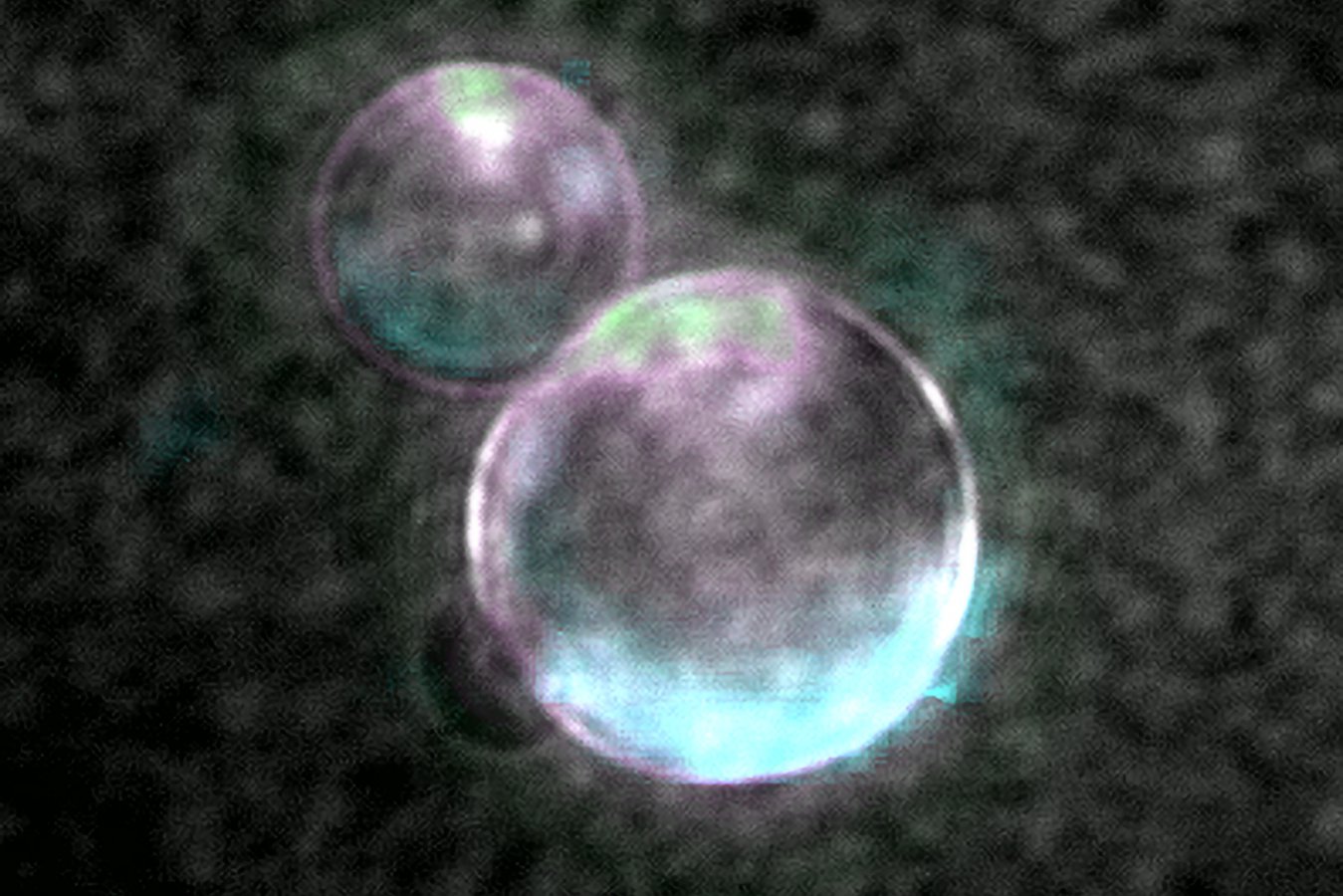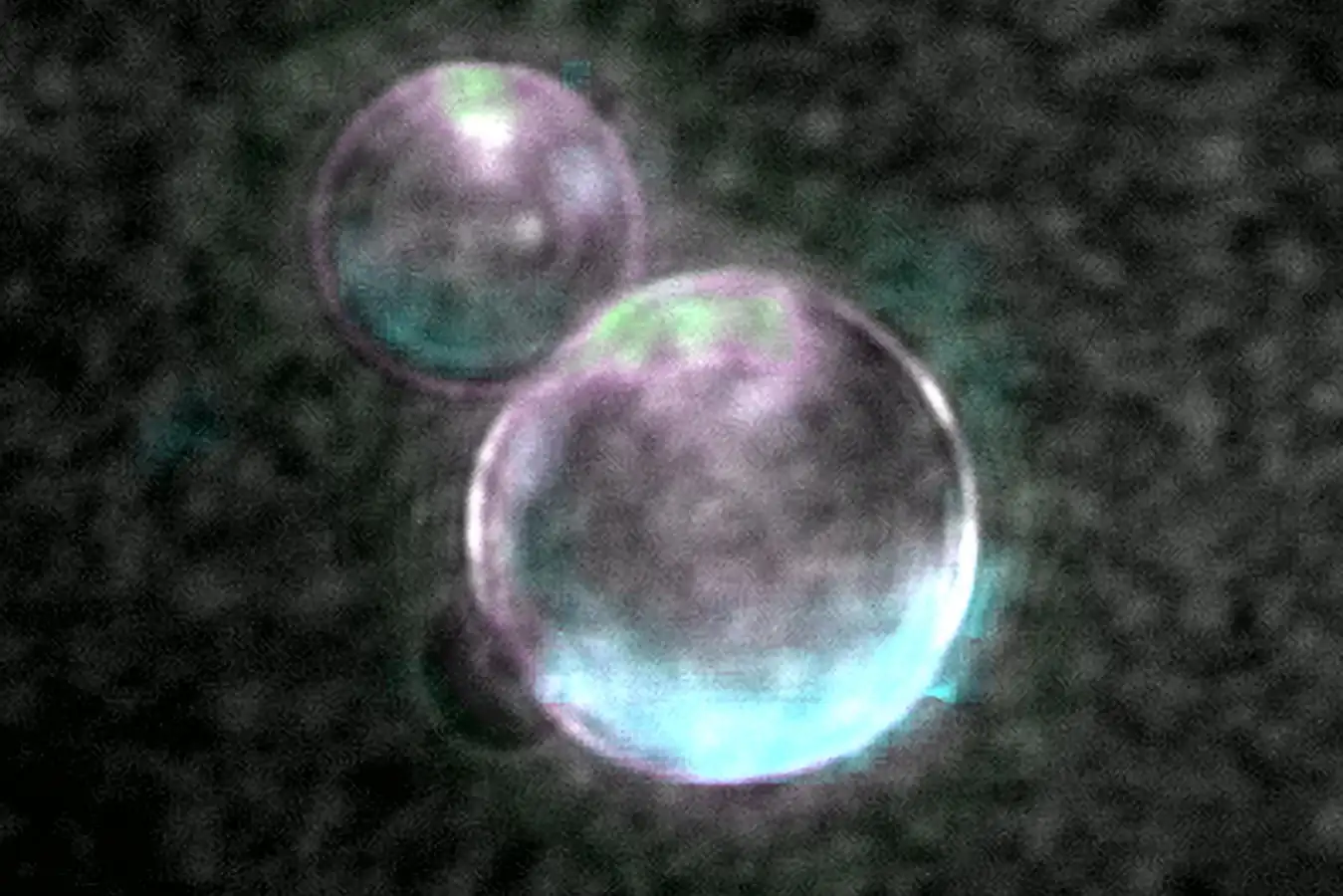
SpudCell is the first synthetic cell system built from non-living components to complete a full cell cycleOrion Venero, Adamala Lab
The “SpudCell” is being proclaimed by its creators as a major advance in synthetic biology. Some of this hype is justified – yes, it’s a cell, but perhaps not quite what one could call a living cell. It has 36 genes that allow it to copy DNA and replicate in a primitive way, but it needs a lot of outside help and fails after five or so divisions. That is, however, much more than any other team has achieved, so it is arguably the greatest feat of bioengineering to date.
Created by Kate Adamala at the University of Missouri and her colleagues, the team is now making the SpudCell project open-source so it can be developed further and even made capable of dividing indefinitely. Here’s what you need to know:
What is the SpudCell?
It’s a step towards creating a minimal lifeform whose functions are fully understood. Previous attempts involved deleting genes from bacterial cells whose genomes are small to start with. For instance, in 2016 a bacterium with 901 genes was stripped down so it had just 493 genes. Adamala’s team did things the other way round, starting with just 36 genes. These mostly come from E. coli bacteria but there are also some from phage viruses that infect bacteria and one for a fluorescent protein from jellyfish to help make the cells visible.