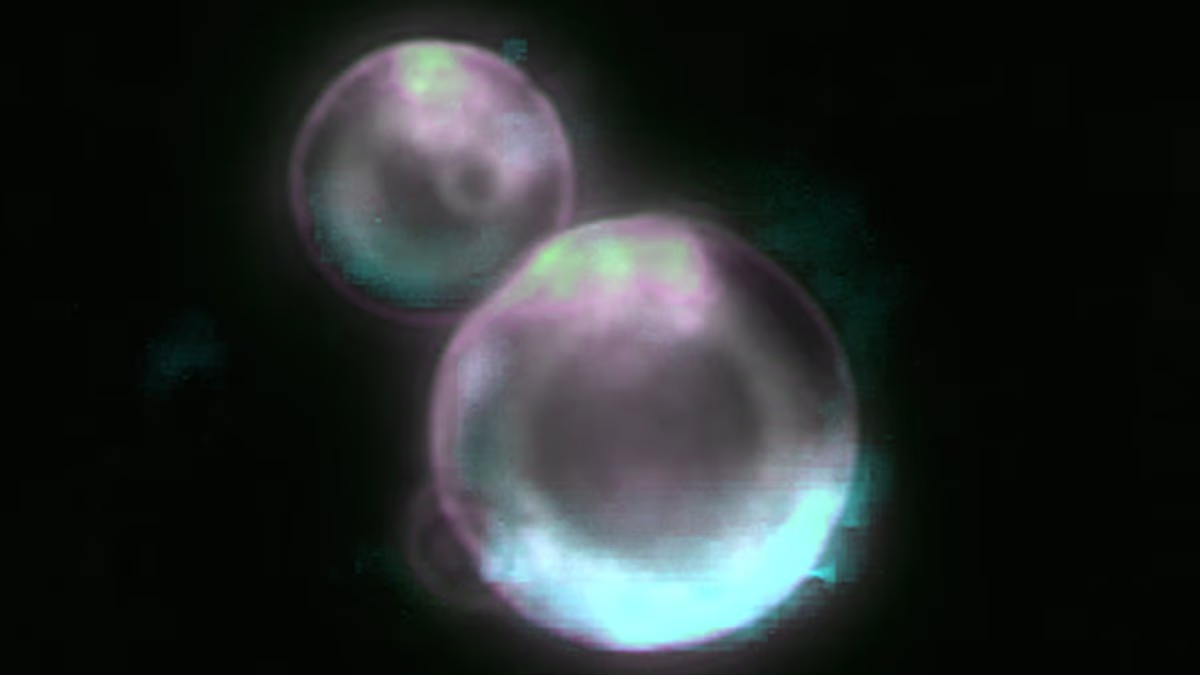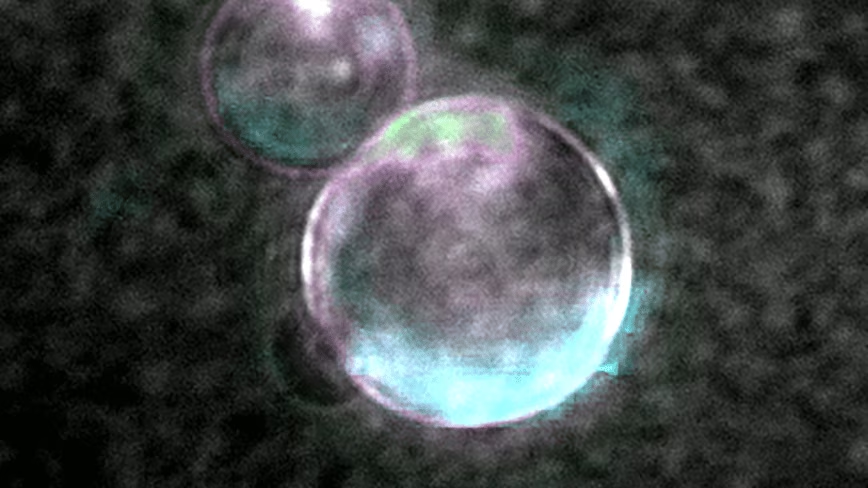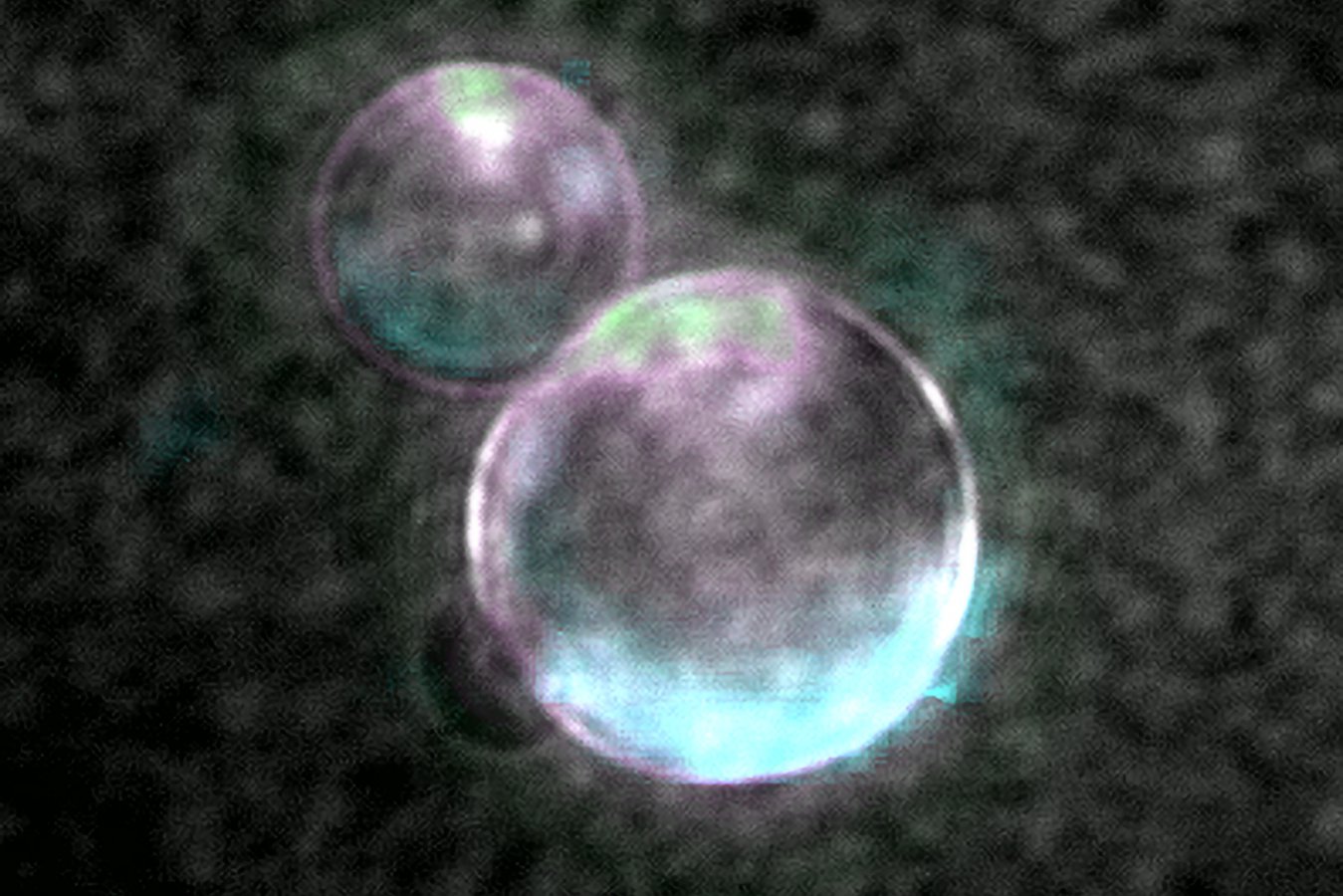
Researchers have created what they say is the world’s first synthetic cell capable of growing, dividing and repeating the cycle – a breakthrough some experts say marks a major milestone in biology.
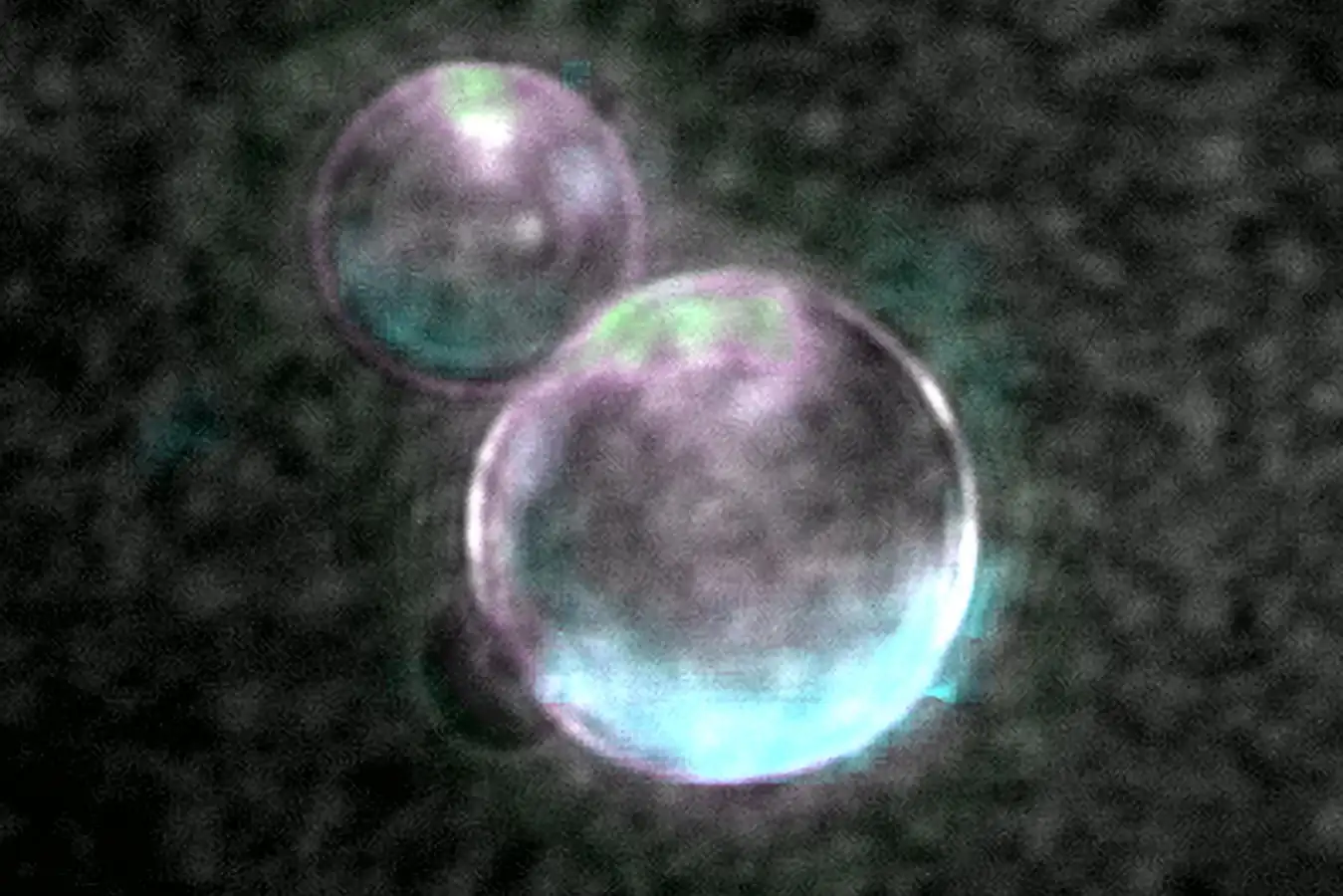
The artificial cell, nicknamed SpudCell, is smaller than the tip of a needle and is visible only under a fluorescence microscope.
Rather than being made from living material, it was assembled from non-living chemicals by Drs Kate Adamala and Aaron Engelhart and their teams at the University of Minnesota, in the US. Once put together, these chemicals were able to work like the components of a living cell.
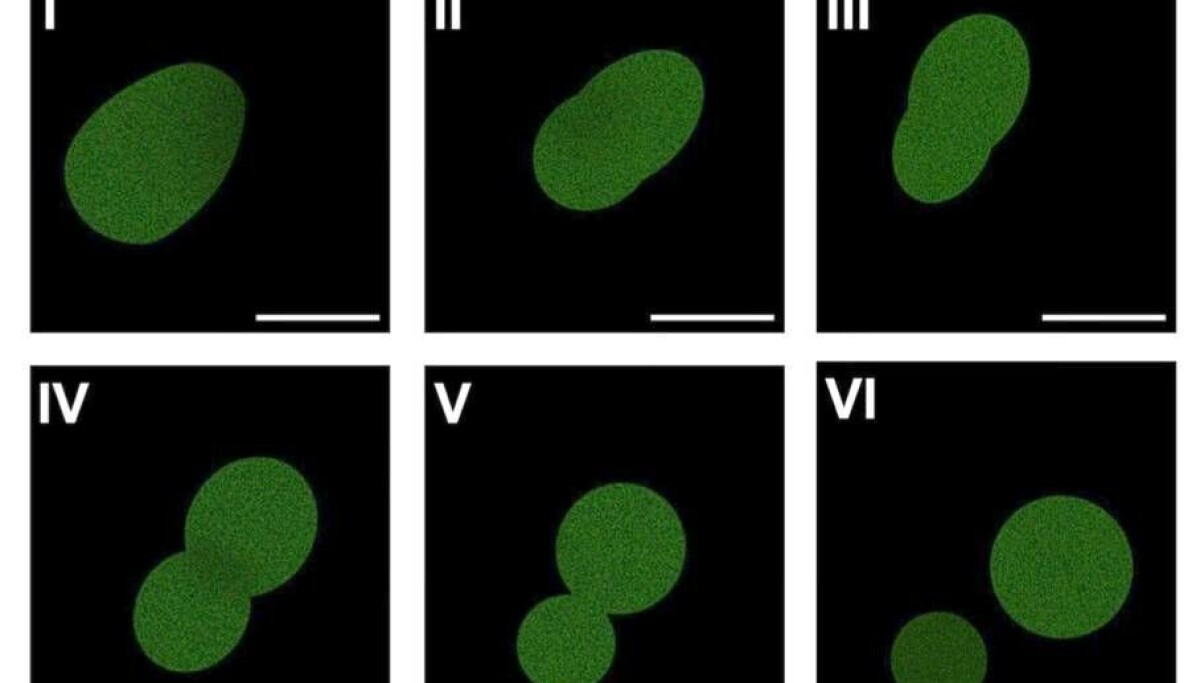
Unlike previous synthetic cells, which could carry out only individual tasks, SpudCell combines several of the key processes needed for life into a single system. It can grow, replicate its genome, divide into daughter cells and even show competition between variants. Together, these processes make up a complete cell cycle.
“We’ve replicated in chemistry what only used to be possible in biology: the complete set of behaviours of a cell,” Adamala said.