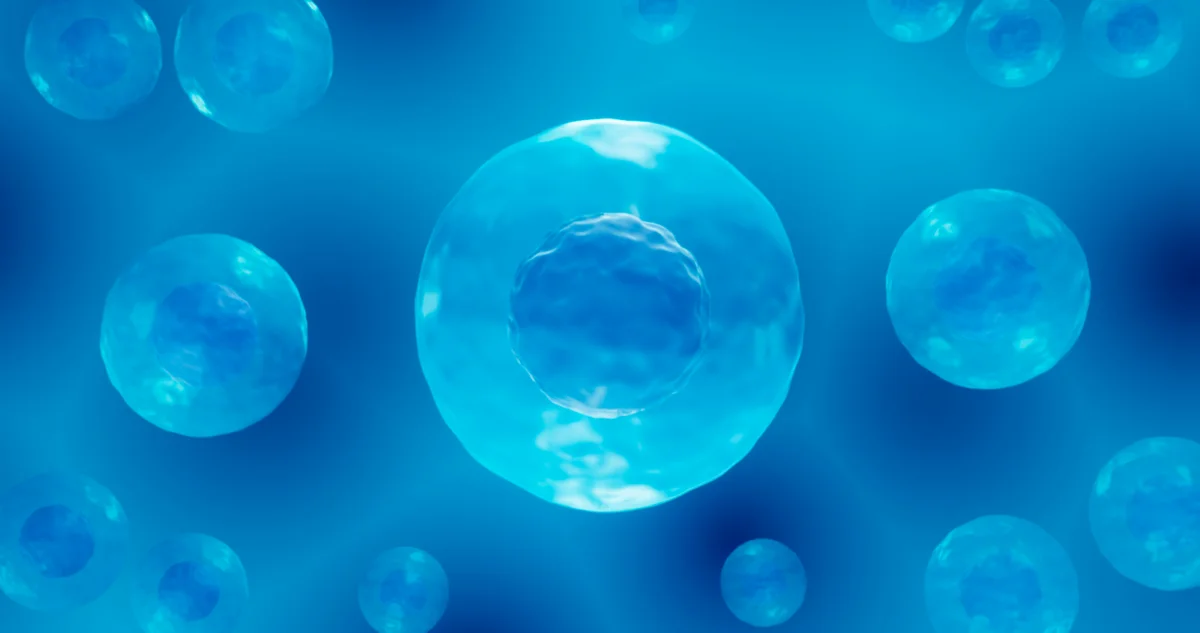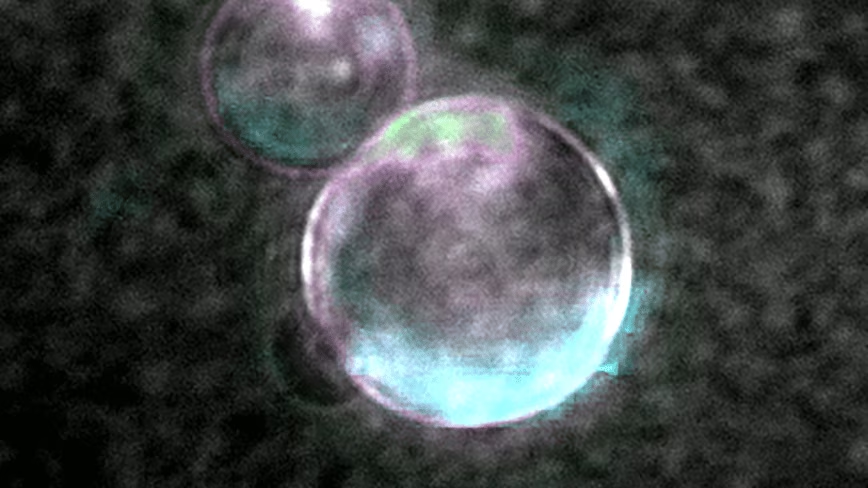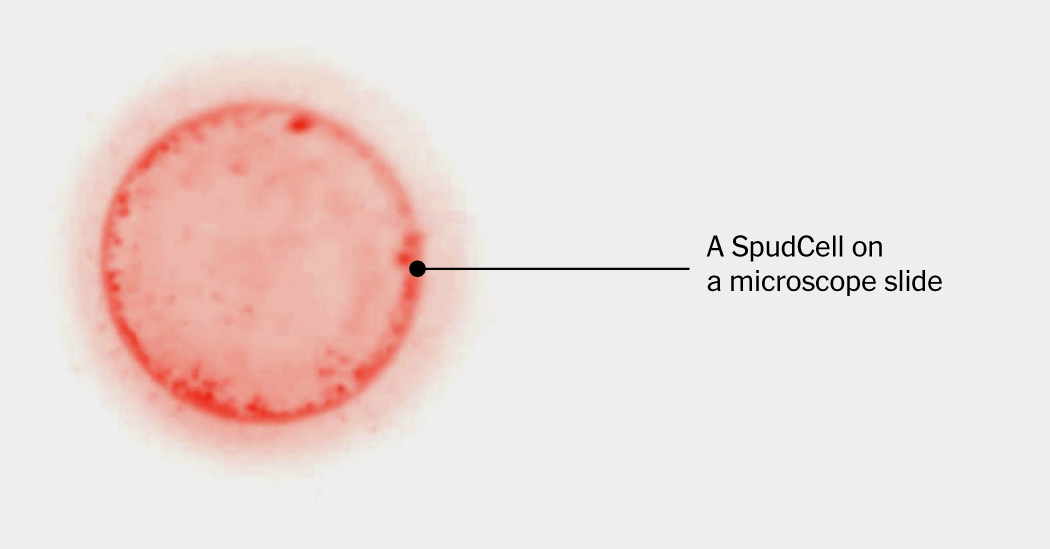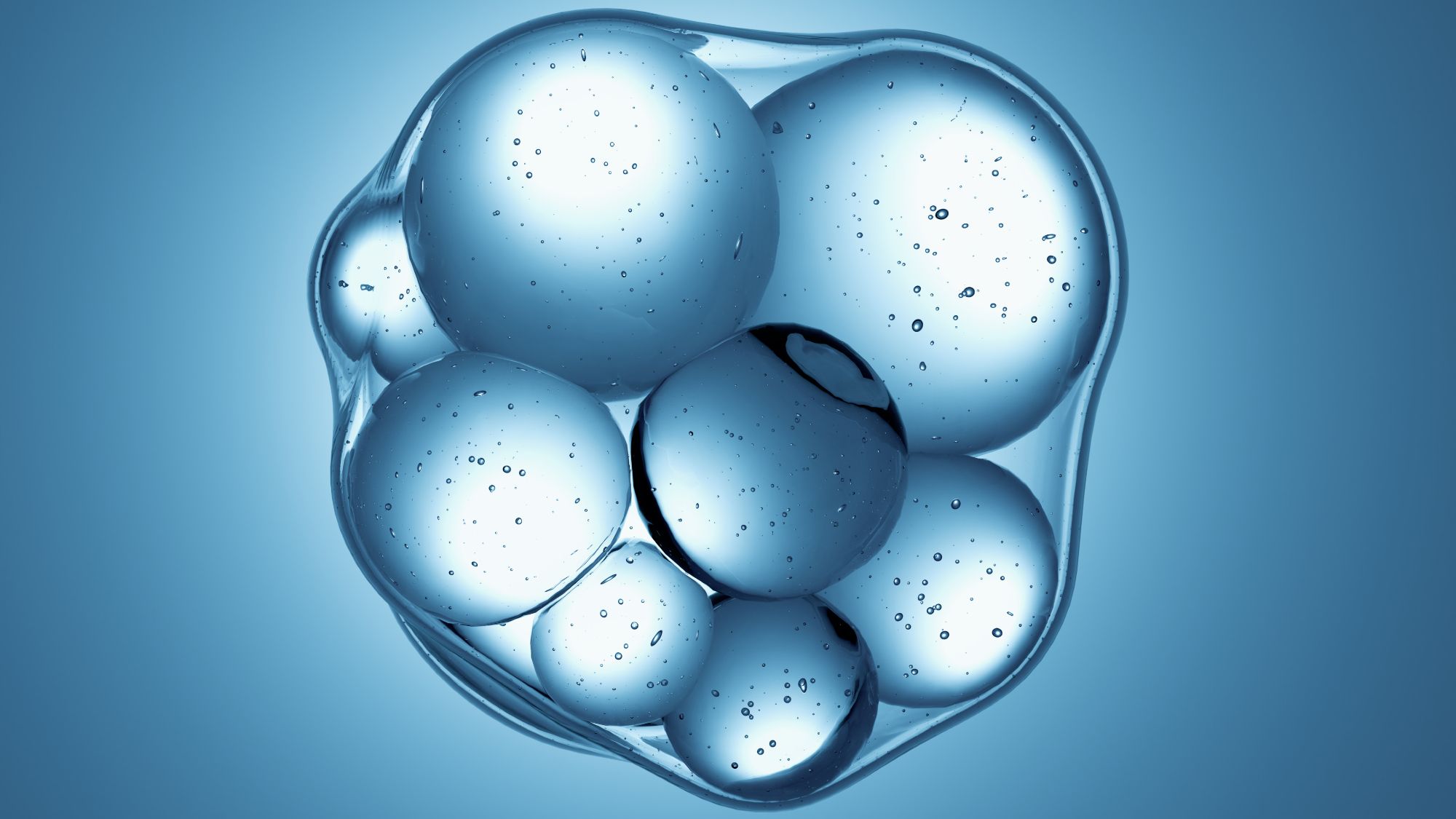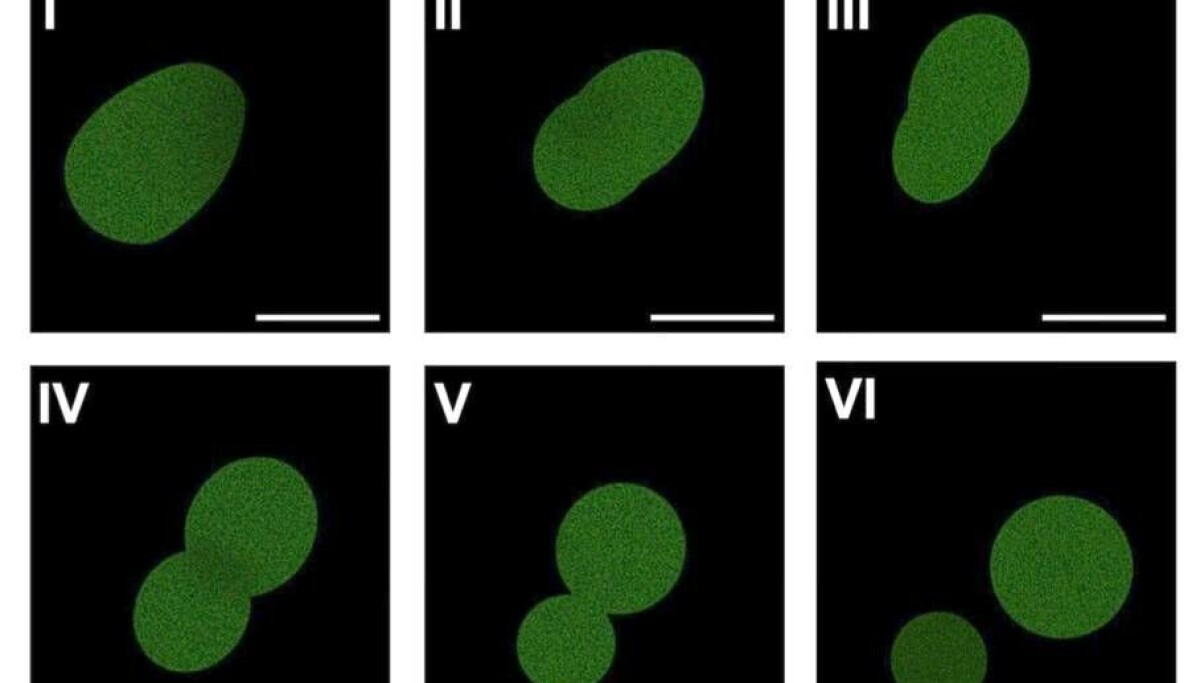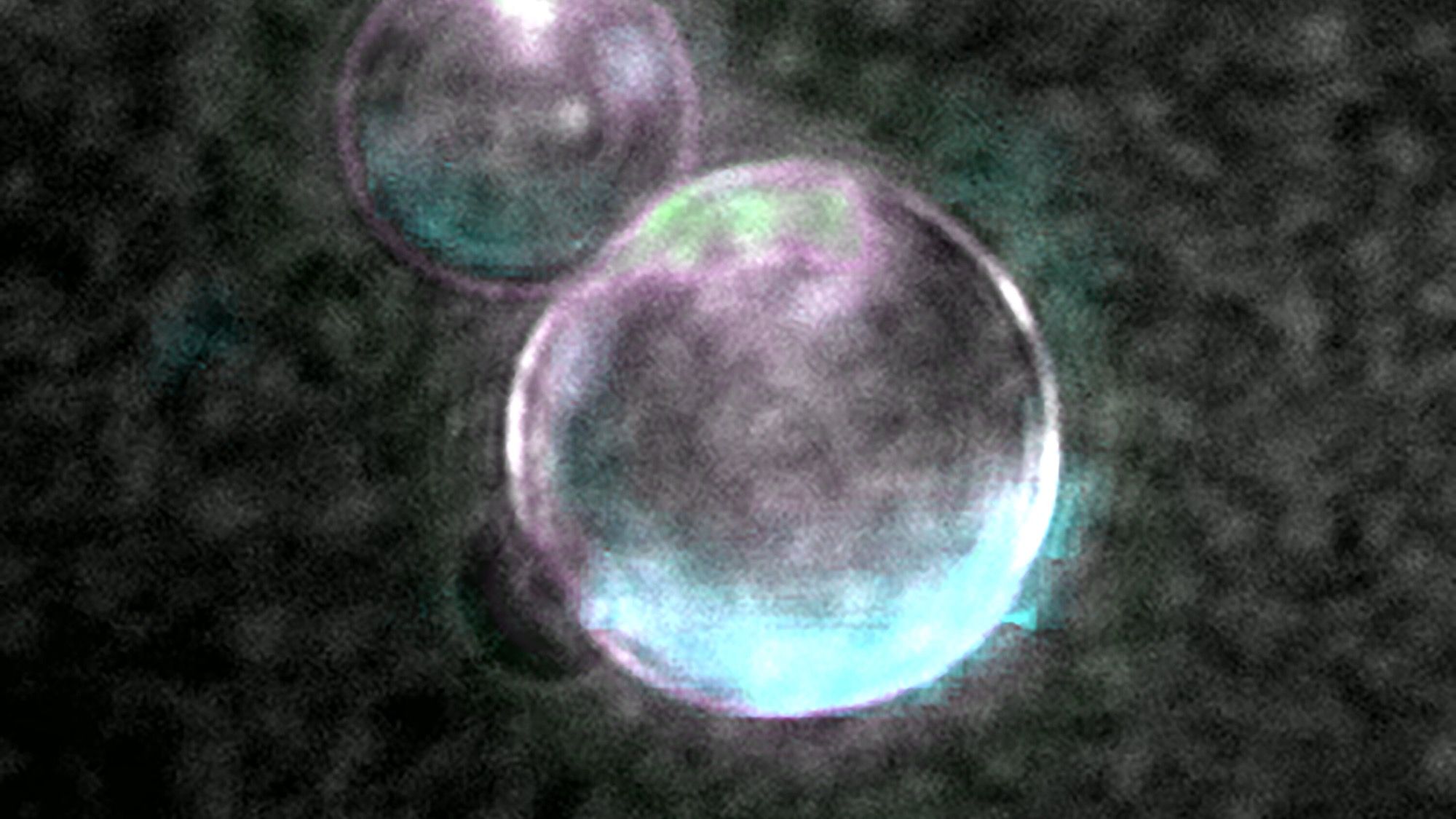
Scientists have assembled a cell from scratch in the laboratory for the first time — one that feeds, grows, and replicates much as a natural cell does.Synthetic biologist Kate Adamala and her team at the University of Minnesota built the prototype molecule by molecule from nonliving chemicals, reports New Scientist. It turned out looking rather like a potato, so they nicknamed it SpudCell. SpudCell is similar to a simple bacterium, but it’s made of just 150 to 200 molecules, while a biological cell holds millions or billions. It was assembled using 36 genes, including some from E. coli bacteria, some from phage viruses, and one from jellyfish: a fluorescent protein that helps make the cell visible. That it can replicate itself makes it lifelike, but its autonomy is limited.
The Week
Escape your echo chamber. Get the facts behind the news, plus analysis from multiple perspectives.
From our morning news briefing to a weekly Good News Newsletter, get the best of The Week delivered directly to your inbox.
Join 350,000+ subscribers and keep yourself informed with a selection of