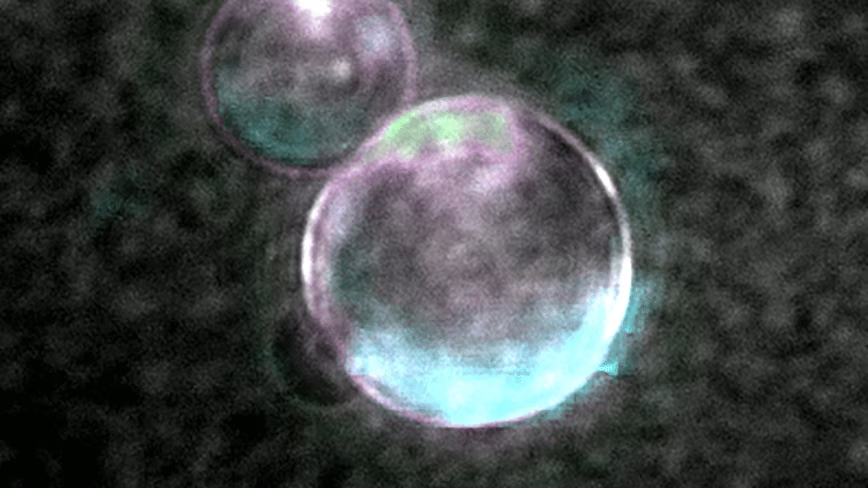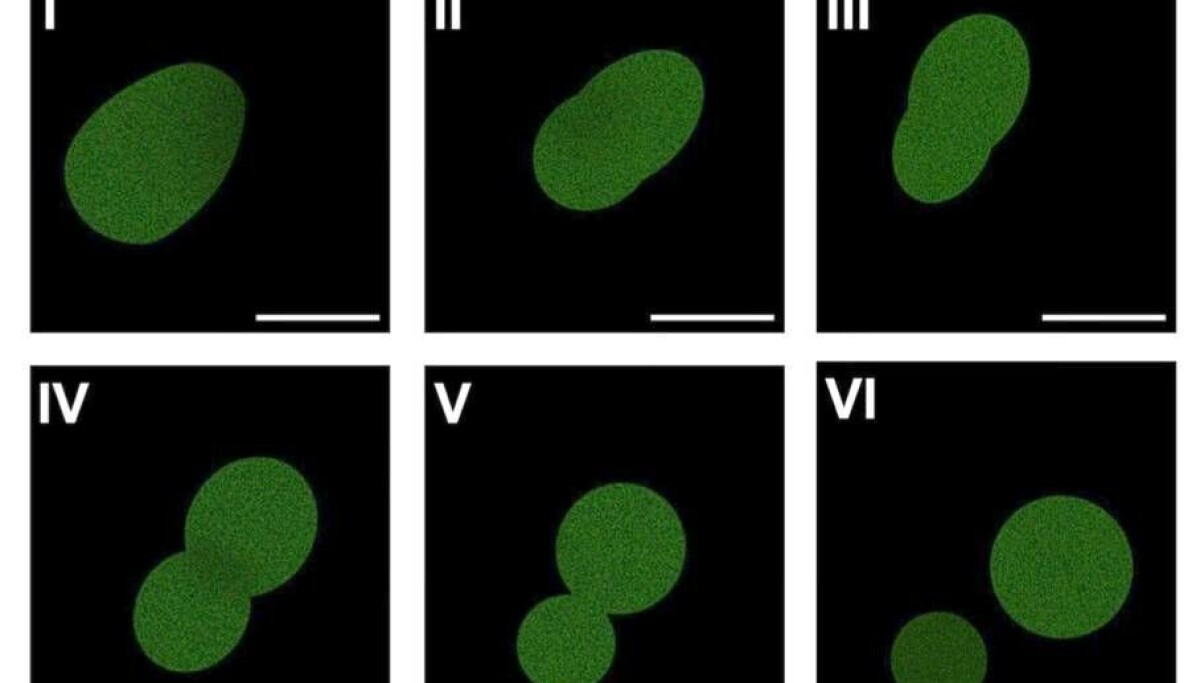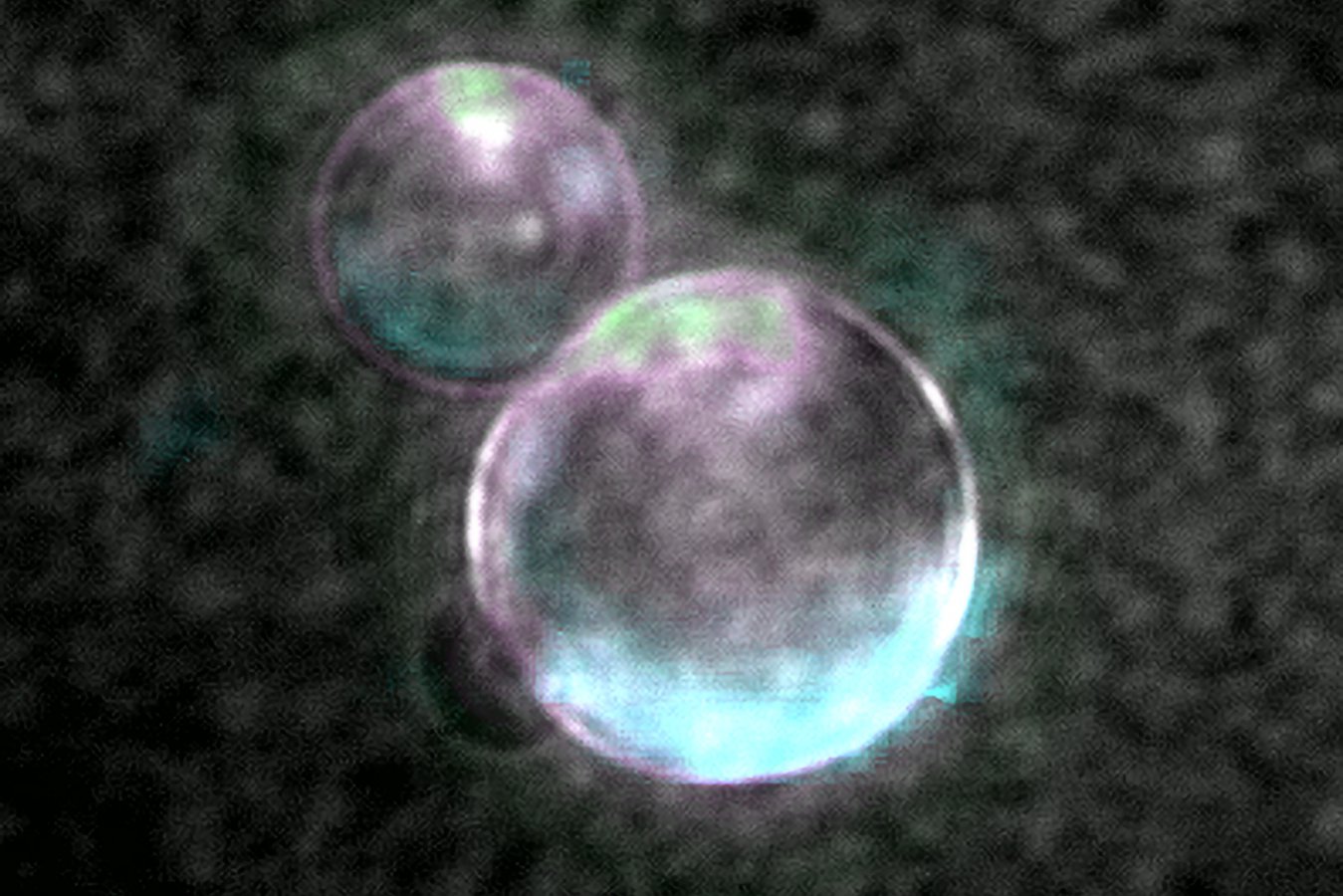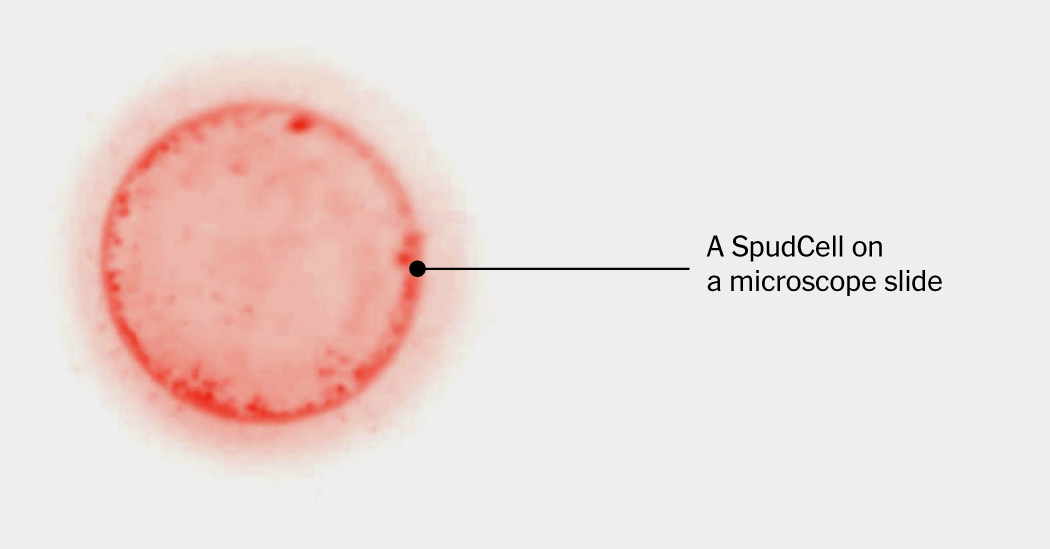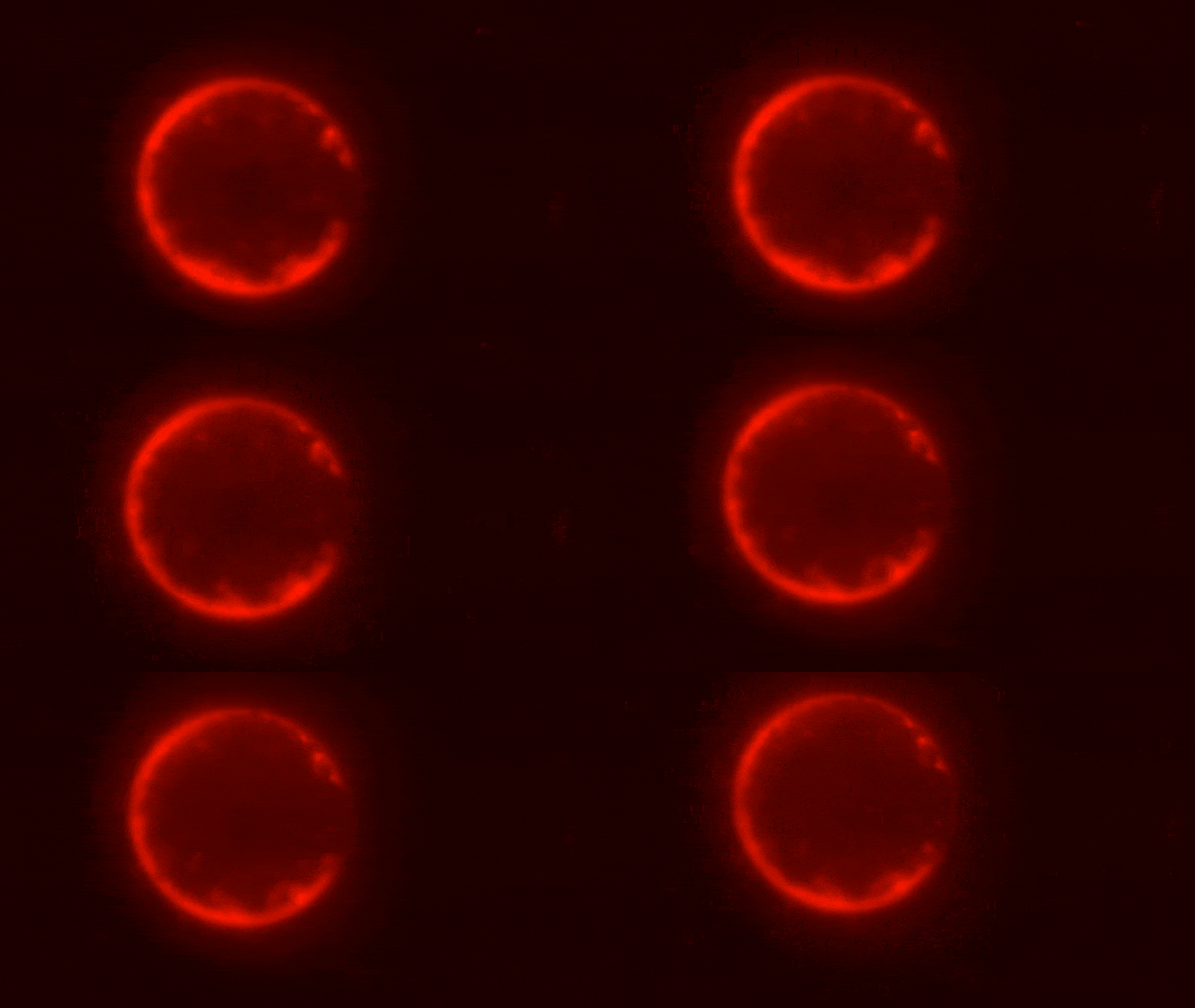
This week, researchers at the University of Minnesota announced something that genuinely stopped me mid-scroll. A team led by Associate Professors Kate Adamala and Aaron Engelhart built the world's first synthetic cell with a complete life cycle — not modified from an existing organism, not borrowed from biology. Built. From. Scratch.
They're calling it SpudCell.
It can grow. It feeds. It copies its own genetic material. It divides into new cells. And it does all of this from a starting point of pure chemistry — non-living components assembled with intent.
Adamala put it plainly: "We've replicated in chemistry what only used to be possible in biology: the complete set of behaviors of a cell. It proves that the most fundamental functions of life, like growth and replication, do not need a mysterious magical spark." — University of Minnesota
That's not hype. That's a scientist who has spent her career working toward this moment, choosing her words carefully.