Catch up on global daily news
Compelling long reads
Tune into captivating conversations
Watch engaging short films
Behind the scenes at The Economist
What do you call an organism with no evolutionary ancestors? SpudCell, apparently
Catch up on global daily news
Compelling long reads
Tune into captivating conversations
Watch engaging short films
Behind the scenes at The Economist
What do you call an organism with no evolutionary ancestors? SpudCell, apparently
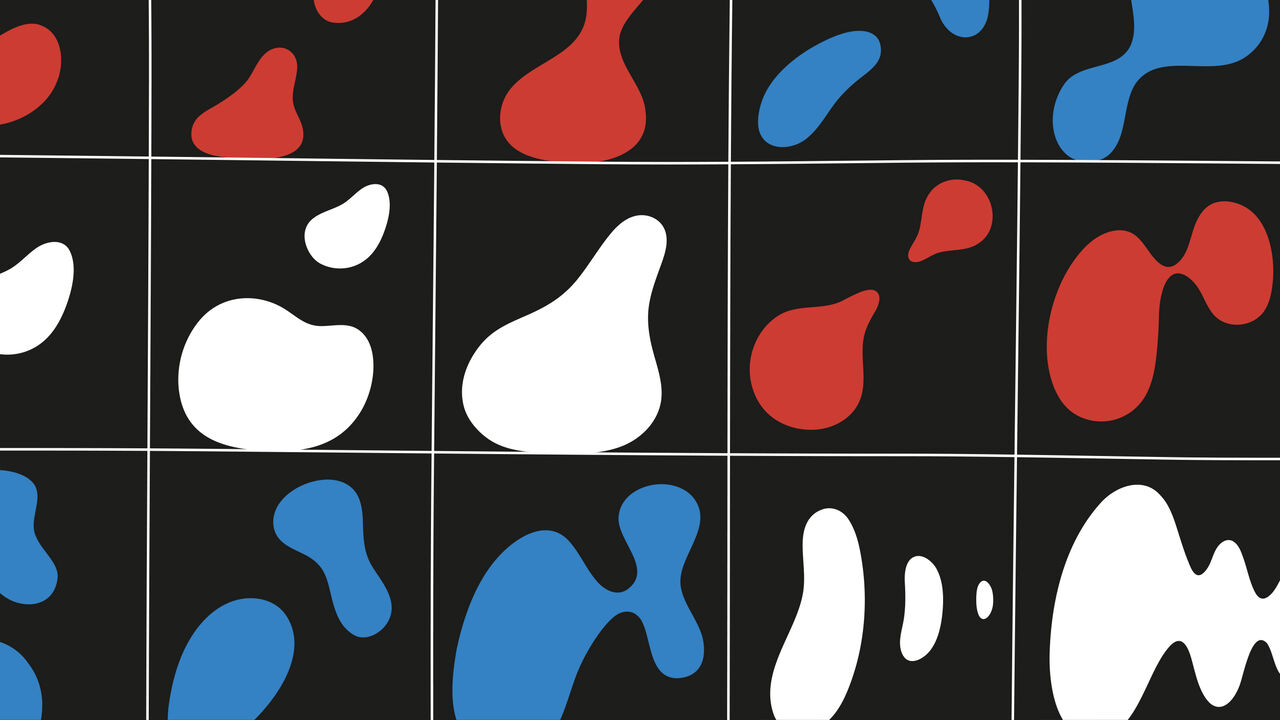
What do you call an organism with no evolutionary ancestors? SpudCell, apparently
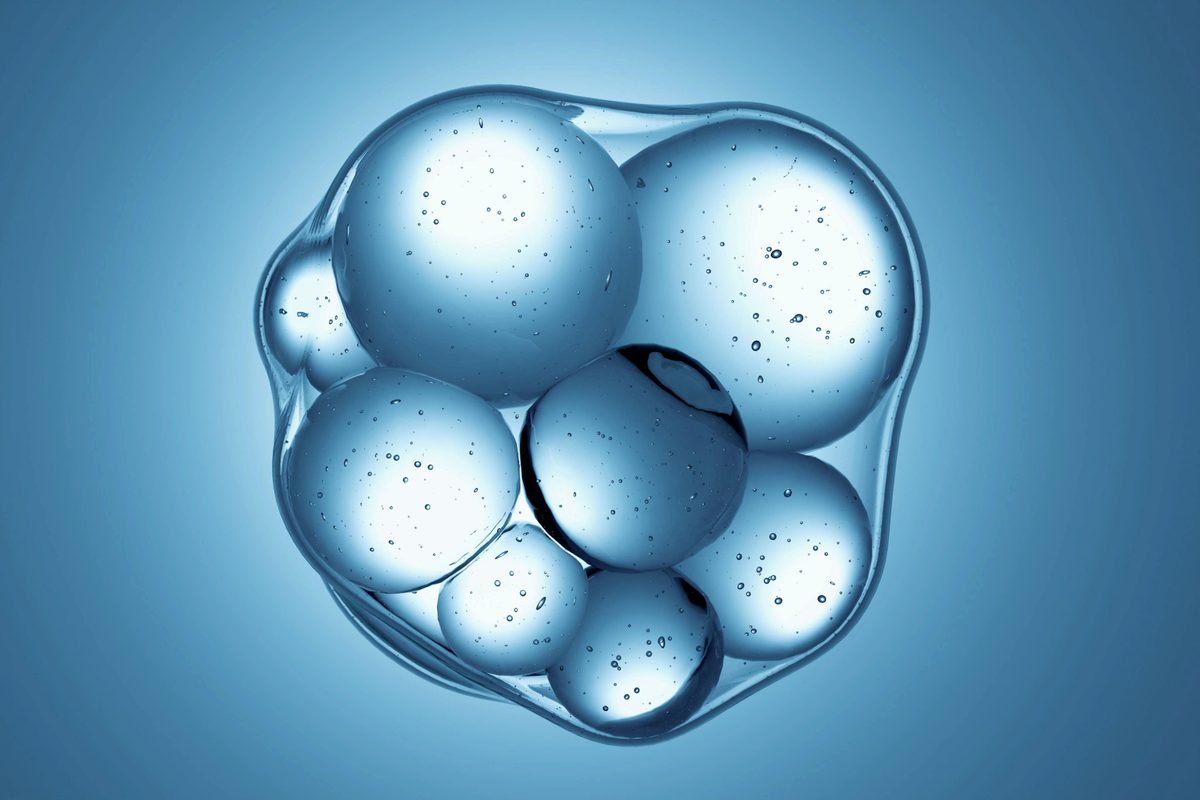
SpudCell can grow, replicate and divide, opening the door to a new era of biological engineering
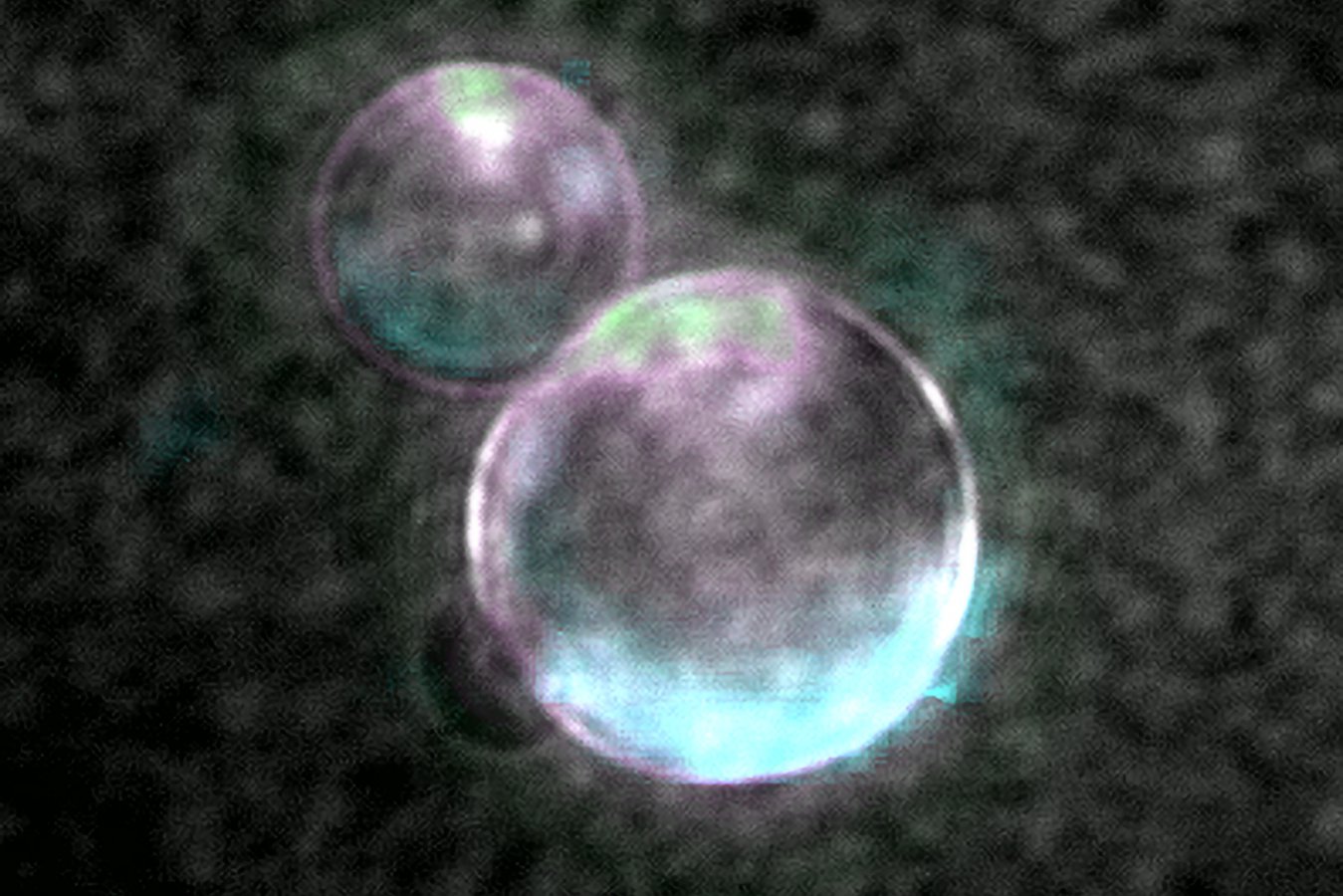
A prototype cell partly capable of replicating itself has been created using 36 existing bacterial genes, but it's not really a…

Stay up to date with notifications from The IndependentNotifications can be managed in browser preferences.Jump to contentThank…
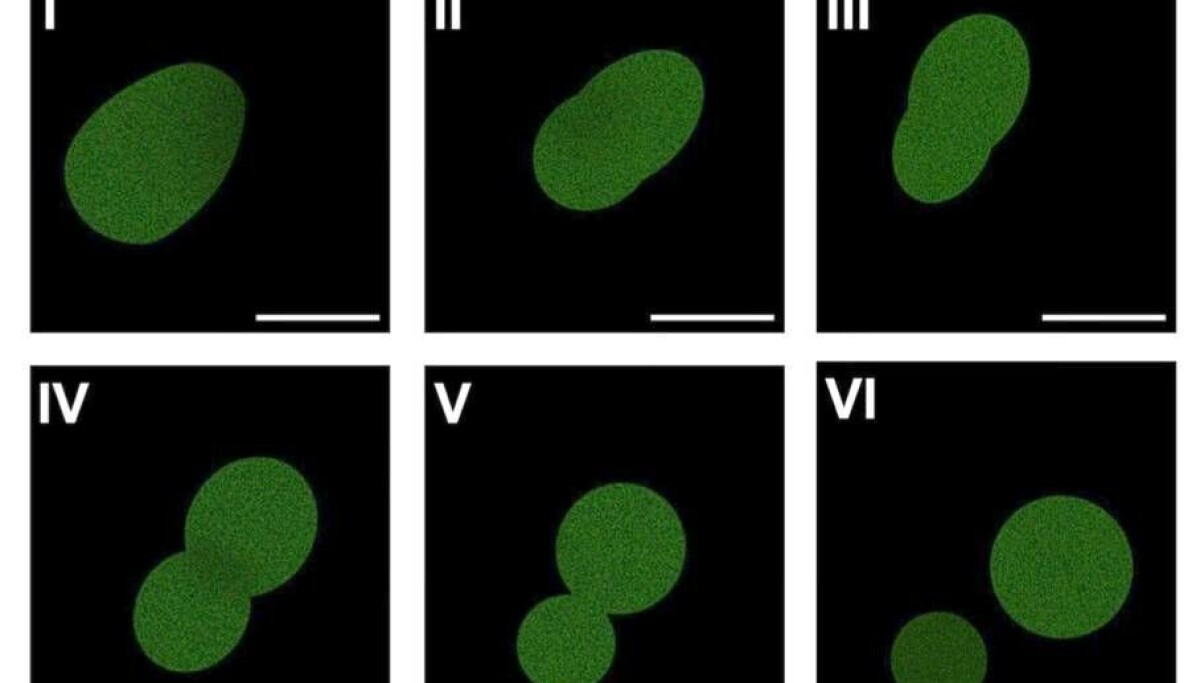
SpudCell can feed, divide, and even outcompete its siblings. It's not truly alive, its creator tells us, but it could still…
What is 'SpudCell'? Arguably the greatest bioengineering feat yet | New Scientist
‘World’s first’ synthetic cell can eat, grow and replicate, scientists claim
An artificial cell with a full lifecycle has been created for the first time
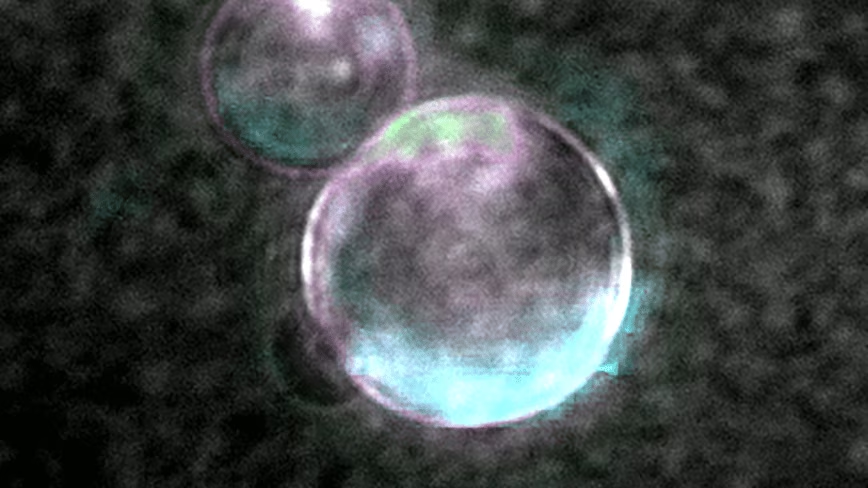
SpudCell: the first synthetic cell with a full life cycle
Chemistry Coding the SpudCell 🥔
Scientists create artificial life from chemicals, and it eats, grows, and divides like the real thing
Synthetic biology may finally be ready to solve life's biggest mystery