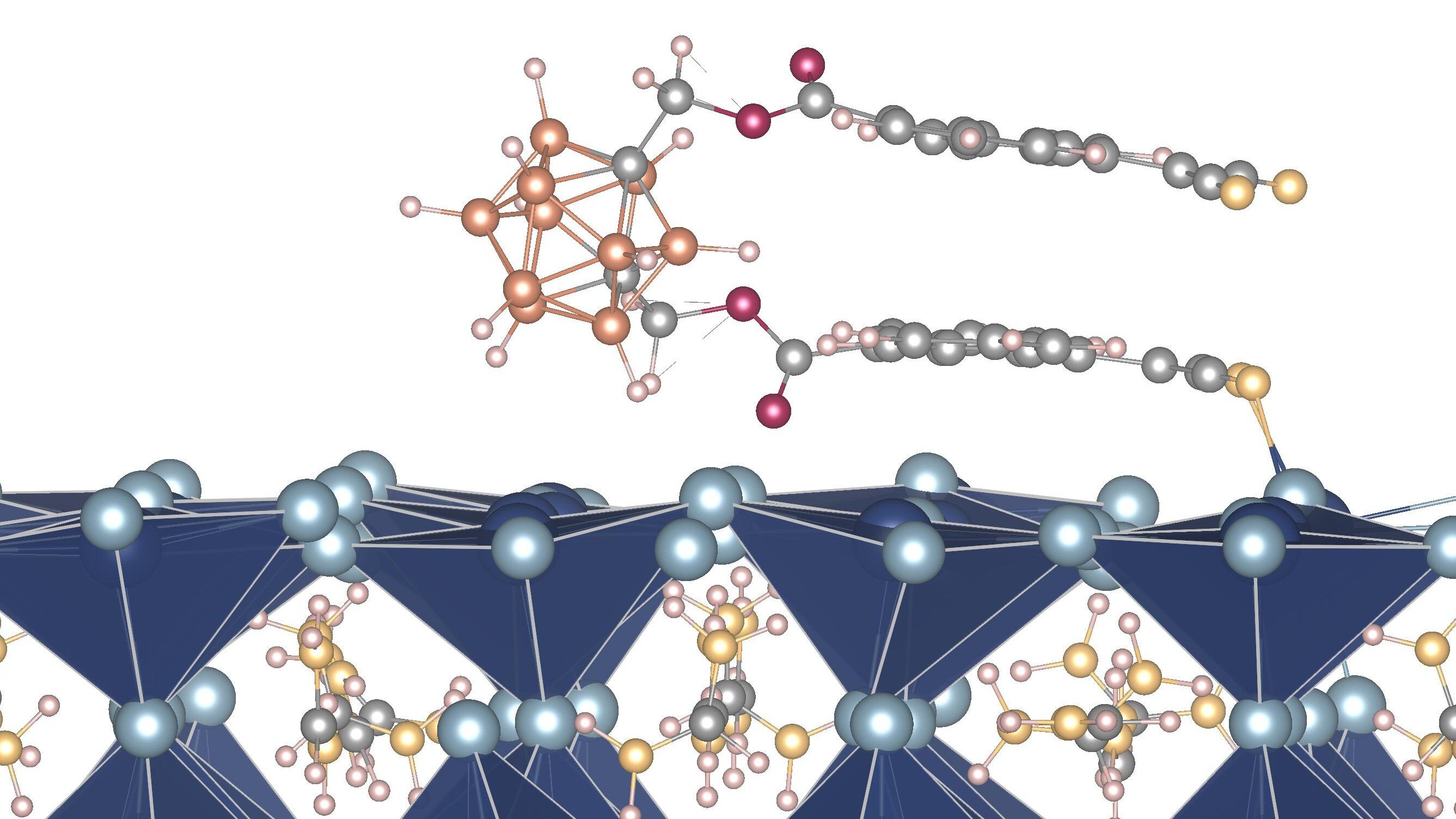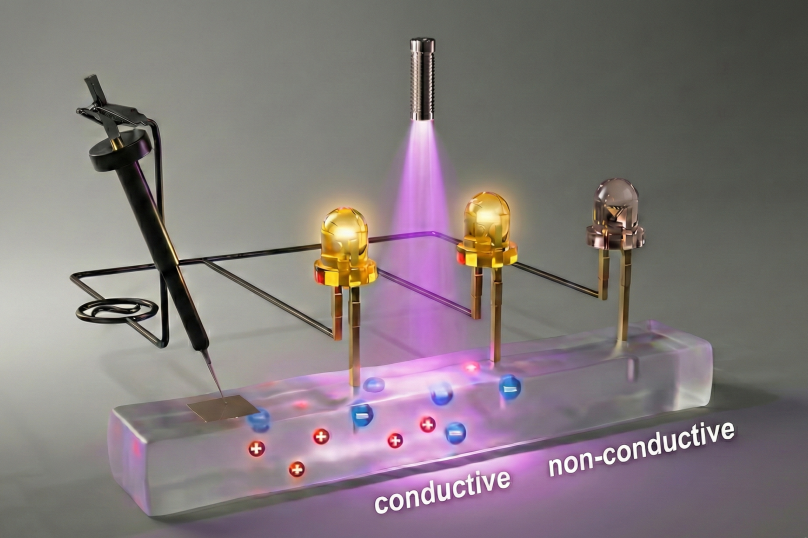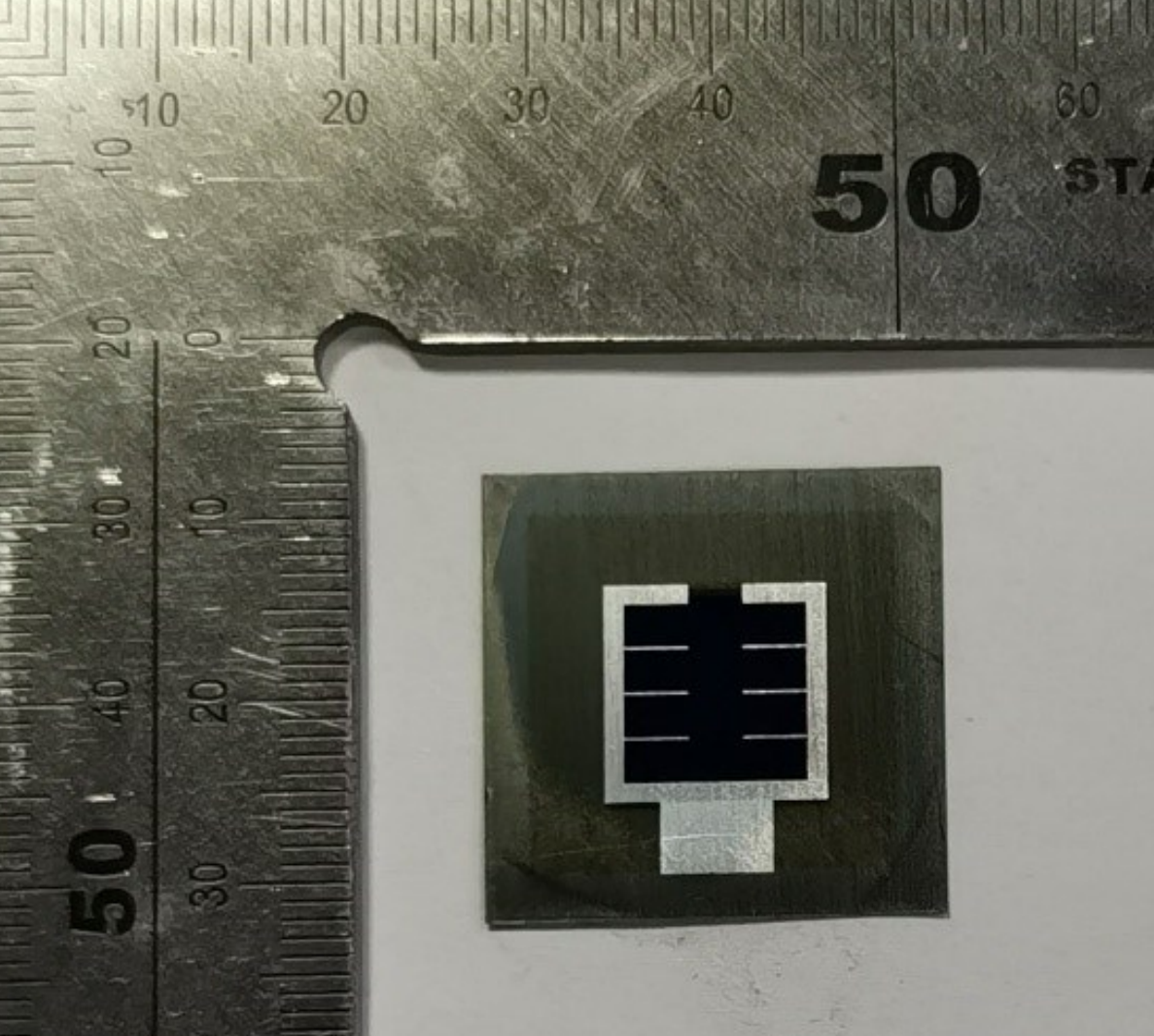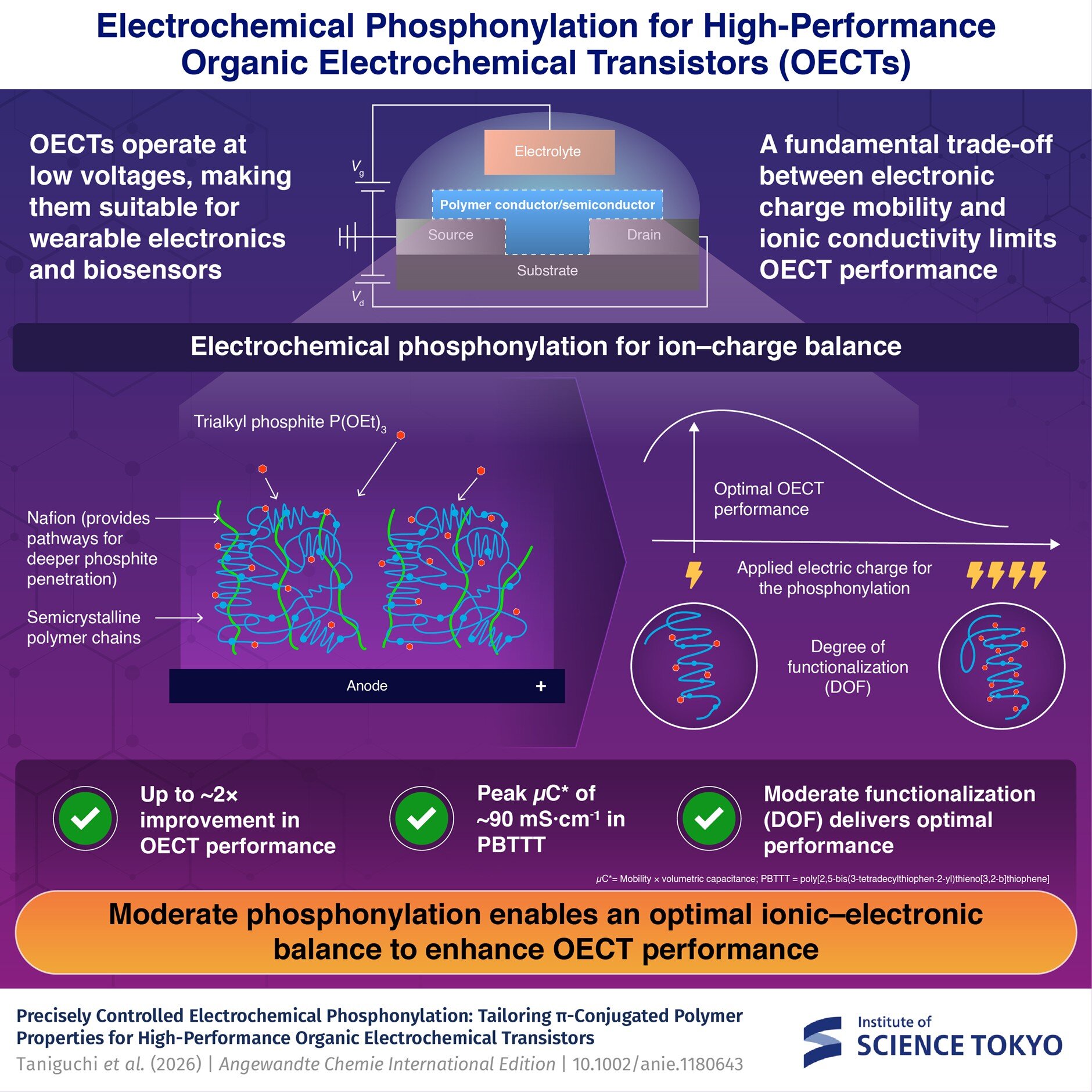
Researchers introduced phosphonate ester groups into semicrystalline conductive polymer films using a tunable electrochemical method. By controlling the degree of functionalization, they improved the balance between electronic charge transport and ionic conductivity, thereby enhancing OECT performance. Credit: Institute of Science Tokyo
By electrochemically introducing phosphonate ester groups into conductive polymer films, researchers at Science Tokyo have addressed a fundamental trade-off between electronic charge transport and ion transport, overcoming a key performance limitation in organic electrochemical transistors (OECTs).
The method enables precise tuning of polymer properties and can be applied to semicrystalline materials without redesigning monomers, supporting the development of improved biosensors and flexible electronic devices.
How OECTs work and their limits
Organic electrochemical transistors (OECTs) have garnered increasing attention for wearable electronics and biosensors due to their low-voltage operation. They consist of an electrolyte, a channel made from an organic semiconductor, and gate, source, and drain electrodes.