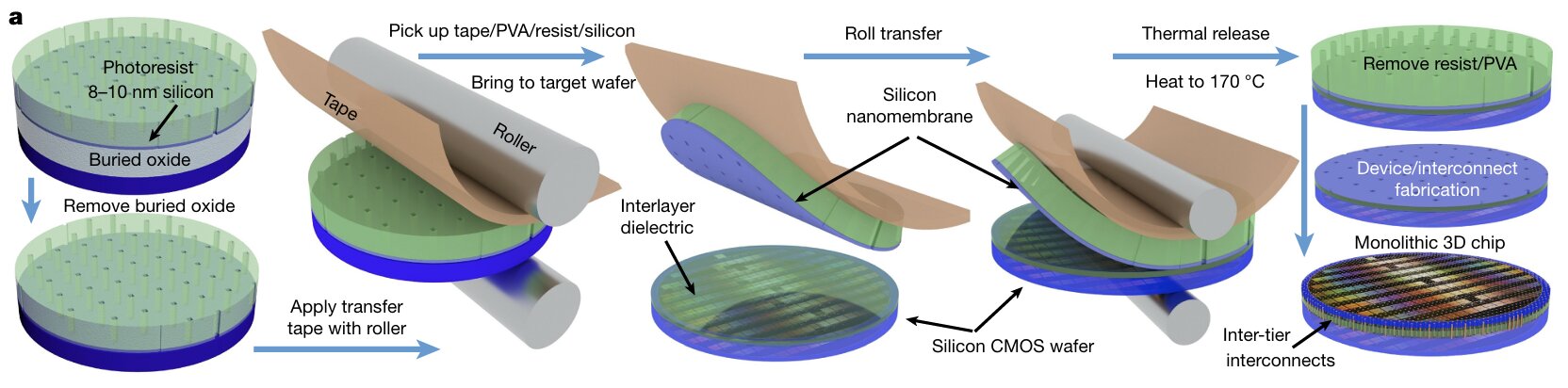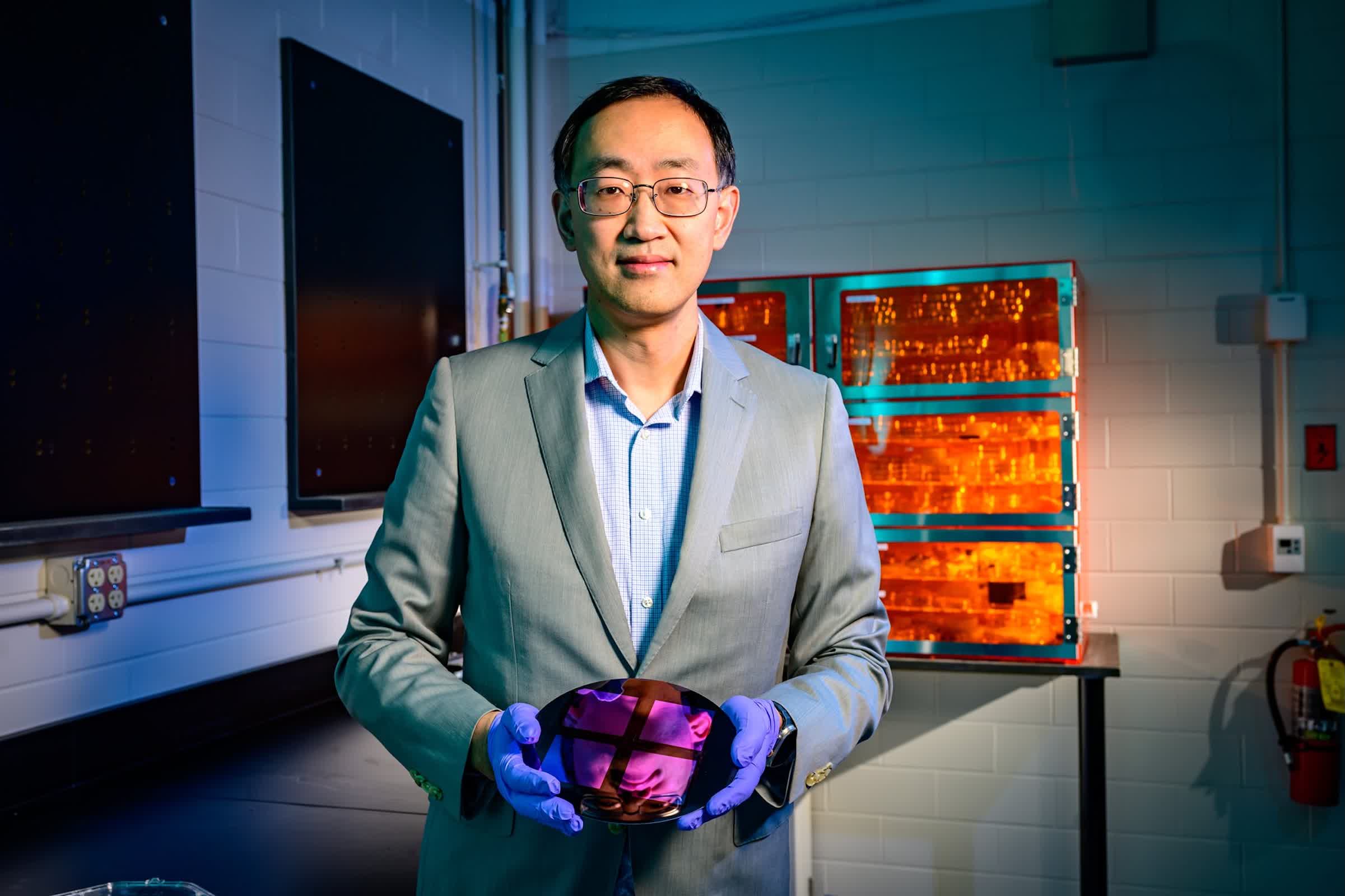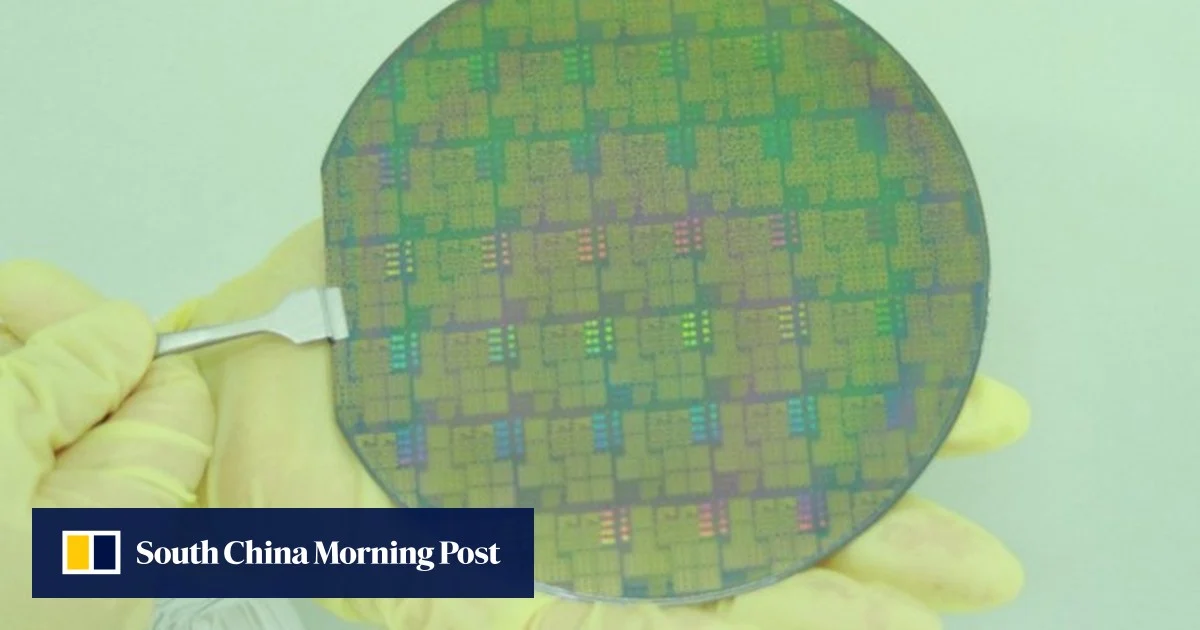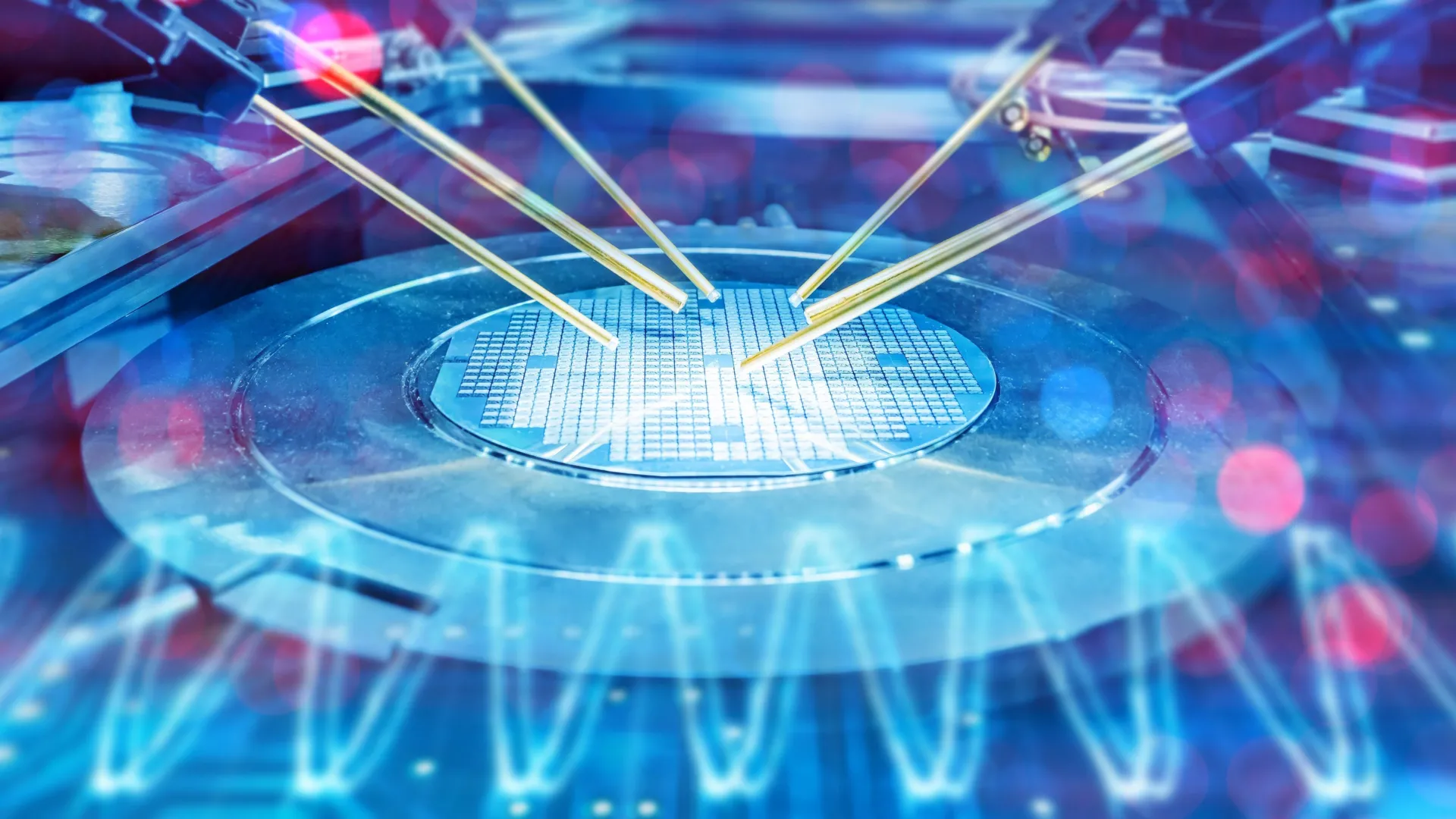
Silicon has powered computer chips for decades, but engineers are increasingly running into the material's physical limits. To keep making electronics smaller and more powerful, researchers are investigating ways to combine silicon with new ultrathin materials.
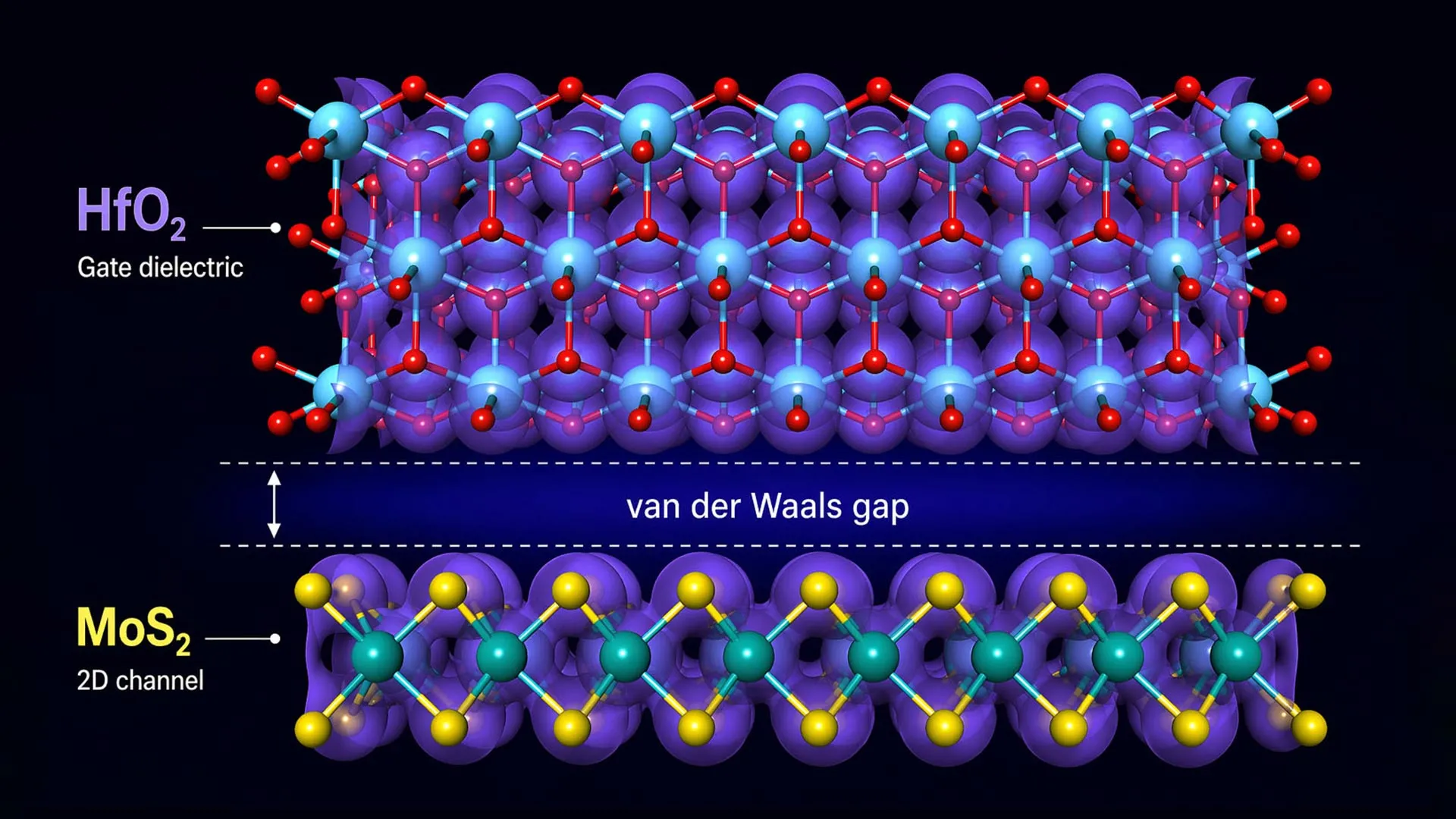
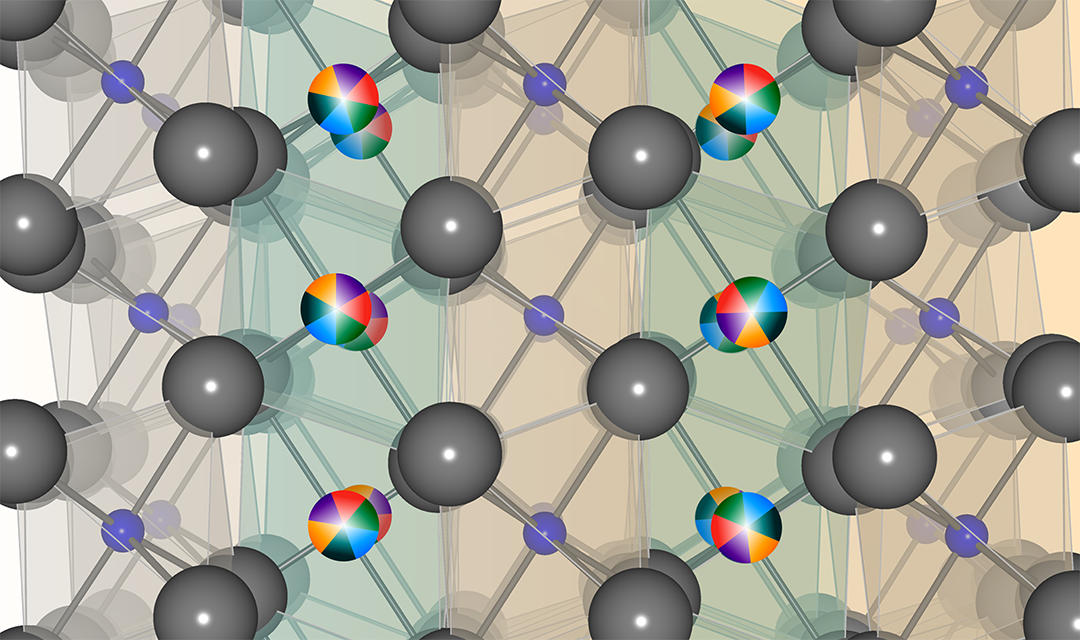
One promising group of materials is known as transition metal dichalcogenides (TMD). Among the leading candidates is molybdenum disulfide, a material just three atoms thick, consisting of a layer of molybdenum between two layers of sulfur.
Removing a Single Atomic Layer
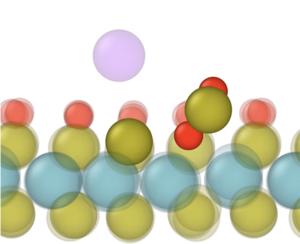
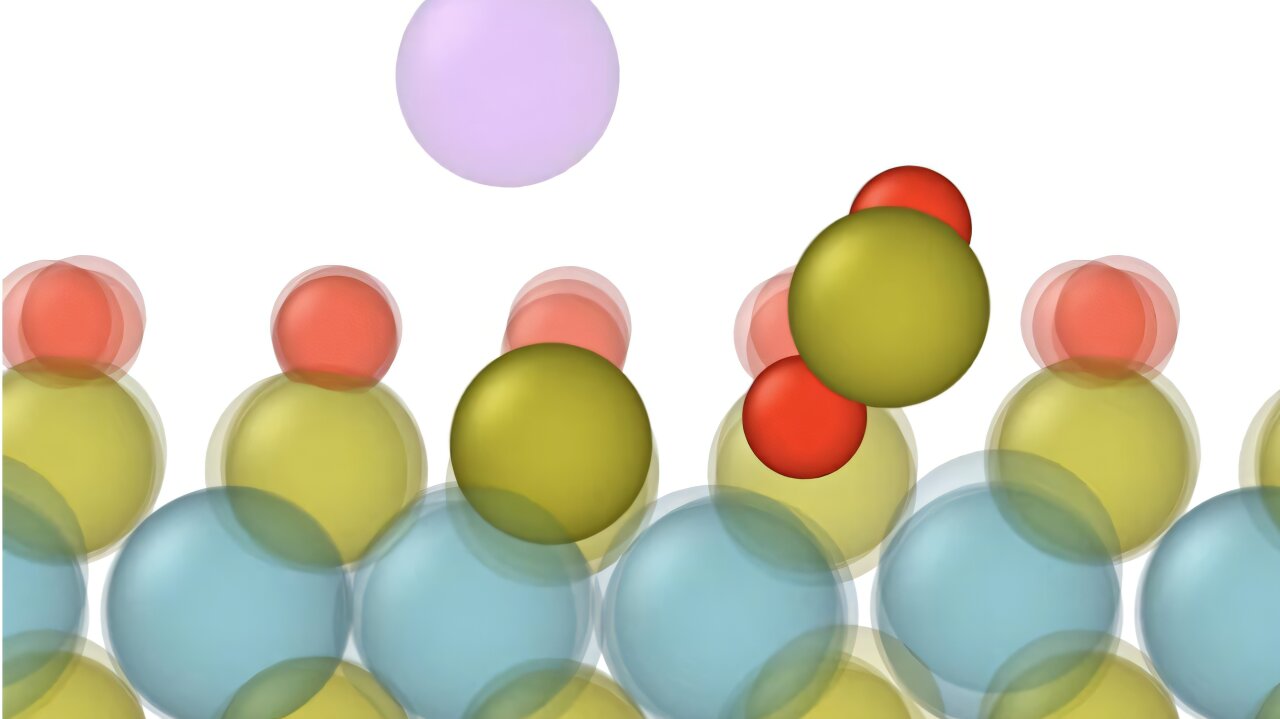
For future transistors that combine silicon and TMD materials, manufacturers may need to selectively remove atoms from only the upper sulfur layer while leaving the underlying layers untouched.
One common way to remove surface atoms involves plasma, the energetic state of matter found in the Sun and other stars. Plasma research has also been a major focus at the U.S. Department of Energy's (DOE) Princeton Plasma Physics Laboratory (PPPL) for the past 75 years.