Semiconductors such as silicon are the cornerstone of today’s essential technologies; however, the variety of materials available to power devices is limited. While metal oxides are durable, only a small subset is semiconducting as they are naturally insulators.
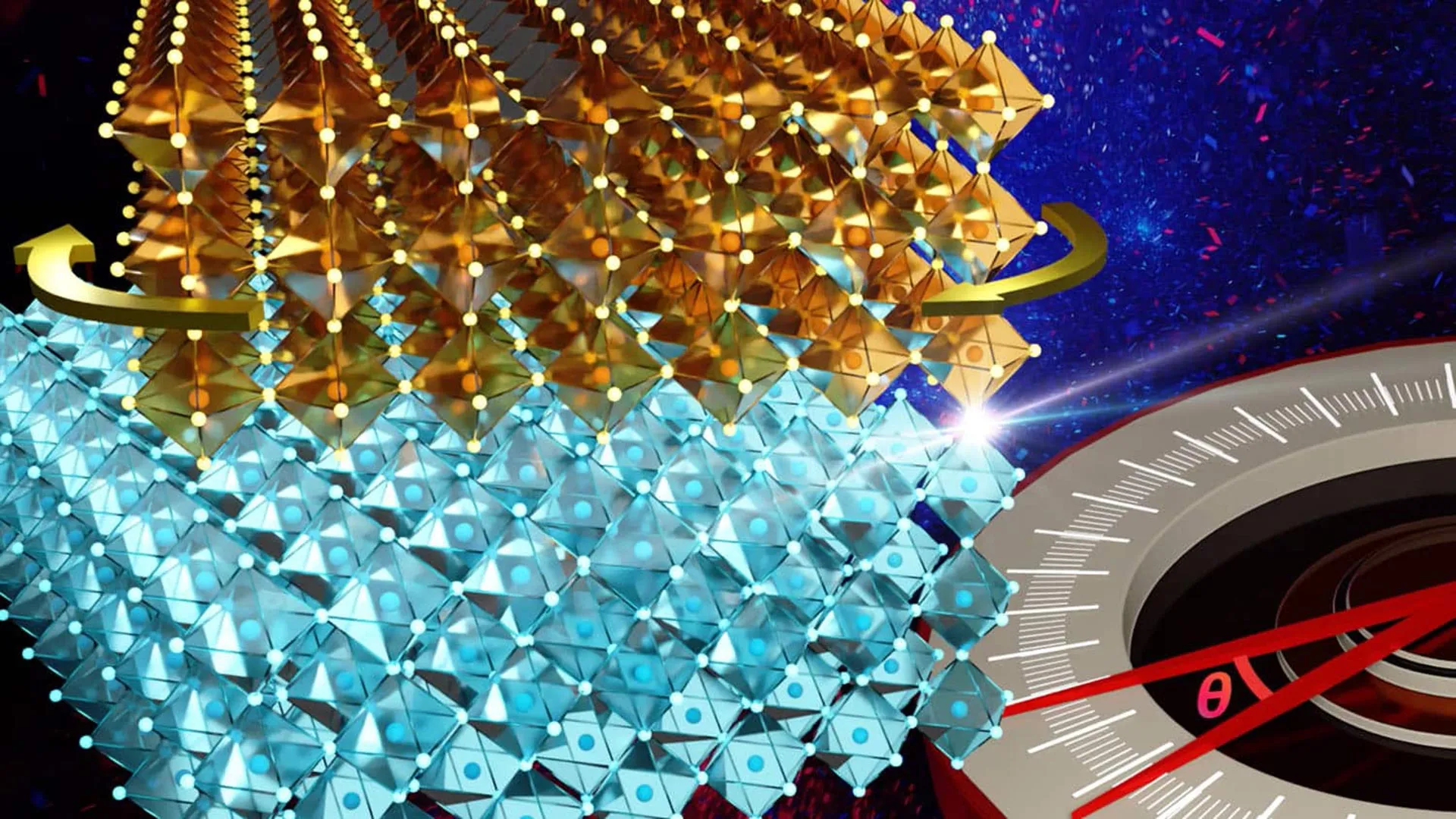
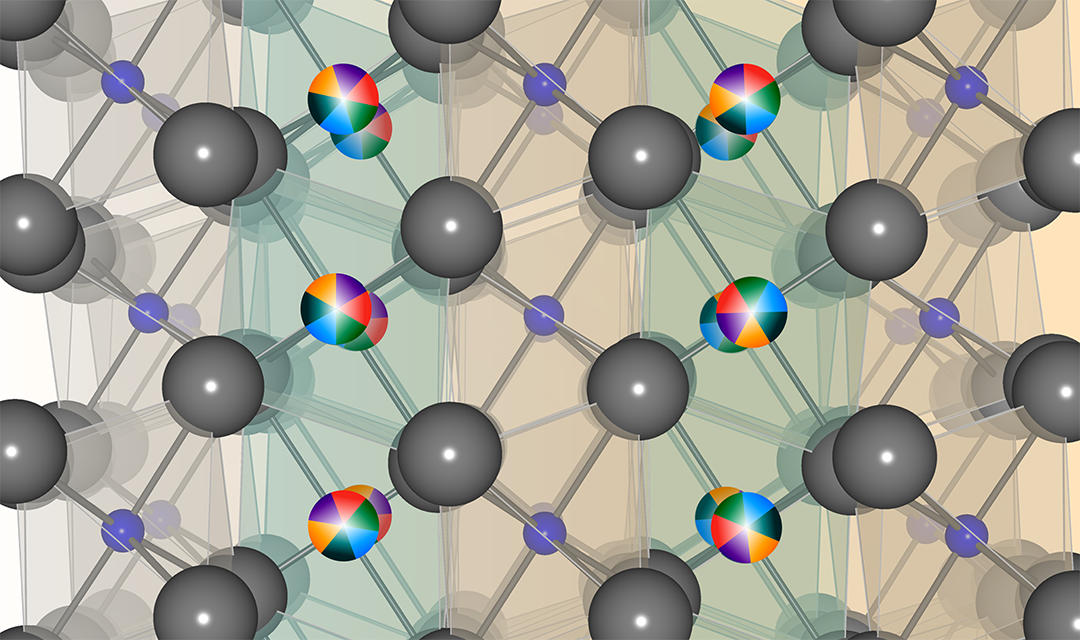
Researchers from Carnegie Mellon University and Penn State University have made a breakthrough by which they have successfully transformed an insulating metal oxide into a high-performance semiconductor by using a technique called high-entropy mixing. Developing a complex mixture of manganese, iron, cobalt, nickel, copper, and zinc into a tungsten oxide framework within a single crystal structure, called wolframite, the researchers intentionally created a state of high configurational entropy. The new material, A6WO4, possesses both semiconducting properties and ultra-low thermal conductivity, making it an ideal formulation for thermoelectric devices.
This approach activates unique microscopic mechanisms that we believe could serve as a new set of guiding principles for future materials.
Ismaila Dabo, Professor, Materials Science and Engineering
“This approach activates unique microscopic mechanisms that we believe could serve as a new set of guiding principles for future materials engineering and design of next-generation devices,” Ismaila Dabo, professor of materials science and engineering who contributed to this recently published research.