Ultrathin titanium dioxide film exhibits surprising properties that could advance semiconductor technology The growing popularity of electronic devices — from fitness trackers and laptops to smartphones — is driving demand for more energy-efficient computing chips. Now, researchers have found a way to change the electronic properties of a common semiconductor material, potentially laying the foundation for faster, lower-power data storage and processing.
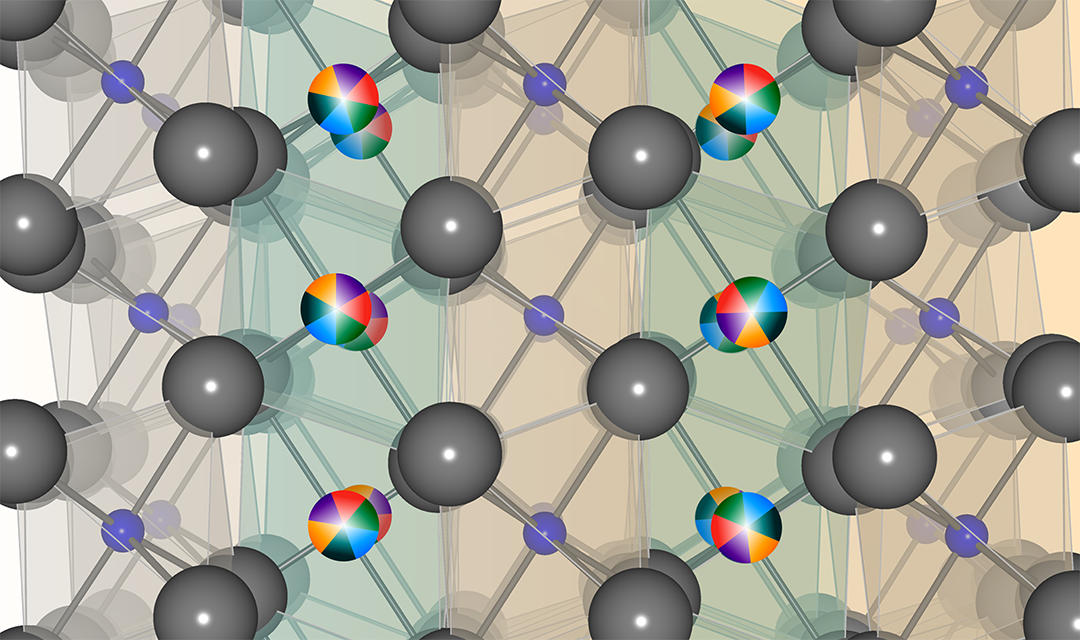
In a study published in Science, a UC Berkeley-led team of researchers discovered they can transform titanium dioxide (TiO₂) into a ferroelectric material by reducing its thickness to less than 3 nanometers (nm), roughly the diameter of a single strand of human DNA. These findings, according to the researchers, could open a pathway toward ultra-scaled, energy-efficient electronic devices.
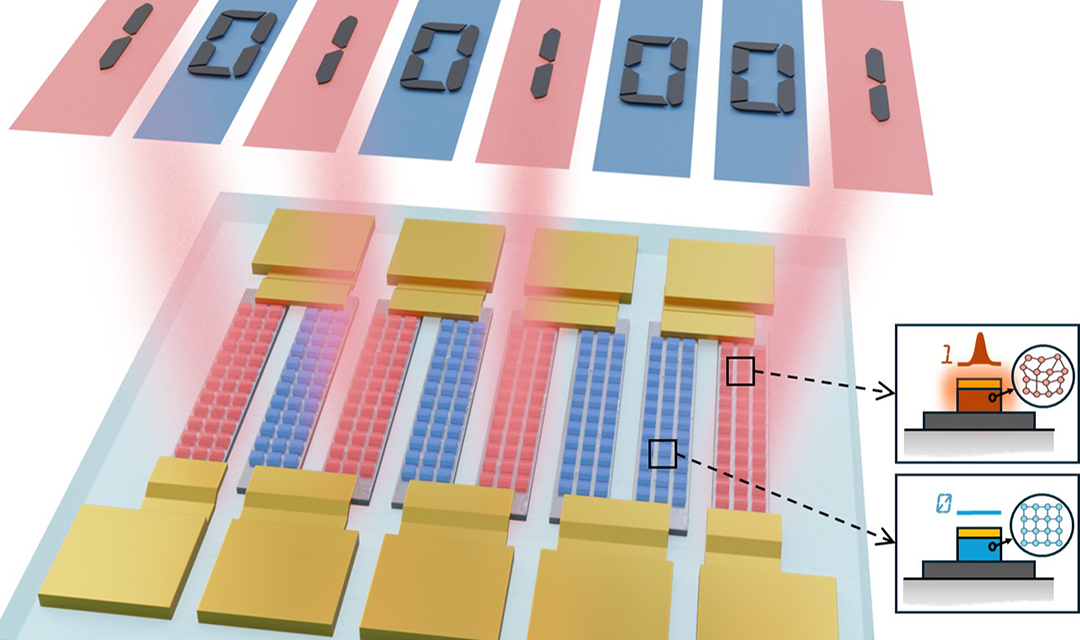
Ferroelectric materials, with their ability to switch electric polarizations, have a long history in the semiconductor industry. Today, many researchers believe that they may hold the key to enabling next-generation, energy-efficient nanoelectronics, including non-volatile memory, logic devices and emerging computing technologies.
But achieving robust ferroelectric behavior in an ultrathin material — an important factor in the miniaturized world of semiconductors — has posed a major obstacle. Another hurdle has been finding a ferroelectric material that can integrate well with existing silicon-based technologies.