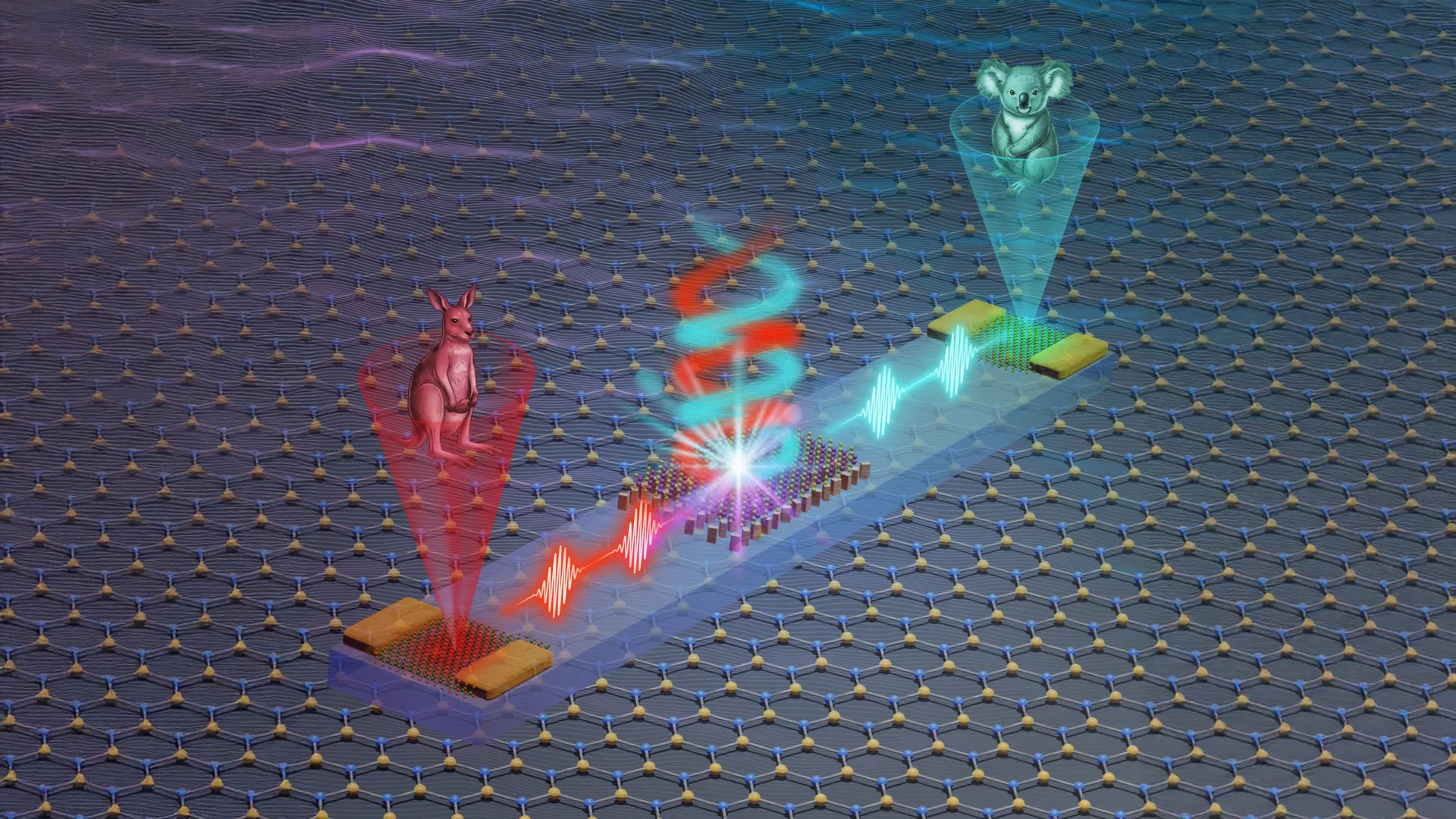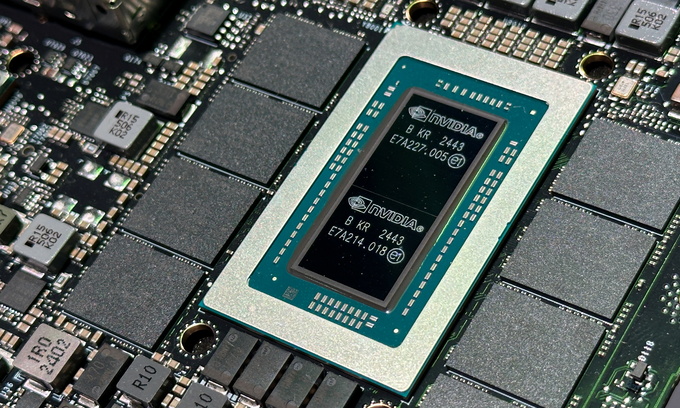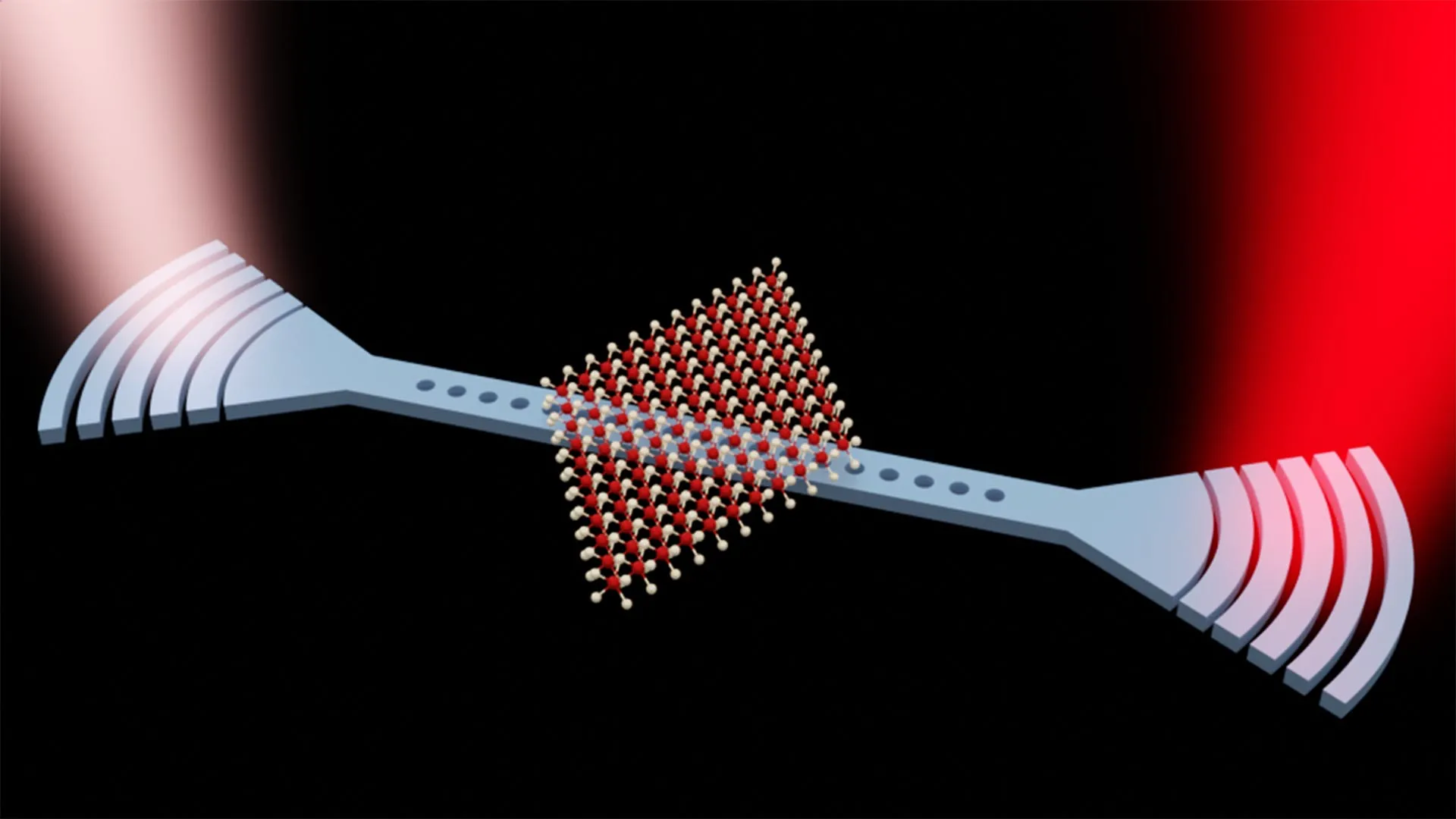
Eighty years after the creation of ENIAC, the world's first general-purpose electronic computer, researchers at the University of Pennsylvania are exploring a new way to power the future of computing. Instead of relying entirely on electrons, which have formed the backbone of computers since the 1940s, scientists are now turning to light.
ENIAC, developed by Penn researchers J. Presper Eckert and John Mauchly, helped launch the modern computing era by using streams of electrons to solve complex mathematical problems. That same electronic approach still powers today's computers, smartphones, and AI systems. But as artificial intelligence grows more demanding, the limits of electron-based hardware are becoming harder to ignore.
Why Electrons Are Reaching Their Limits
Electrons carry an electrical charge, which creates several challenges inside modern computer chips. As they move through materials, they generate heat and face resistance that wastes energy. Those problems become even more difficult as chips grow more complex and process enormous amounts of data for AI applications.
Researchers led by Penn physicist Bo Zhen in the School of Arts & Sciences believe photons, the particles that make up light, could help solve some of these issues.