Scientists have developed a surprising new way to power materials that normally cannot conduct electricity, opening the door to a new generation of ultra pure near infrared LEDs for medical imaging, communications technology, and advanced sensors.
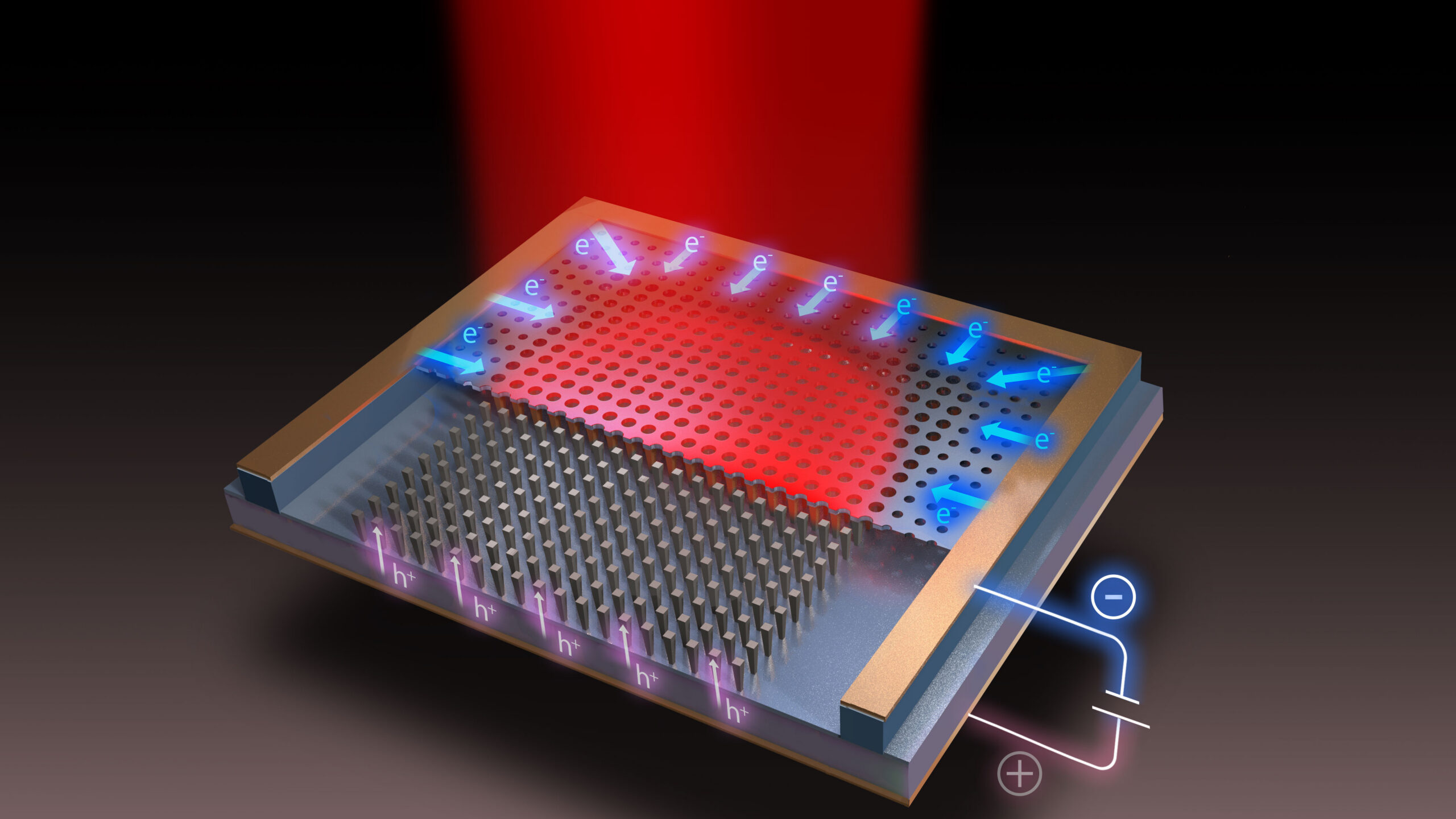
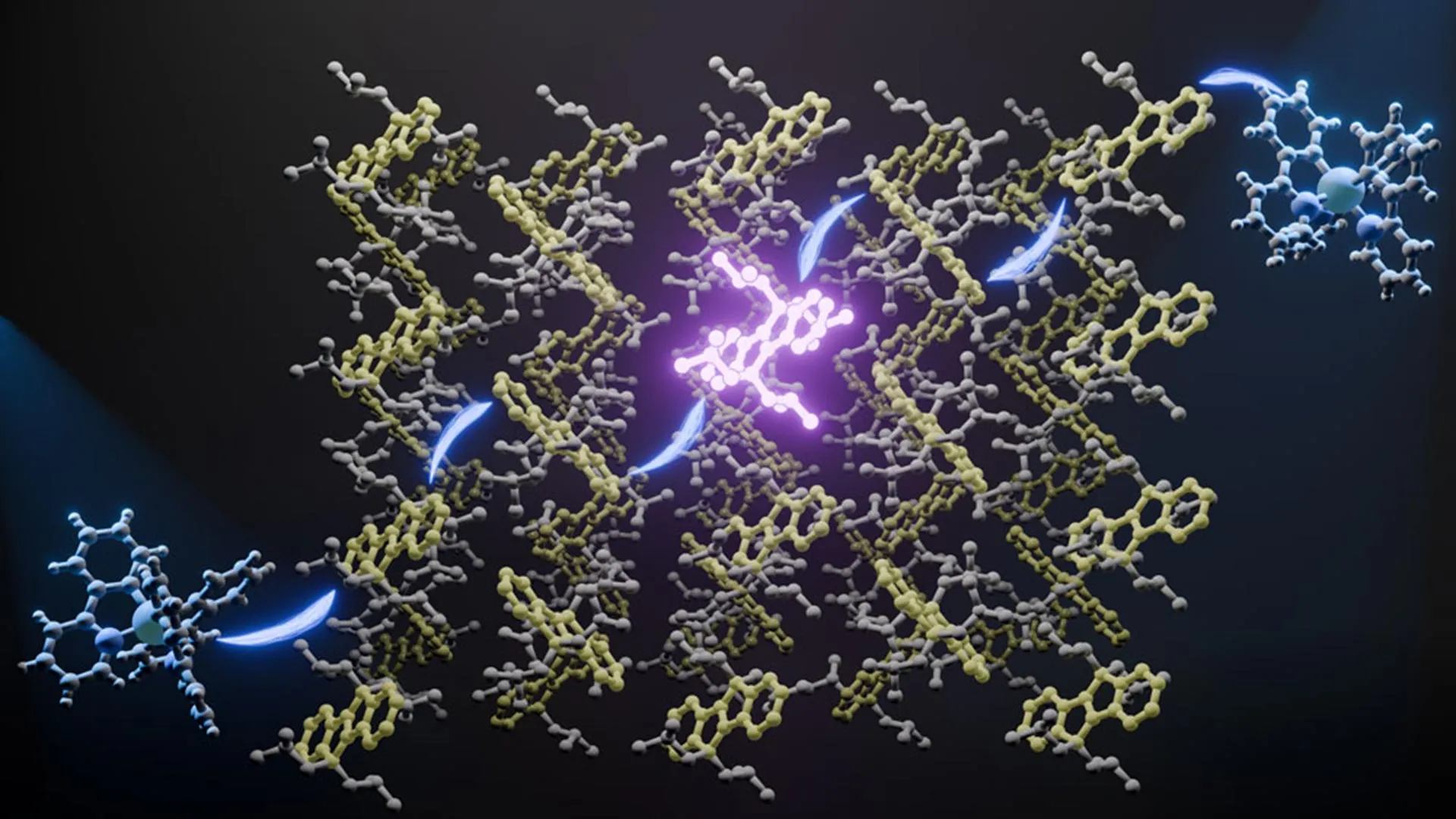
The breakthrough relies on tiny "molecular antennas" that funnel electrical energy into insulating nanoparticles. By using this method, researchers at the Cavendish Laboratory at the University of Cambridge created the first LEDs ever built from these previously "unpowerable" materials.
Their findings were published in Nature.
Molecular Antennas Power Insulating Nanoparticles
The research centers on lanthanide doped nanoparticles (LnNPs), materials known for producing exceptionally stable and highly pure light. They are especially valuable because they emit light in the second near infrared region, which can travel deep into biological tissue. This makes them attractive for medical imaging and sensing technologies.