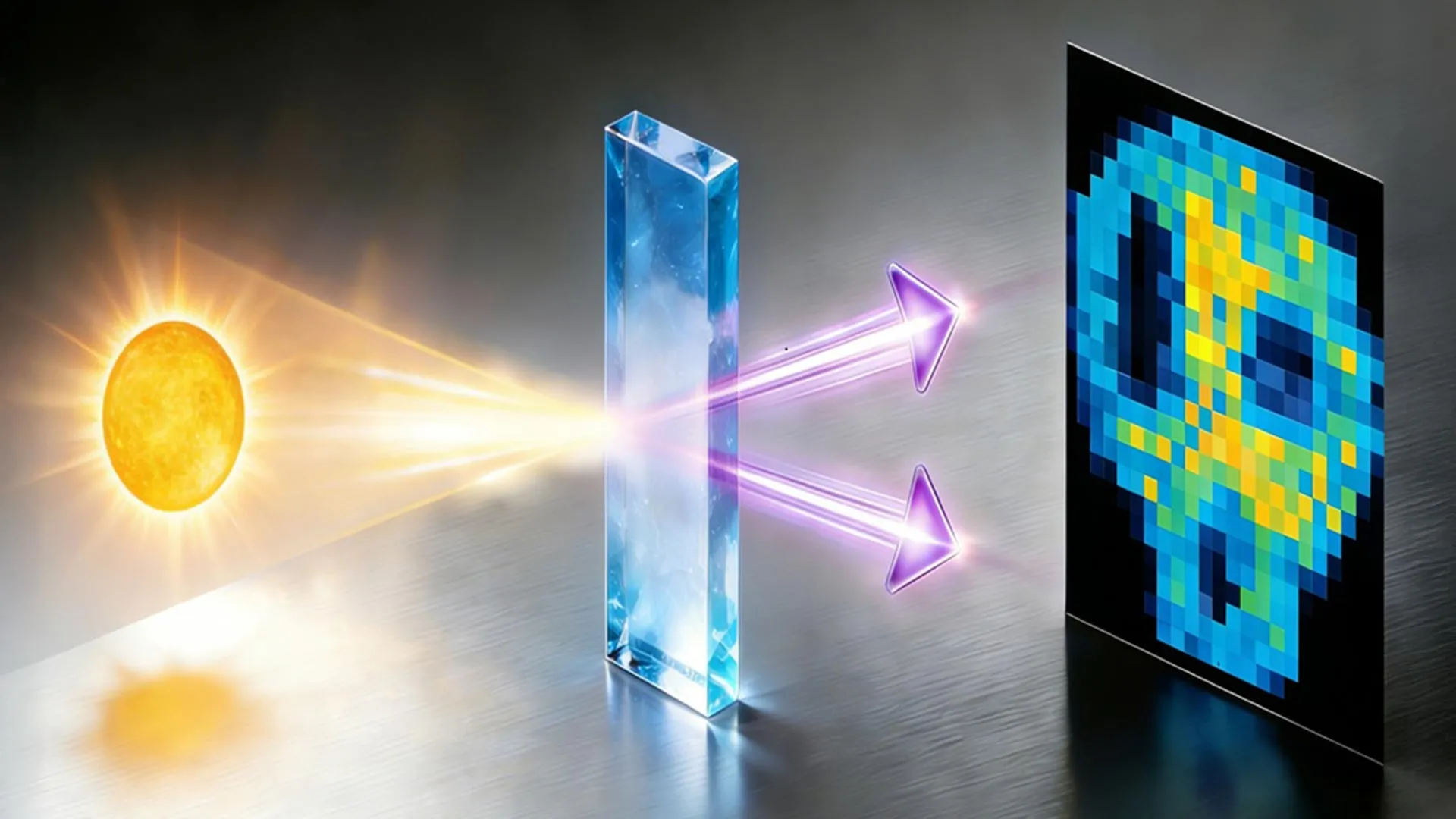
Correlated and entangled photon pairs are essential tools in quantum optics. Scientists usually create these photon pairs through a process called spontaneous parametric down-conversion (SPDC), in which a powerful, highly stable laser shines into a nonlinear crystal. Because SPDC depends so heavily on coherent laser light, researchers have long considered the technique impractical outside carefully controlled laboratory environments.
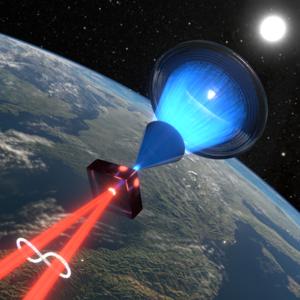
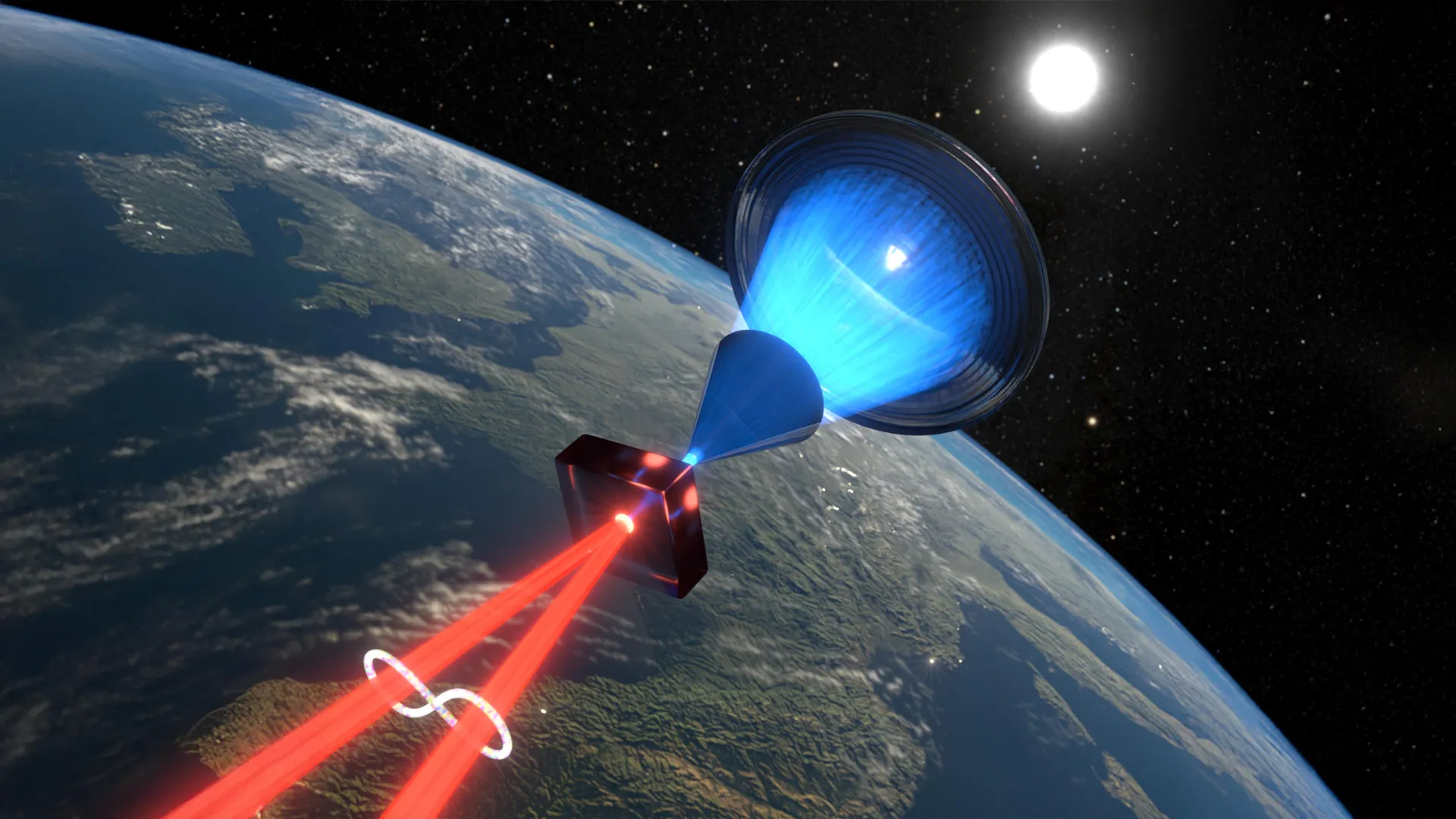
More recently, studies have shown that perfectly coherent light is not actually required for SPDC to work. Even partially coherent light sources can produce correlated photon pairs, while also transferring some of their own coherence properties to the generated photons. That discovery led researchers to ask an intriguing question: could sunlight itself be used to generate correlated photon pairs?
Using Sunlight for Quantum Optics
Turning sunlight into a usable SPDC source comes with major obstacles. Sunlight reaching Earth constantly fluctuates in brightness, direction, and position, making it difficult to maintain the precise alignment needed for SPDC experiments and photon detection.
At the same time, sunlight offers a major advantage. Unlike lasers, it does not require electrical power or complex laboratory equipment. A sunlight-based system could potentially operate in remote locations or even in space where traditional laser systems may be impractical.