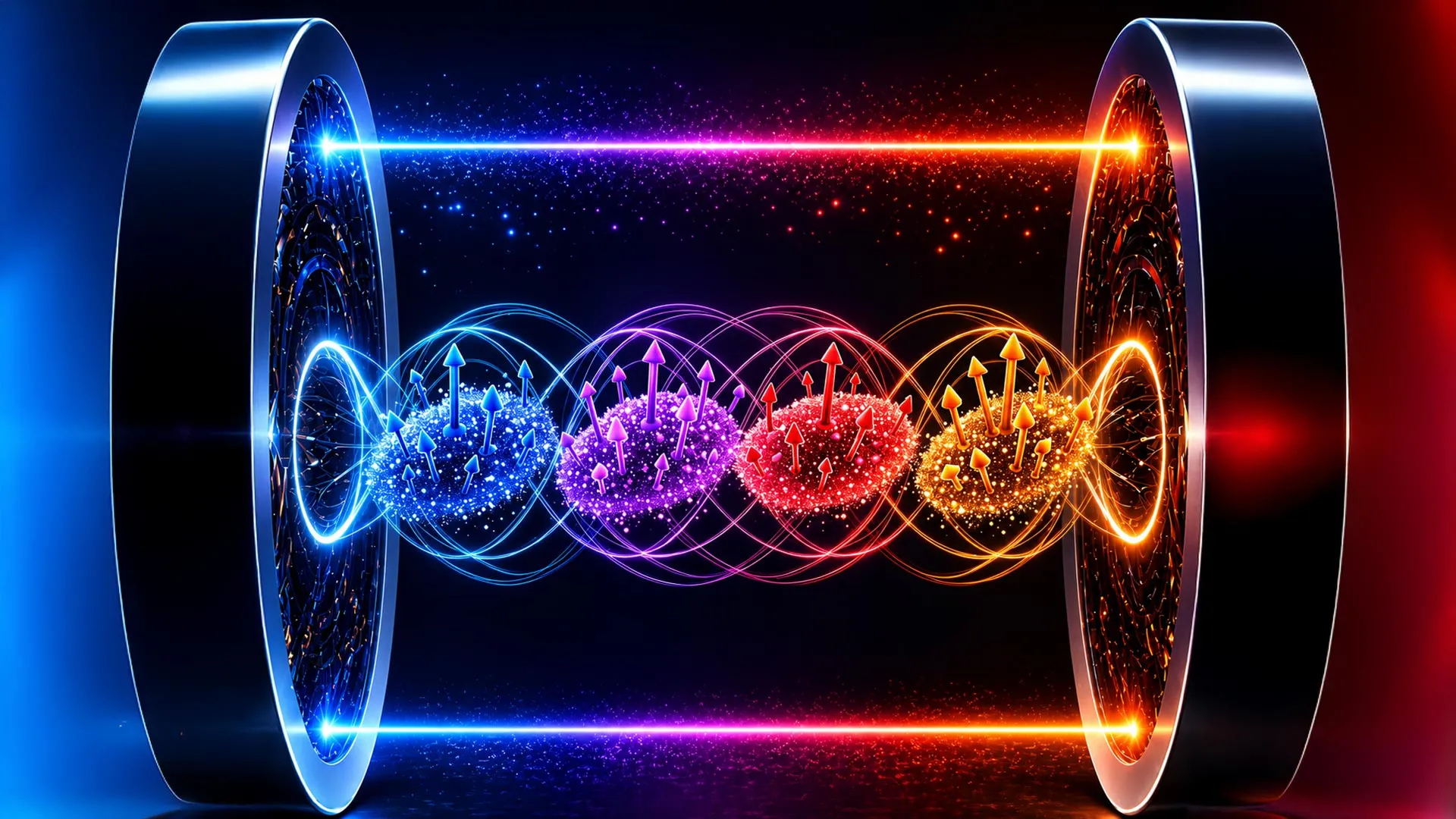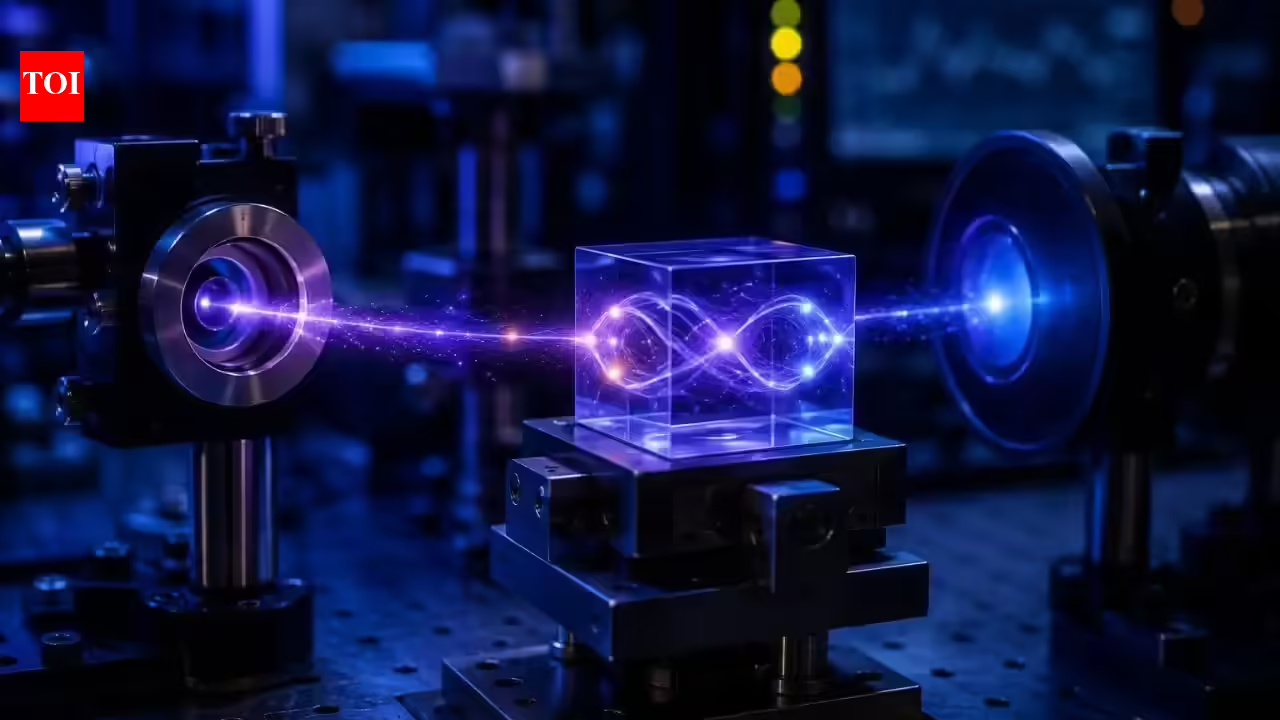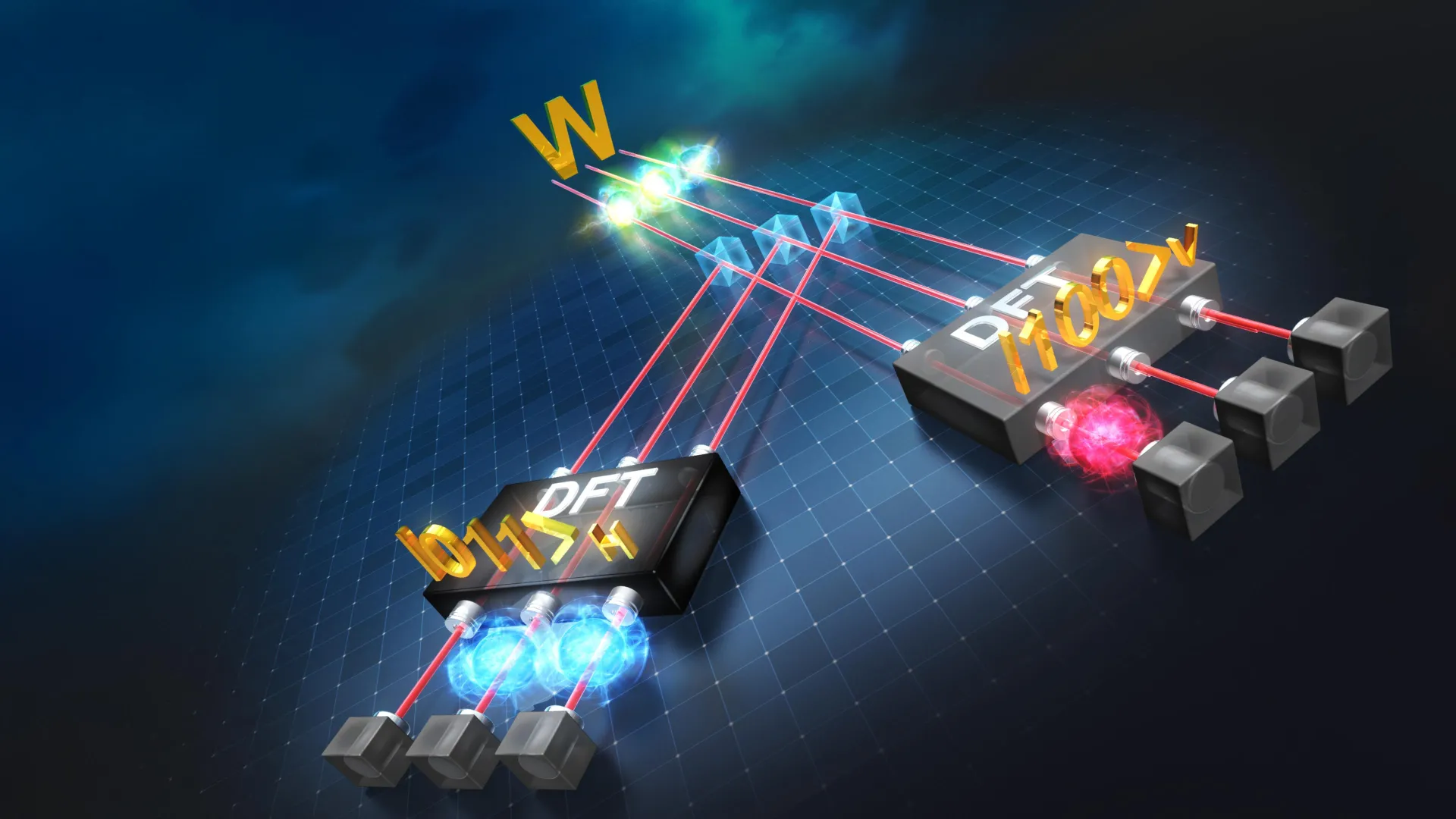
Quantum entanglement is one of the strangest features of the quantum world. It describes a situation in which particles such as photons are so deeply linked that their properties cannot be fully understood one by one. Instead, the system has to be treated as a whole. That idea sharply conflicts with the classical view that every particle should carry its own independent reality, a conflict that famously troubled Einstein.
Today, entanglement is more than a philosophical puzzle. It is a key ingredient in many of the technologies researchers hope will define the future, including quantum computing, quantum communication, quantum teleportation, and quantum networks.
The Challenge of Reading Quantum States
To build those technologies, scientists need to do more than create entangled states. They also need reliable ways to tell exactly what kind of entangled state they have made.
That is where the problem becomes difficult. A standard method called quantum tomography can estimate a quantum state, but the number of measurements needed grows explosively as more photons are added. For systems made of many entangled photons, that creates a serious bottleneck.