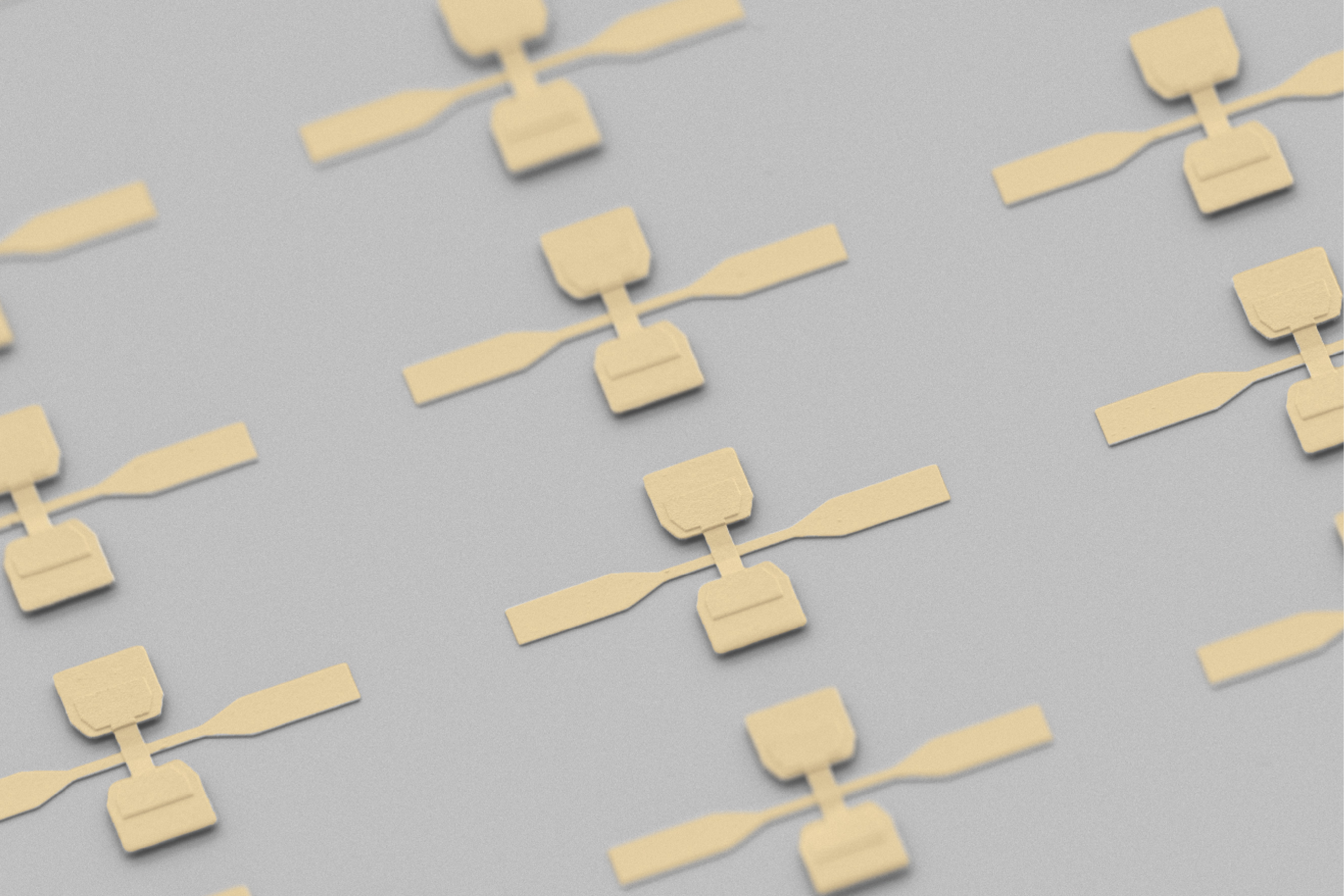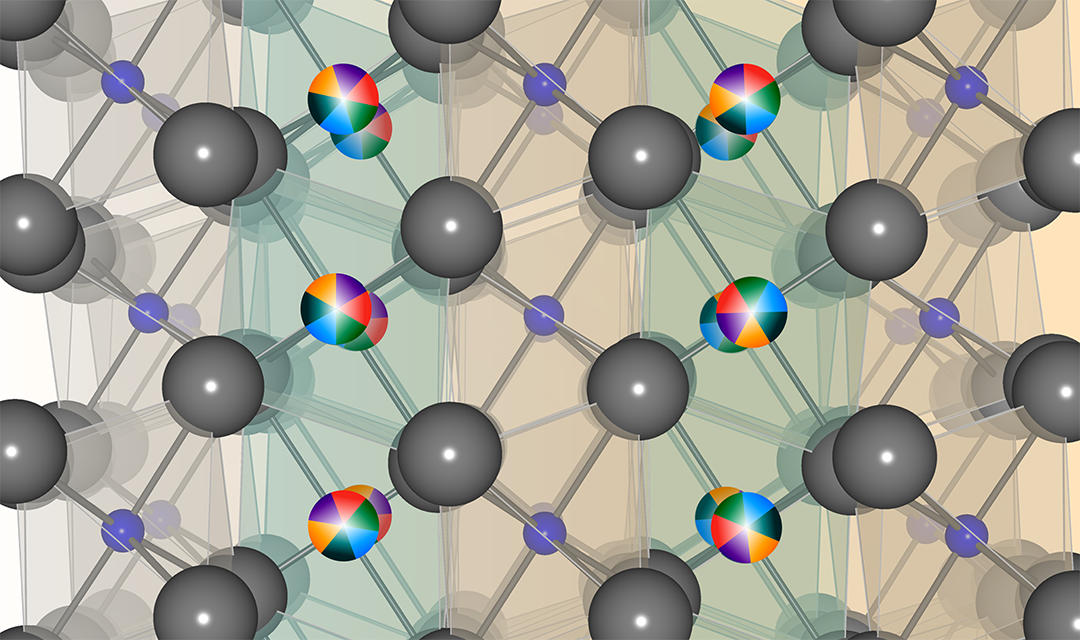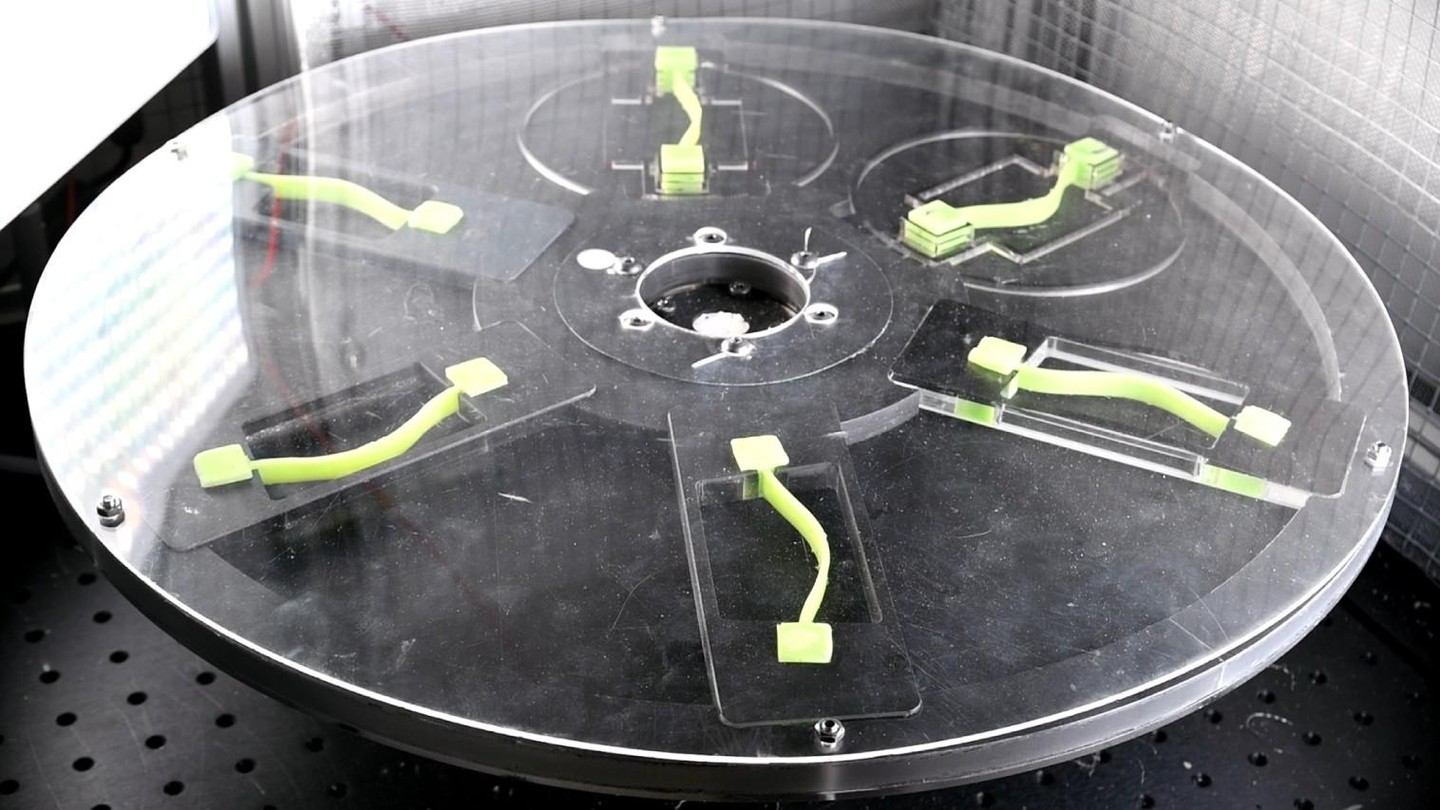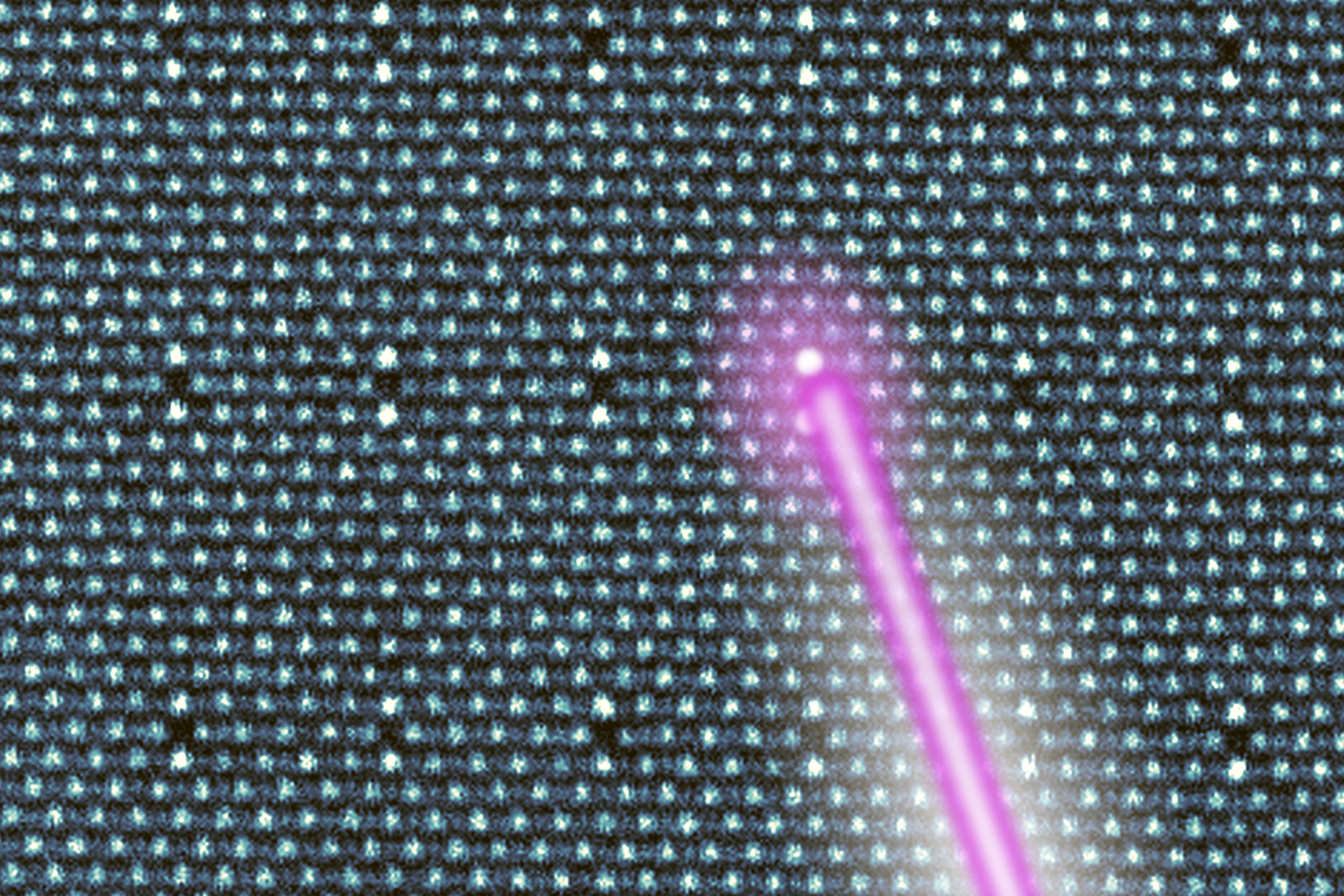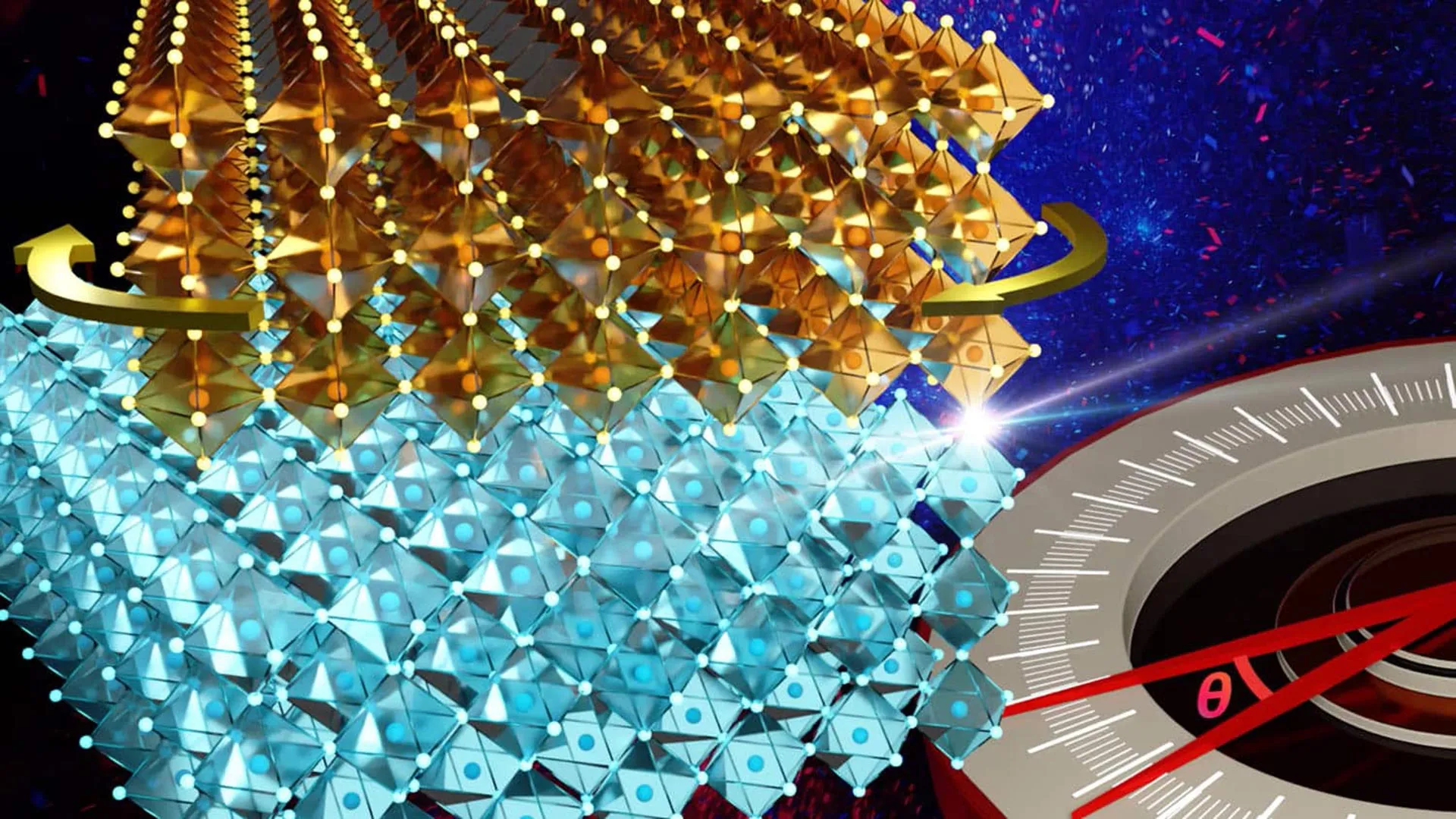
Researchers have developed a way to make twisted oxide materials over much larger areas while maintaining precise control over how their layers are rotated. The advance could help move twistronics closer to practical electronic devices by giving scientists greater control over both the scale and internal structure of these materials.
Twistronics explores how rotating one layer of a two-dimensional (2D) material relative to another can change the material's electronic behavior. Until now, much of the field has focused on extremely thin materials held together by relatively weak forces.
"The field of twistronics was developed using 2D materials that are bonded by weak van der Waals forces," says Ruijuan Xu, corresponding author of a paper on the work and an assistant professor of materials science and engineering at North Carolina State University. "Our work here demonstrates it is possible to use layers of oxide materials that are connected by strong chemical bonds - while precisely controlling the twist angle between crystalline oxide membranes.
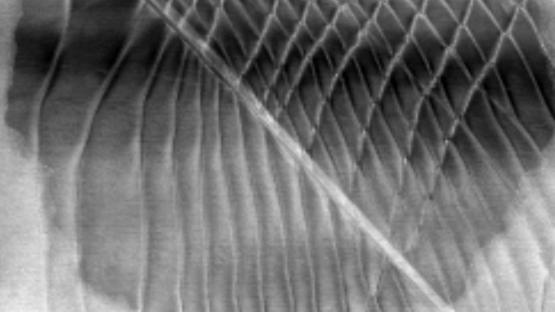
"The strong interlayer bonding we found between oxide layers suggests there may be entirely new interfacial phenomena to explore," adds Xu. "We've demonstrated the ability to control many of the materials' characteristics - including phase structure and domain configuration - in ways that offer new routes for designing materials and devices tailored to specific applications."