view more
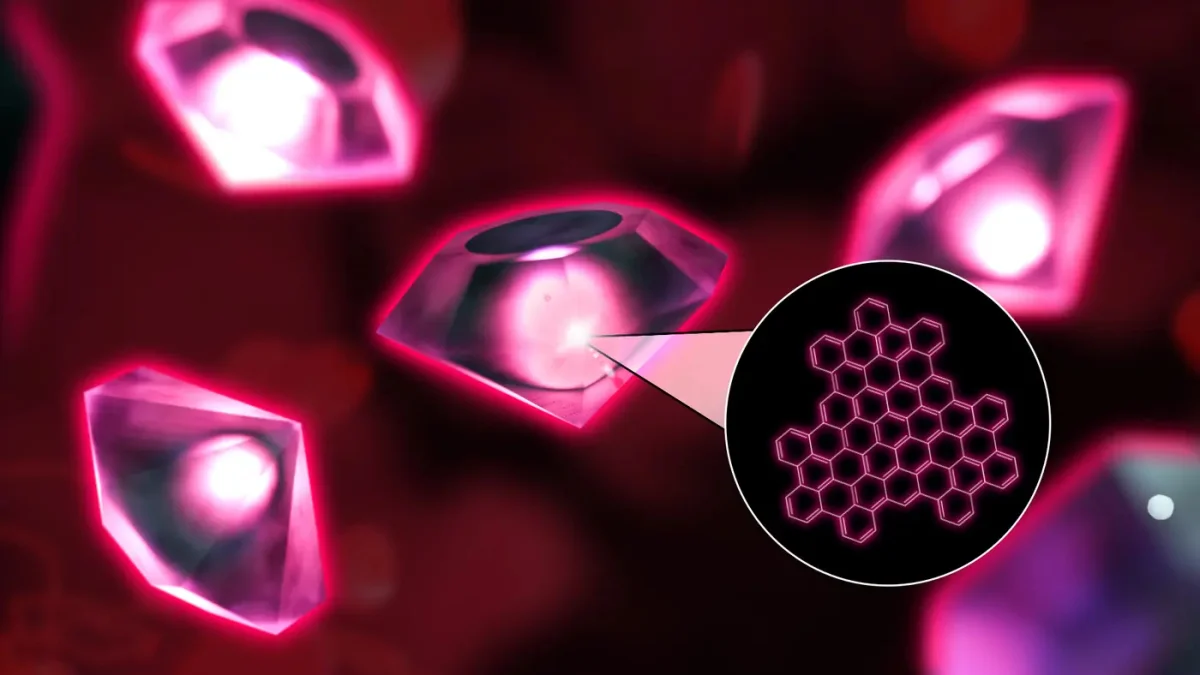
Nanocarbons are molecular-scale carbon structures considered to be the building blocks for next-generation materials. Until now, scientists have built them by fusing small, flat carbon molecules together at their edges. Modifying the inside of a molecule was considered challenging because inner bonds are locked into flat, rigid structures that resist change.
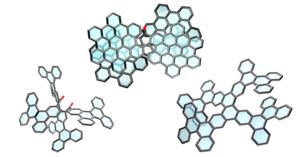
Researchers at Nagoya University in Japan have shown that a chemical process focused on the interior of a molecular structure can create chiral nanocarbons. Like our hands, these molecules exist in mirror-image left- and right-handed forms. The method, known as skeletal editing, allowed the research team to cut and reform bonds inside common flat carbon molecules, such as small pieces of graphene. They could then build new chiral nanocarbons in various shapes, including molecules with 10-carbon rings and a double helix.
These new molecules do surprising things. They all glow with light that spirals as it travels. Two can hold multiple electrical charges without breaking. One of them also keeps its handed shape even at 280 degrees Celsius. Another assembles into a porous crystal that can trap and release carbon dioxide, a property that could be useful for gas storage materials.