view more
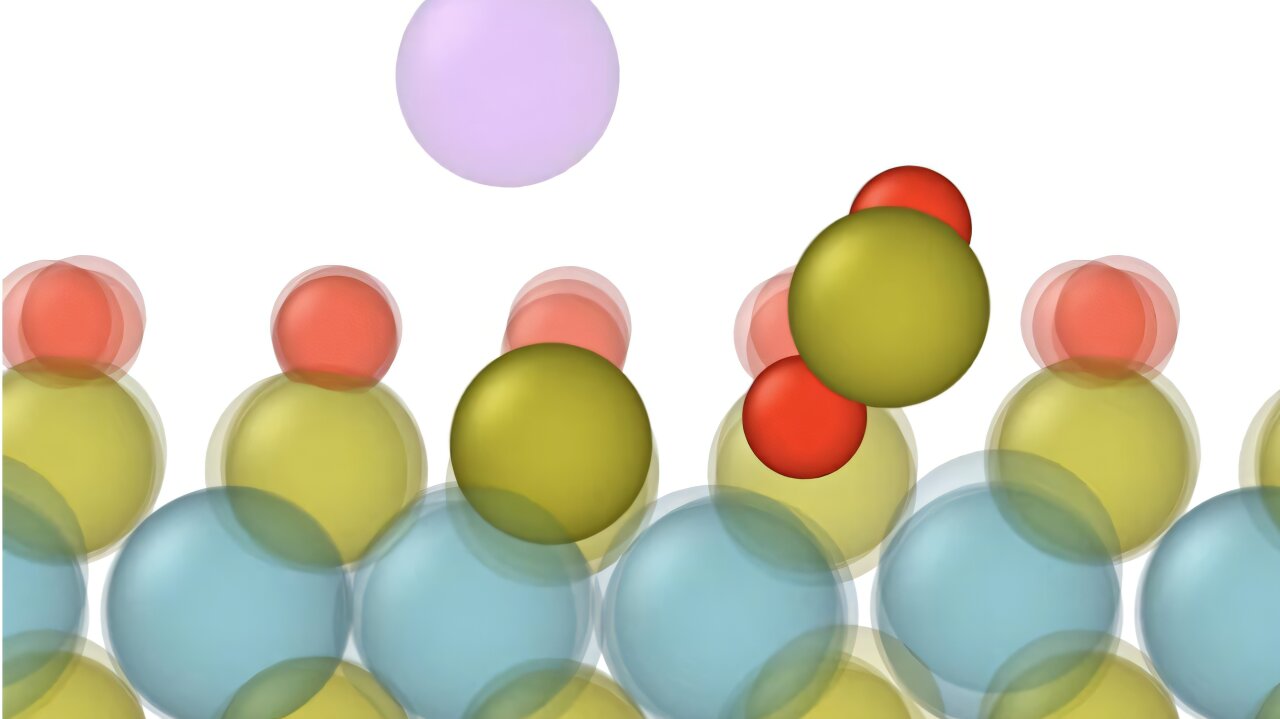
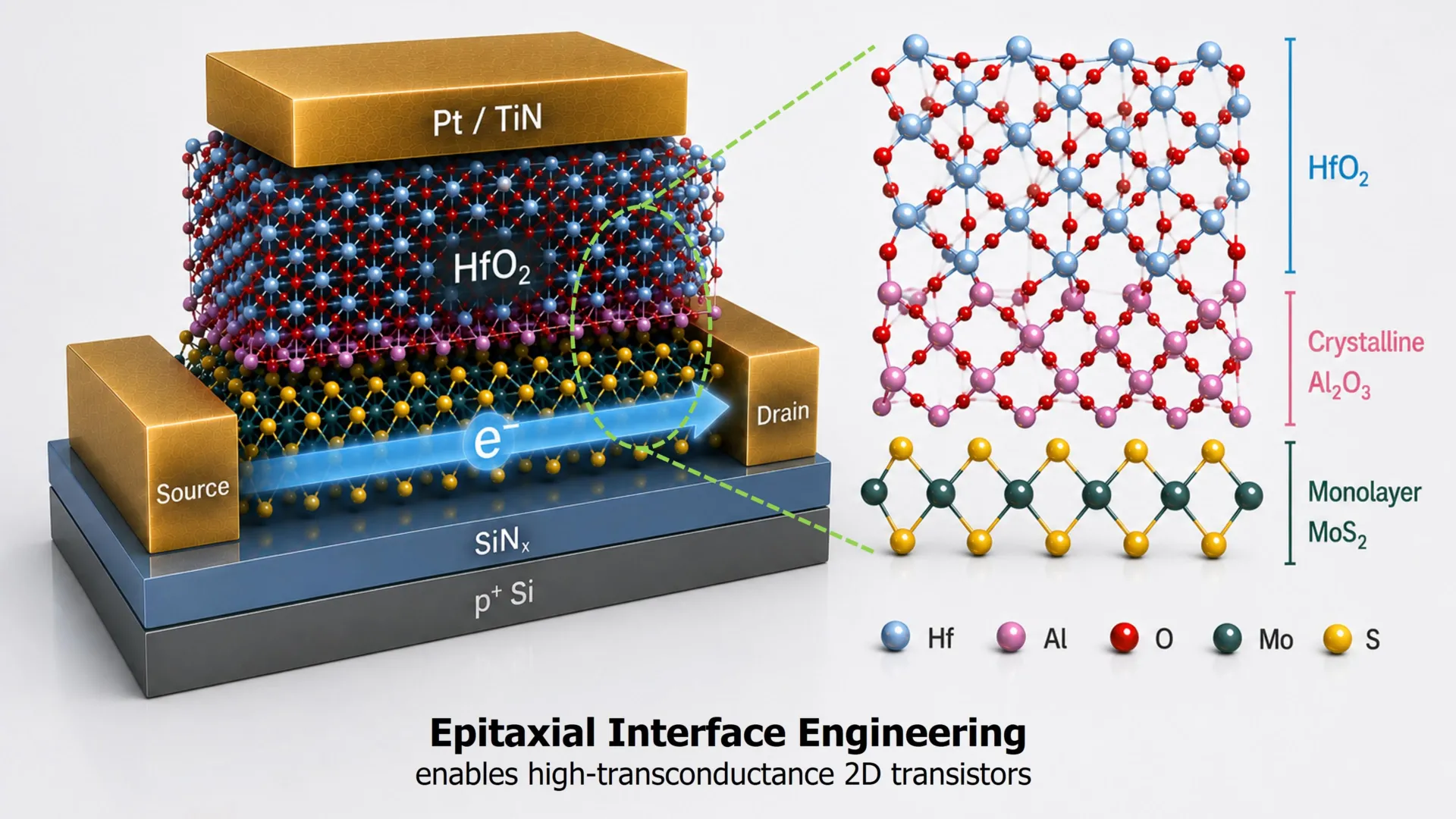
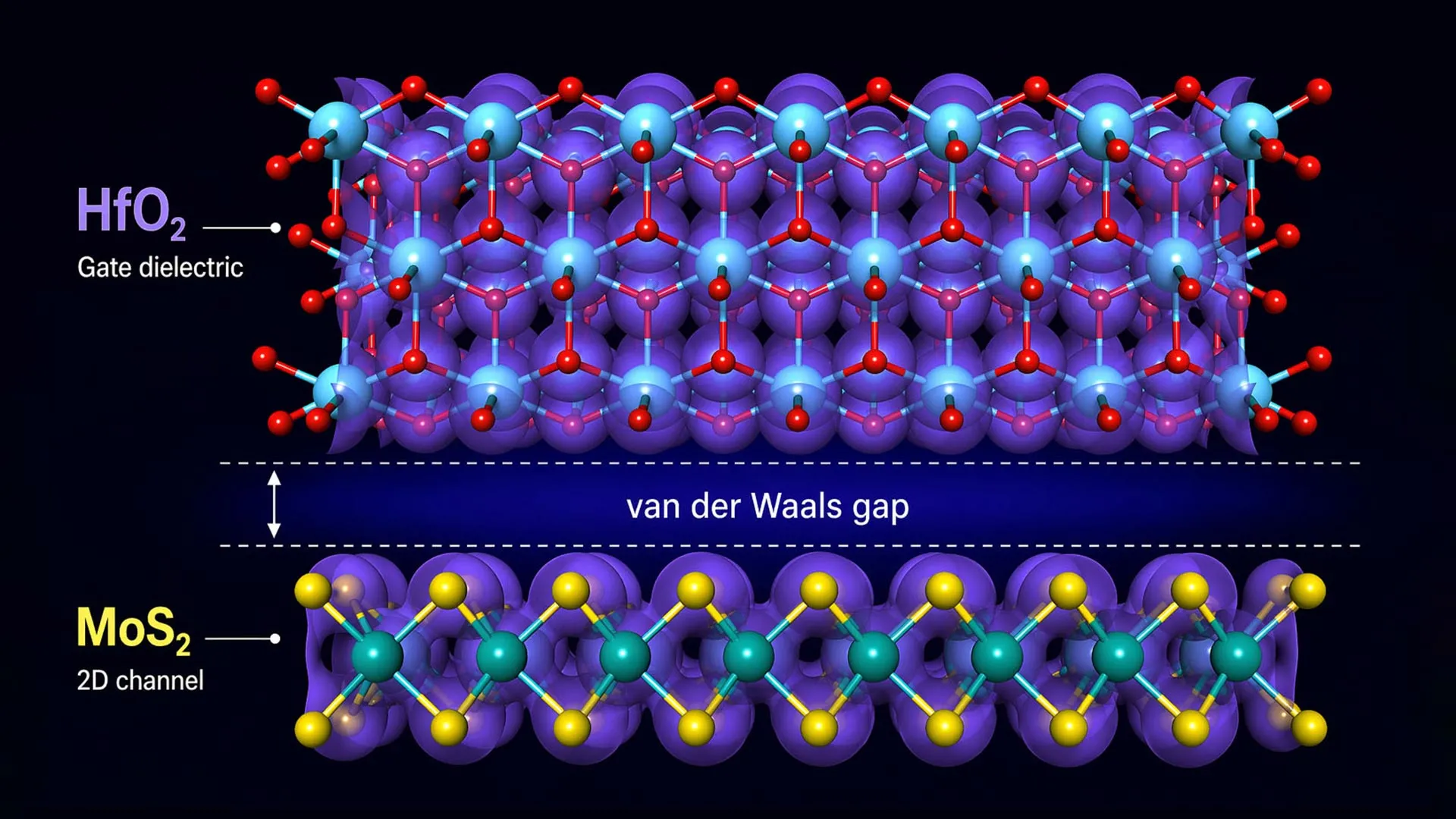
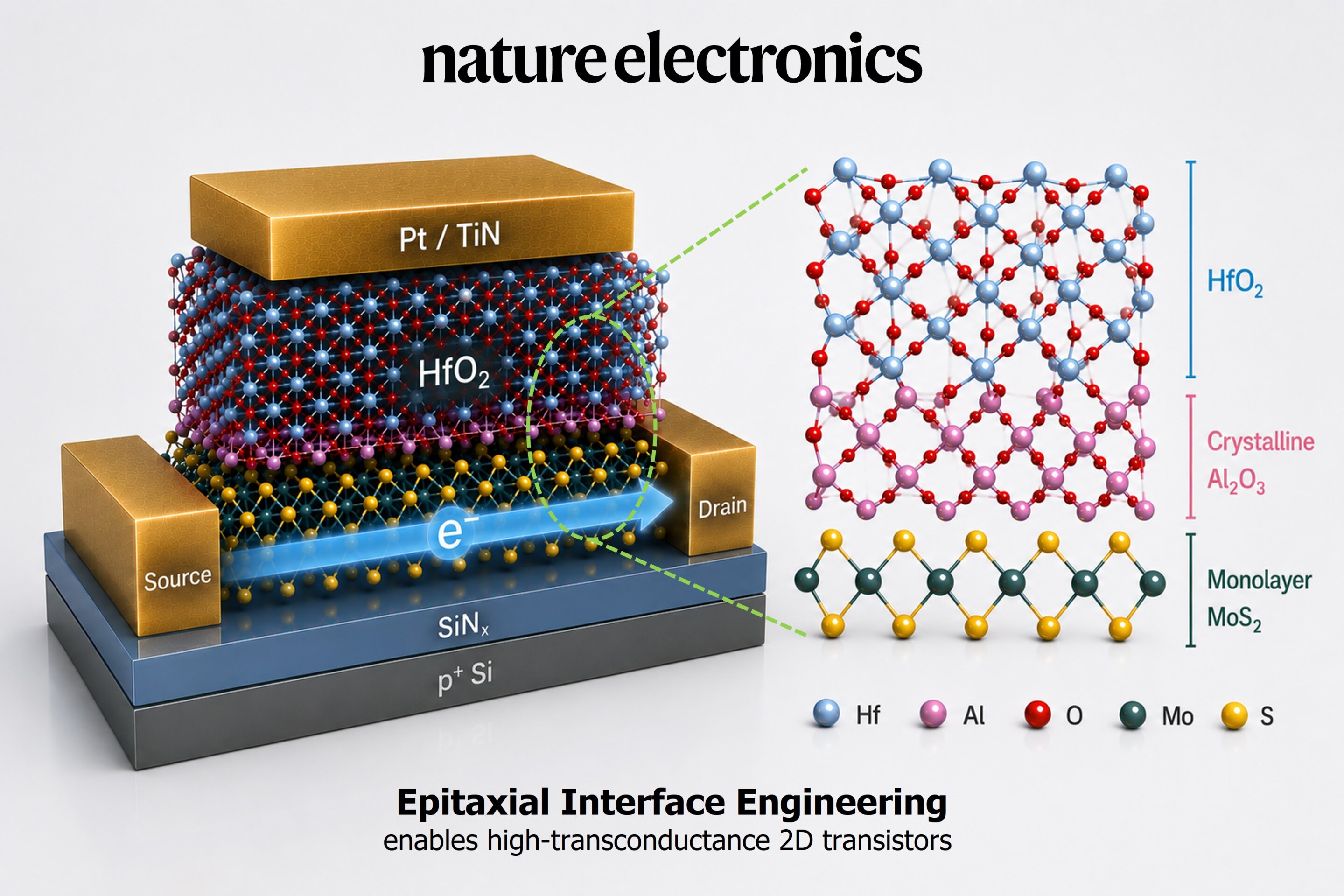
Inside computer chips are billions of tiny transistors made from silicon. But the material is approaching its limits. In an effort to build smaller, more capable devices, researchers are exploring how they might build transistors with other materials alongside silicon, including a class of extremely thin materials called transition metal dichalcogenides (TMD). One of the leading TMD candidates is a material called molybdenum disulfide. It is only three atoms thick: one layer of molybdenum sandwiched between two layers of sulfur.
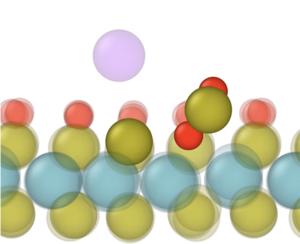
To build transistors with silicon and TMD, manufacturers will likely need to remove atoms from only the top sulfur layer without damaging the layers underneath. The standard method for removing the top layer uses plasma, the state of matter that makes up the sun and the stars and that has been the focus of research at the U.S. Department of Energy’s (DOE) Princeton Plasma Physics Laboratory (PPPL) for the last 75 years.
When TMD is exposed to a plasma under the right conditions, some of the plasma’s particles strike the surface of the TMD, knocking loose some of the atoms from the TMD. But it’s a fine line between hitting the TMD hard enough to remove the top layer of sulfur atoms and hitting it so hard that the molybdenum layer below is damaged. That tight margin makes it challenging to perfect the process so that all the atoms from the top layer are removed without any damage to the lower layers. The team’s computer simulations showed that pretreating molybdenum disulfide with oxygen or fluorine makes it easier to avoid impacting atoms below the top layer. The findings were published in the Journal of Physical Chemistry Letters.