CAS-led researchers developed a peak-selective passivation strategy using aluminum oxide nanocoating to solve leakage issues in pyramid-textured silicon for perovskite–silicon tandem cells.
The method is compatible with existing silicon manufacturing and enables high-efficiency, stable devices reaching around 33% efficiency.
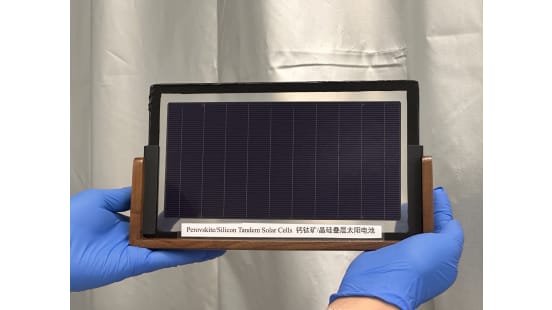
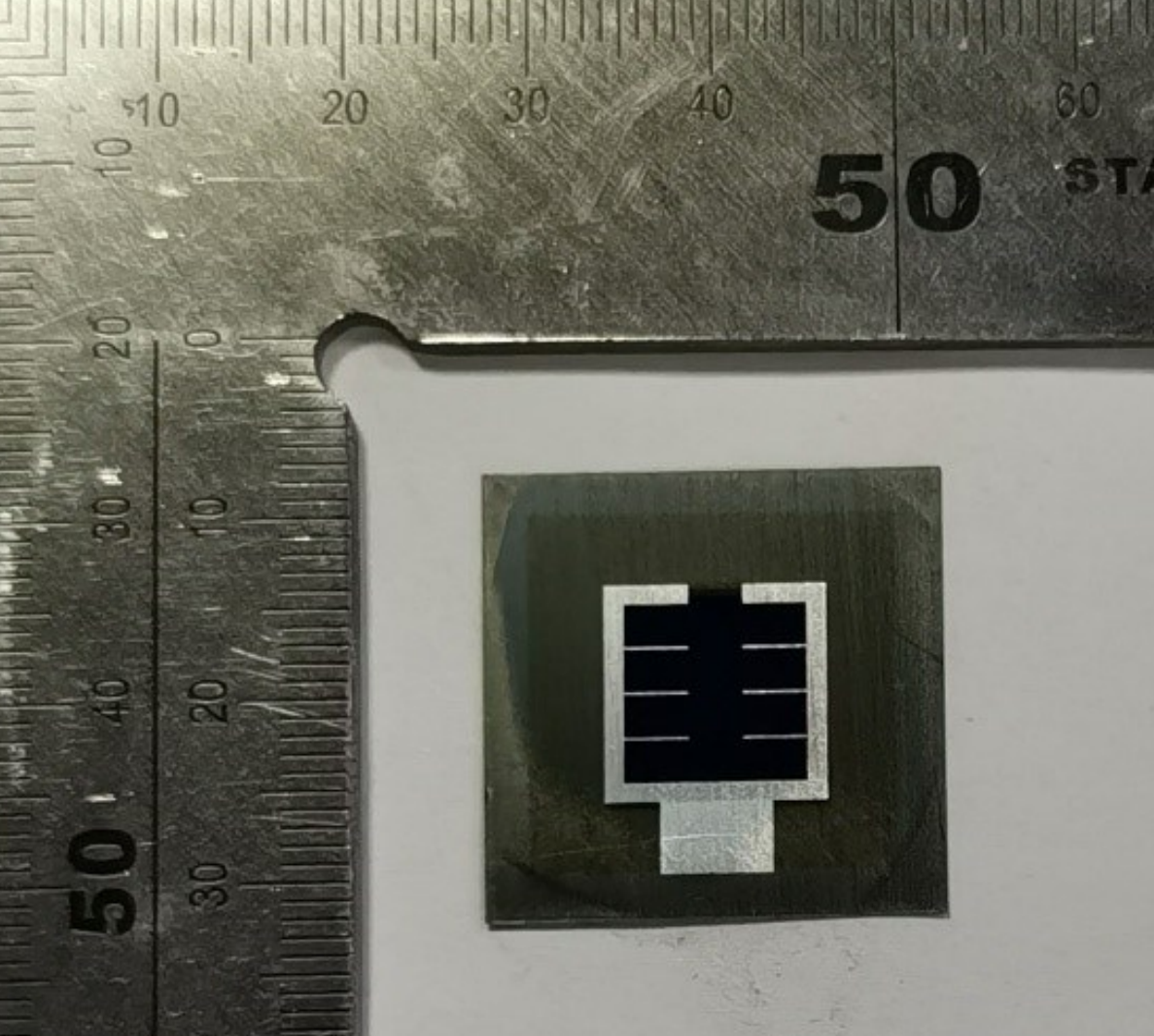
A research team led by the Chinese Academy of Sciences (CAS) has fabricated a perovskite-silicon tandem solar cell via a new passivation strategy that reportedly improve both device stability and efficieny.
“Our selective passivation process is fully compatible with existing crystalline silicon bottom cell manufacturing lines, as it does not require any modifications to the bottom cell fabrication steps,” corresponding author Weichuang Yang told pv magazine. “Moreover, the localized patterning is realized through a self-aligned templating approach that takes advantage of the natural pyramid morphology, without relying on complex lithography or exposure tools. This makes the technique promising for low-cost, large-scale manufacturing.”
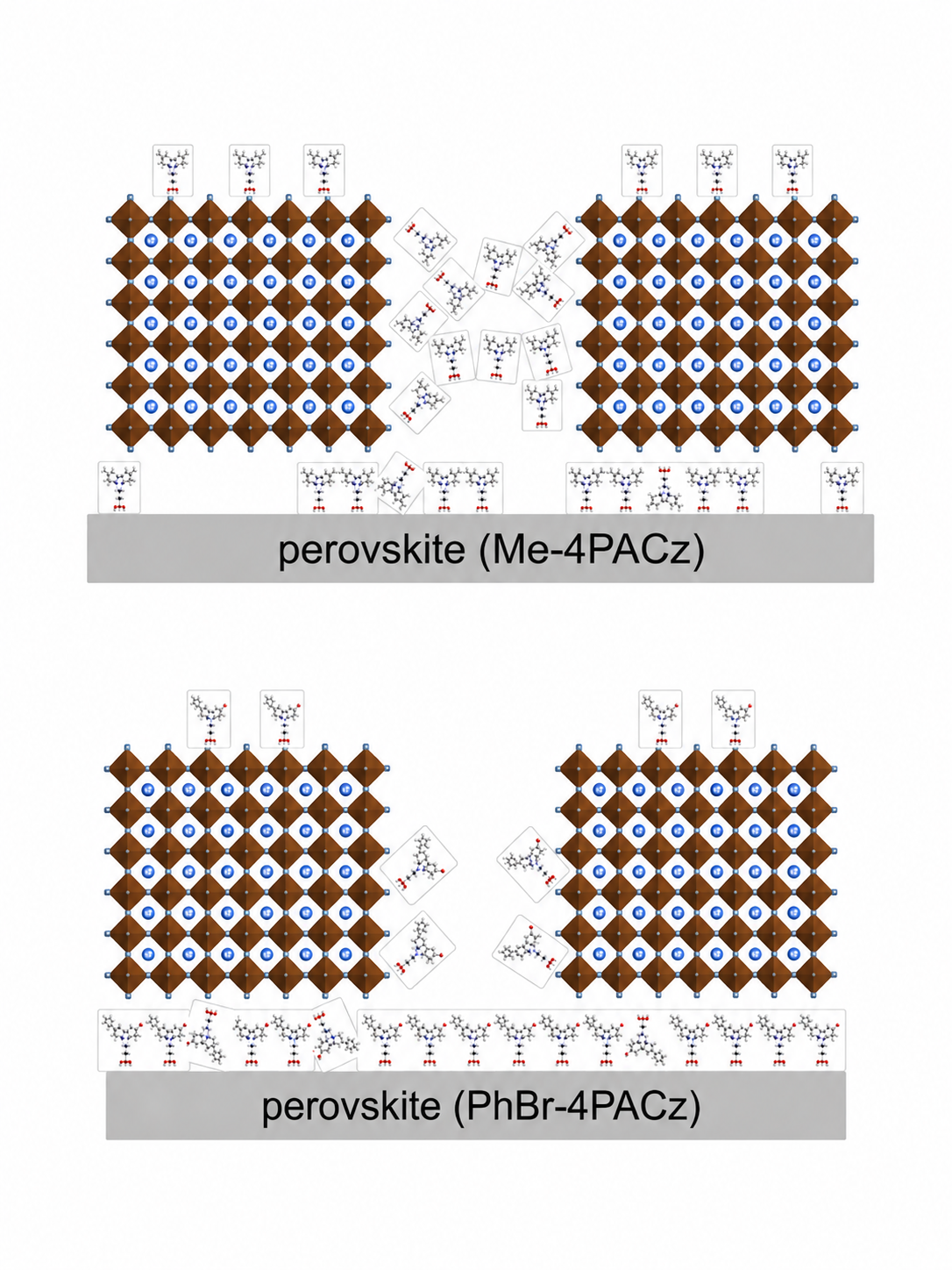
The scientists explained that bottom silicon cells used in tandem devices have pyramid-textured silicon substrates that hinder uniform perovskite coating, causing localized electrical leakage and limiting tandem cell performance.