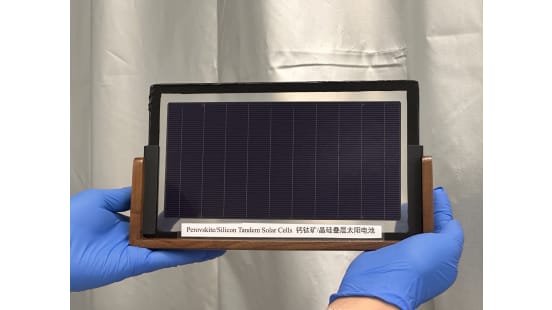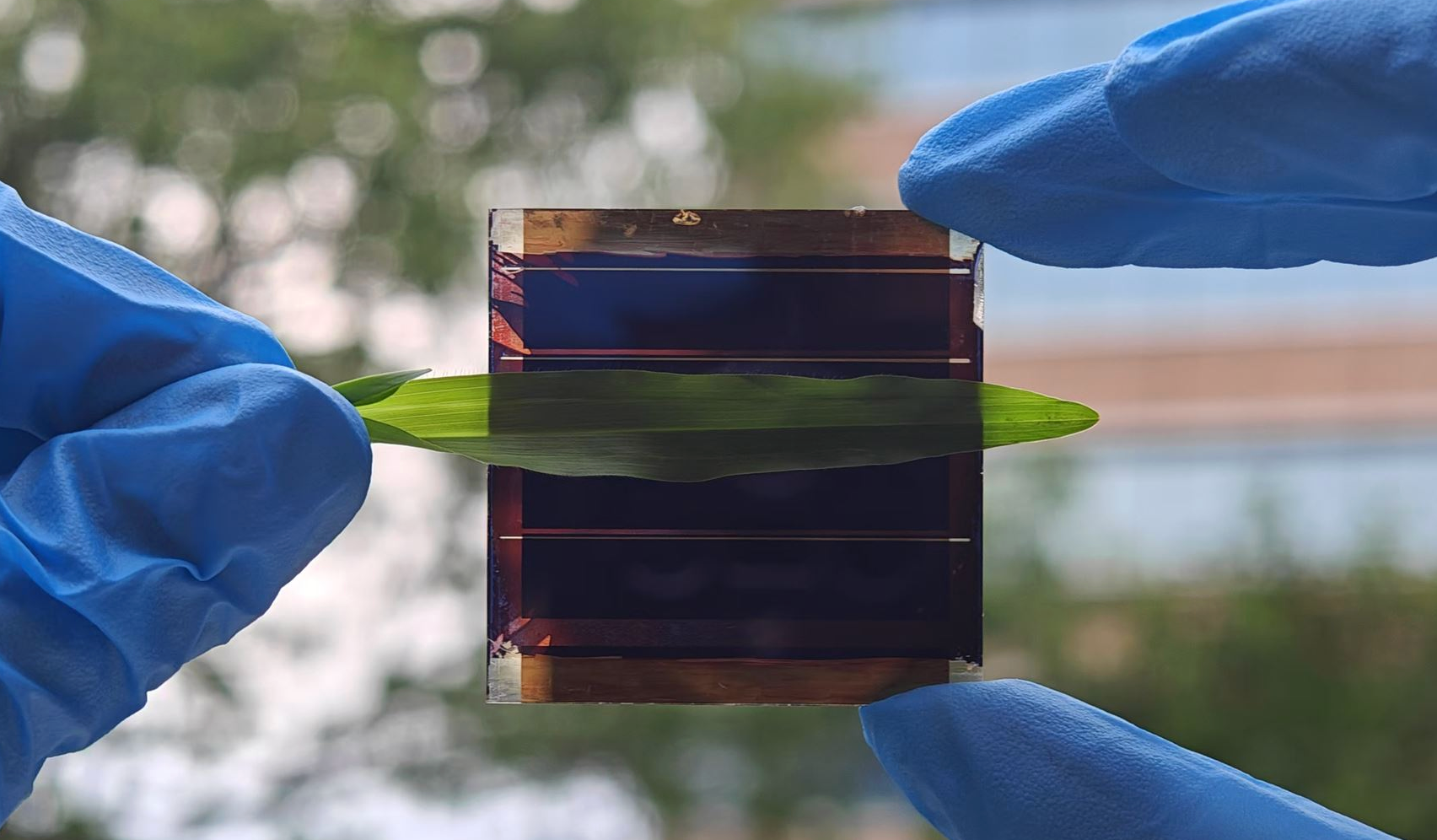
Researchers in China developed a dual-molecule interfacial layer for inverted perovskite solar cells that locks molecular ordering, suppresses defects and stress, and improves charge extraction and interfacial stability. The optimized devices reach 27.3% efficiency and maintained strong operational stability under long-term light soaking and outdoor testing.
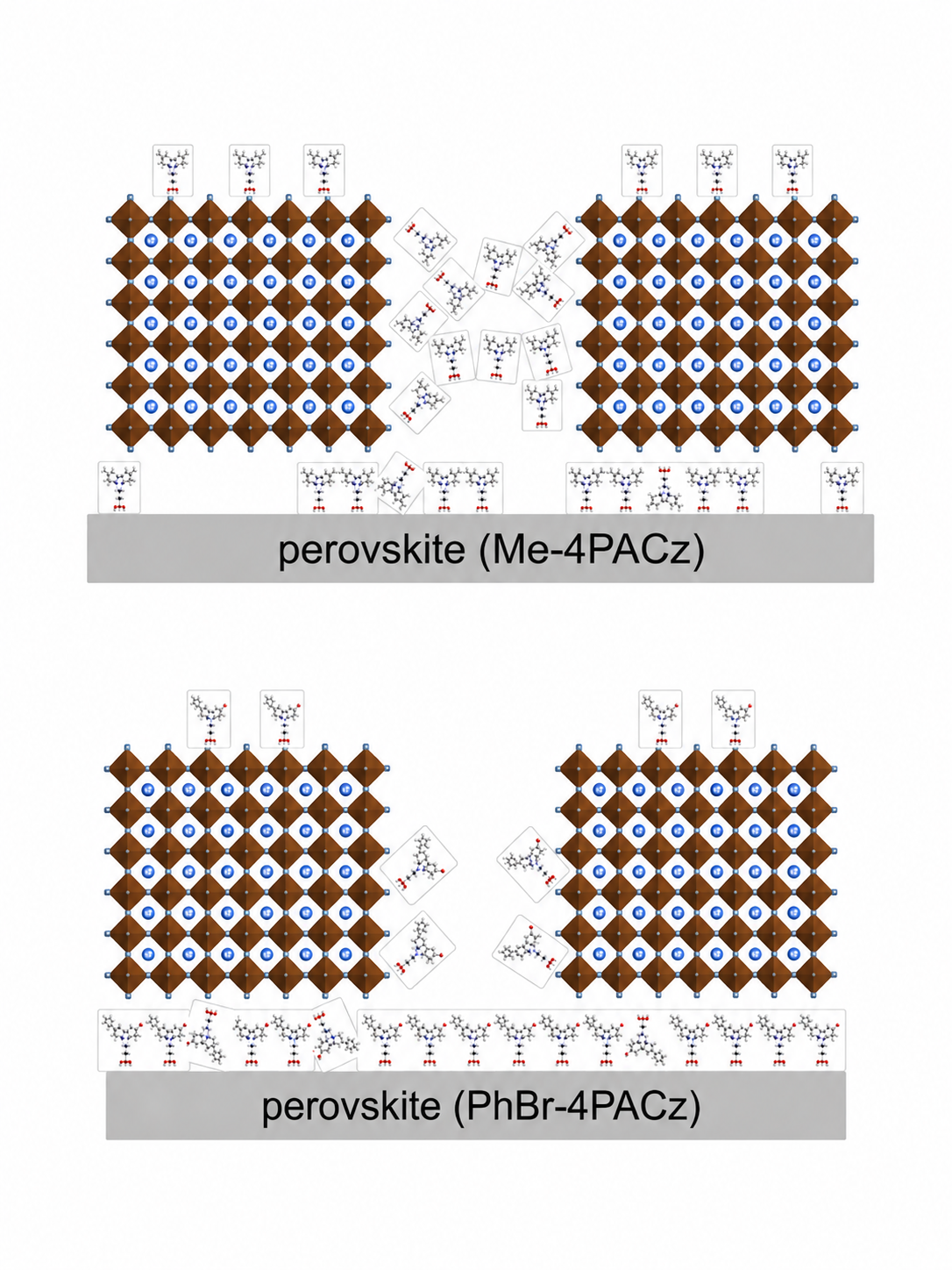
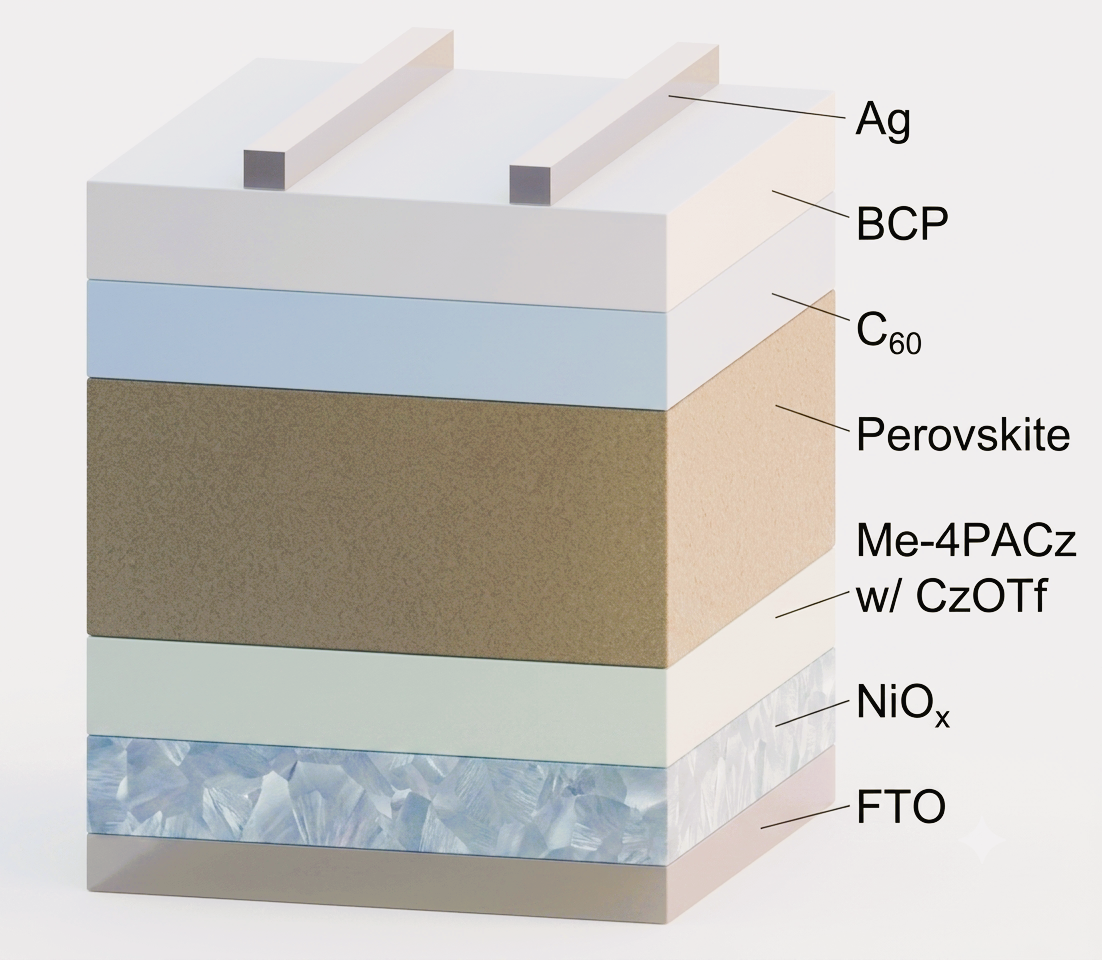
A group of researchers led by China’s Soochow University has engineered a dual-molecule interface layer for inverted perovskite solar cells by coassembling two carbazole-based molecules to control interfacial chemistry and structure. This design reportedly locks molecular ordering, reduces defects and stress, and enables more efficient charge extraction for highly efficient and stable solar cells.
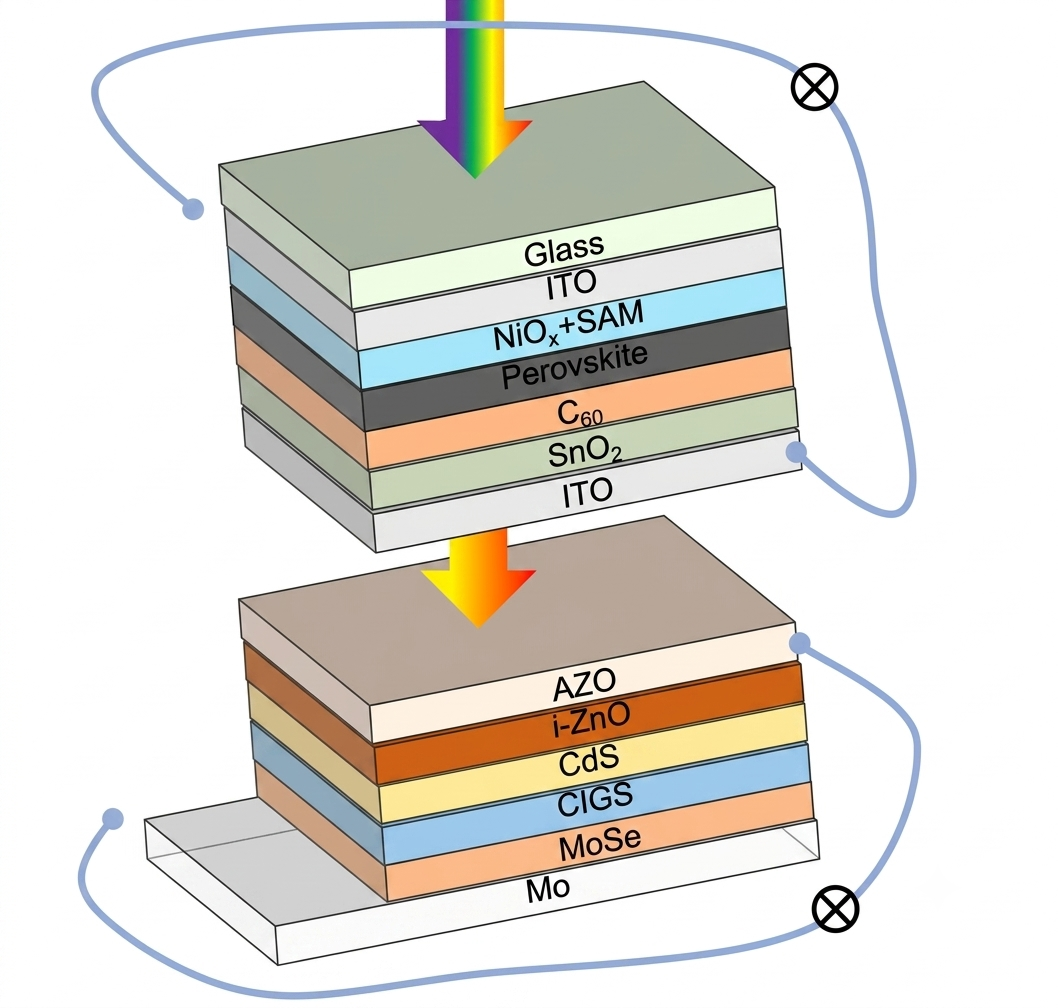
Inverted perovskite cells have a device structure known as “p-i-n”, in which hole-selective contact p is at the bottom of intrinsic perovskite layer i with electron transport layer n at the top. Conventional halide perovskite cells have the same structure but reversed – a “n-i-p” layout. In n-i-p architecture, the solar cell is illuminated through the electron-transport layer (ETL) side; in the p-i-n structure, it is illuminated through the hole‐transport layer (HTL) surface.