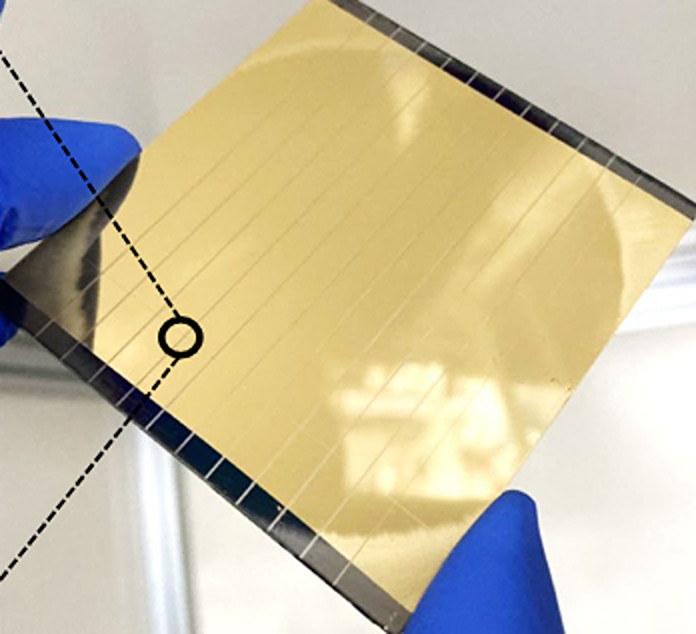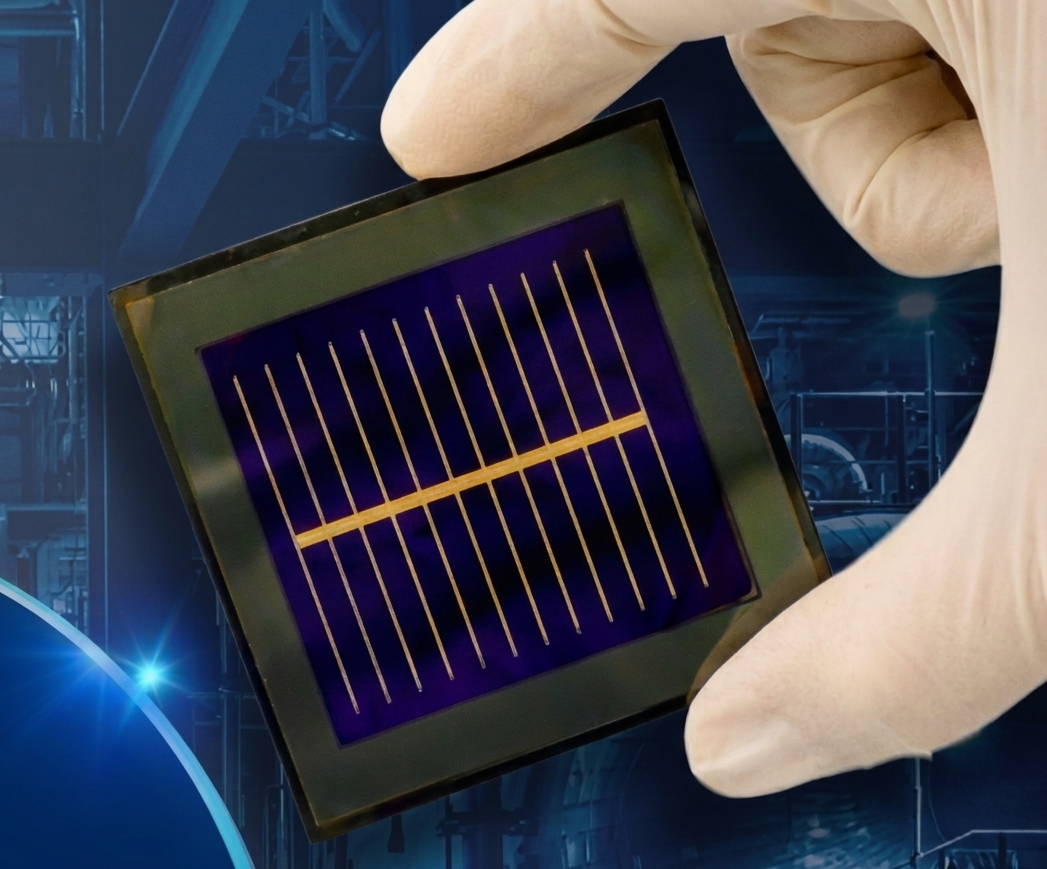
Scientists in China have developed a new technique to prevent self-assembled molecules from clumping together and degrading co-deposited inverted perovskite cells. The approach enabled the highest certified power conversion efficiency reported for the architecture.
A research team from China has developed a novel approach to mitigate the self-aggregation of self-assembled molecules (SAMs) in co-deposited inverted perovskite solar cells.
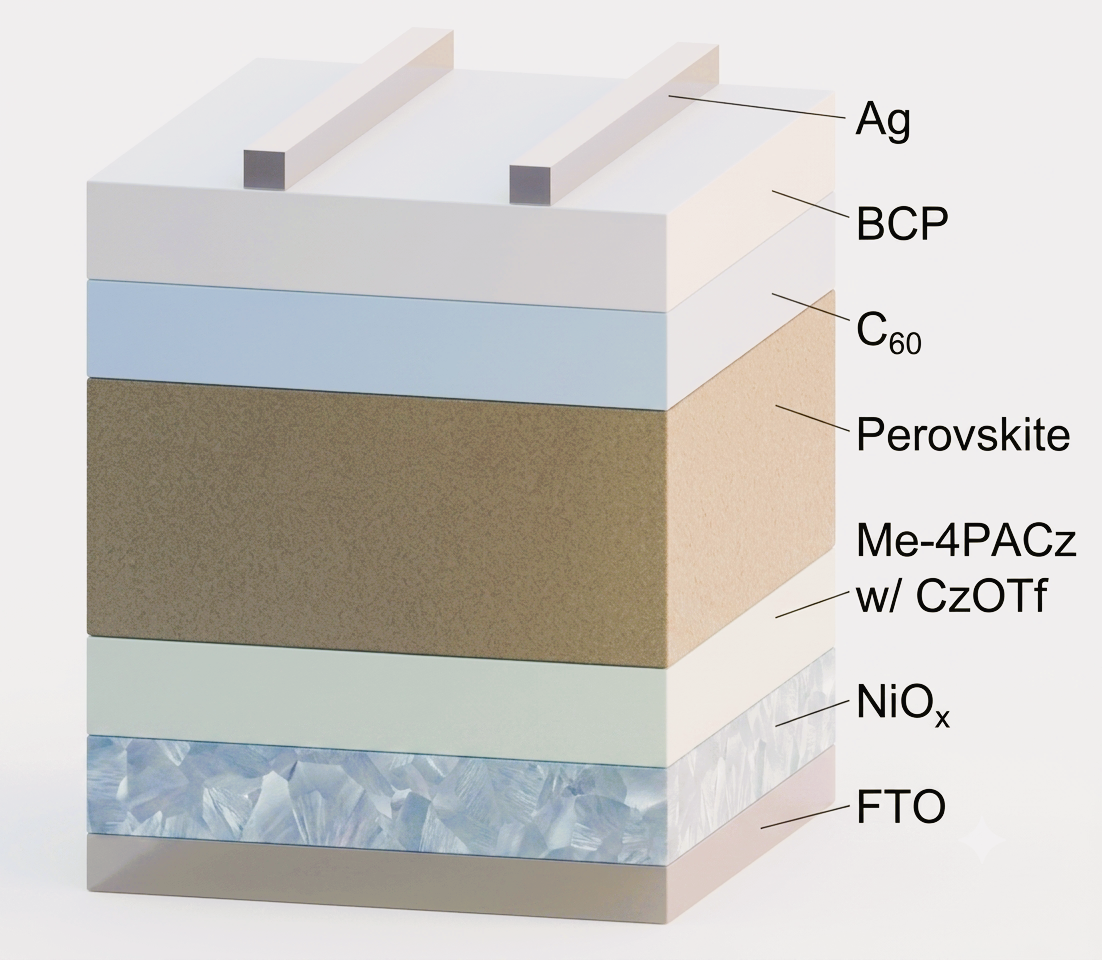
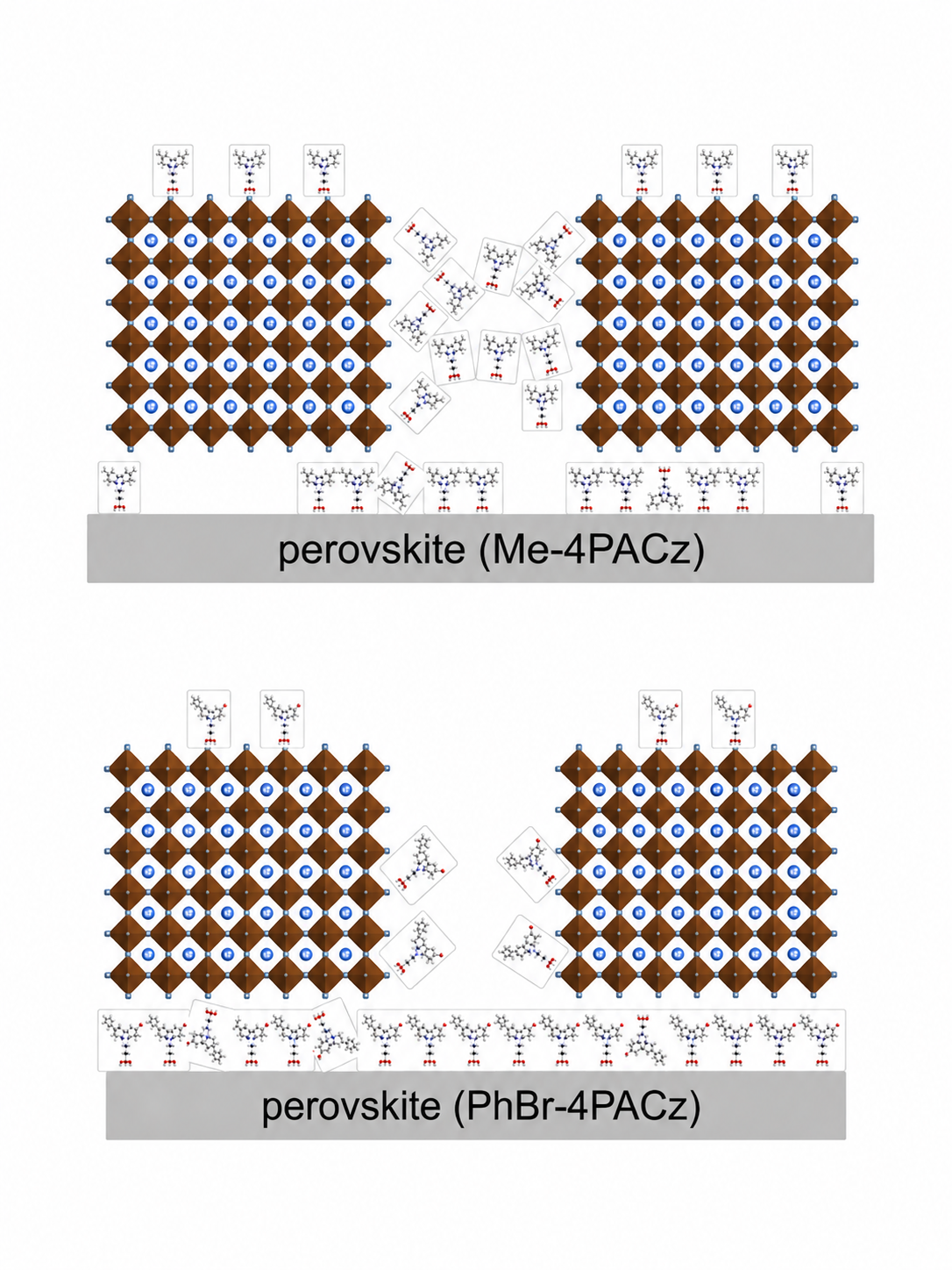
Co-deposited inverted cells are fabricated by mixing SAM directly into the perovskite precursor, but SAM tend to aggregate, leading to poor interfacial coverage and reduced device performance. To address this issue, the researchers designed an asymmetric SAM, PhBr-4PACz, which suppresses aggregation and promotes SAM accumulation at the bottom interface, improving adhesion and coverage. They also introduced the grain-boundary crosslinking additive 1-allyl-3-vinylimidazolium chloride (AVIMCl) to suppress SAM diffusion and improve device stability.
Their work is presented in the paper “Co-deposited inverted perovskite photovoltaics towards 27% efficiency via vertical redistribution of self-assembled molecules and in-situ crosslinking,” published in nature communications.