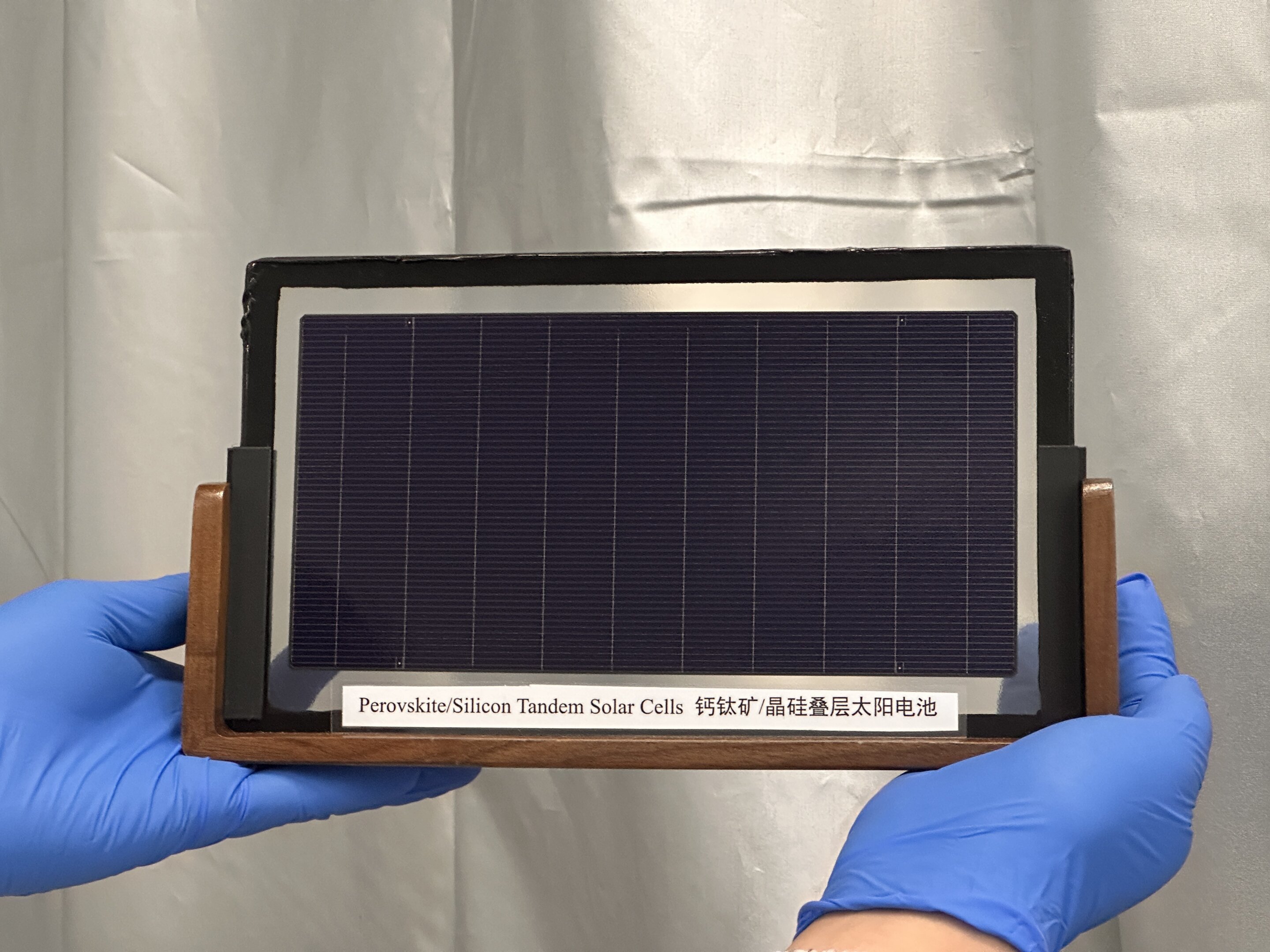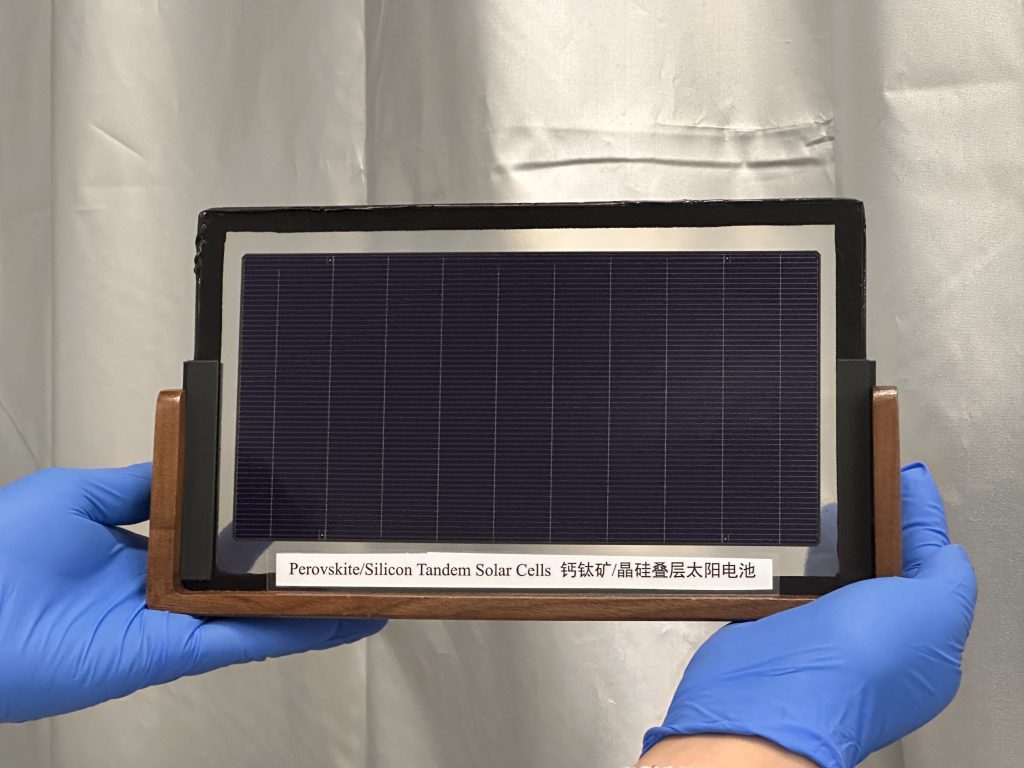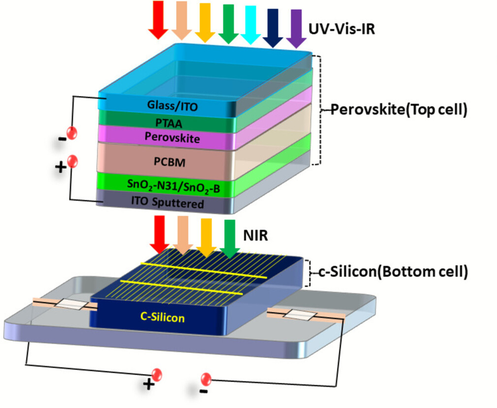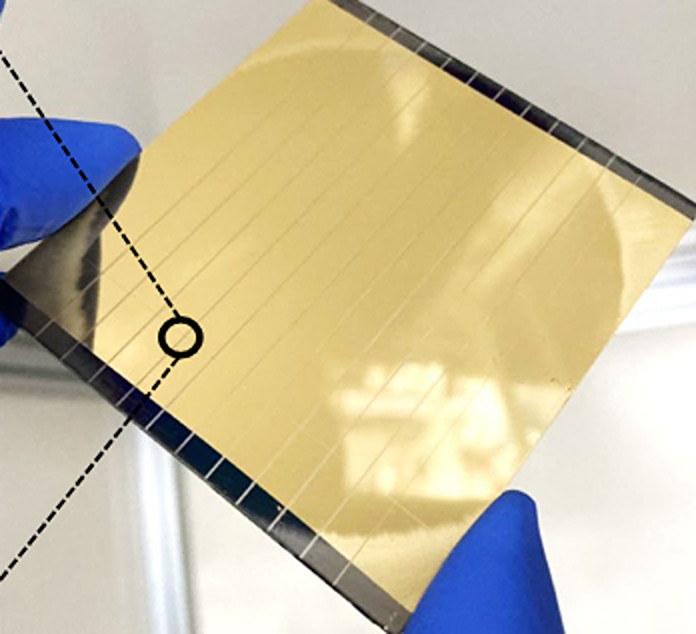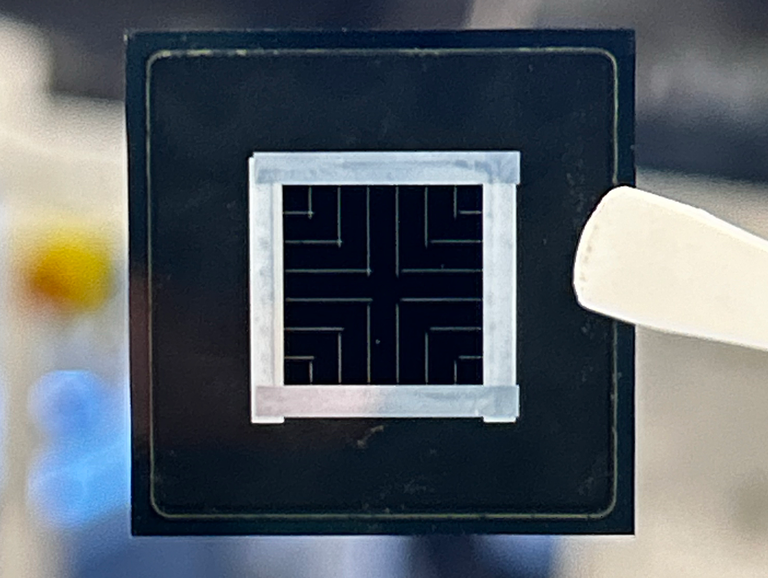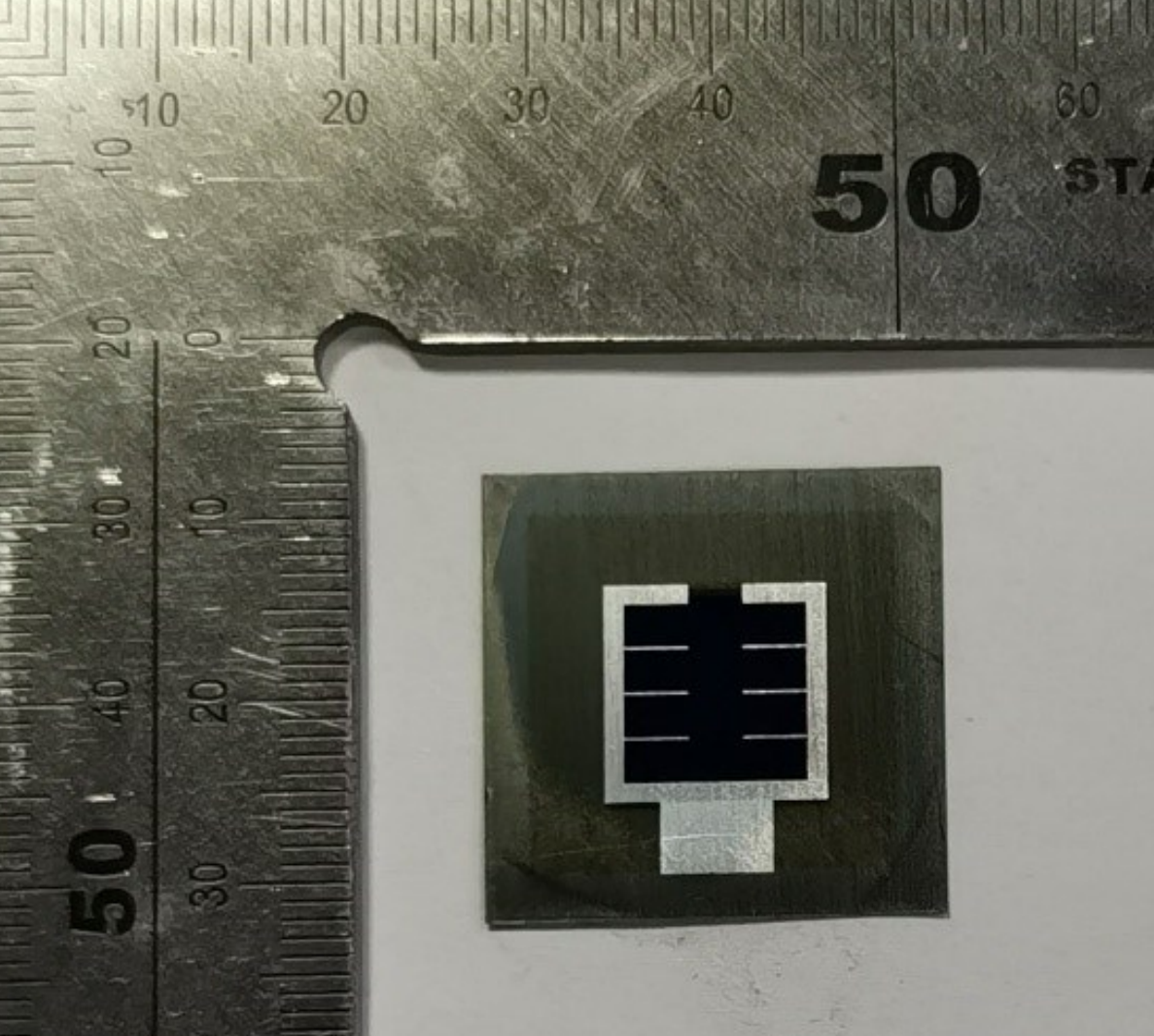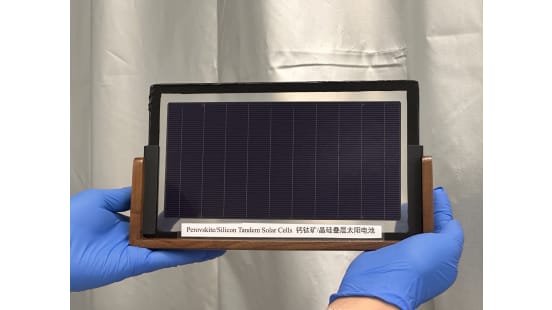
Researchers have developed an indium-free perovskite-silicon tandem solar cell using a low-damage reactive plasma deposition process to produce tin oxide layers, achieving certified efficiencies of 33.6% for a small-area device and 31.0% for a mini-module.
An international research team has fabricated an indium-free perovskite-silicon tandem solar cell using a low-damage reactive plasma deposition (RPD) process.
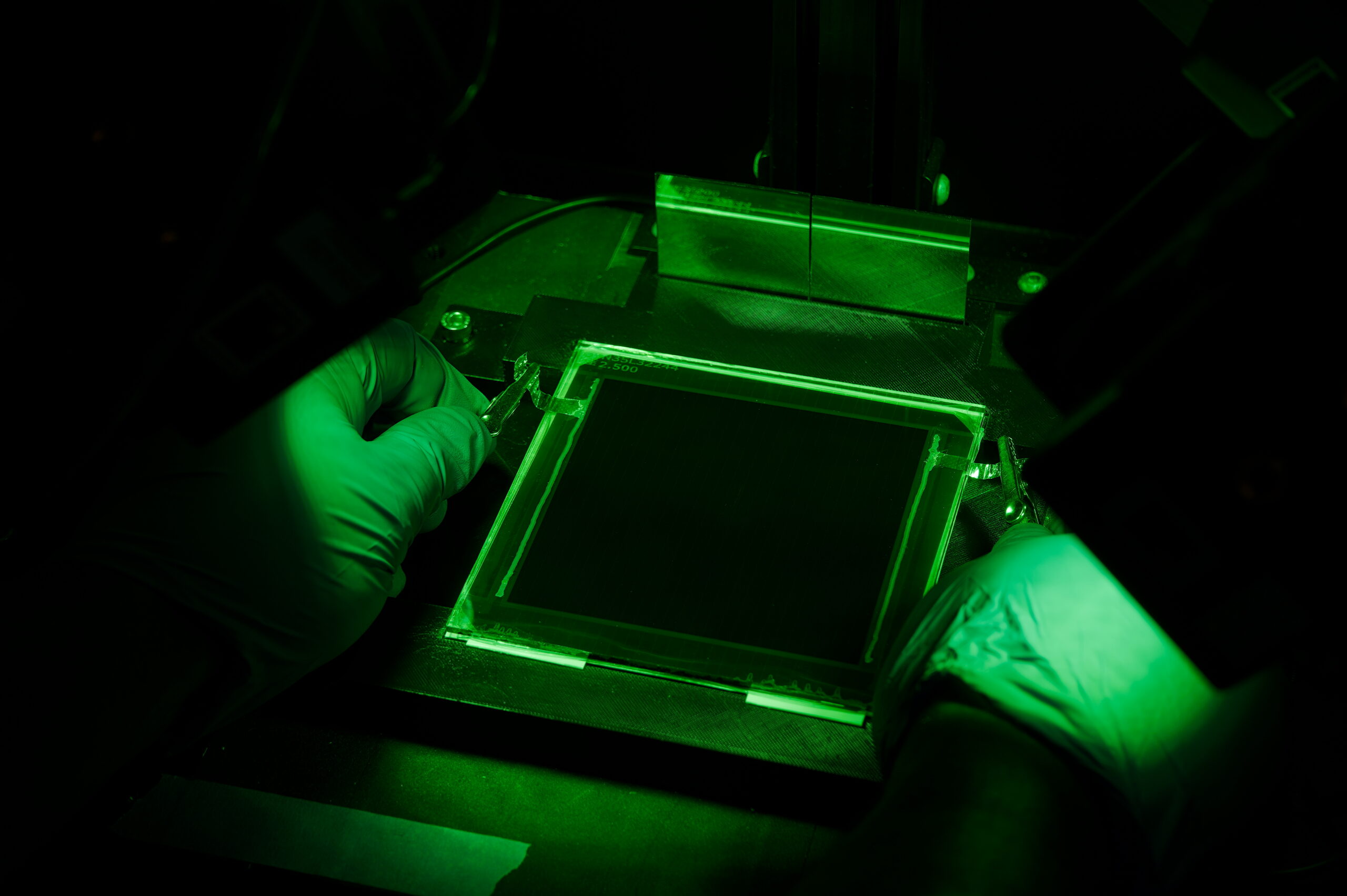
RPD is a vacuum-based thin-film coating technique in which a plasma generated from oxygen reacts with evaporated metal atoms to form a metal oxide film on the substrate. Unlike conventional sputtering, which bombards the target with high-energy ions that can damage sensitive materials such as perovskites, RPD generates lower-energy particles, allowing dense, conductive oxide films to be deposited with minimal damage to the underlying layers.
Monash University Department of Materials Science and Engineering Adjunct Professor and research co-lead Yuan Cheng said achieving more than 30% efficiency in a commercially relevant tandem mini-module represents an important technical milestone, demonstrating that high performance can be achieved without relying on scarce, high-cost materials.