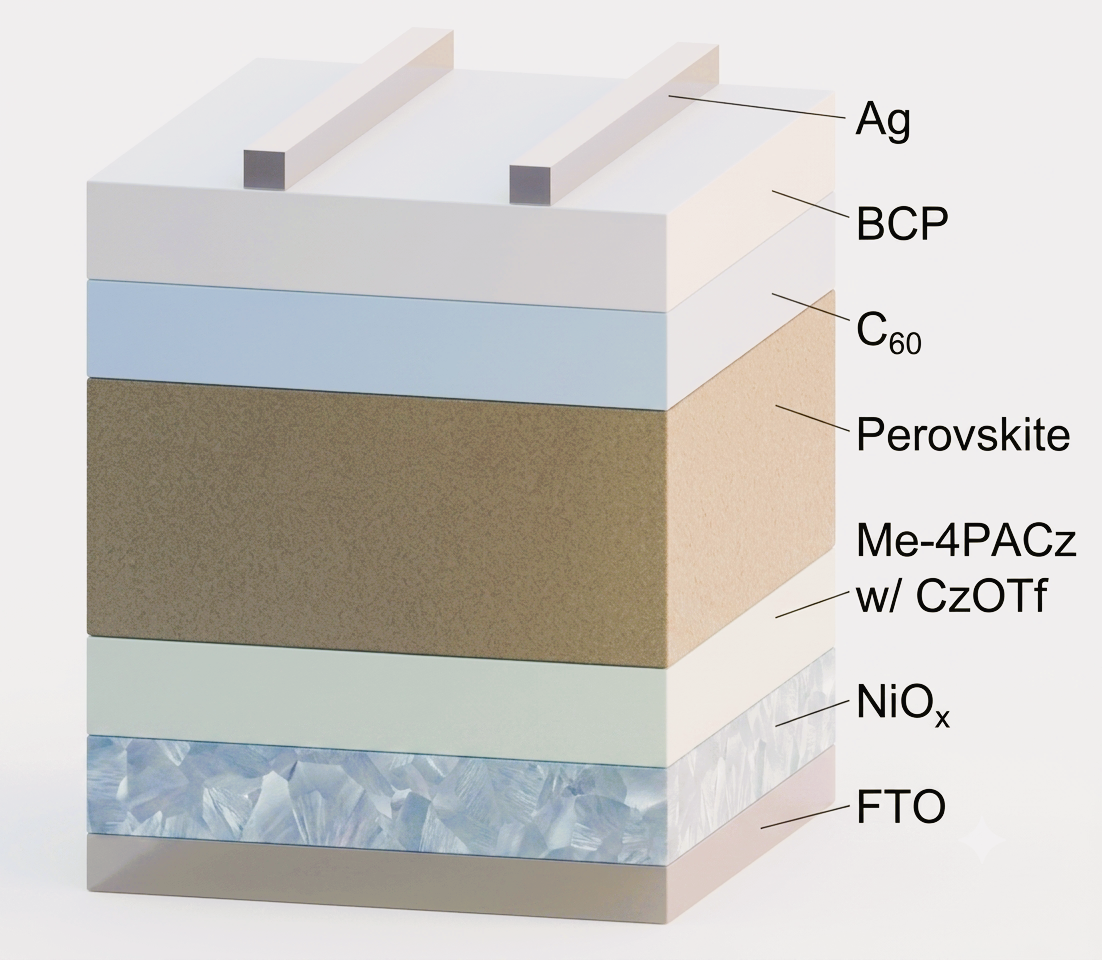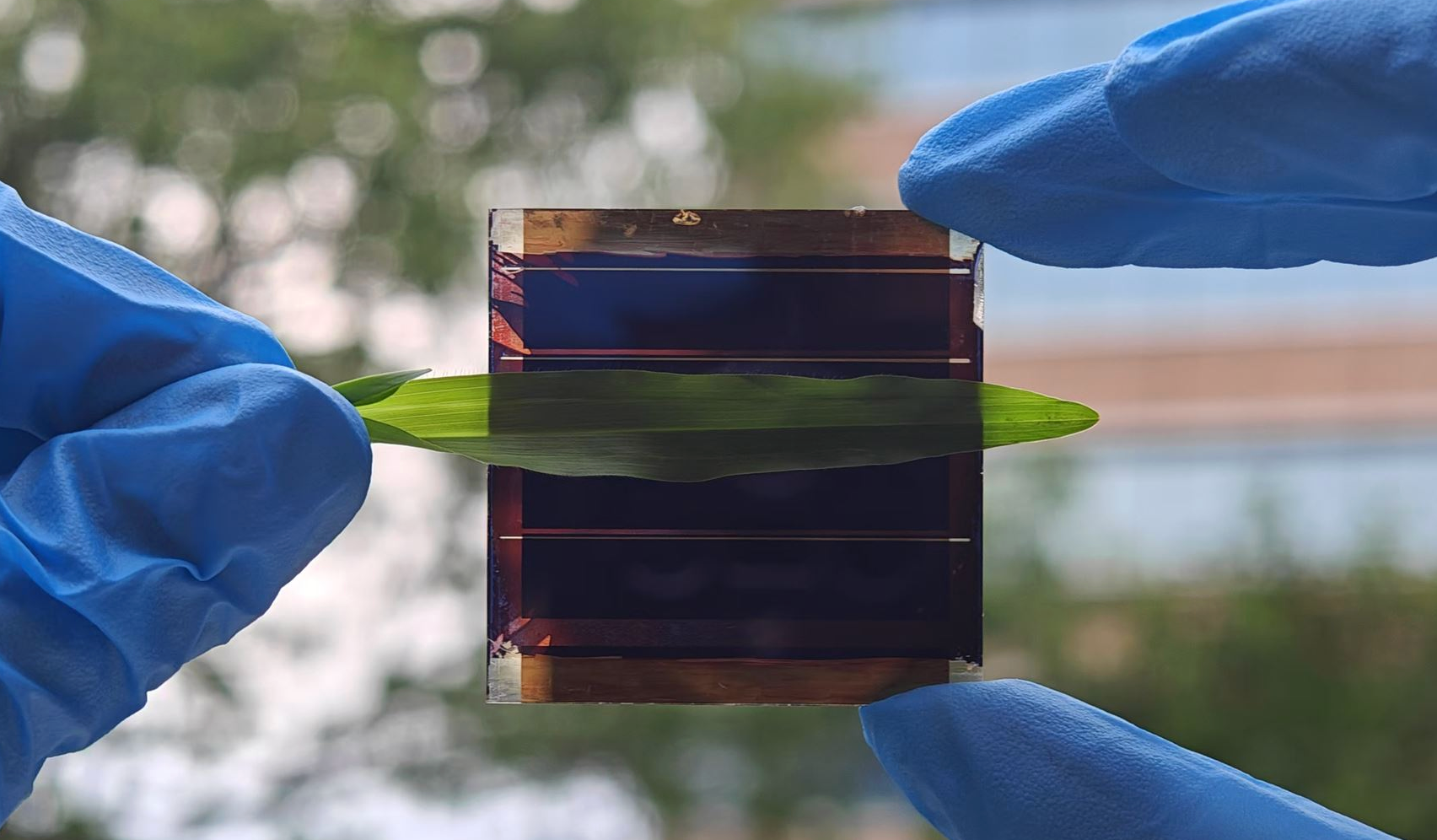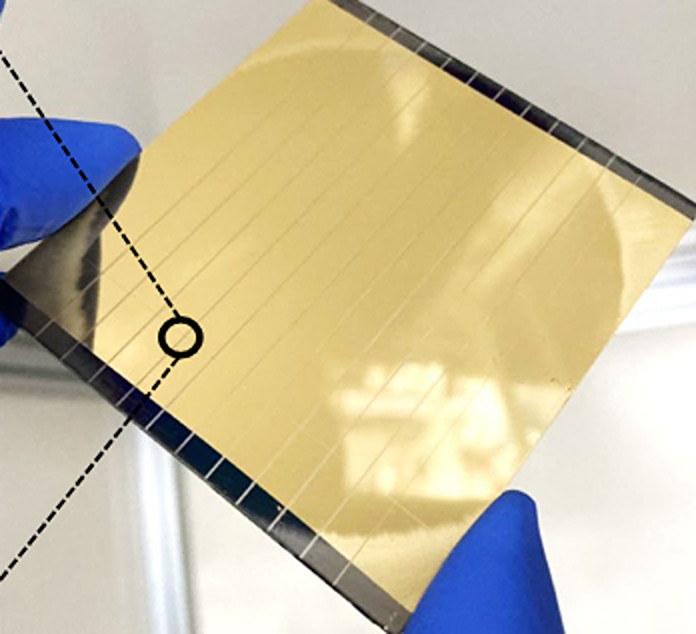
An international research team has developed perovskite solar cells and mini-modules with a 2D/3D heterojunction architecture using a room-temperature selective iodoplumbate cold casting process that controls precursor chemistry to enable kinetically stabilized phases. The approach yields uniform 2D layers that enhance vertical charge transport and device stability.
An international research team has fabricated perovskite solar cells and modules with a 2D/3D heterojunction architecture through a new manufacturing technique that reportedly improves device stability and efficiency.
Perovskite cells built with 2D hybrid materials are generally more stable than conventional, 3D devices, due to the protection provided by the organic ligands. They usually exhibit large exciton binding energies.
“We developed a new room-temperature crystallization method, termed selective iodoplumbate cold casting (SICC), that enables kinetically stabilized perovskite phases inaccessible through conventional thermodynamic processing,” corresponding author Aditya D. Mohite told pv magazine. “This strategy produces uniform 2D layers that enhance out-of-plane charge transport in 3D:2D bilayer devices, achieving over 25% efficiency in cells and over 22% efficiency in large-area photovoltaic modules.”