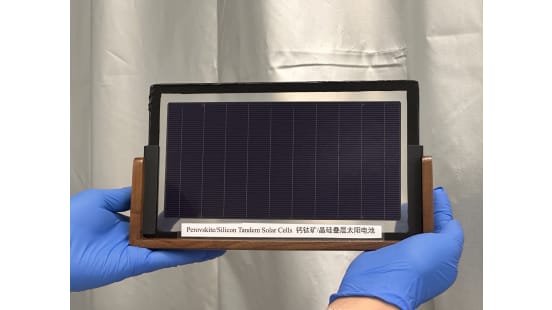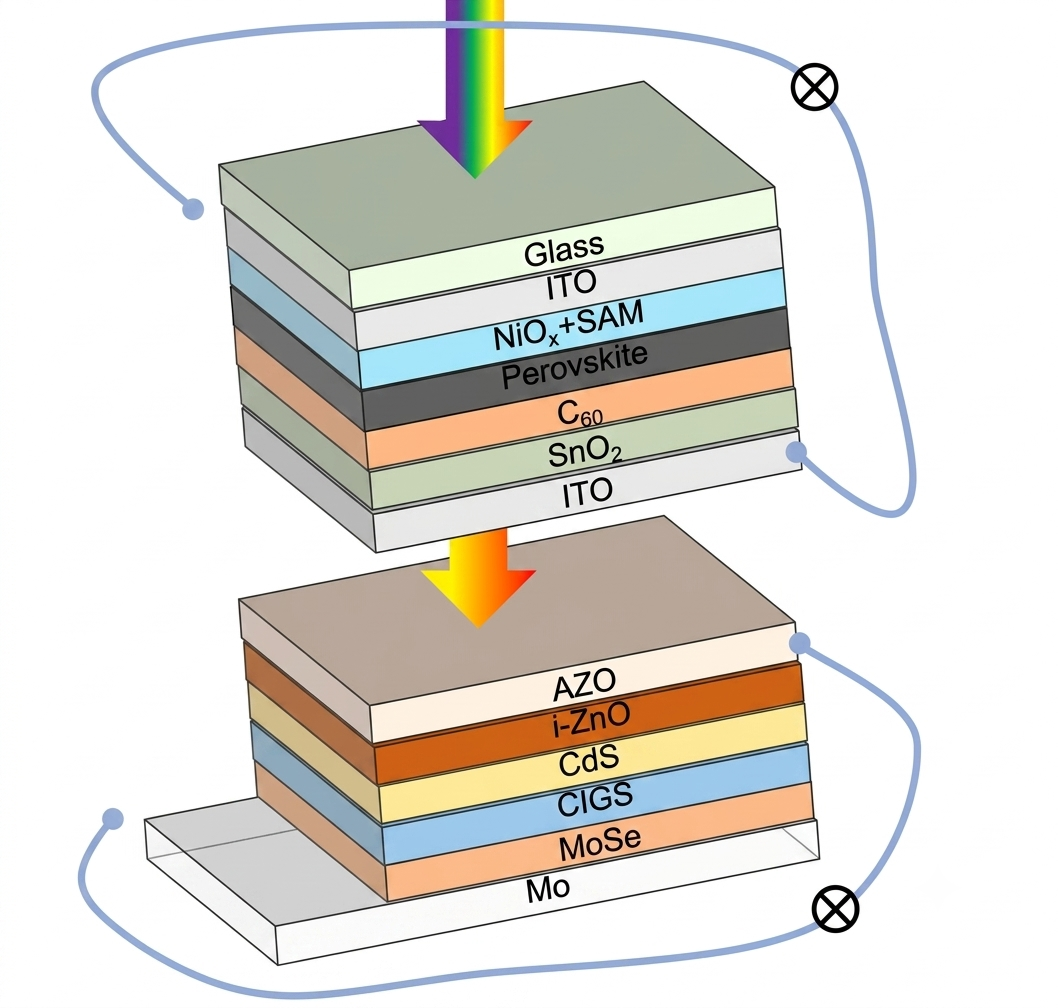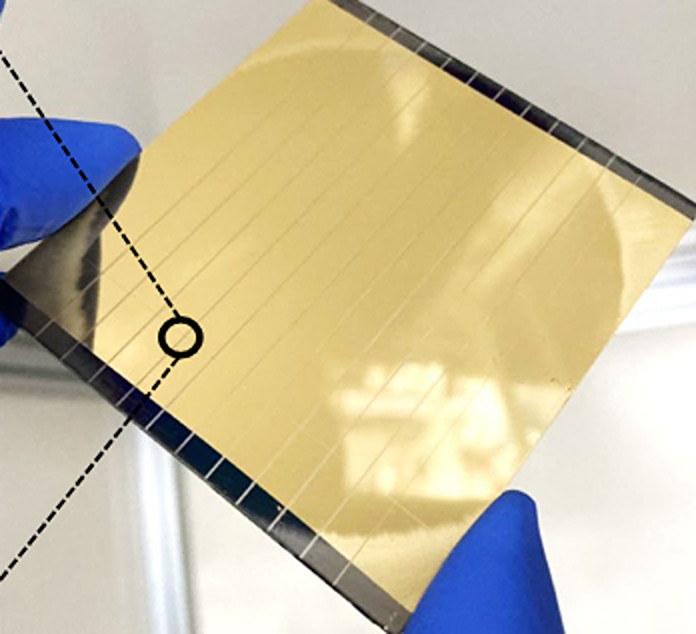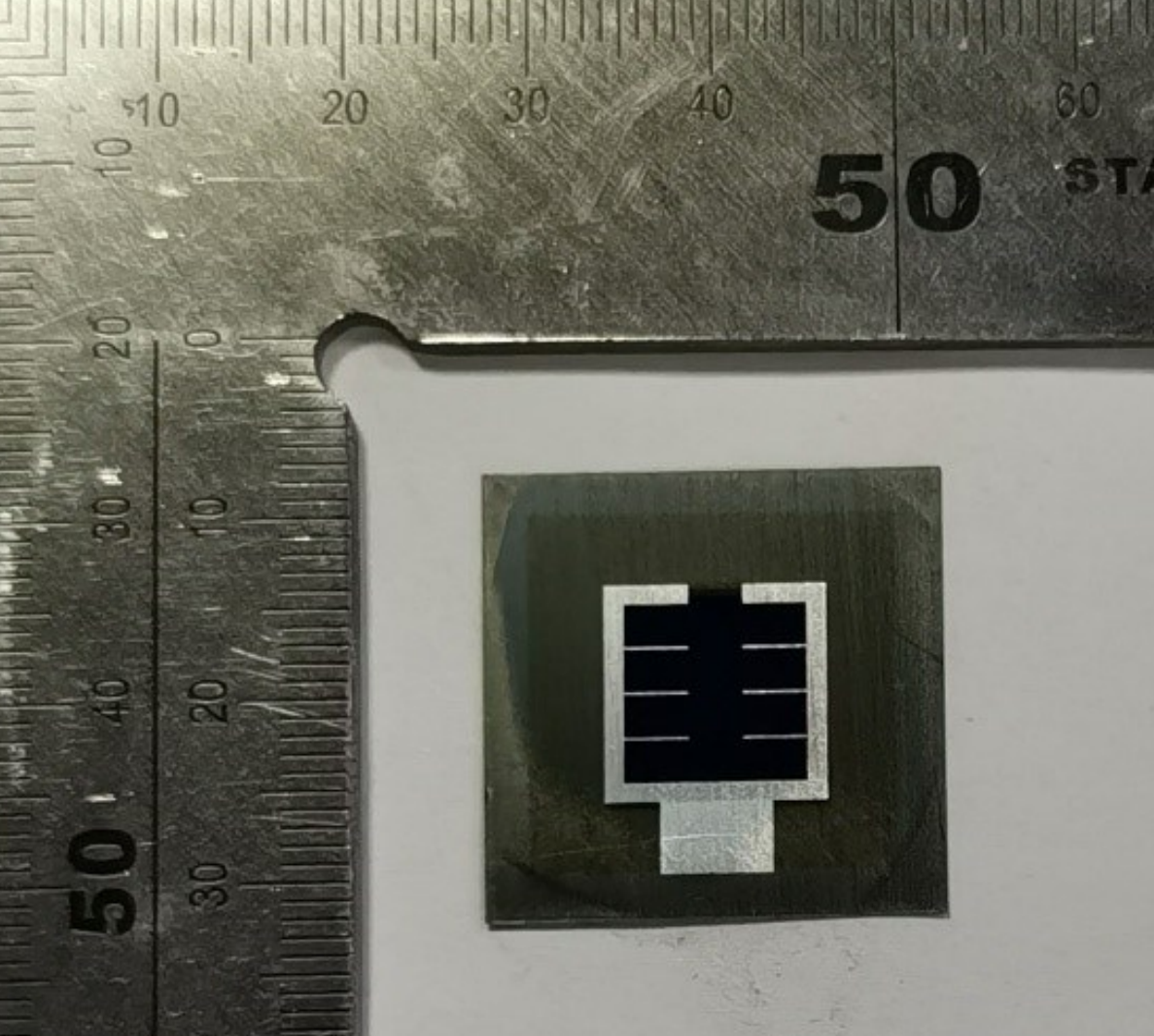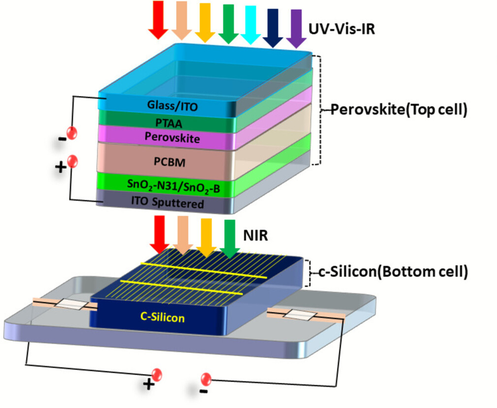
The device was fabricated using a p–i–n architecture with a solution-processed tin oxide buffer layer that shields the perovskite from damage during room-temperature indium tin oxide sputtering. The team optimized the transparent rear electrode and integrated the best-performing cell into a four-terminal perovskite/silicon tandem device.
A research team led by scientists at Gdańsk University of Technology in Poland has developed a fabrication strategy for semitransparent perovskite solar cells (ST-PSCs) that protects the perovskite stack during indium tin oxide (ITO) sputtering. At the core of the strategy is the introduction of a solution-processed tin oxide (SnO₂) buffer layer between the phenyl-C61-butyric acid methyl ester (PCBM) electron transport layer (ETL) and the sputtered rear ITO electrode.
“The main novelty of our work is the development of highly efficient and operationally stable semitransparent p-i-n perovskite solar cells designed for four-terminal perovskite/c-Si tandem devices,” corresponding author Damian Glowienka told pv magazine. “We did not focus only on achieving high initial efficiency. We combined electrode and buffer-layer optimization with optical and electrical loss analysis, tandem integration, and long-term stability testing under both indoor and outdoor ISOS protocols.”