Researchers from IPVF and TU Delft have achieved 31% efficiency on a 4 cm² two-terminal perovskite-silicon tandem solar cell using nanotextured silicon heterojunction bottom cells and ambient-air slot-die coated perovskite layers.
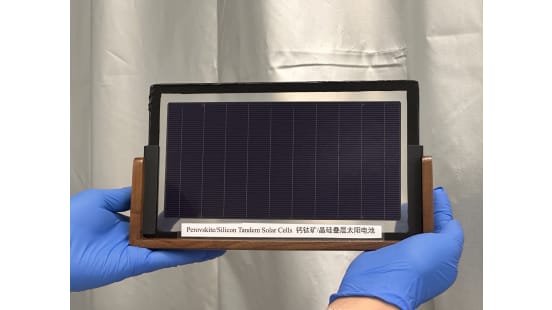
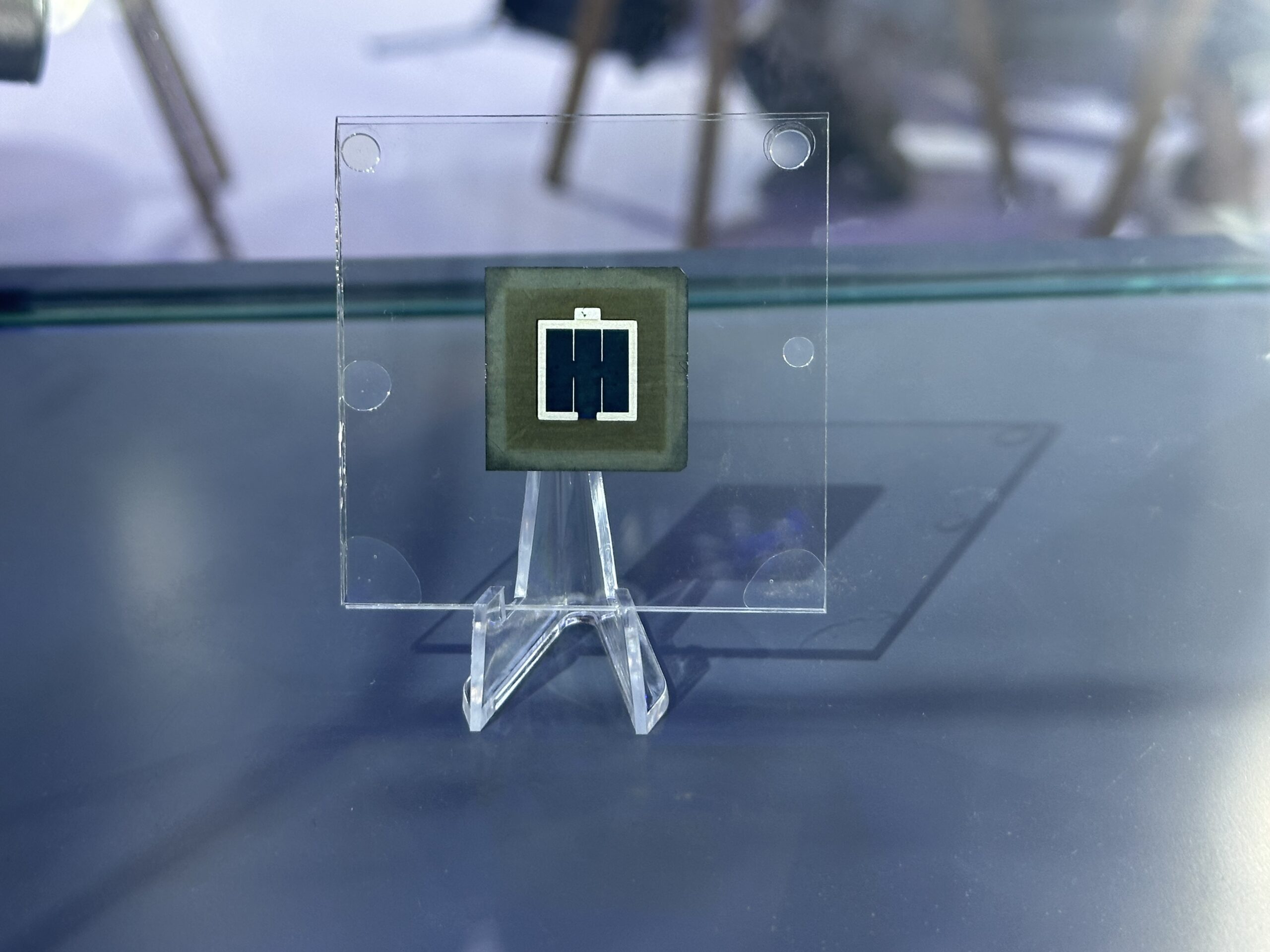
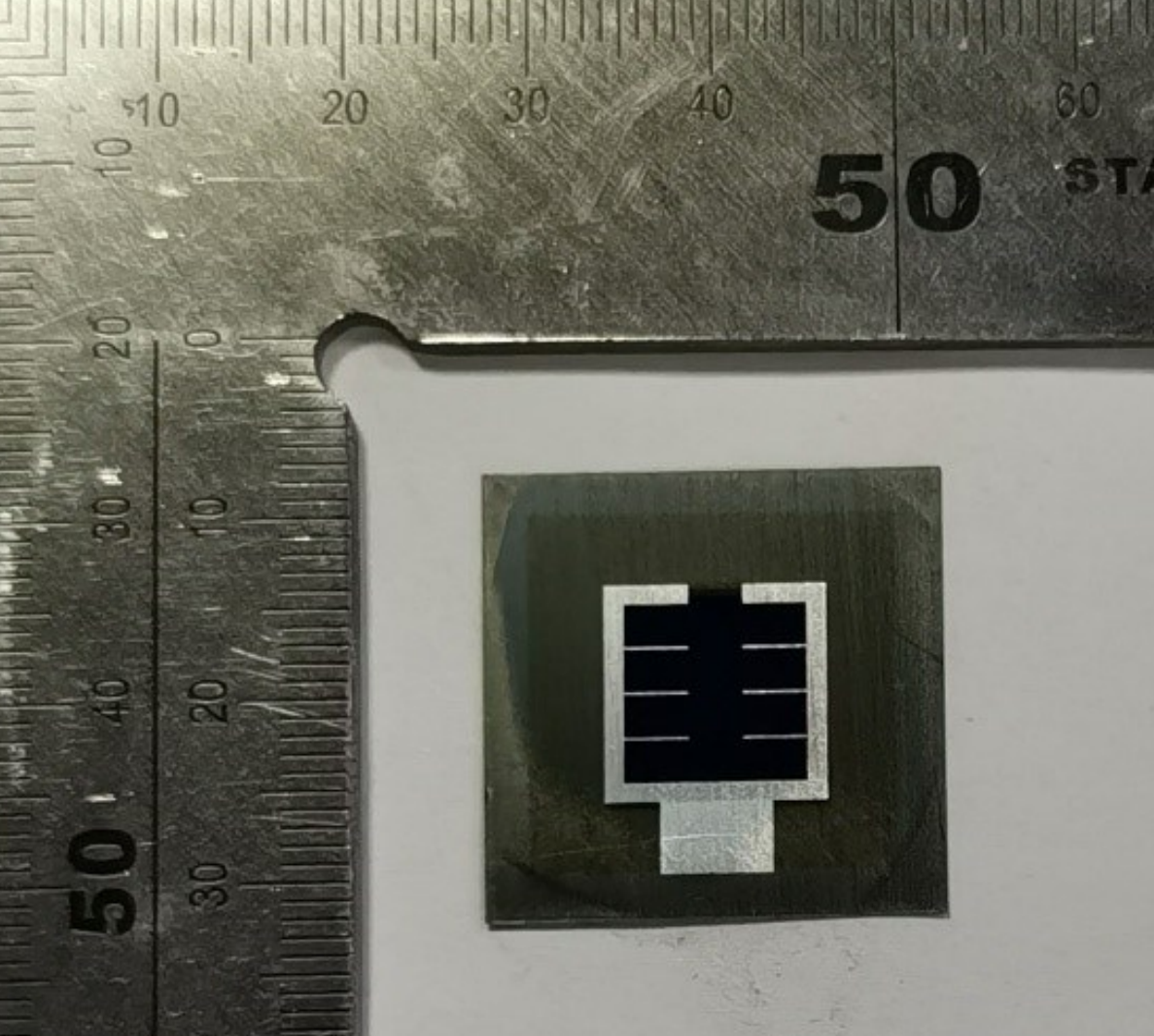
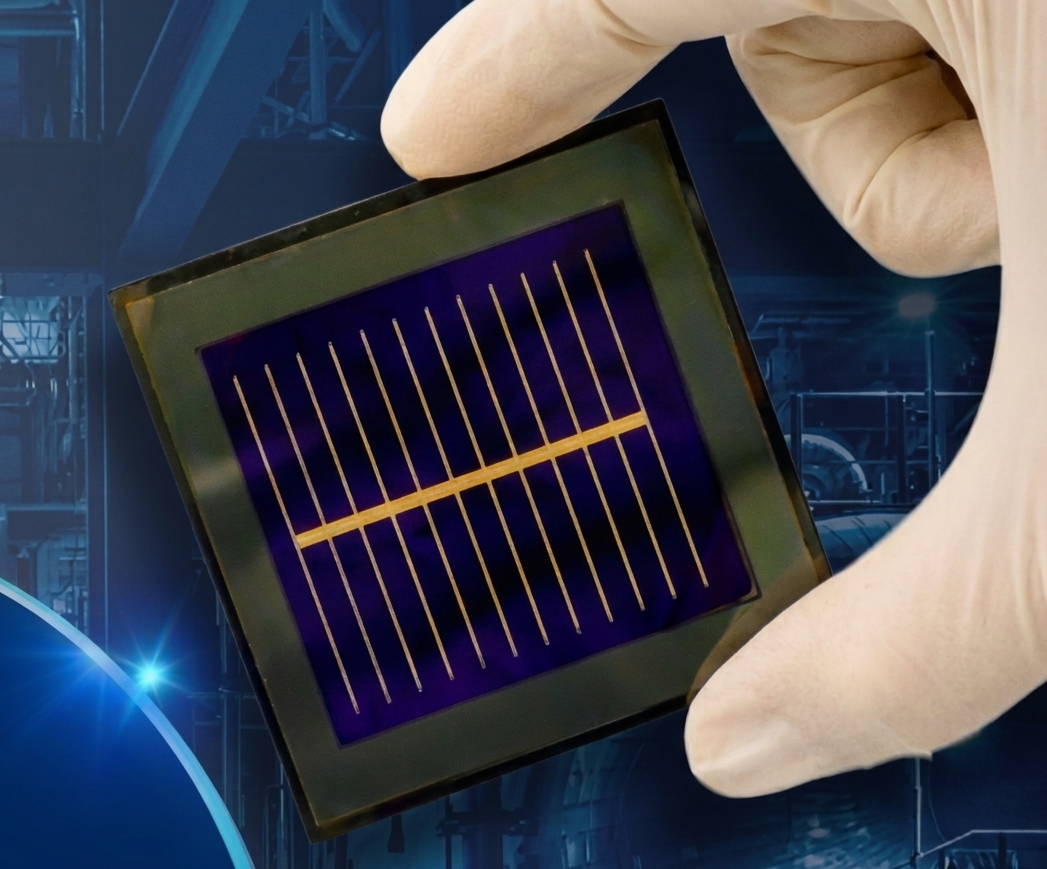
French research institute Institut Photovoltaïque d’Île-de-France (IPVF) and the Delft University of Technology (TU Delft) in the Netherlands have jointly achieved a power conversion efficiency of 31% for a 4 cm2 perovskite-silicon tandem solar cells.
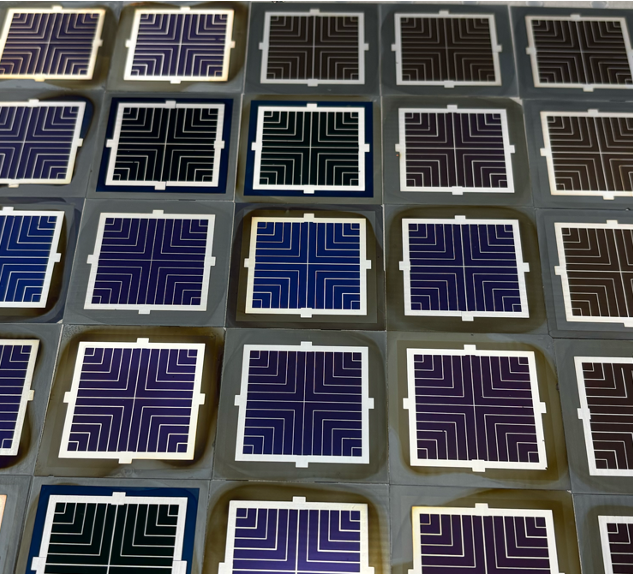
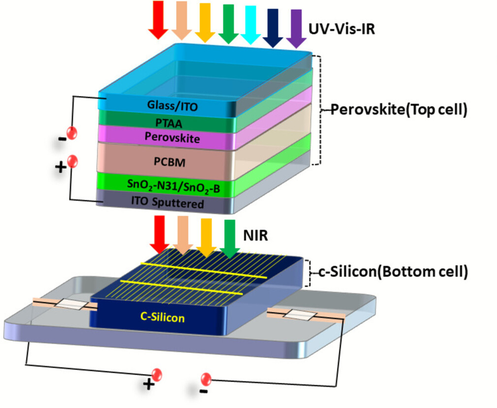
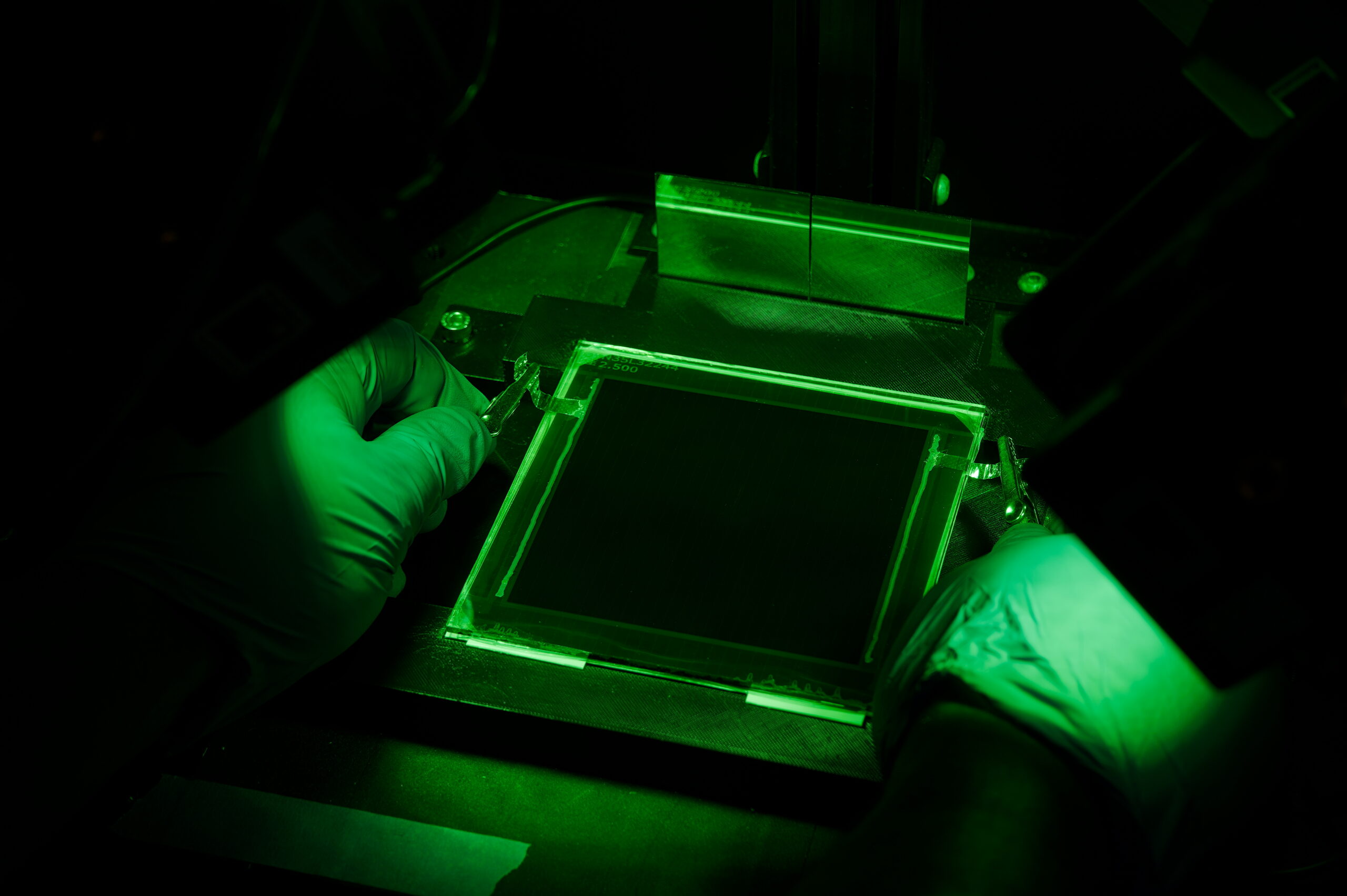
The two therminal (2T) monolithic device combines nanotextured silicon heterojunction bottom cells developed at TU Delft with perovskite top cells fabricated at IPVF using ambient air slot-die coating. The performance improvement came from the integration of nanotextured silicon bottom cells, along with the fine-tuning of the ink and slot-die conditions, and the addition of an antireflection coating.
“Achieving 31% efficiency on a 4 cm² two-terminal (2T) perovskite/silicon tandem cell, with all the manufacturing processes compatible with industrial scale-up, represents a significant step towards the next generation of photovoltaic technologies,” Gilles Goaer, Chief Technology Officer (CTO) at IPVF, told pv magazine.