The result was confirmed by the PV Performance Lab at the Commonwealth Scientific and Industrial Research Organisation (CSIRO).
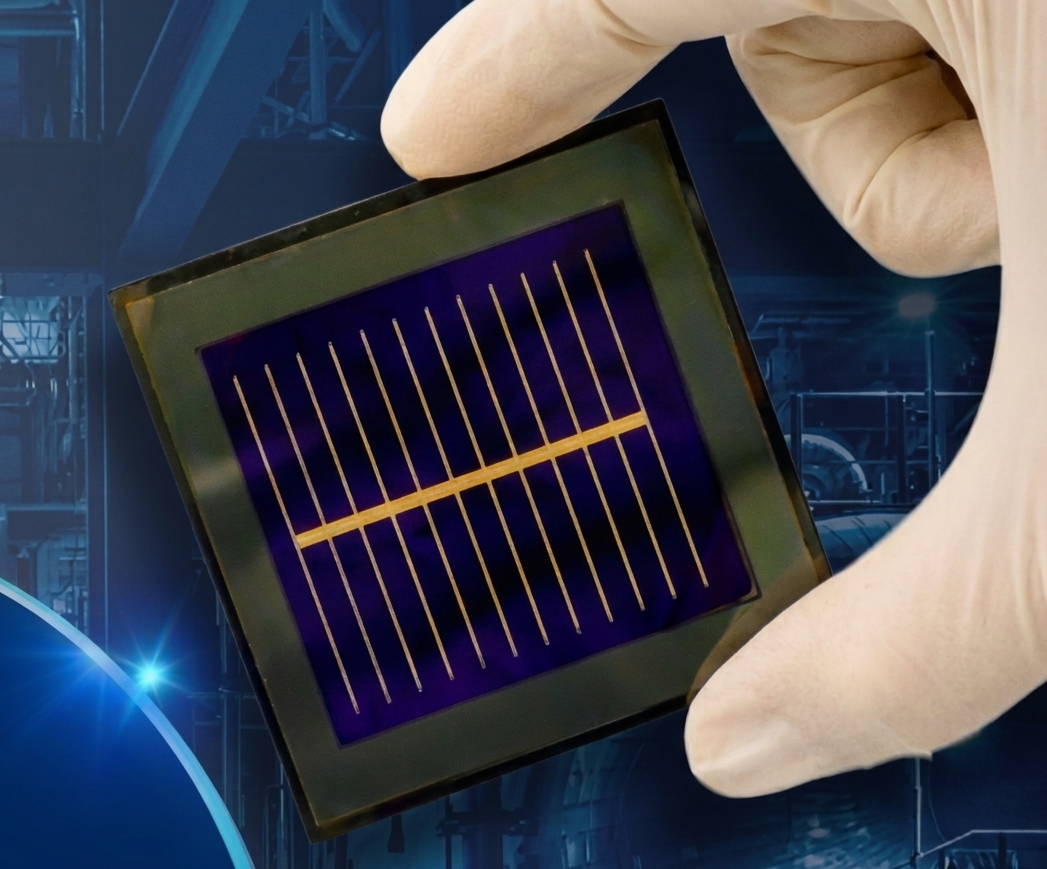
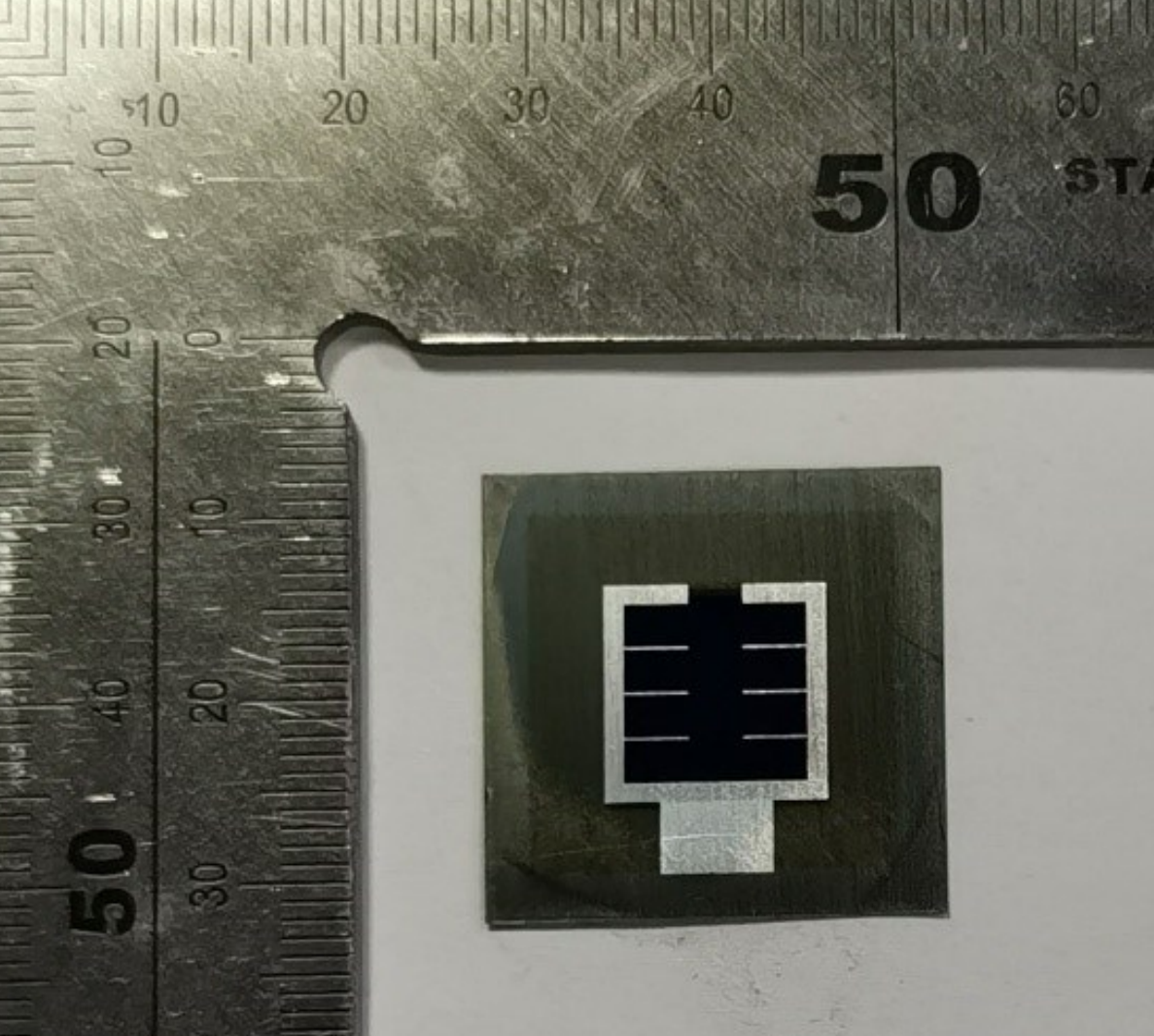
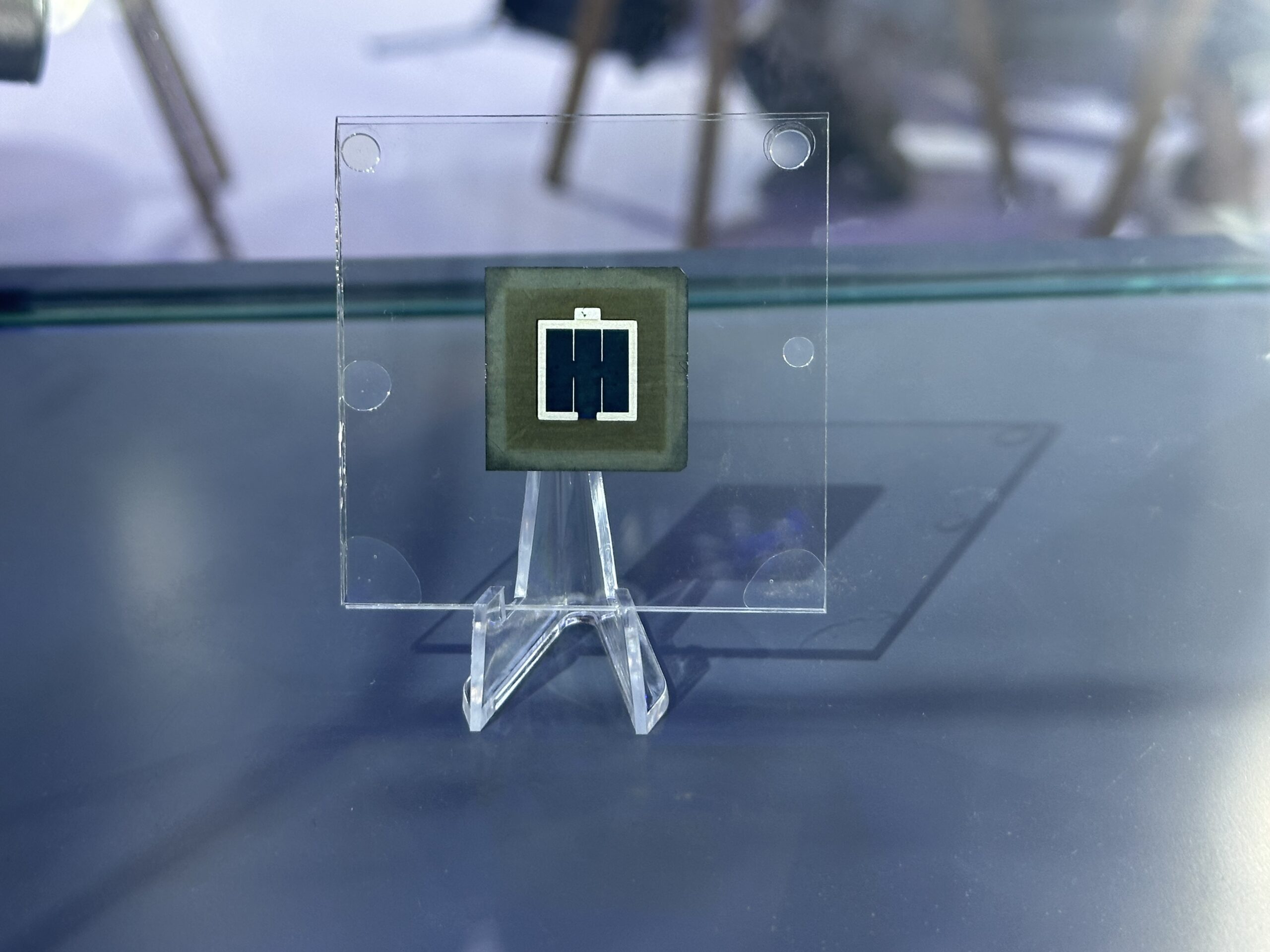
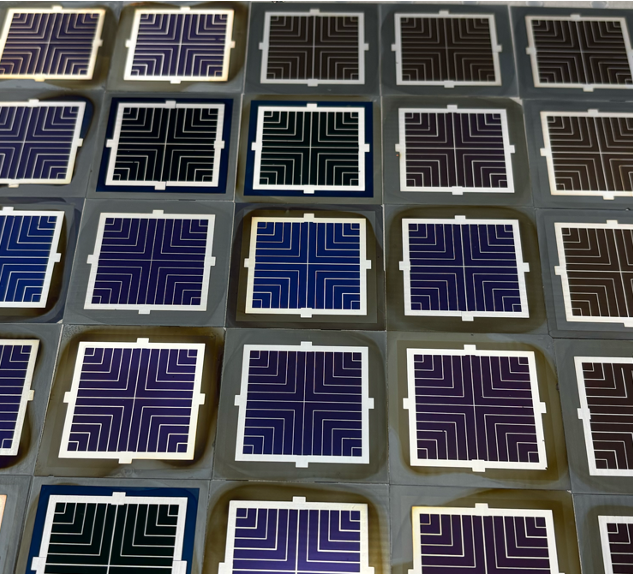
Researchers from the University of Sidney in Australia have achieved a power conversion efficiency of 30.2% for a two-terminal (2T) monolithic perovskite-silicon tandem solar cell.
The result was confirmed by the PV Performance Lab at the Commonwealth Scientific and Industrial Research Organisation (CSIRO).
The research team, headed by Adjunct Professor Anita Ho-Baillie, said the breakthrough reinforces the University of Sydney’s position as a leader in perovskite–silicon tandem solar cell research. “The achievement provides a good foundation for further area scaling of perovskite layer for improved electrical performance and stability,” she told pv magazine.
“A heterojunction silicon cell was used as the bottom junction,” she went on to say. “For the top junction, one of the key challenges in scaling to large areas is achieving uniform solution-processed films. To address this, the team engineered the hole-selective layer to enable uniform and reproducible deposition of the overlying perovskite layer across a large area. This tenfold increase in cell area builds on the team’s previous achievement of a 30%-efficient, 1 cm² perovskite–silicon tandem solar cell, independently certified by the US National Renewable Energy Laboratory (NREL) in 2024.”