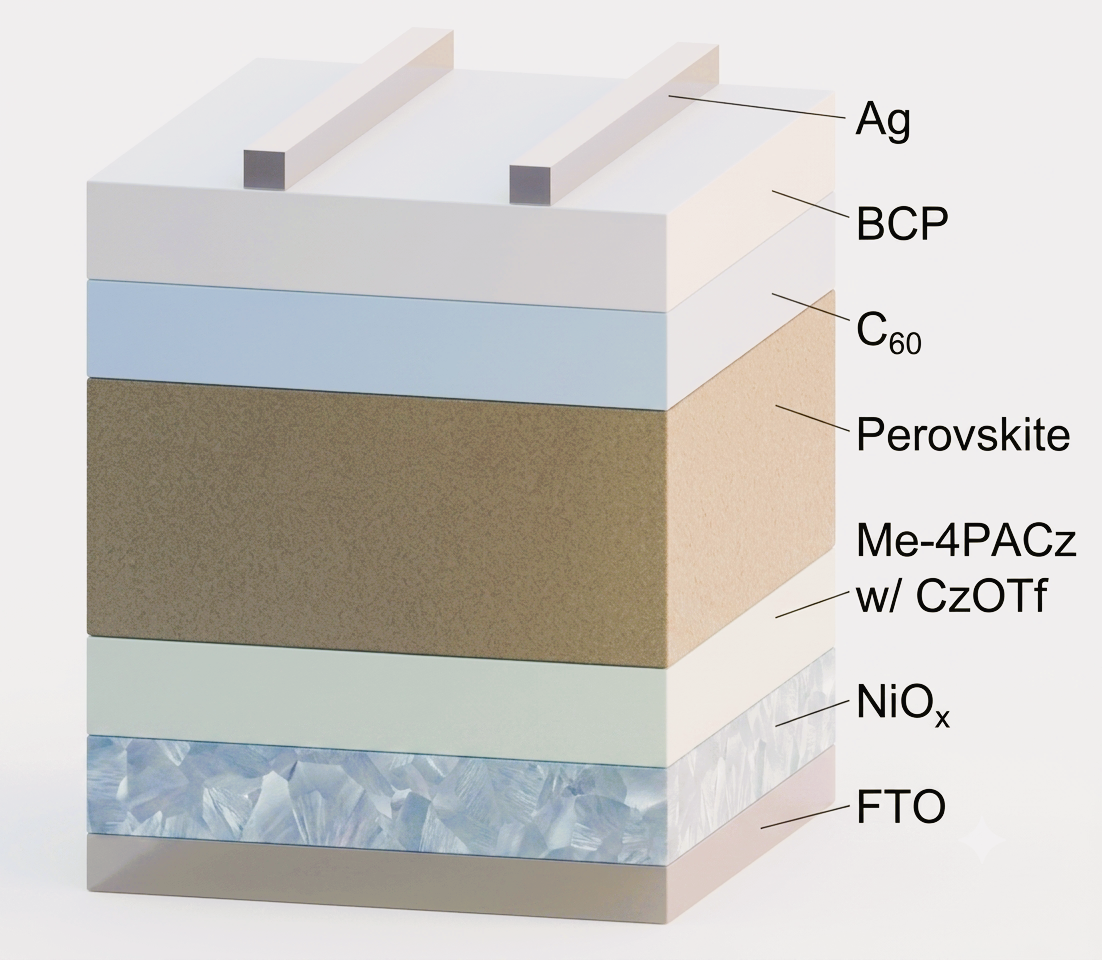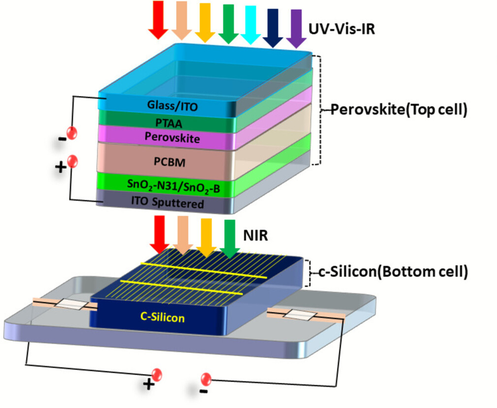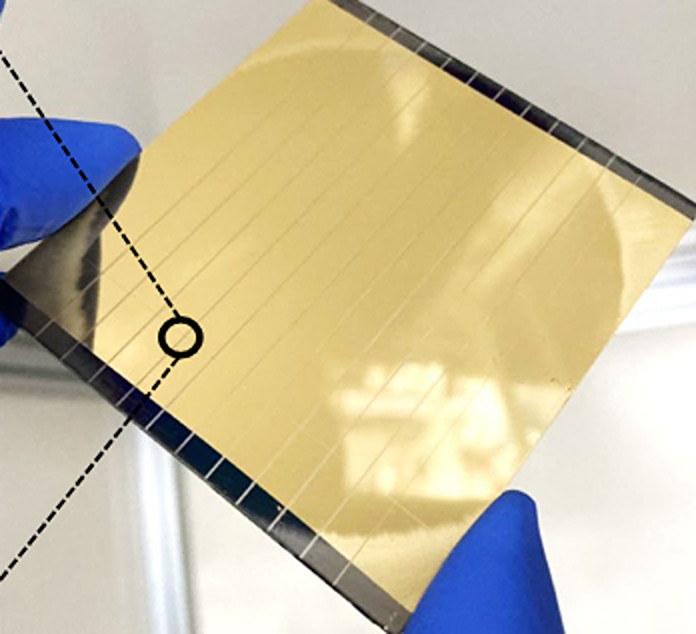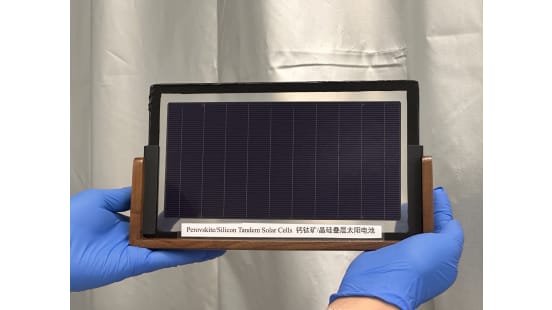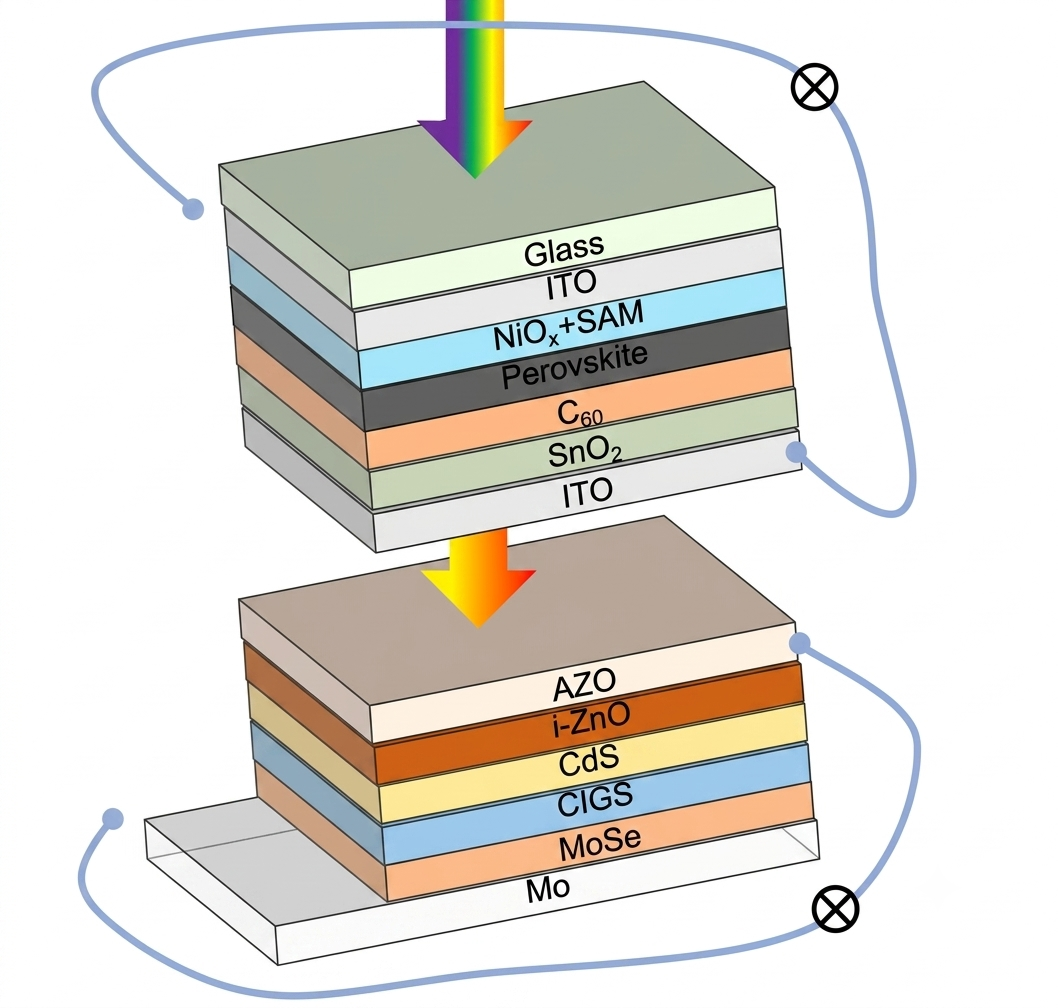
Researchers in China developed a four-terminal perovskite/CIGS tandem solar cell using bis(2-pyridylmethyl) sulfide (2PyS) coordination engineering to improve wide-bandgap perovskite stability by suppressing defects, halide migration, and phase segregation.
Researchers from the Chinese Academy of Sciences (CAS) have developed a tandem solar cell based on a top perovskite solar cell and a bottom device relying on copper, indium, gallium and selenium (CIGS) using a coordination-engineering approach designed to improve the stability of the wide-bandgap perovskite material.
They used, in particular, an organic sulfur-containing compound known as bis(2-pyridylmethyl) sulfide (2PyS) to fine-tune the local coordination environment of lead (Pb) ions within the perovskite layer. This strategy helped limit defect formation, suppress halide ion migration, and reduce photoinduced phase segregation, addressing key stability challenges in wide-bandgap perovskite absorbers.
“A key origin of this instability is the presence of undercoordinated Pb defects and associated halide vacancies,” they explained. “These defects not only act as recombination centers but also disturb the local lattice environment and provide pathways for halide ion migration. Conventional post-treatment passivation strategies can reduce some defects after crystallization, but they often offer limited control over defect formation during the film growth process. As a result, photoinduced halide segregation remains difficult to suppress during long-term device operation.”