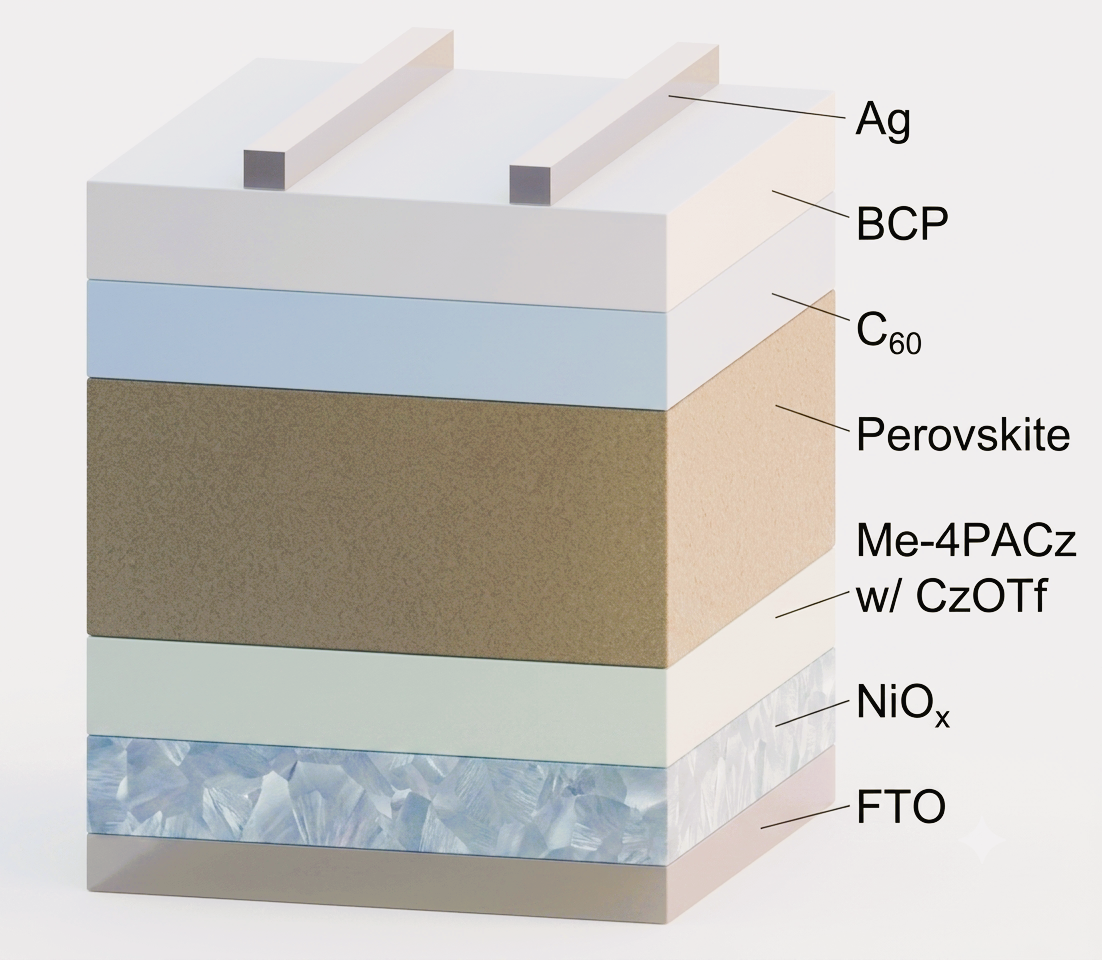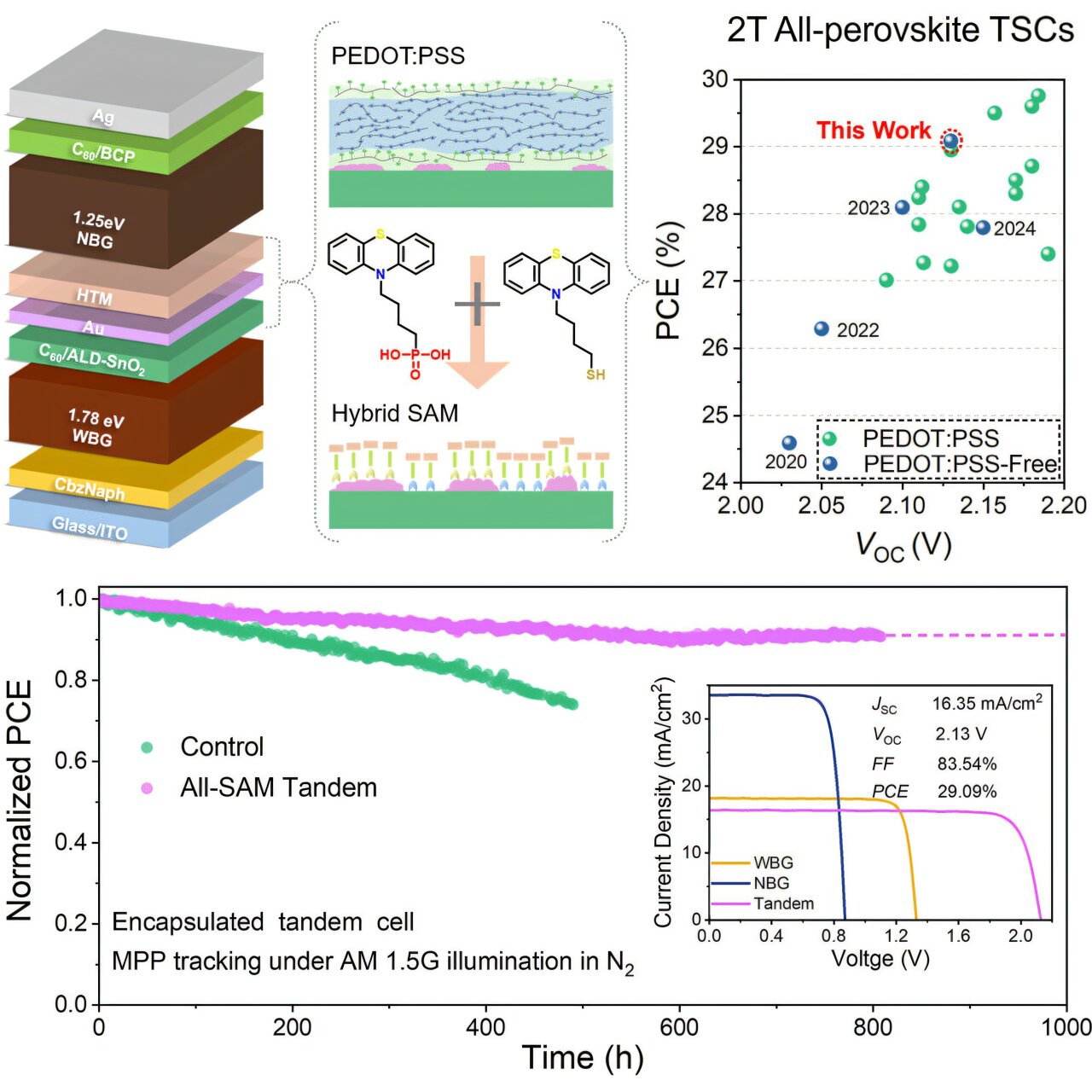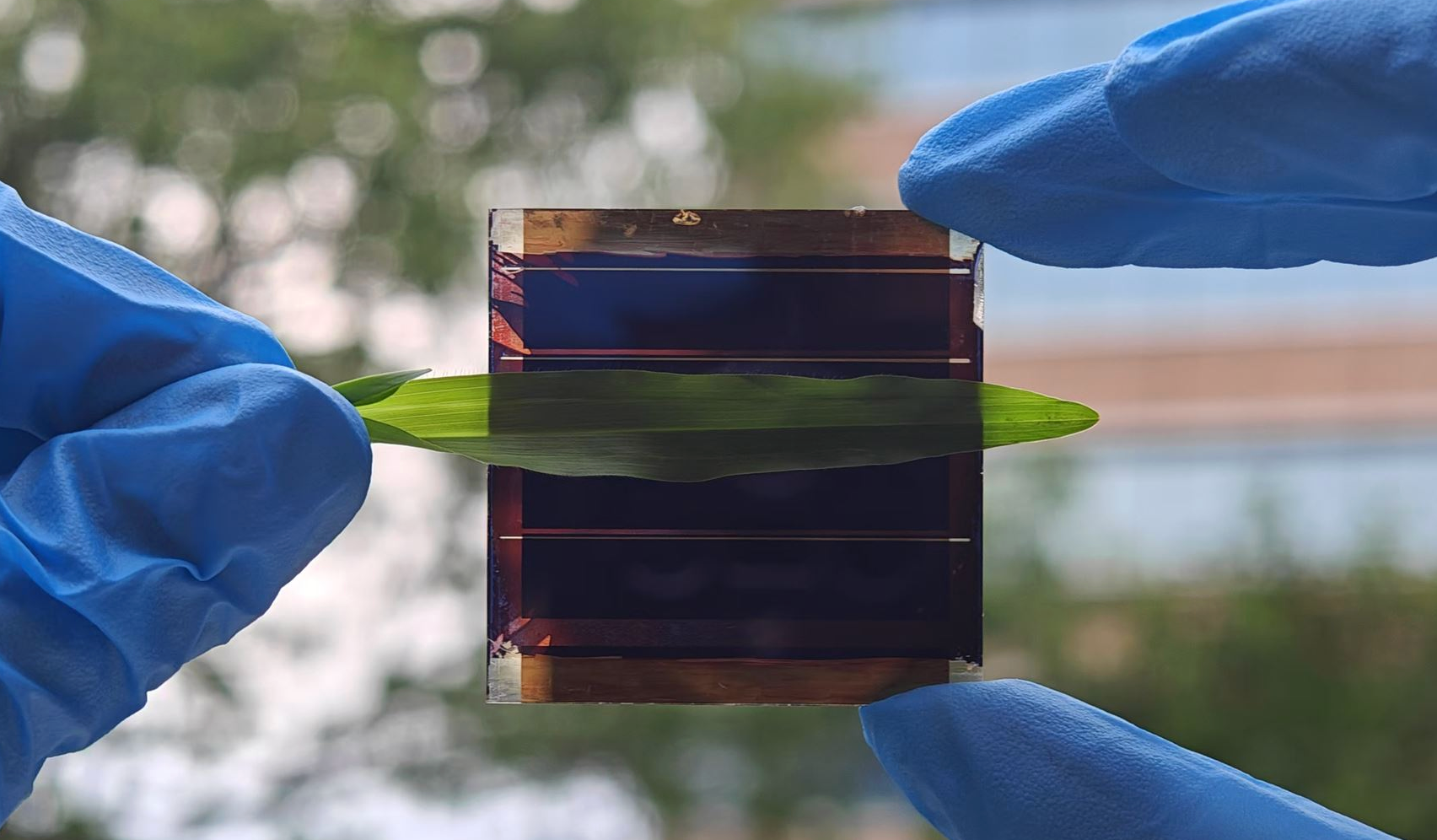
Researchers from the Hong Kong Polytechnic University have developed a perovskite–organic tandem solar cell with enhanced reverse-bias stability, addressing a key reliability challenge in thin-film PV technologies. The device achieved strong resistance to voltage-induced damage by suppressing leakage pathways and defects, retaining more than 90% of its initial efficiency under severe reverse-bias stress.
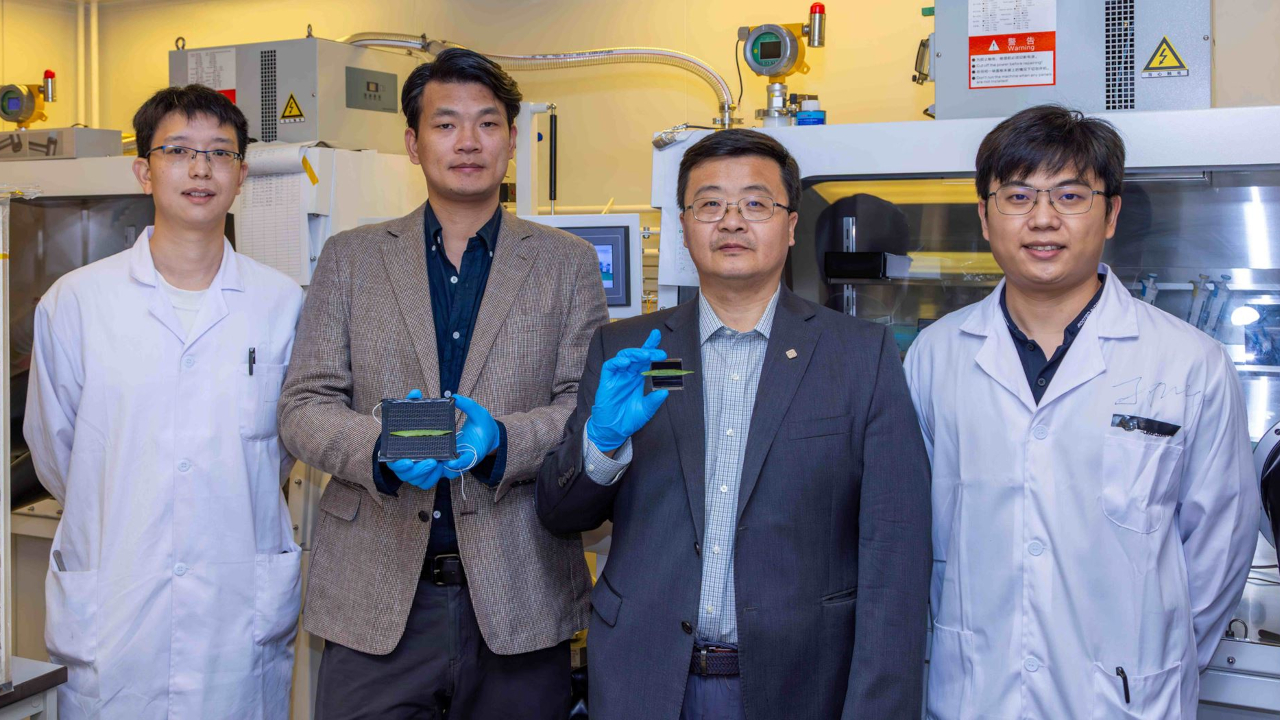
Researchers from the Hong Kong Polytechnic University (PolyU) have developed a perovskite–organic tandem solar cell designed to withstand damage caused by negative voltage, or reverse-bias stress.
The advancement addresses a key reliability challenge for thin-film photovoltaic technologies, which can experience reverse-bias conditions when partial shading from trees, buildings, or other obstacles creates electrical mismatches between cells. Such stress can reduce power output and accelerate device degradation.
Reverse-bias stress occurs when parts of a solar cell operate under an abnormal electrical condition, forcing them to dissipate energy rather than generate electricity. The effect is particularly relevant for thin-film technologies, including perovskite, organic, copper indium gallium selenide (CIGS), and cadmium telluride (CdTe) solar cells, where defects and material non-uniformities can create vulnerable regions.