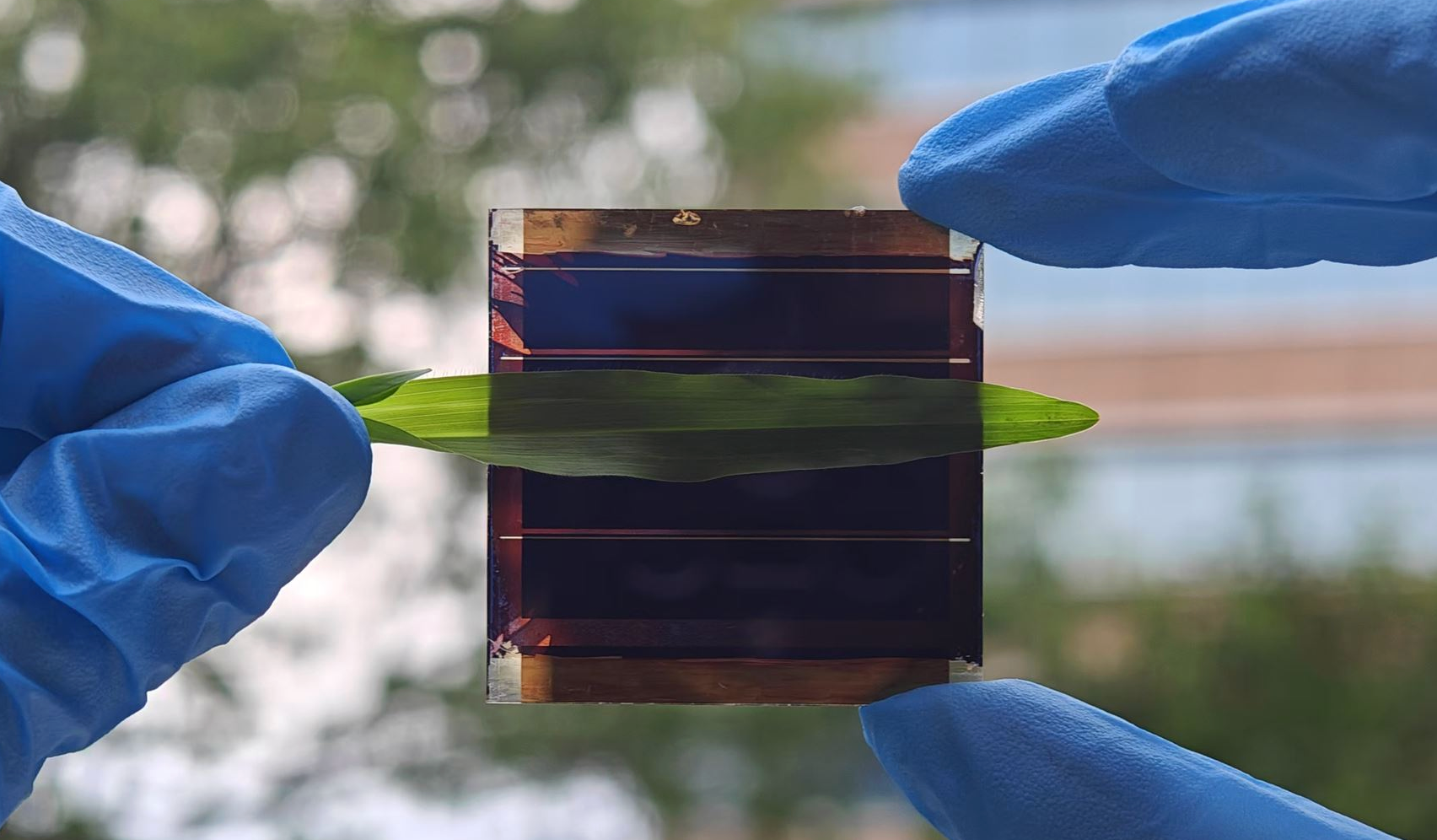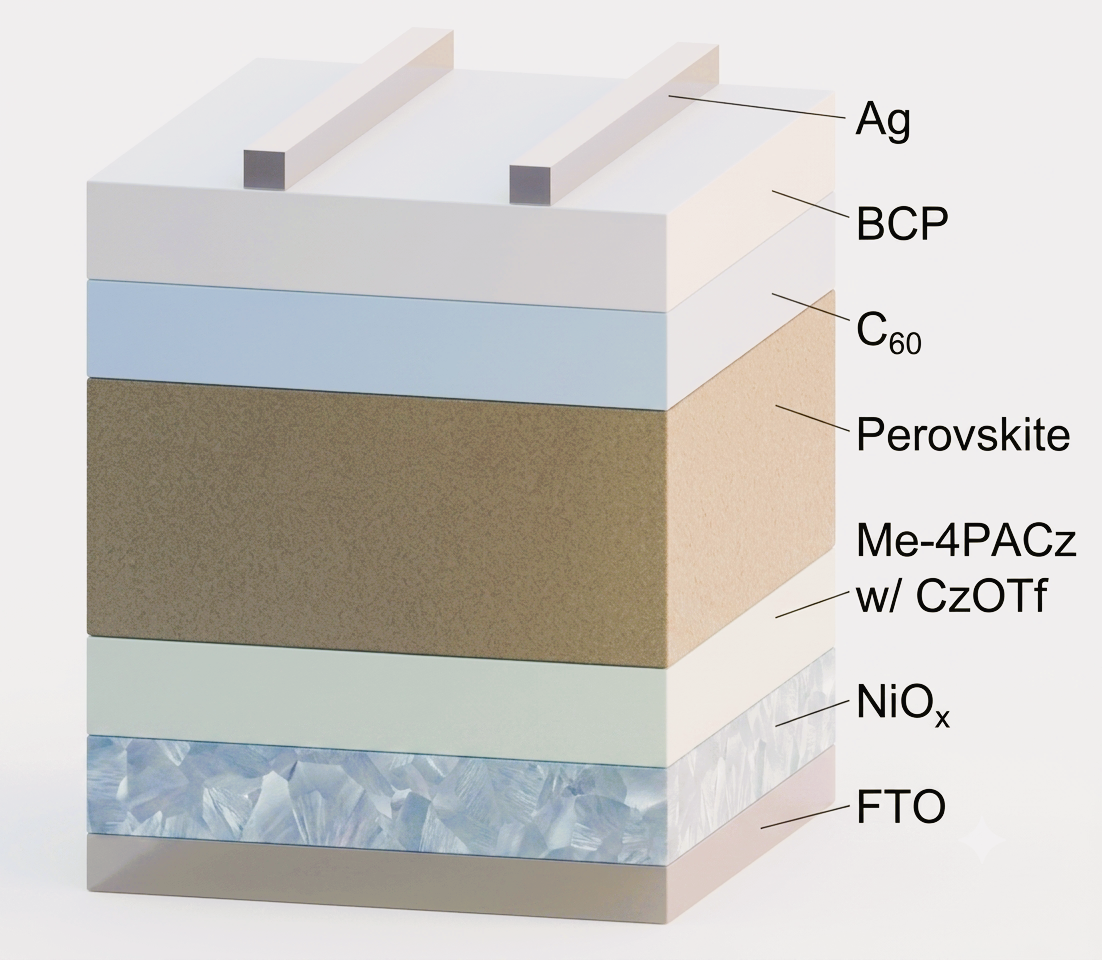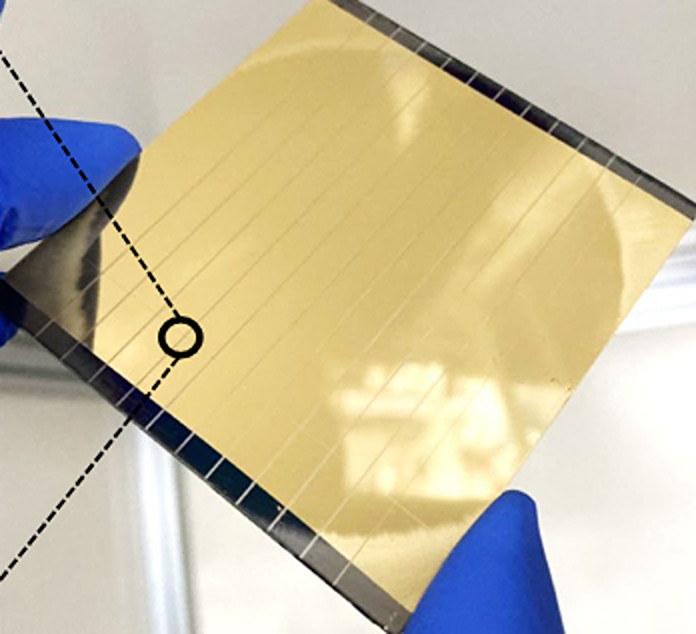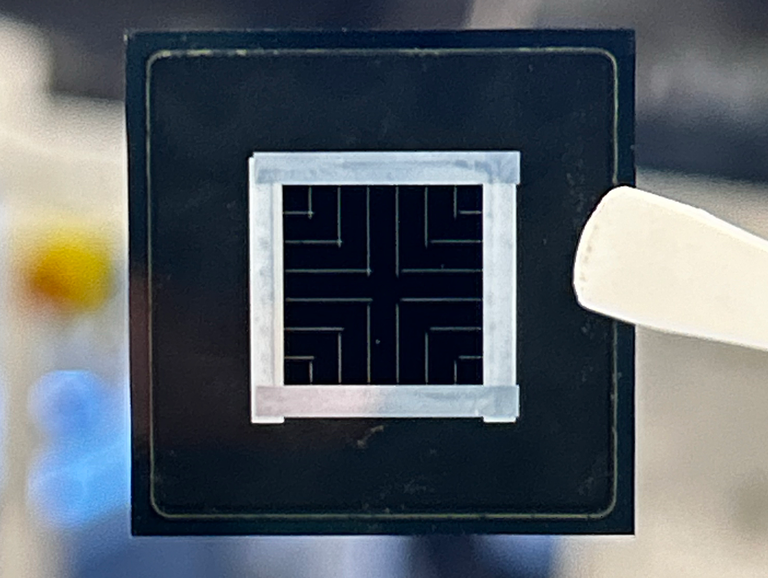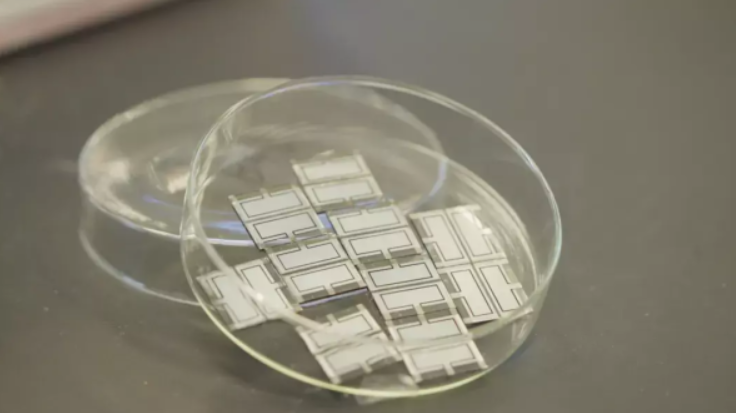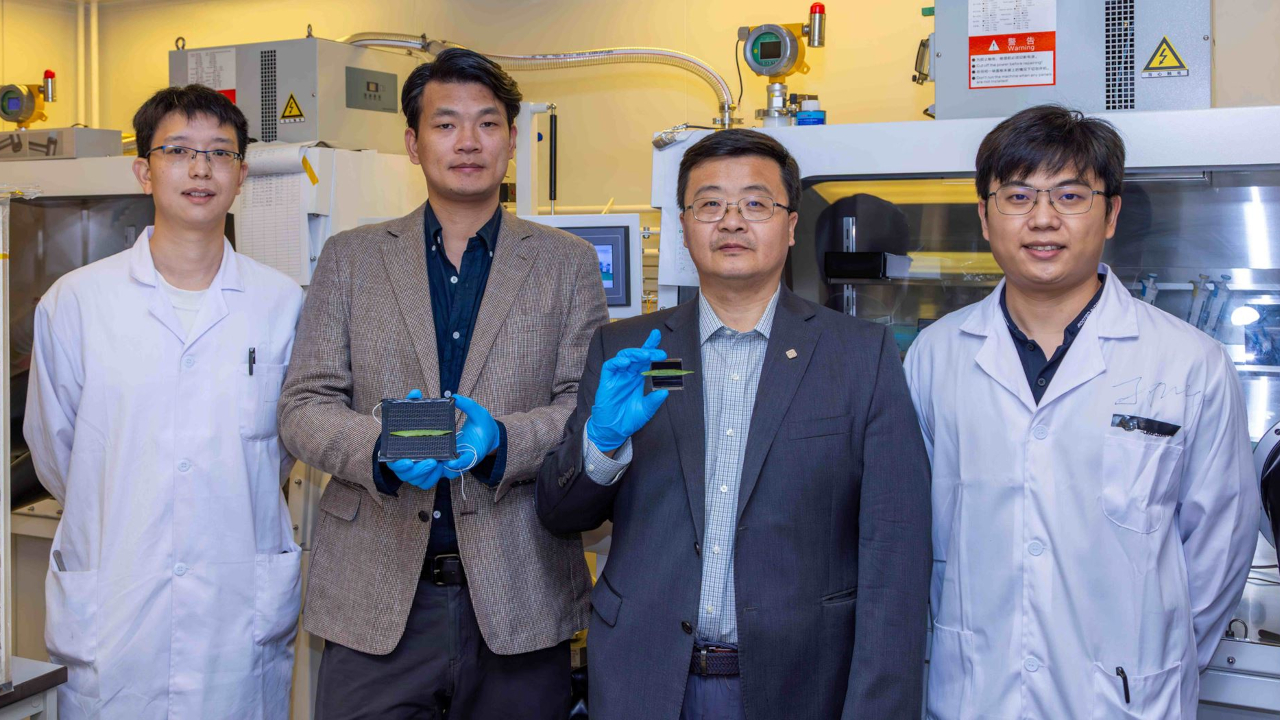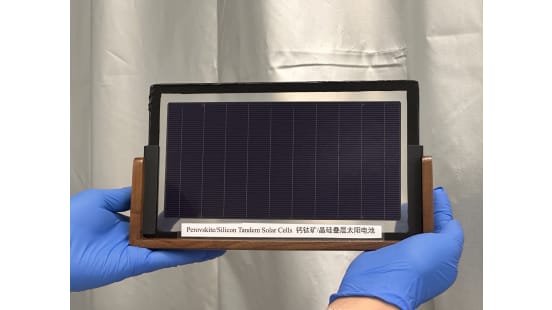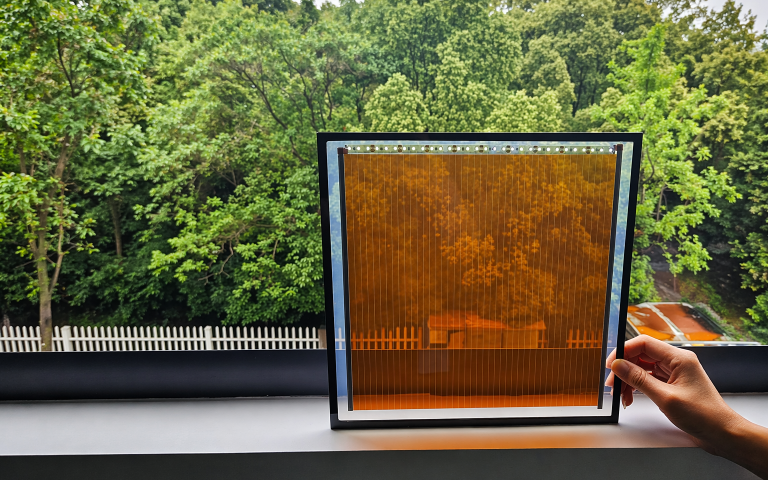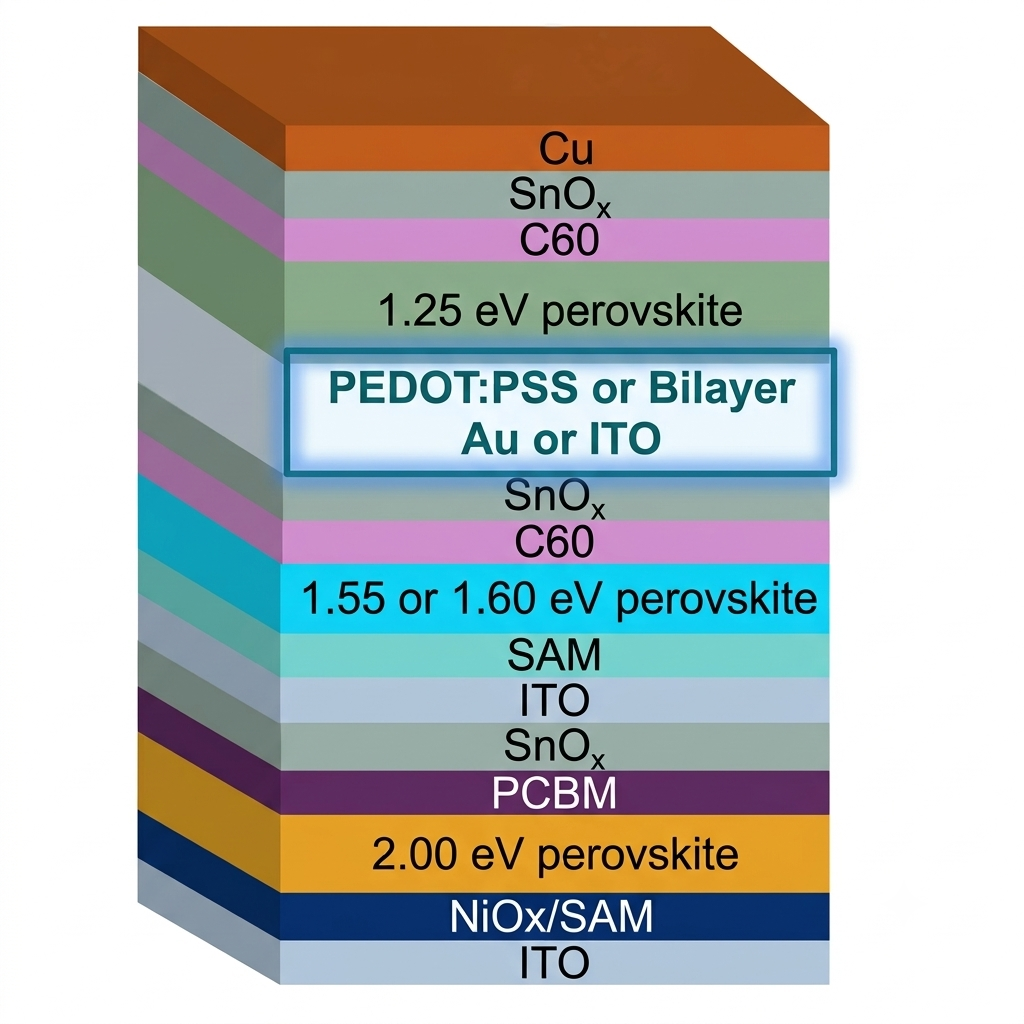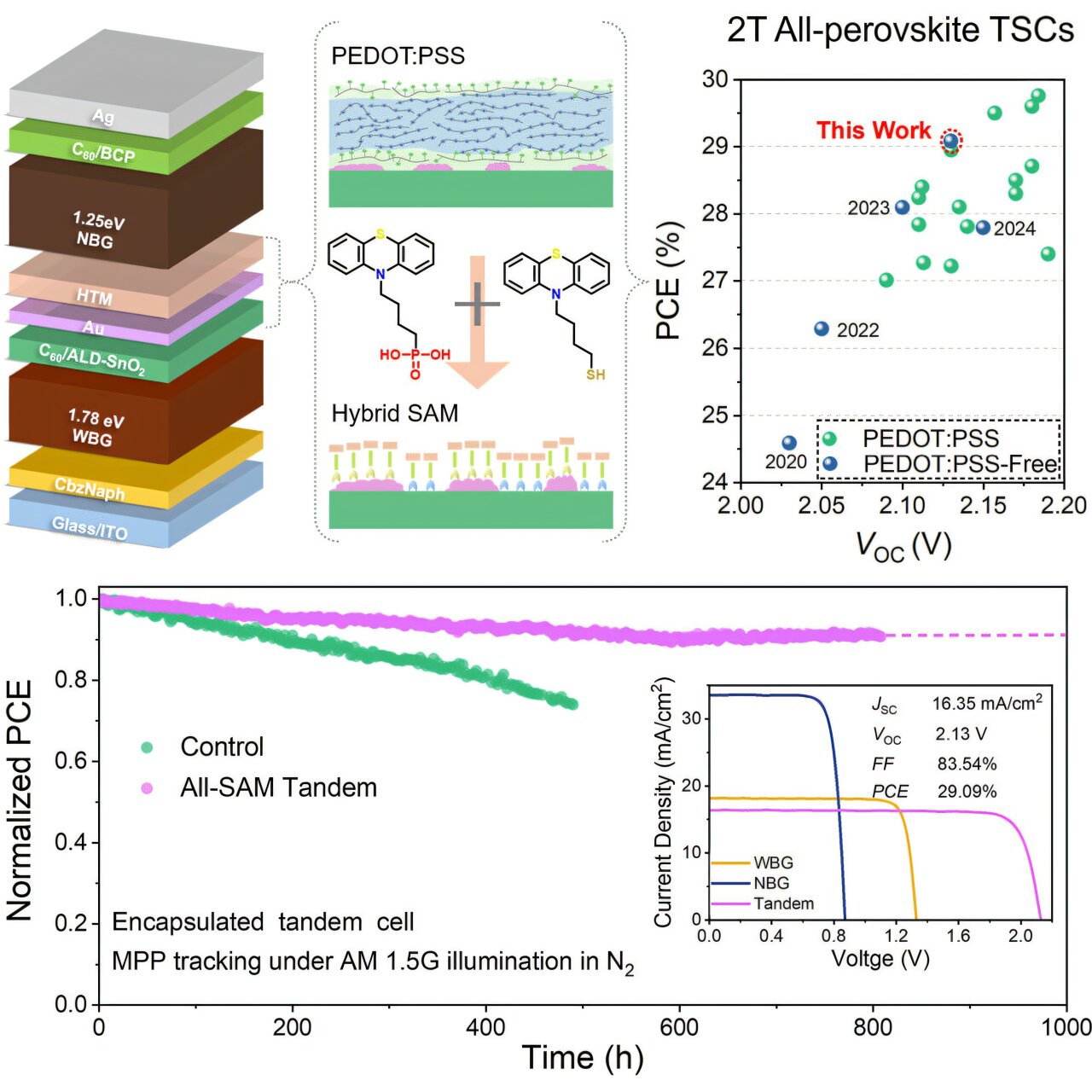
Illustration showing interface-mediated crystallization enables PEDOT:PSS-free all-perovskite tandems with 29.1% efficiency and enhanced durability. Credit: HKUST
Solar cells' efficiency and lifespan are often determined by what happens at interfaces—the microscopic boundaries where different materials meet. Researchers from The Hong Kong University of Science and Technology (HKUST) have contributed to two recently published studies that show molecular interface engineering can unlock major gains in the efficiency and durability of next-generation perovskite tandem solar cells.
The two studies, published in the journals Joule and Nature Communications, focus on different tandem architectures but convey one common message: Carefully designed molecular layers can do far more than connect materials. They can guide how perovskite films crystallize, suppress energy-wasting defects, promote charge transport and protect solar cells against degradation.
Professor Lin Yen-Hung, an assistant professor in the Department of Electronic and Computer Engineering at HKUST, said, "Perovskite tandem solar cells have reached a stage where every interface matters. These two studies highlight a shared principle: molecular interfaces can be designed as active platforms to control crystallization, reduce energy loss, facilitate charge transport, and improve long-term stability across different tandem architectures."