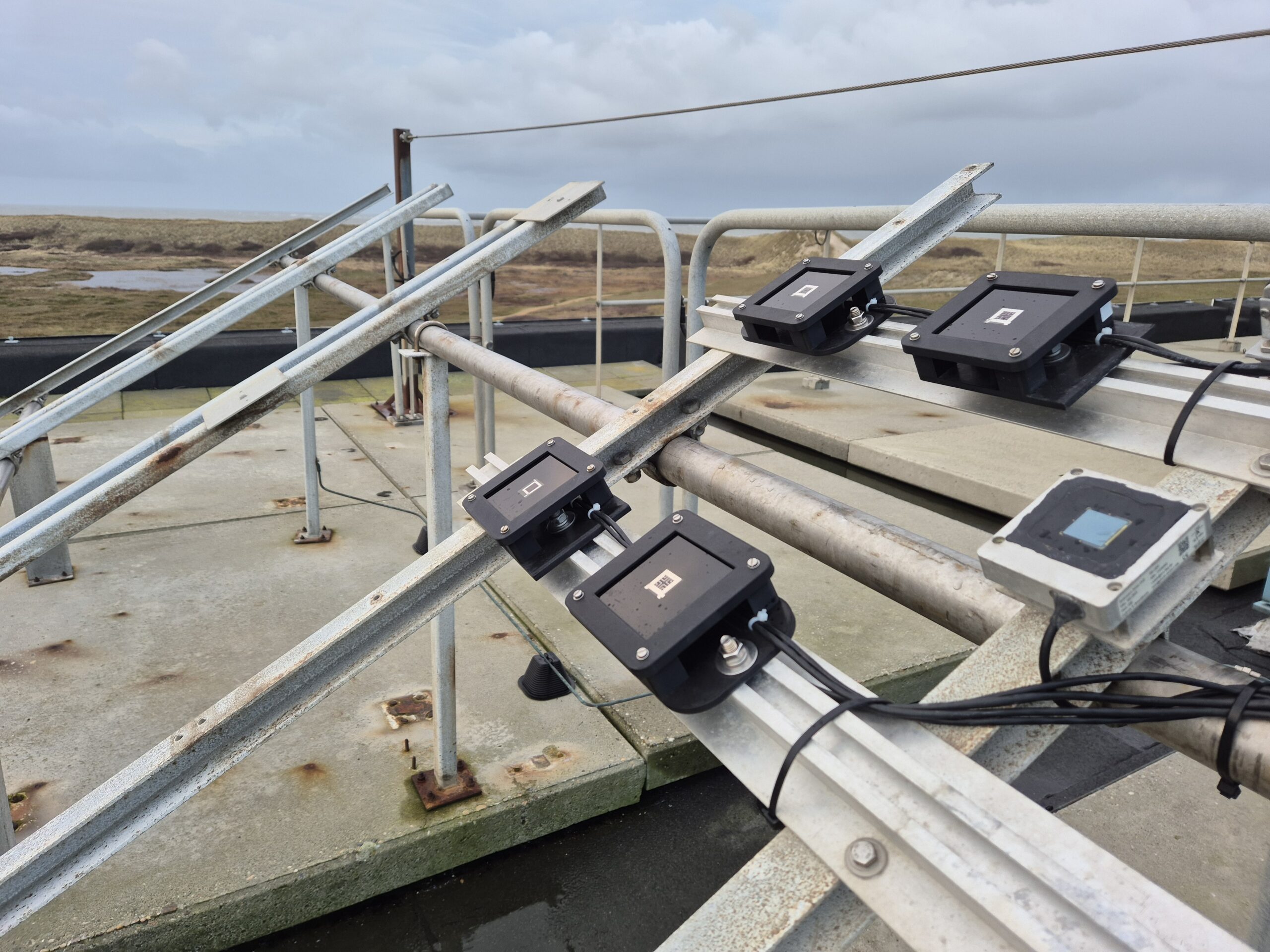
Researchers from TNO and Fraunhofer ISE ran a 1-year outdoor test of perovskite/perovskite/silicon triple-junction solar cells and found a clear efficiency decline from 17–18% to 13–14% driven by multi-stage degradation. The main failure mechanisms were voltage loss, encapsulation delamination, and UV/thermal-induced interface and transport-layer degradation rather than intrinsic absorber instability.
Researchers from the Netherlands Organization for Applied Scientific Research (TNO) and Germany’s Fraunhofer Institute for Solar Energy Systems (Fraunhofer ISE) have conducted a 1-year test to measure the outdoor performance of peroskvsite solar technologies and have found that several factors contribute to significant perovskite degradation.
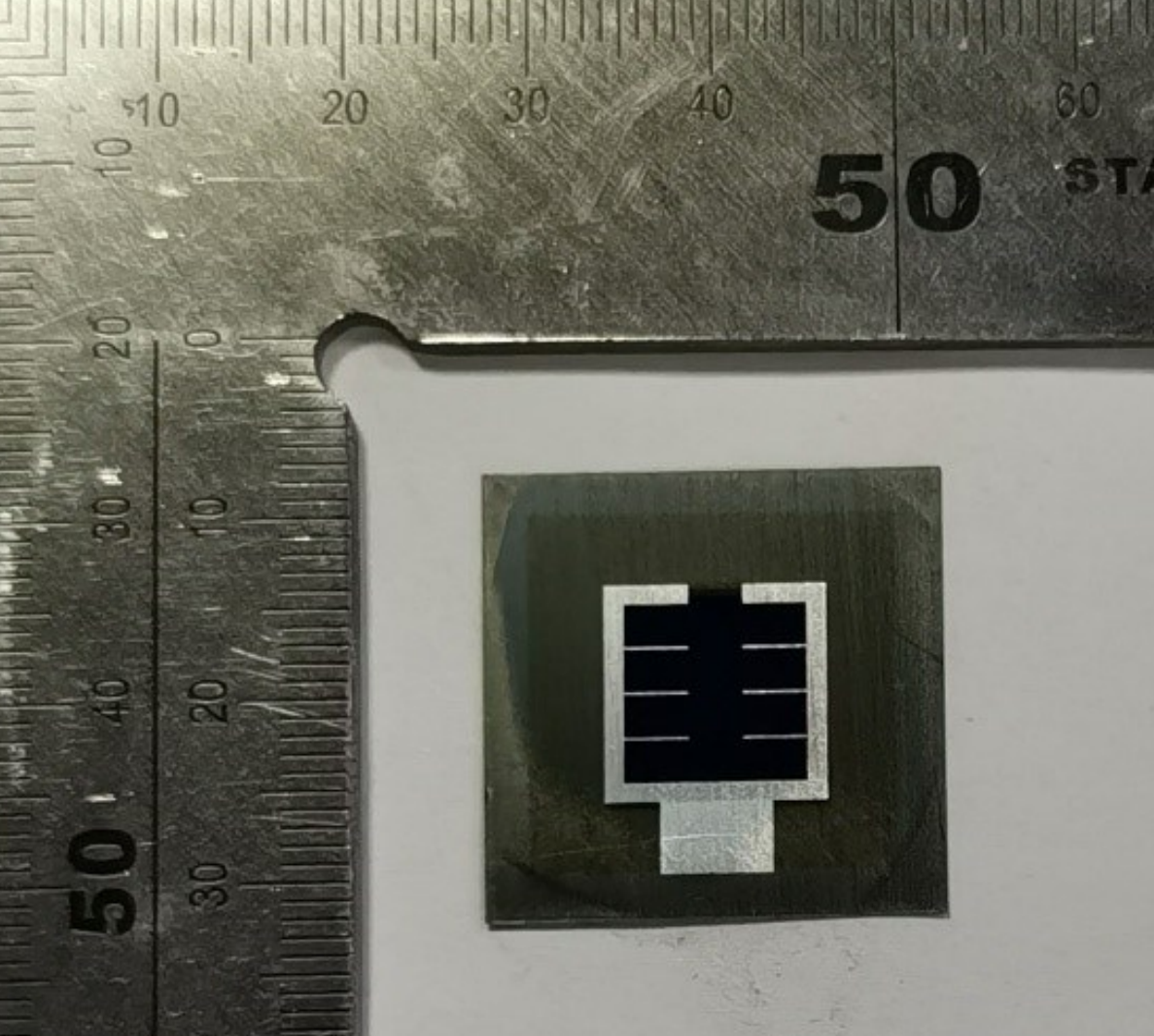
For the testing, the team used triple junction perovskite/perovskite/silicon solar cells with an active area of 1 cm × 1 cm. “We chose triple junction devices as they have a theoretical higher performance limit,” corresponding author Petra Manshanden told pv magazine. “These devices are fairly uncommon and long time outdoor exposure data has not yet been shown.”
The device tested is a monolithic triple-junction tandem combining a p-type heterojunction silicon bottom cell with two stacked perovskite subcells. The silicon base is rear-textured with a closed metal rear contact, acting as the near-infrared absorber. On top, a 1.56 electronvolt perovskite middle cell is deposited on indium tin oxide (ITO), with polybis(4-phenyl)(2,4,6-trimethylphenyl)amine and poly(9,9-bis(3′-(N,N-dimethylamino)propyl)-2,7-fluorene)-alt-2,7-(9,9-dioctylfluorene) as hole transport layers, and fullerene (C60) with tin oxide (SnOx) as the electron transport stack.