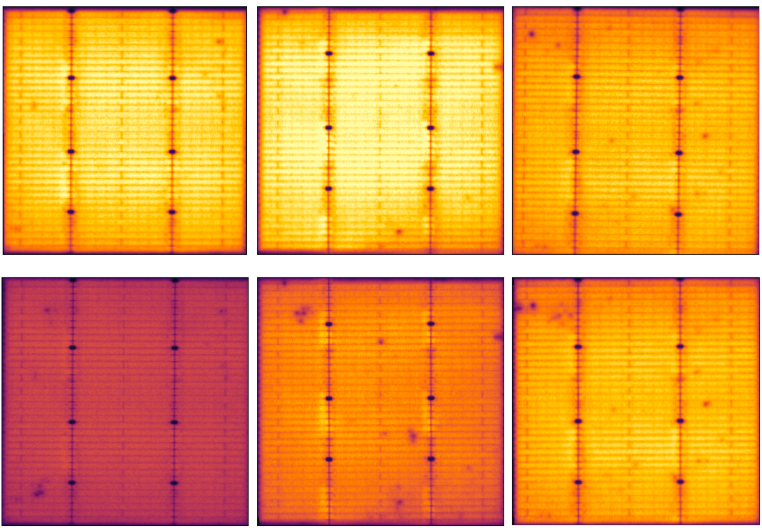
The scientists identified that UV exposure in PERC and TOPCon solar cells increases interface defects and makes them more recombination-active, driving ultraviolet-induced degradation. They found strong degradation on PERC front and rear surfaces and TOPCon front surfaces, while the TOPCon rear remains stable due to poly-Si UV absorption.
May 21, 2026
Researchers at the University of South New Wales (USNW) in Australia have investigated the physical origin of ultraviolet-induced degradation (UVID) in PERC and TOPCon solar cell technologies and have found that UV exposure not only creates additional interface defects, but also alters their electronic activity, making them substantially more recombination-active.
One of the key findings of the research is that UV exposure induces pronounced degradation on both the front and rear surfaces of PERC solar cells, as well as on the front surface of TOPCon cells, while the rear side of TOPCon remains largely unaffected due to UV absorption in the poly-Si layer. “This explains why TOPCon and heterojunction (HJT) technologies can exhibit stronger UV sensitivity than conventional PERC architectures,” corresponding author Bram Hoex told pv magazine. “It also highlights the critical role of interface engineering and hydrogen management for future UV-stable high-efficiency modules.”