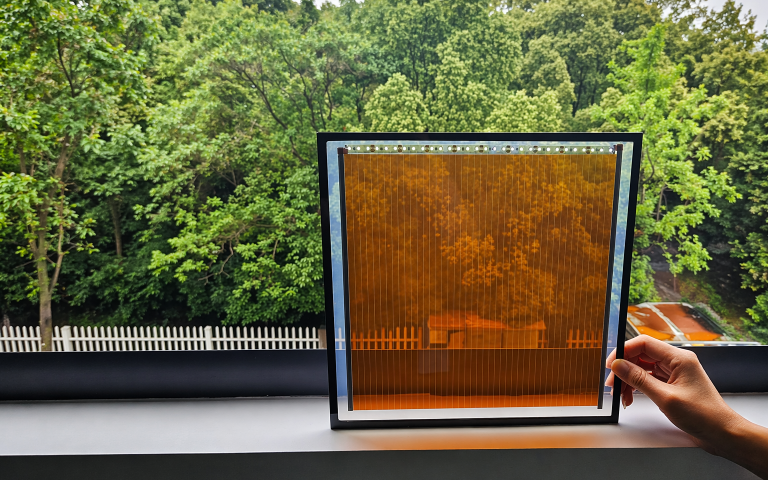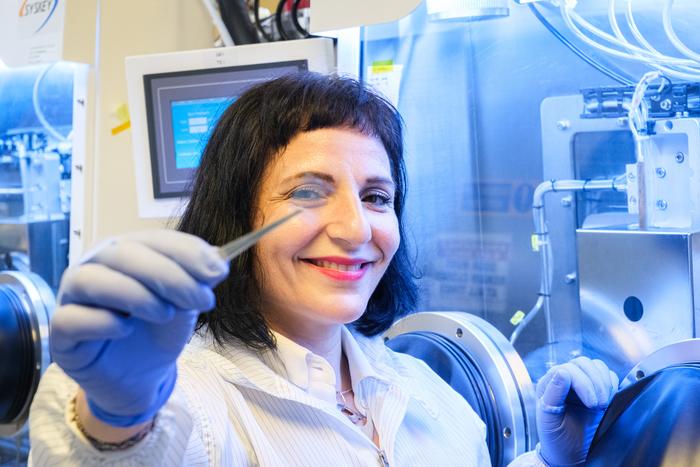
Researchers at NTU Singapore have developed ultra-thin perovskite solar cells about 50 times thinner than conventional designs using a vacuum-based thermal evaporation process. The devices can be semi-transparent and energy-generating under diffuse light, making them promising for integration into building windows and facades.
May 20, 2026
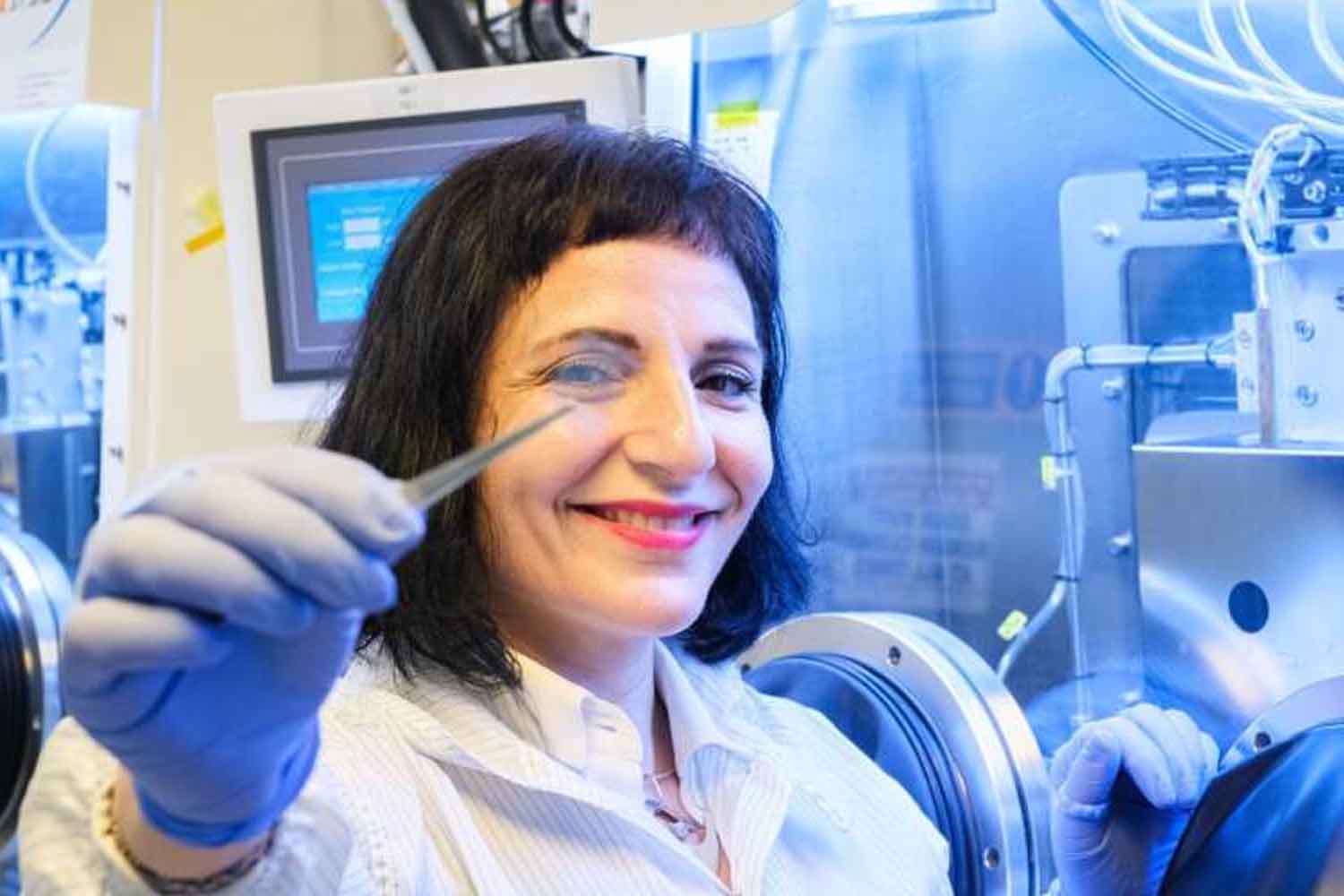
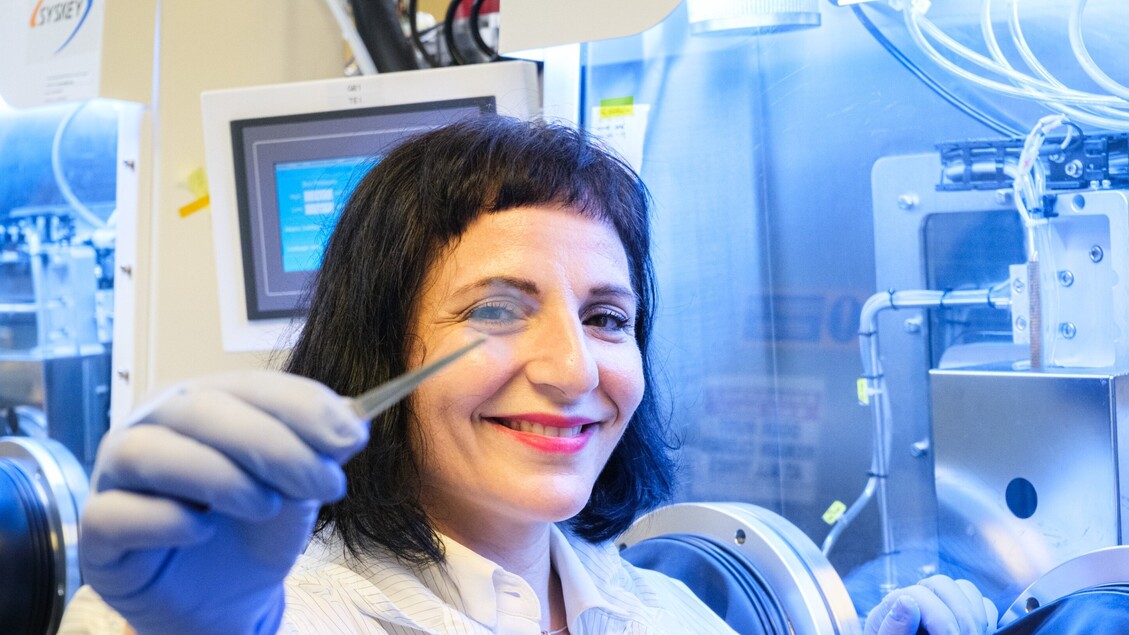
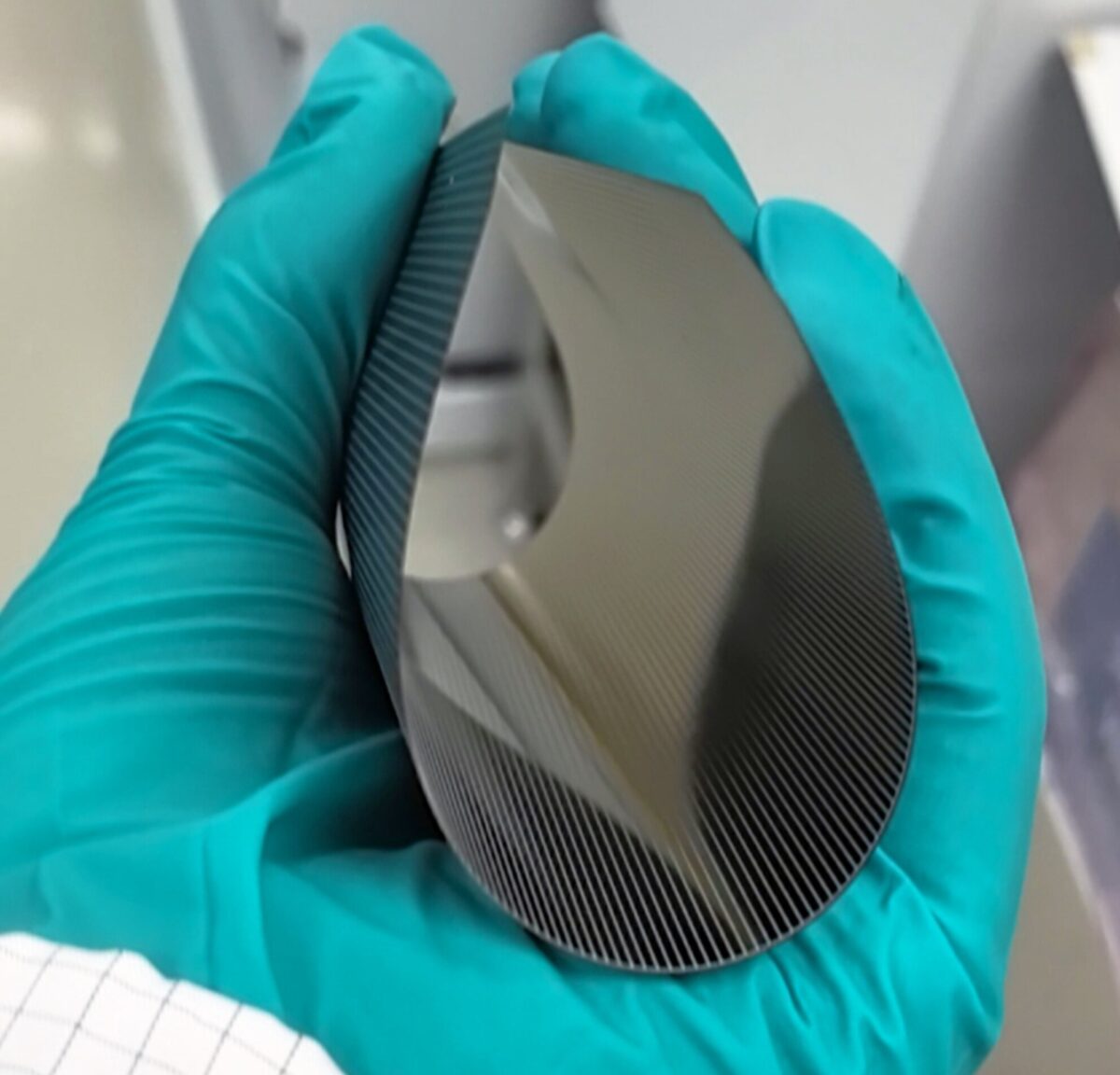
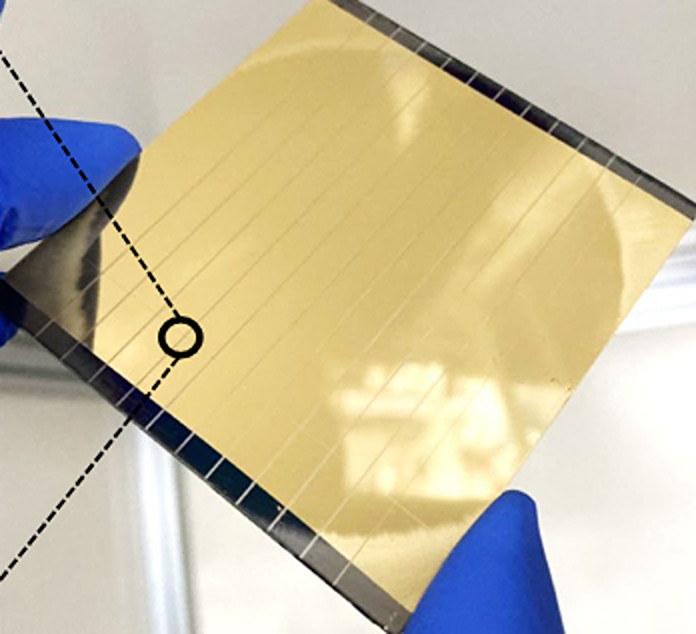
A research team at Nanyang Technological University (NTU) in Singapore has developed perovskite solar cells that are “about 10,000 times thinner than a human hair and approximately 50 times thinner than conventional ones,” according to a study published in ACS Energy Letters.
“Buildings account for approximately 40% of global energy consumption, so technologies that unobtrusively transform building surfaces into energy-generating assets are becoming increasingly urgent,” said Professor Annalisa Bruno of NTU’s School of Physical and Mathematical Sciences and School of Materials Science and Engineering.
“Our perovskite cells offer clear advantages, as they can be manufactured using simple processes and at relatively low temperatures. They can also be tuned to absorb specific wavelengths while remaining transparent, and could be scaled up for use on large surfaces, thereby reducing their carbon footprint,” Bruno added.