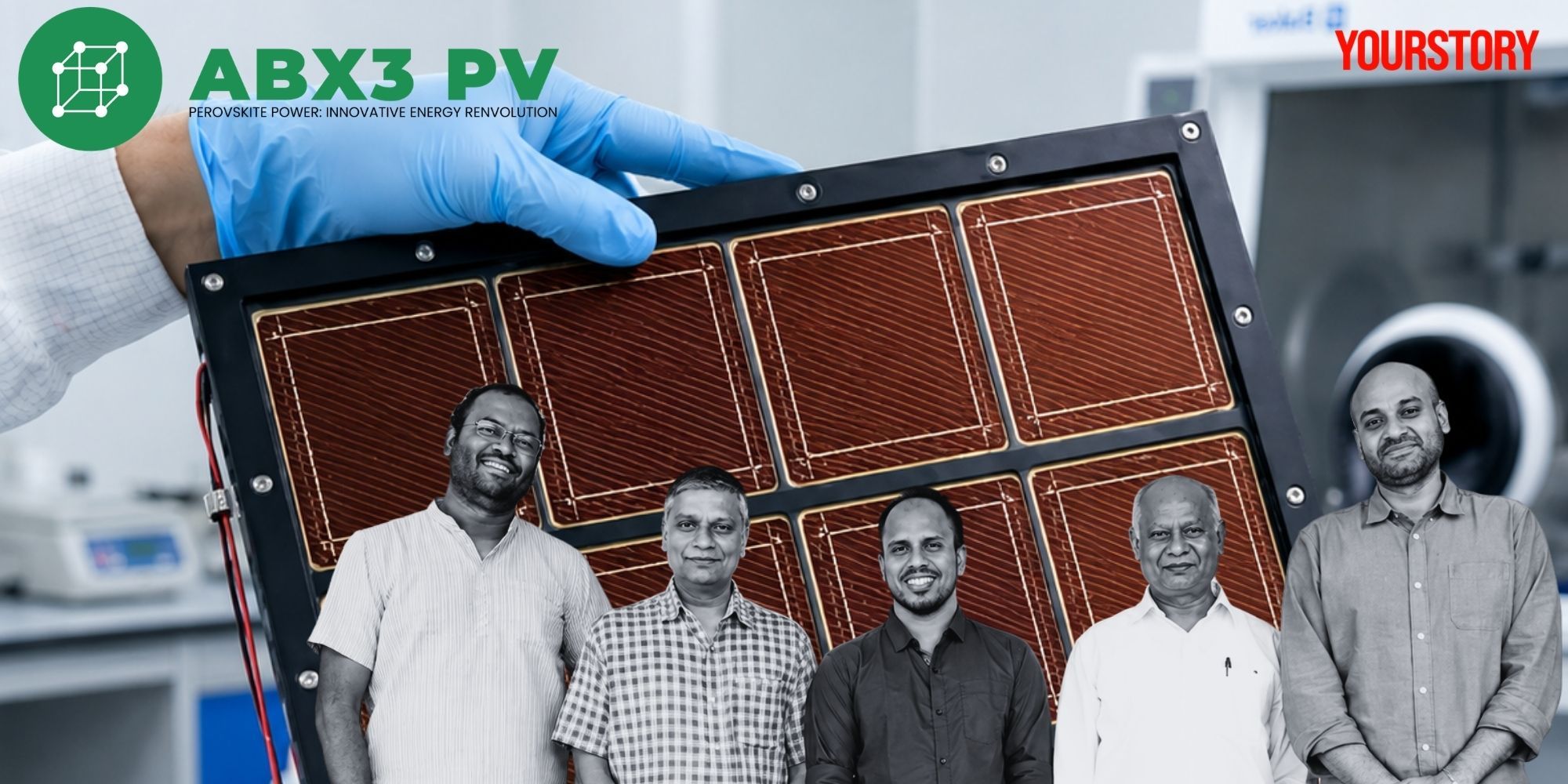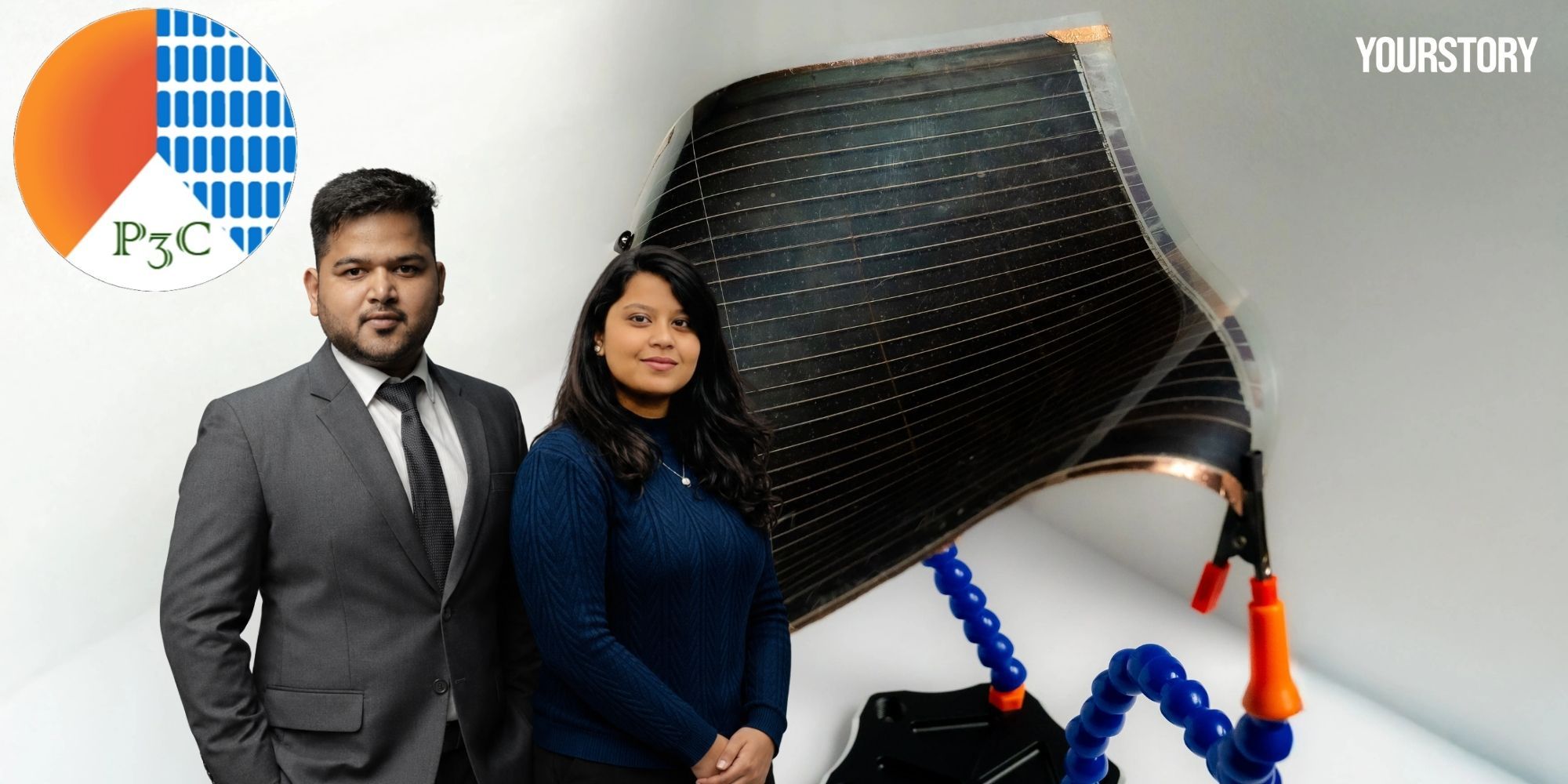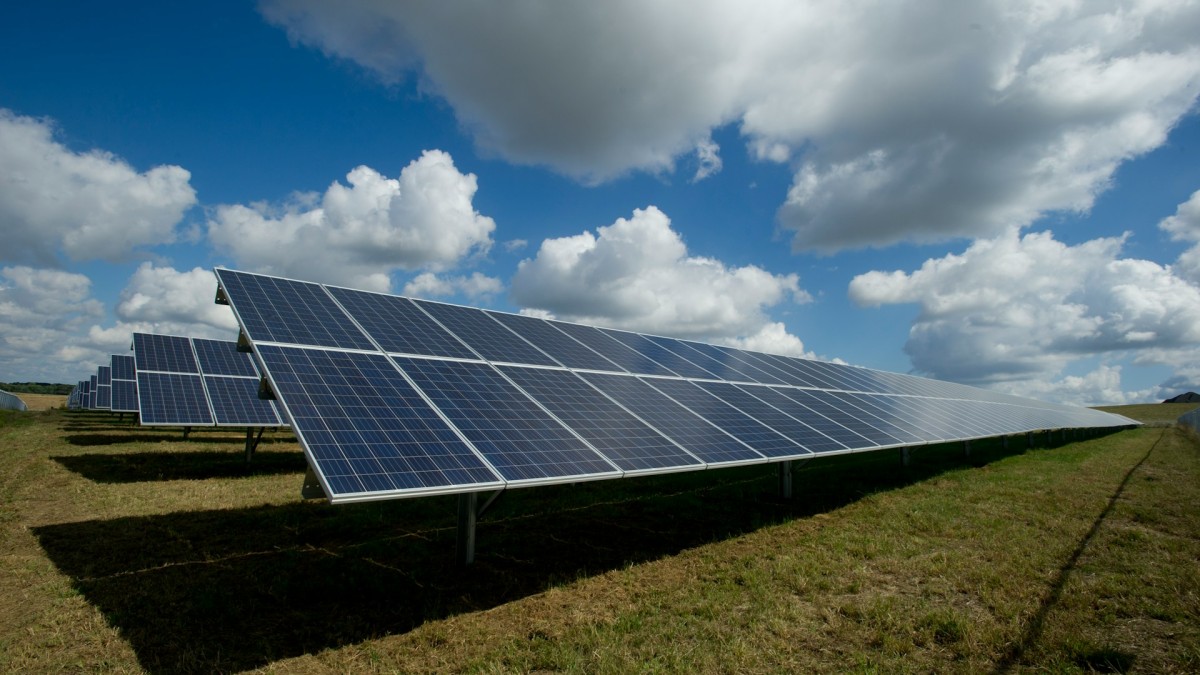
Sunlight is the most abundant energy source on earth, now harnessed by a vast array of silicon solar panels on rooftops and in fields across the world. But a new generation of panels is emerging using a class of materials called perovskites, which can be thinner, lighter, less rigid and generate more power.
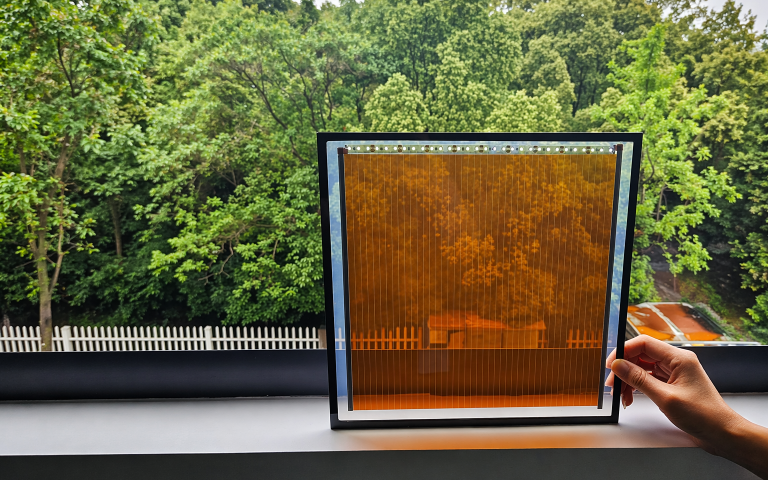
The technology means solar panels could be integrated into new places such as car roofs, lampposts and even windows. It also could mean increased solar power generation without having to devote as much land to solar farms.
How does it work?
Perovskite solar panels can come either with or without silicon. The most common type are “tandem” cells, with a layer of perovskite on top of the silicon.
The combination of the two kinds of material maximises the absorption of light to generate electricity. Perovskite is particularly effective at absorbing high energy “blue” light, while silicon is more effective at using lower energy “red” light.