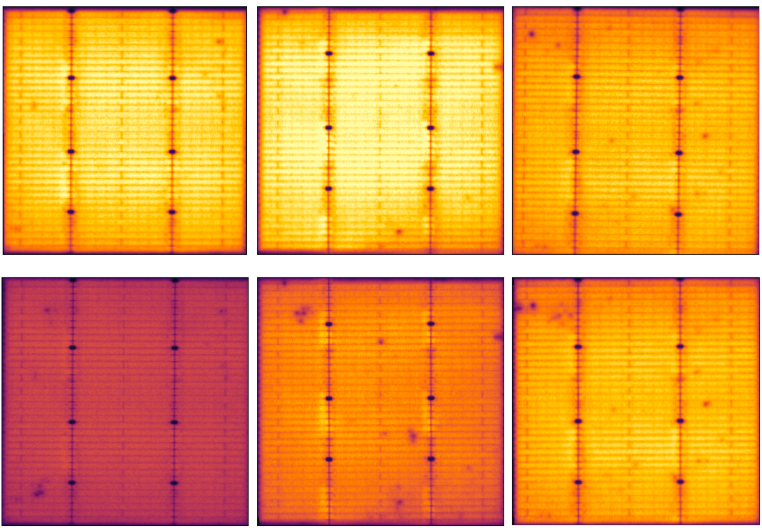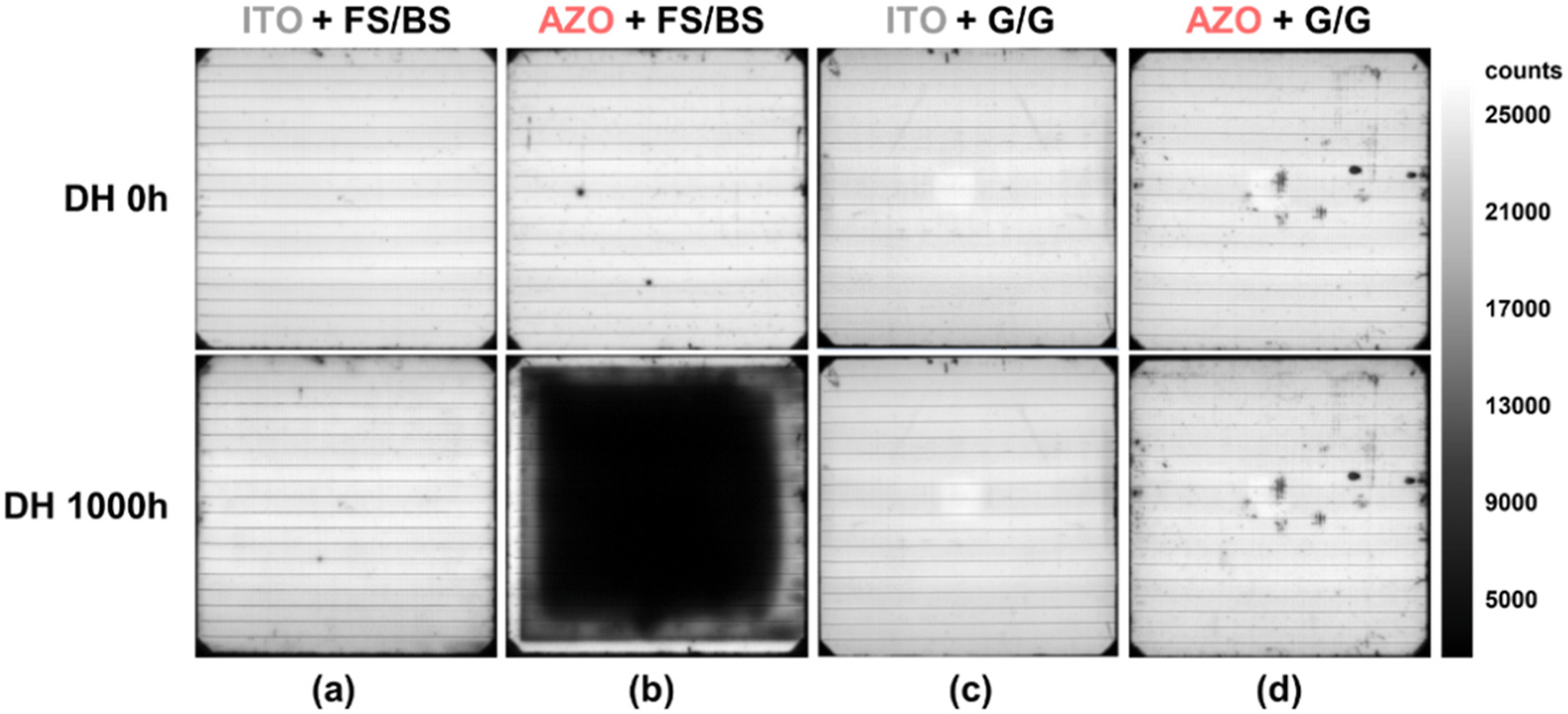
Researchers from University of New South Wales and Jolywood found that corrosion-induced degradation in TOPCon solar cells is primarily governed by glass frit chemistry in low-aluminum silver metallization. Their findings show that barium-zinc-modified frits significantly improve resistance to acetic-acid and damp-heat stress, enabling more stable silver-silicon interfaces and reduced module-level power loss.
May 18, 2026
A research team from the University of New South Wales (UNSW) and Chinese solar module manufacturer Jolywood have investigated the causes of corrosion-induced degradation in TOPCon solar cells fabricated with low aluminum (Al) silver (Ag) paste and ethylene–vinyl acetate (EVA) and EVA/polyolefin/EVA (EPE) encapsulant and have found that the glass frit chemistry plays a key role in the degradation process.
“Our work establishes a direct correlation between cell-level acetic-acid corrosion and module-level damp-heat degradation in laser-assisted firing (LAF)-processed TOPCon devices,” corresponding author Bram Hoex told pv magazine. “We demonstrated that glass-frit chemistry is a critical parameter governing metallization reliability in EVA-based TOPCon modules.”
“The research also provides practical guidance for designing corrosion-resistant low-Al Ag pastes compatible with cost-effective glass–backsheet module architectures and supports the broader industrial transition toward reliable EVA-enabled TOPCon technologies,” he went on to say. “We believe this work provides important insight into how metallization design and encapsulant chemistry interact under damp-heat (DH) stress, particularly as the industry pushes toward lower-cost bill of material (BOMs) for TOPCon modules.”