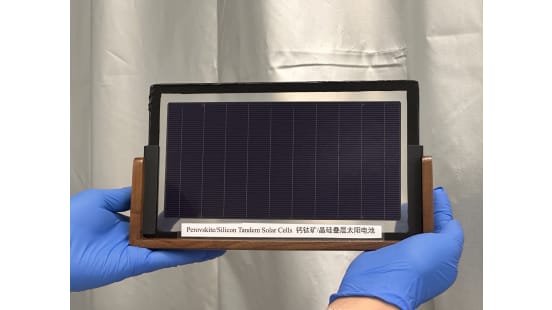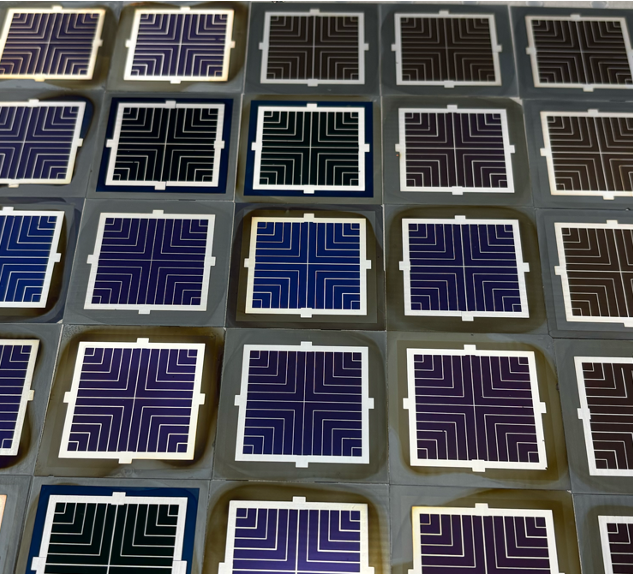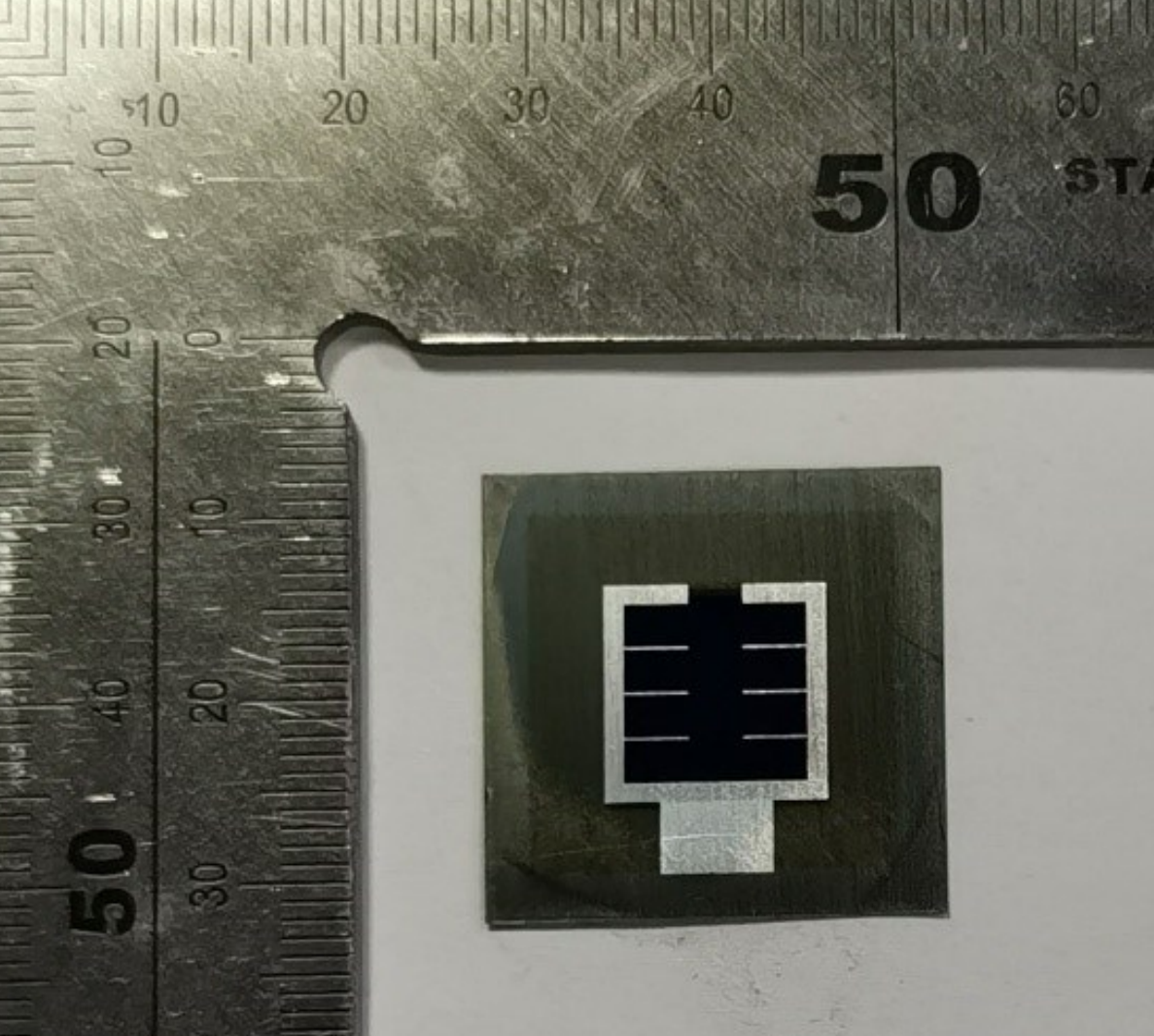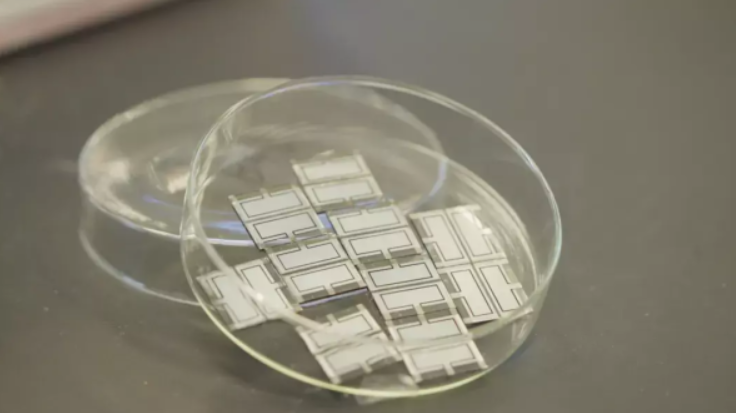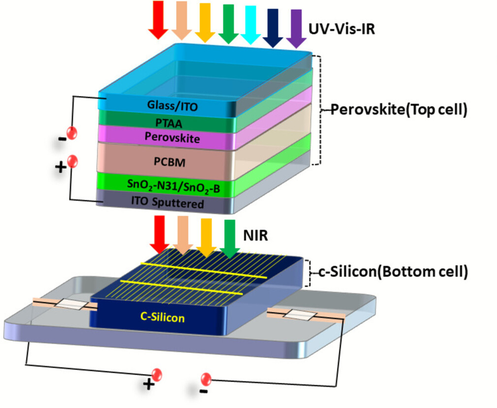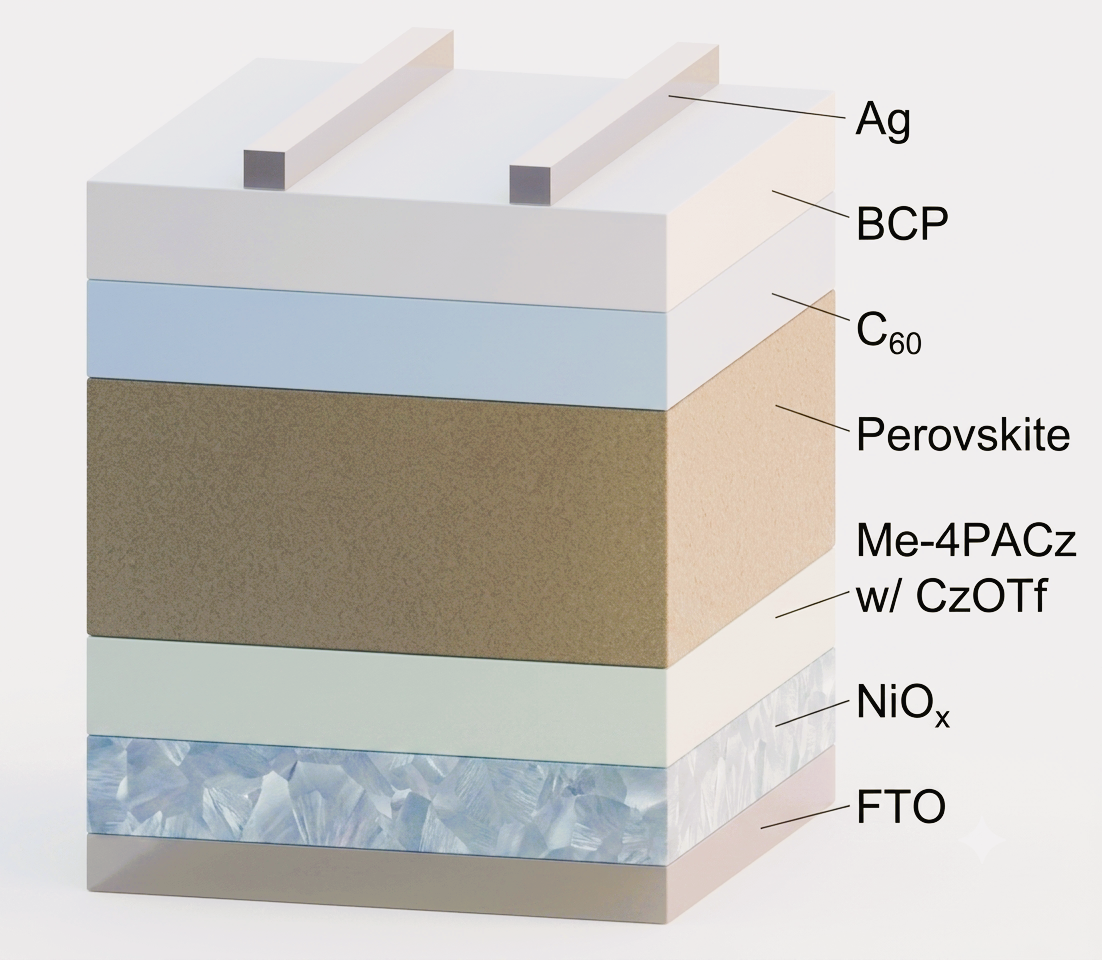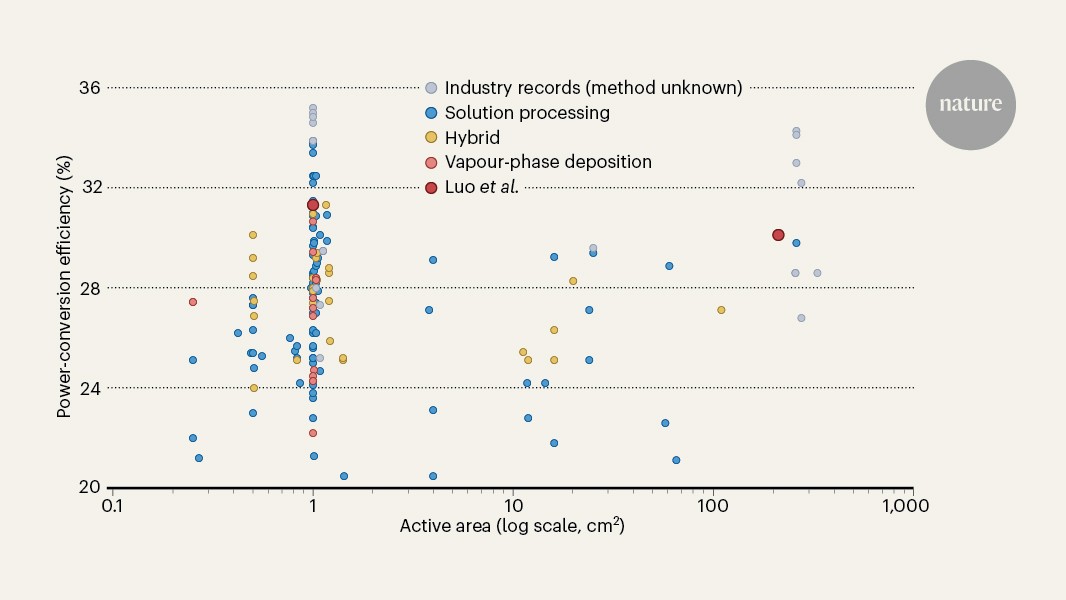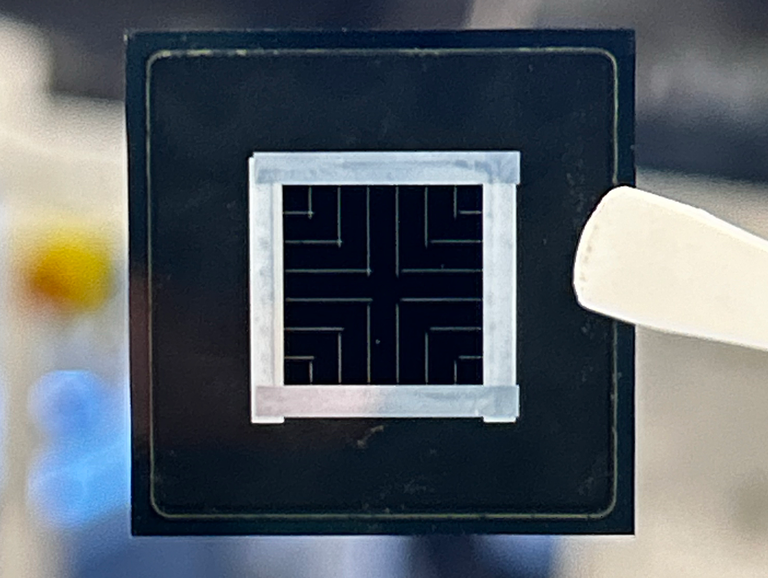
German researchers have developed a fully solvent-free perovskite-silicon tandem solar cell using sequential evaporation, achieving a power conversion efficiency of 27.1%. The scalable approach also demonstrated significant stability, retaining 97.06% of its initial efficiency after 6,800 hours of dark storage under nitrogen.
Researchers from the University of Freiburg and the Fraunhofer Institute for Solar Energy Systems (Fraunhofer ISE) in Germany have fabricated a perovskite-silicon tandem solar cell using a fully solvent-free manufacturing process.
“At the heart of the project is the fabrication of the perovskite layer using physical vapor deposition (PVD) and other solvent-free, industrially scalable processes,” the scientists said in a statement. “The perovskite layer was deposited through sequential evaporation.”
PVD offers a solvent-free approach to thin-film deposition, as the coating material is transferred directly to the substrate through the vapor phase under vacuum, eliminating the need to dissolve the material in a liquid carrier. The approach can also reduce solvent-related contamination and eliminates the need for subsequent solvent removal or drying steps.
“We have succeeded in eliminating all solvents from the manufacturing process of the wide-bandgap perovskite top cell and integrating this technology into the world’s first fully solvent-free perovskite-silicon tandem solar cell,” said lead author Mohamed A. A. Mahmoud.