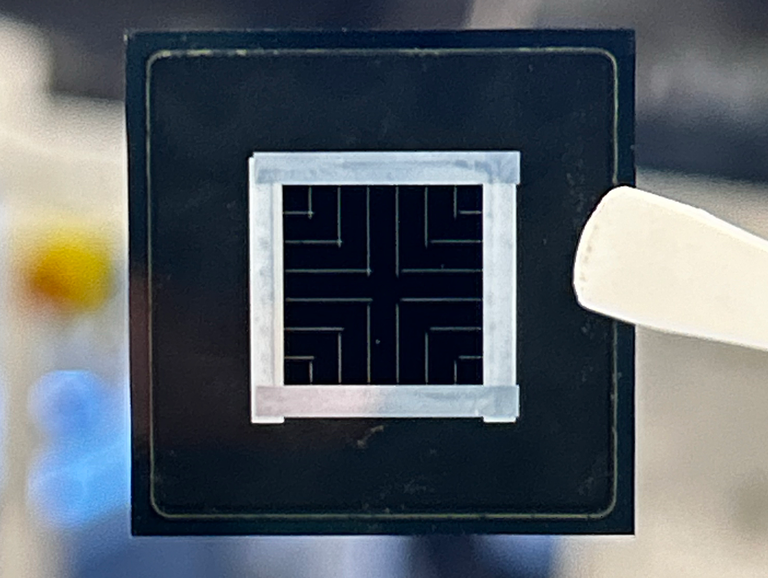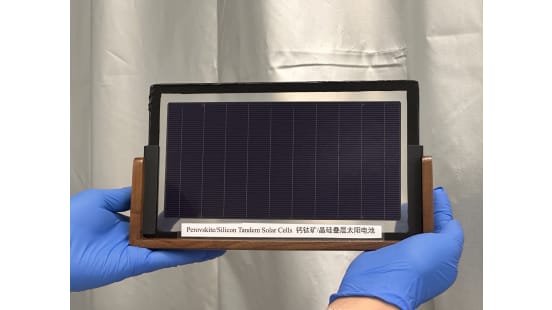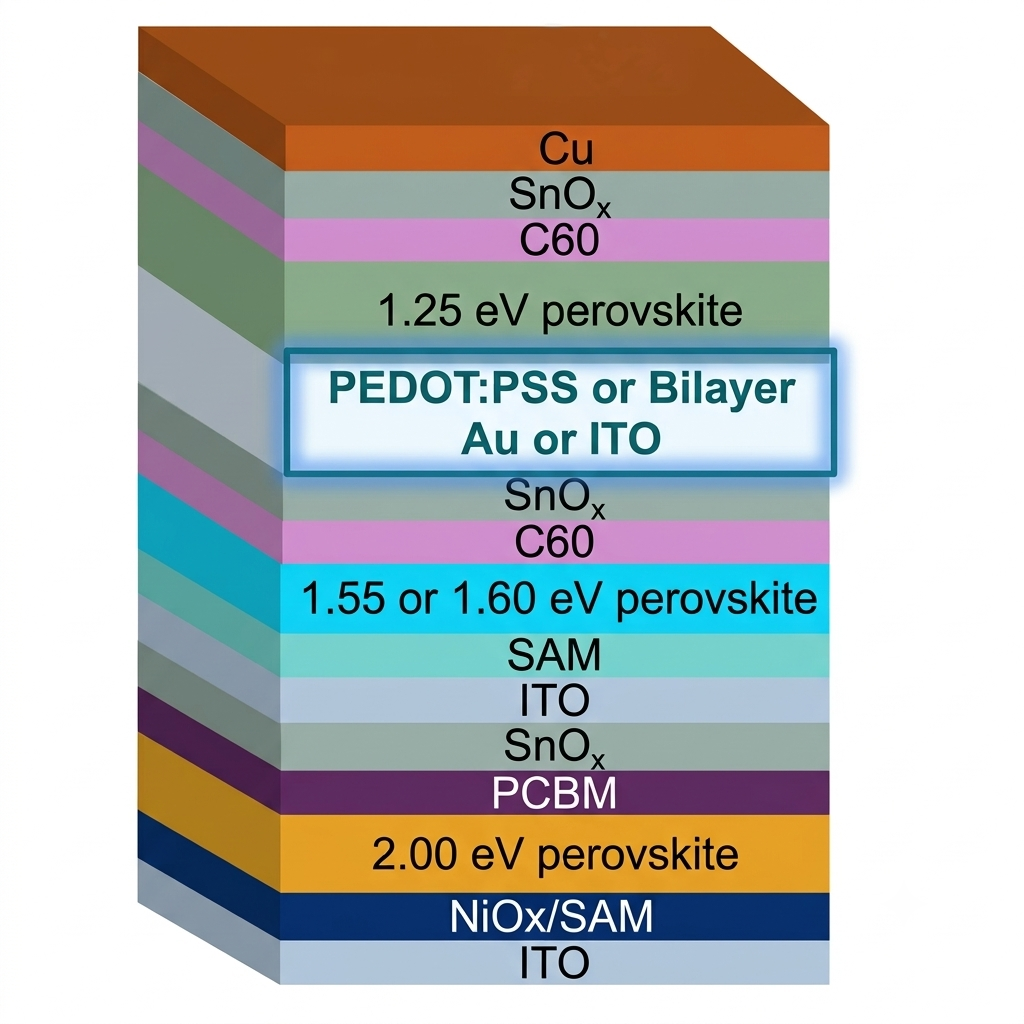
An international research team developed a triple-junction all-perovskite solar cell using a graphene oxide (GO)/self-assembled monolayer (SAM) bilayer contact strategy to overcome SAM-related charge extraction losses and improve interface quality.
An international research team has built a triple-junction all-perovskite solar cell that uses a graphene oxide–self-assembled (SAM) bilayer hole-selective contact strategy to reduce optical losses, improve stability, and enhance the performance of tin-lead perovskite subcells.
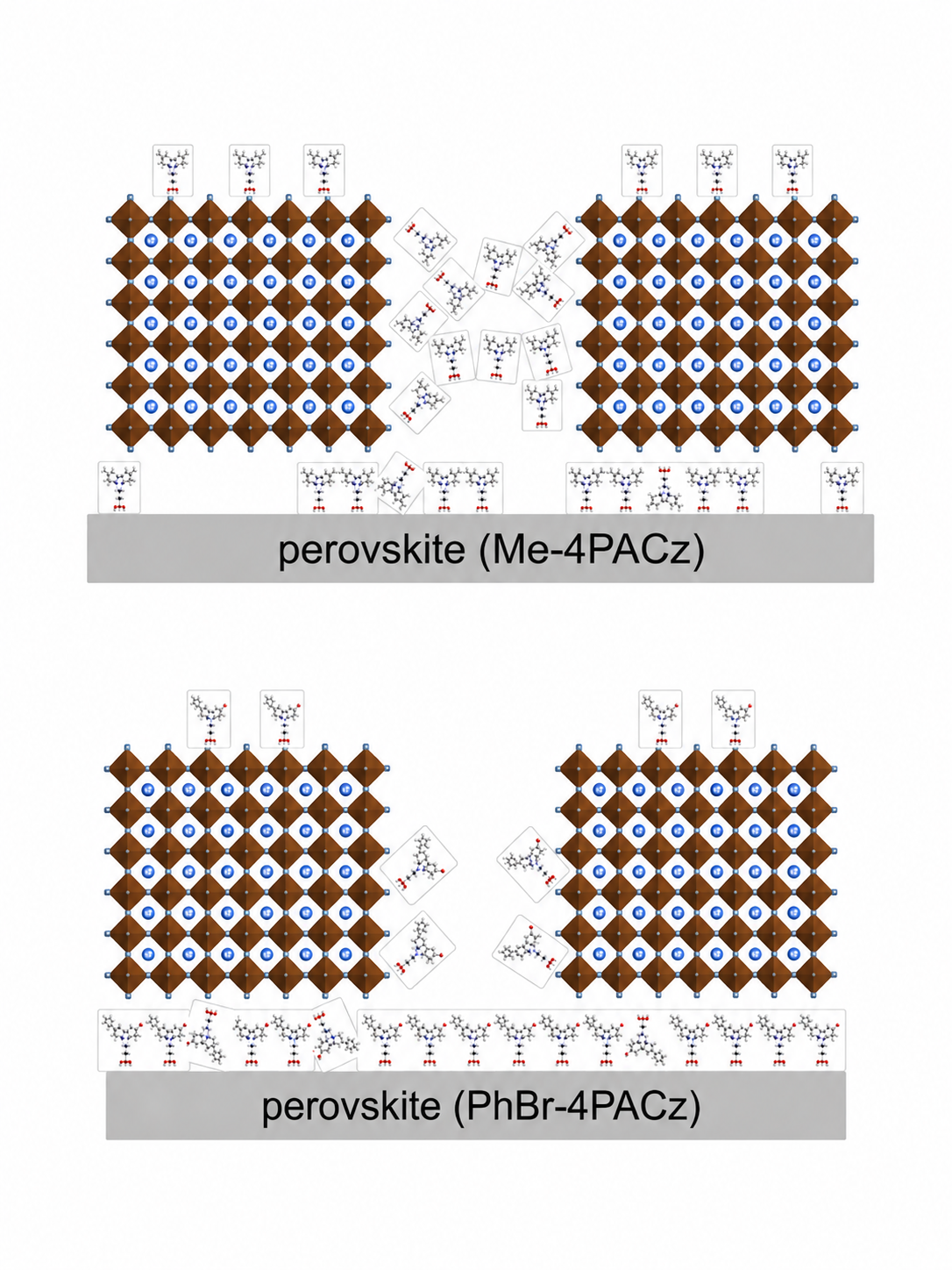
Self-assembled monolayers (SAMs) are currently employed as state-of-the-art hole-transport layers in perovskite solar cells, owing to their low parasitic absorption, rapid charge extraction, and effective passivation of the perovskite buried interface. However, precisely controlling their thickness, molecular packing density, and orientation remains a significant challenge.
The scientists explained that, although SAMs enable high open-circuit voltage, they can also introduce significant charge extraction losses. Through systematic investigations of charge-carrier dynamics and buried interfaces, they identified that commonly used carbazole-based SAMs induce substantial ionic losses that hinder efficient charge extraction. To address these limitations, the team explored interface-engineering strategies based on graphene oxide (GO) integration.