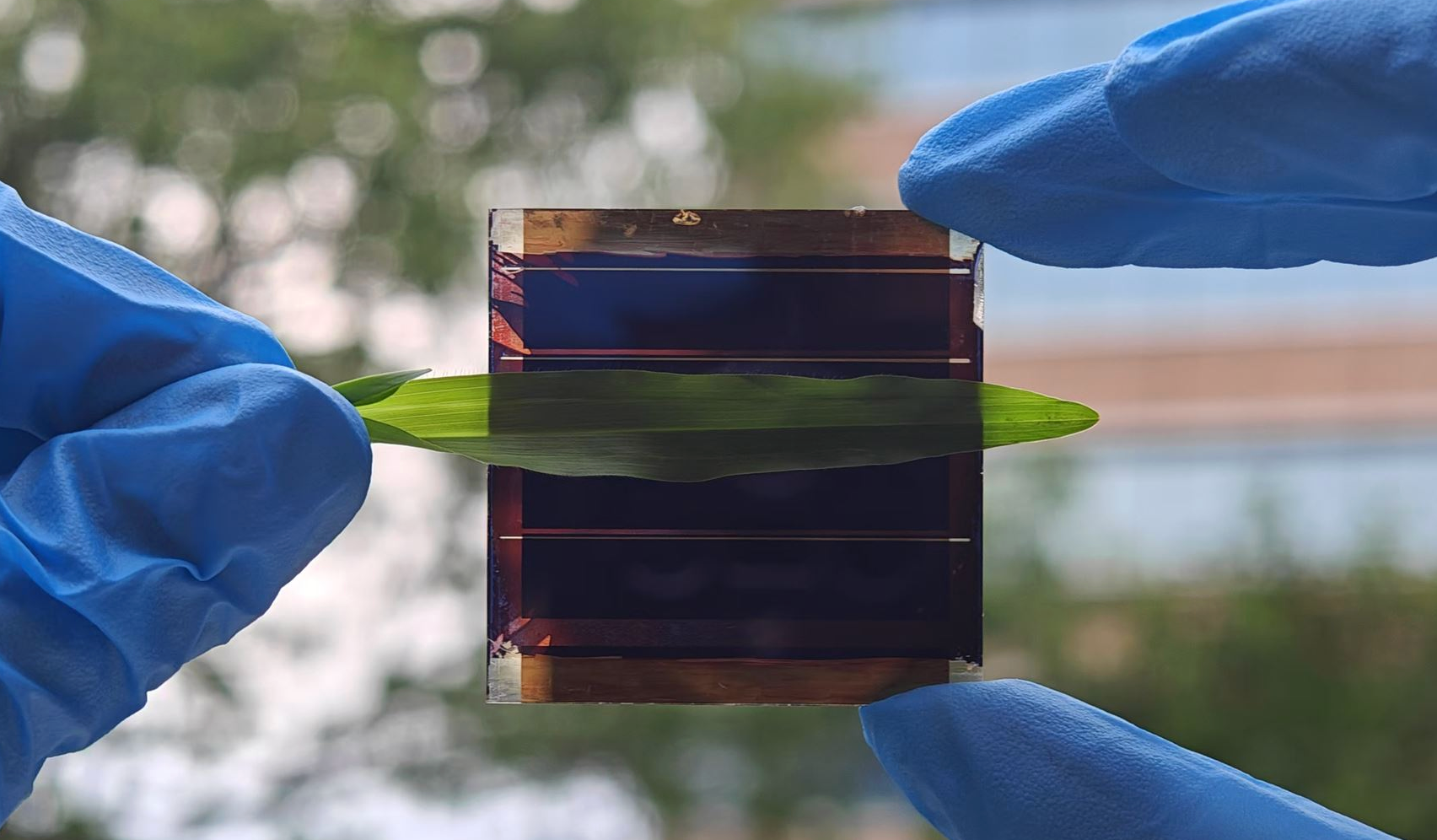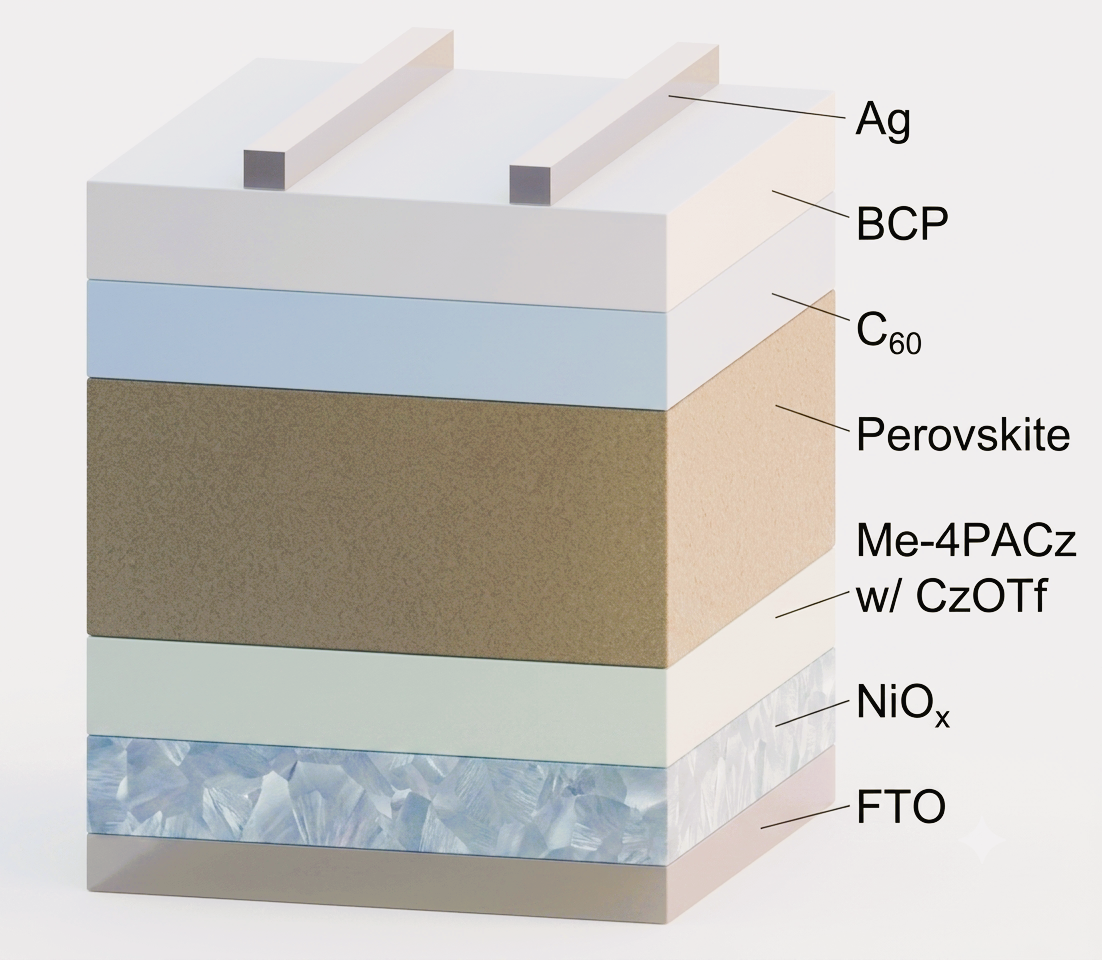
Researchers have managed to bypass the formation of a yellow phase during the degradation of formamidinium lead iodide cells. They did so by tailoring the formation and degradation pathways with specific additives. Researcher: The additives stabilize the system.
A research team from Rice University in Texas has managed to bypass the formation of a yellow phase during the degradation of formamidinium lead iodide (FAPI) single-junction perovskite solar cells. FAPI cells have a near-optimal bandgap of 1.45 to 1.5 eV and outstanding thermal stability; however, their useful black crystal structure is unstable and tends to transform into an inactive yellow phase at room temperature.
“The key novelty of this work is that it shows that by using specific additives, both the formation pathways and degradation pathways can be tailored. This study demonstrates for the first time that chlorine is incorporated into the perovskite lattice, creating an energetically uphill degradation pathway,” said corresponding author Aditya D. Mohite to pv magazine. “In this co-additive approach, formamidinium chloride enables a stepwise transition pathway and confirms chlorine incorporation, while the two-dimensional perovskite serves as a template to guide crystal growth. Together, both additives induce compressive strain, thereby stabilizing the system.”