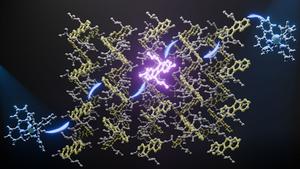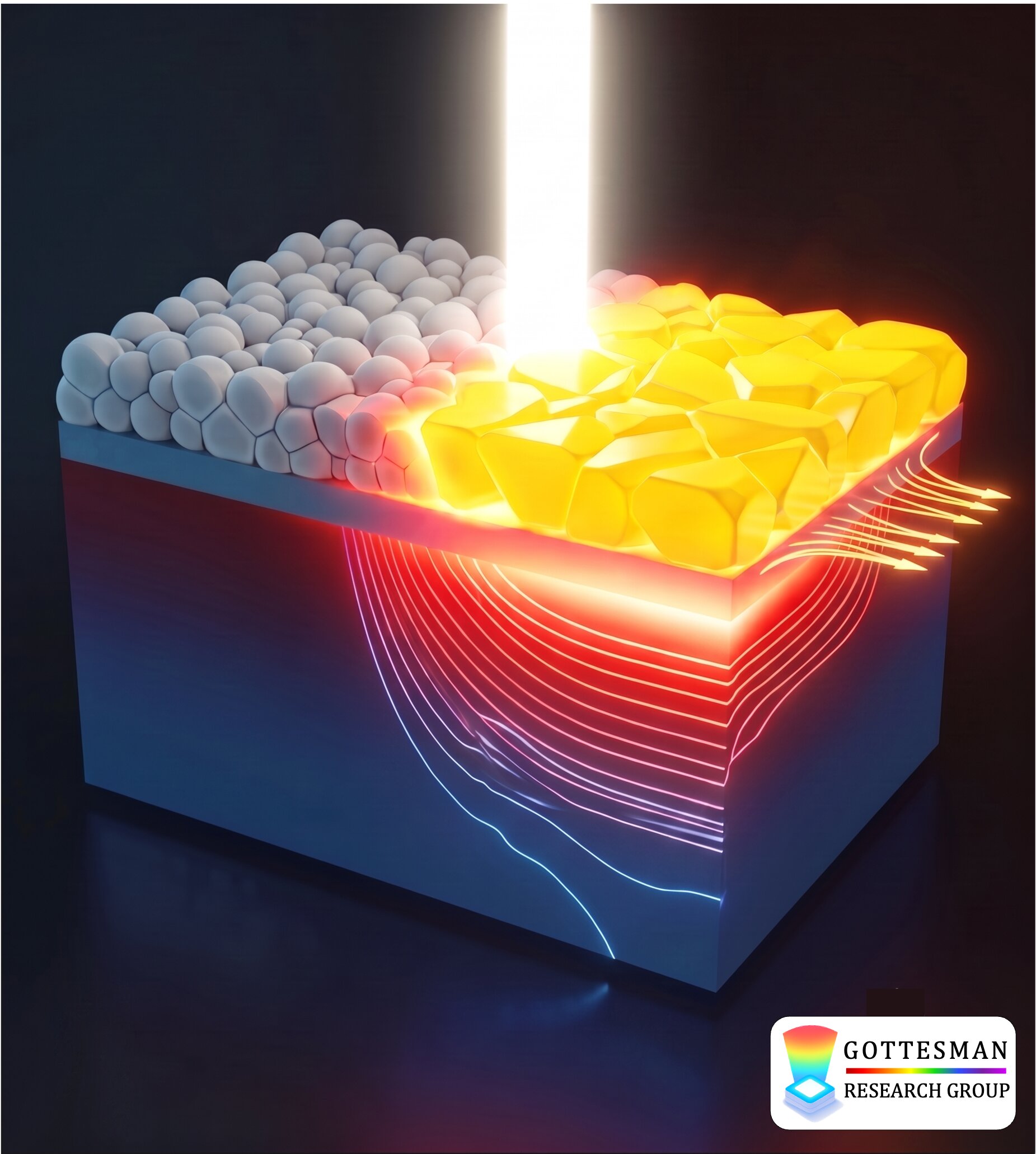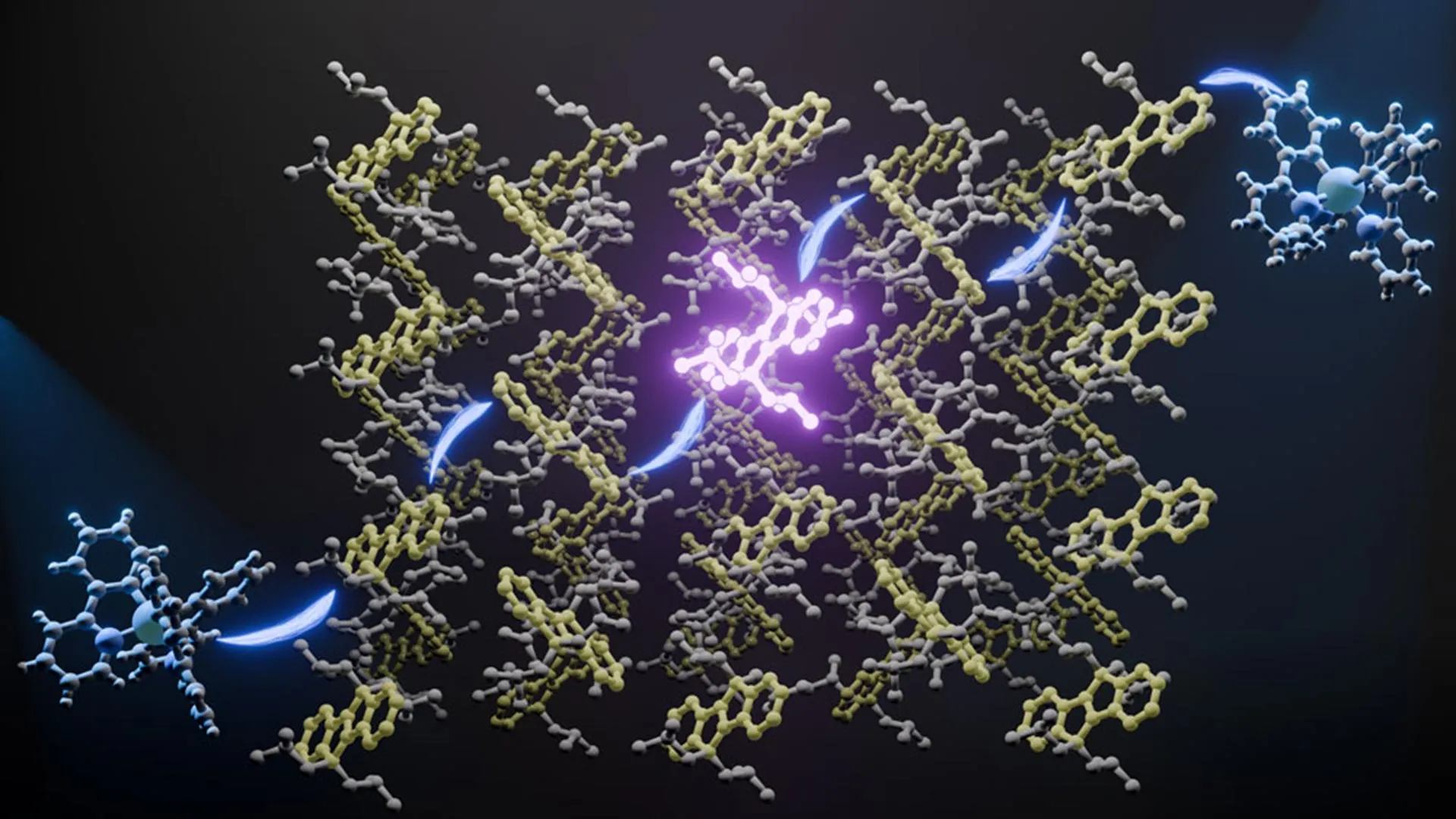
Imagine pouring together two cups of warm water and somehow ending up with a cup of boiling water. That cannot happen in everyday life, but at the quantum level, something similar is possible. Multiple low-energy particles of light can combine their energy to create a single particle with much higher energy.
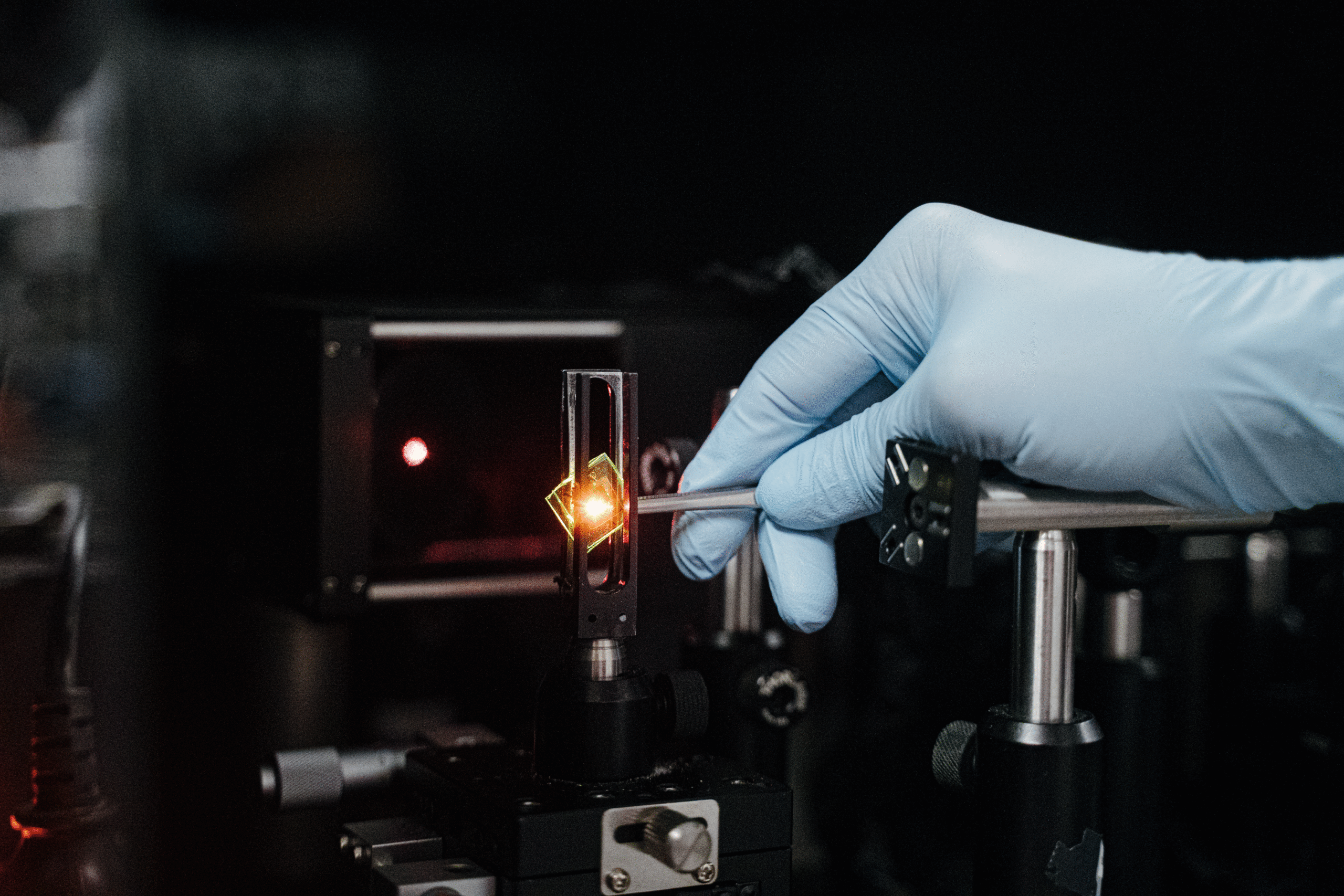
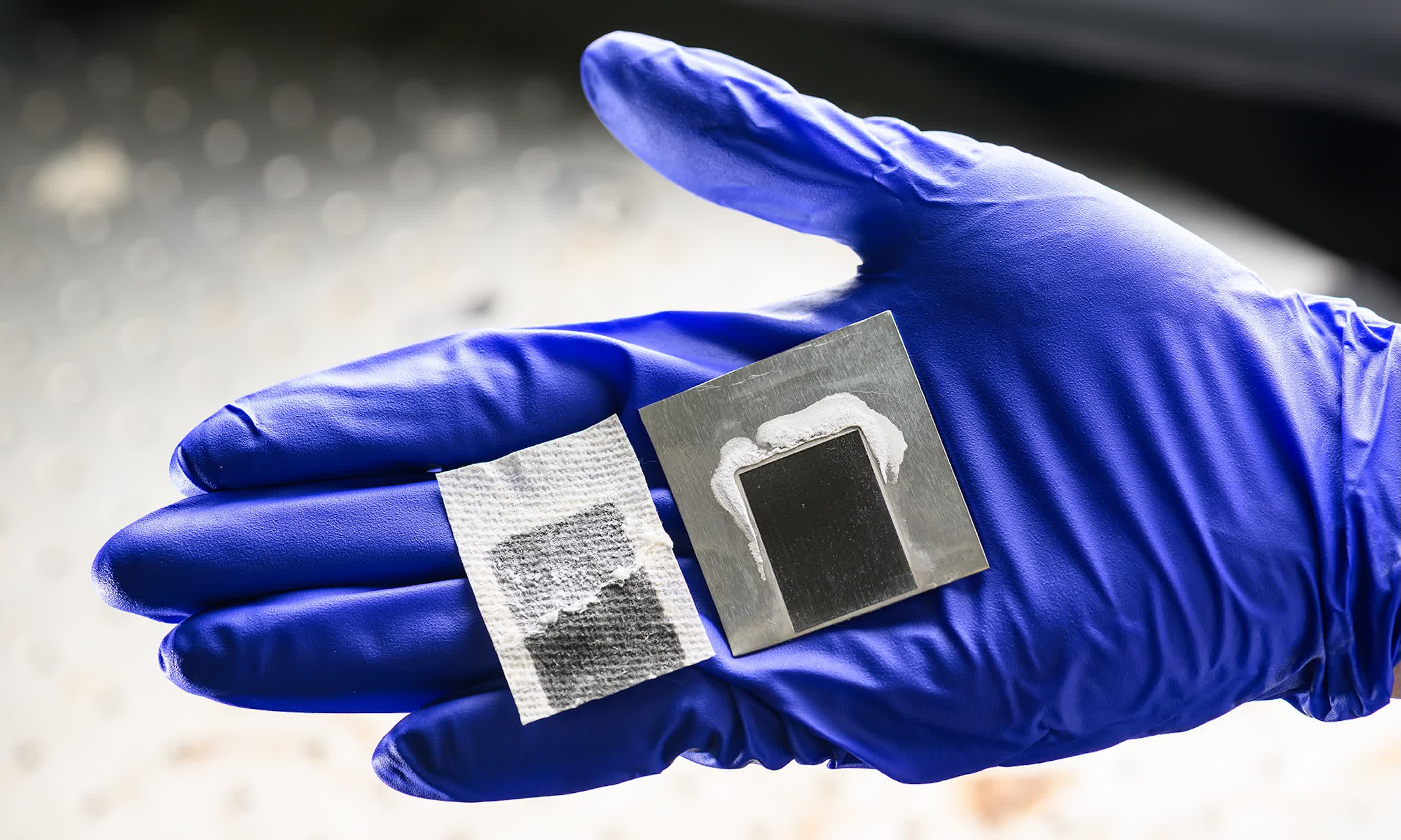
Researchers at Kyushu University have now created a solid-state molecular material capable of converting visible sunlight into ultraviolet (UV) light under normal outdoor conditions. The new material achieves a photo upconversion efficiency of 1.9%, according to a study published June 23 in Nature Communications.
Why UV Light Matters
Although many people associate UV light with sunburns and skin damage, it plays an important role in numerous technologies. UV light is used for air purification, curing resins in 3D printing, hardening gels in dental fillings, and even applications such as nail treatments.
Despite its usefulness, UV light represents only about 6% of the sunlight that reaches Earth's surface. Even then, only part of that UV radiation is practical for technological applications.