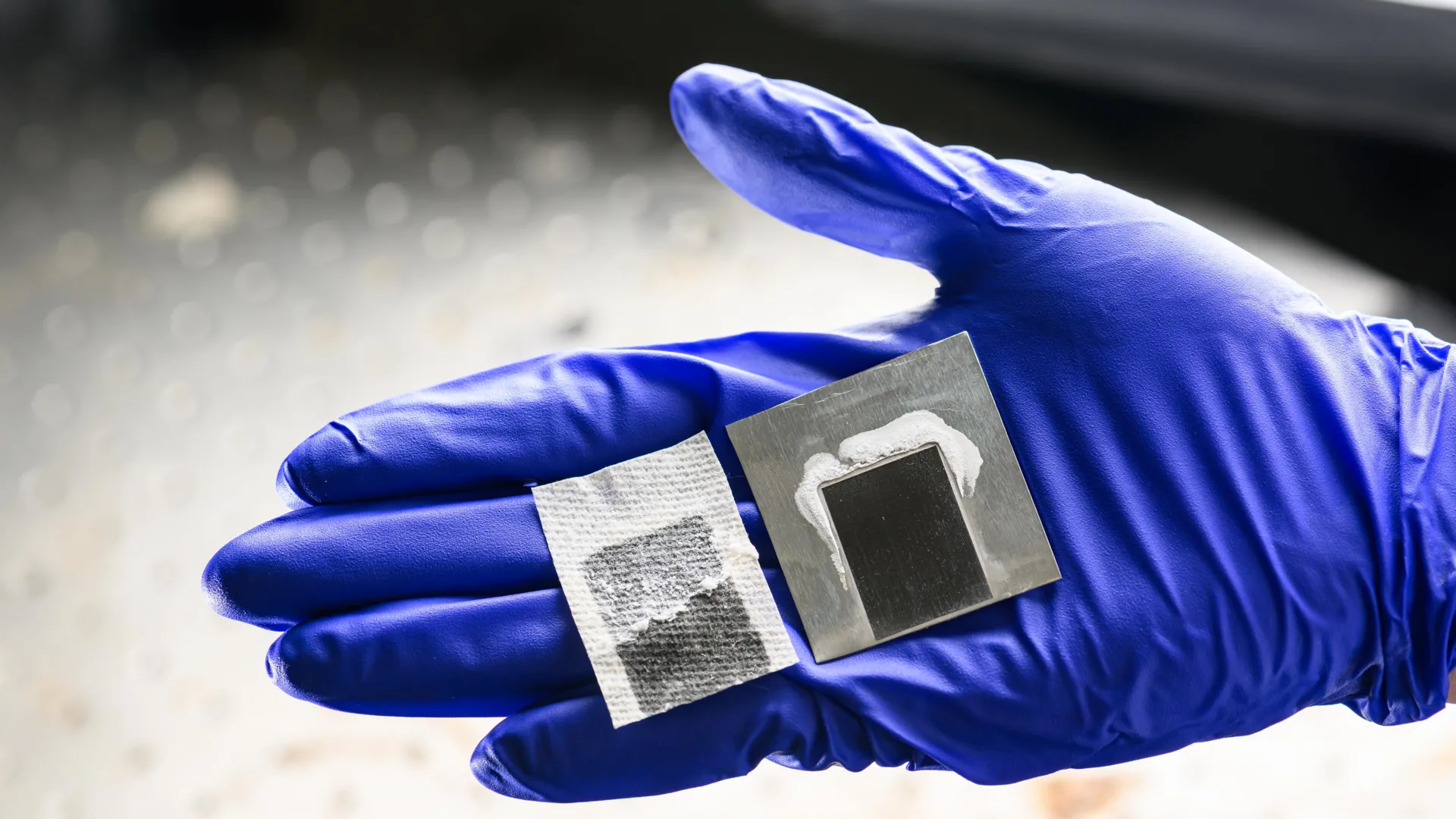
FORWARD-LOOKING: At the University of Rochester, a research team is rethinking desalination by approaching it as a materials science challenge as much as a water treatment problem. Instead of relying on high-pressure filtration or energy-intensive distillation, the researchers developed a solar-powered device featuring laser-textured metal panels that control both seawater evaporation and the movement of dissolved salts.
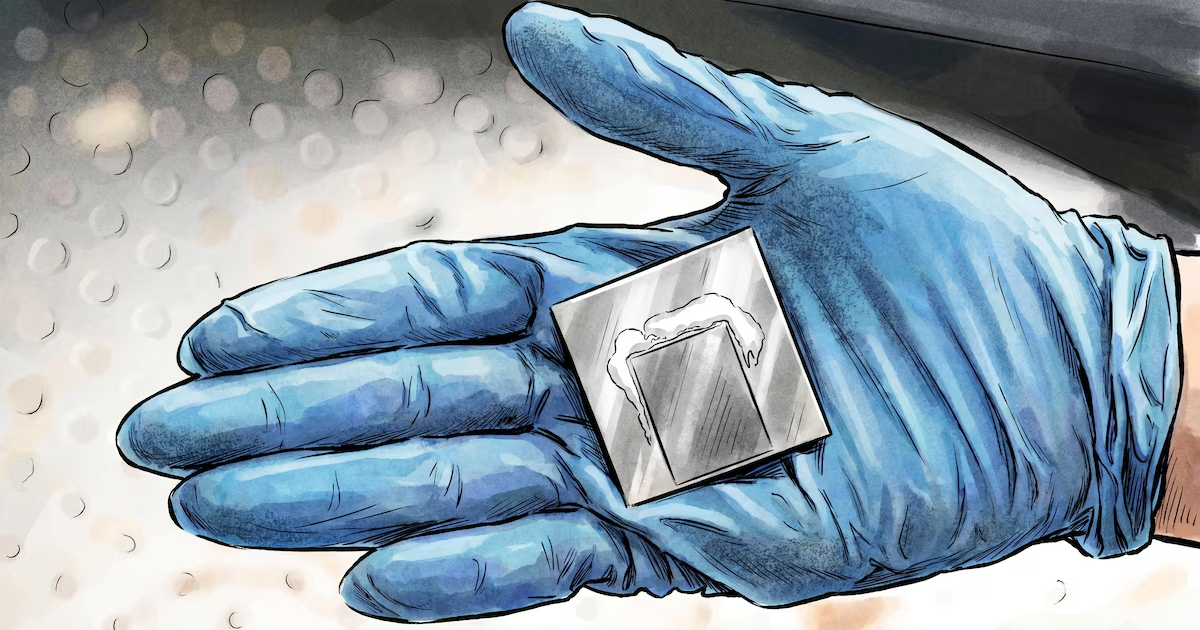
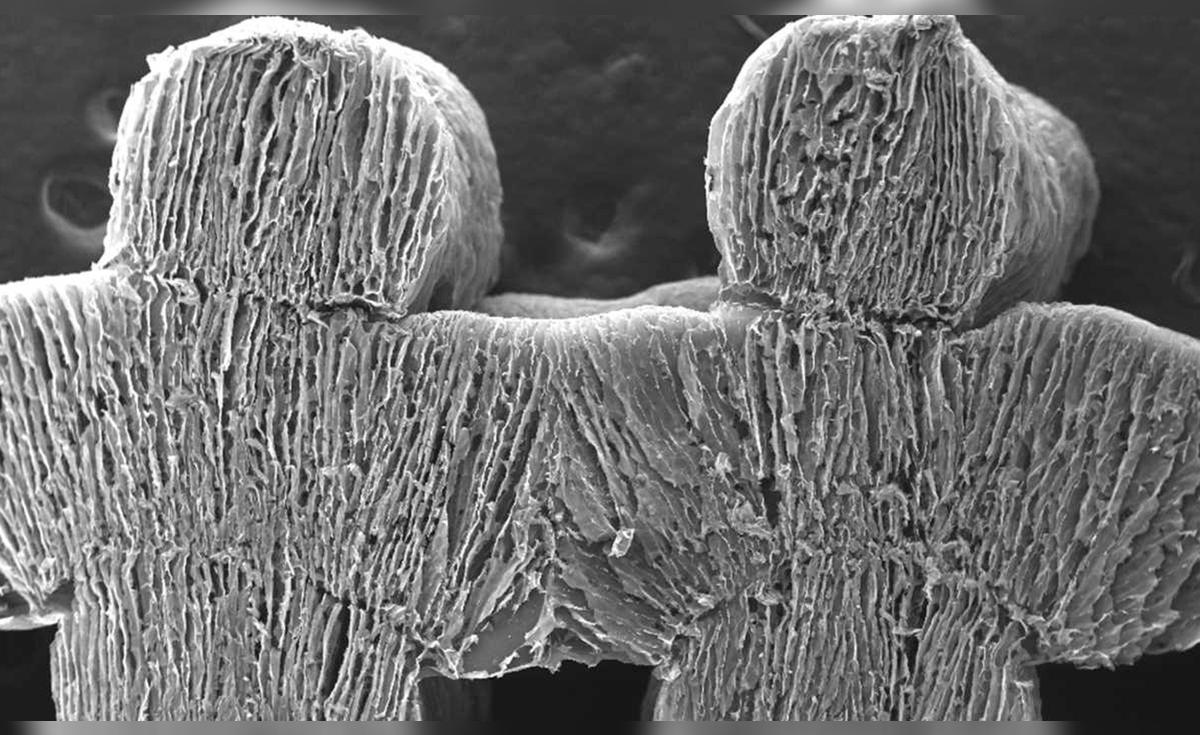
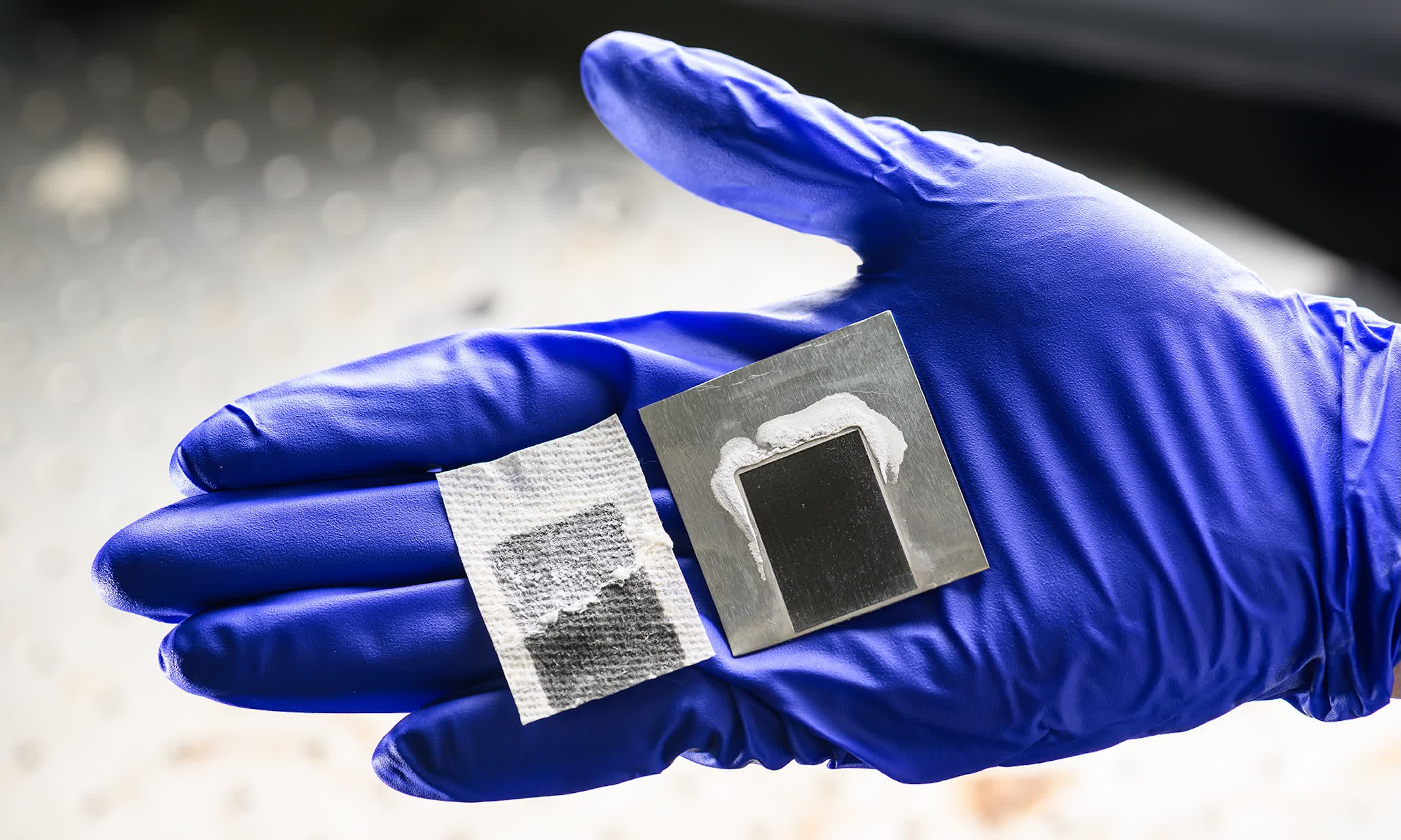
The work, led by Chunlei Guo, a professor of optics and physics, centers on a specially treated surface known as superwicking black metal. The material is created by texturing a metal surface with femtosecond laser pulses, altering its structure at microscopic scales. This process gives the surface two key properties: it absorbs nearly all incoming sunlight and draws water across itself in a thin, continuous film.
Once seawater spreads across this active region, solar energy drives evaporation. The resulting vapor is collected as fresh water. What sets the system apart is how it manages the salts left behind. Rather than allowing them to accumulate and degrade performance – a common challenge in desalination – the design actively transports them away from the evaporation zone.