view more
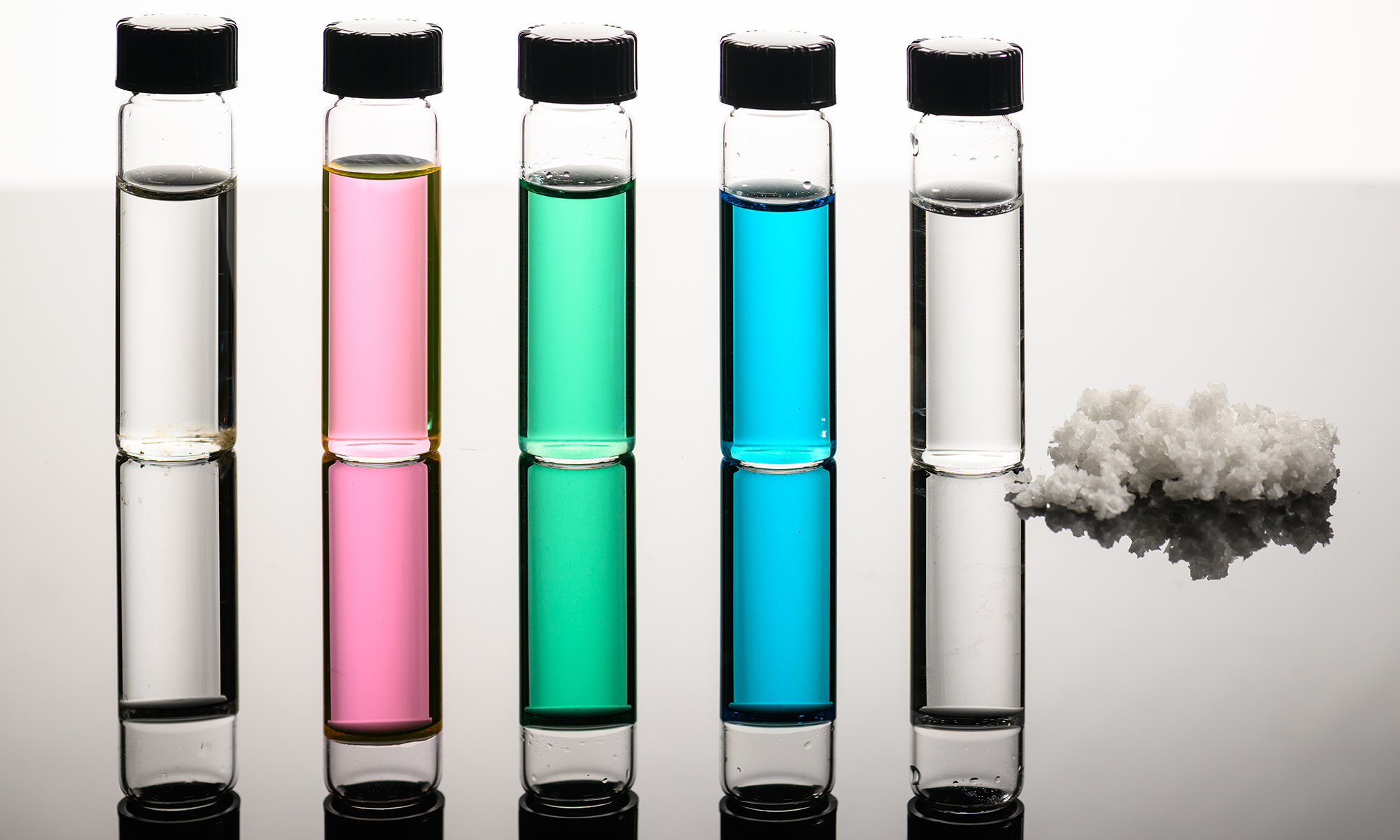
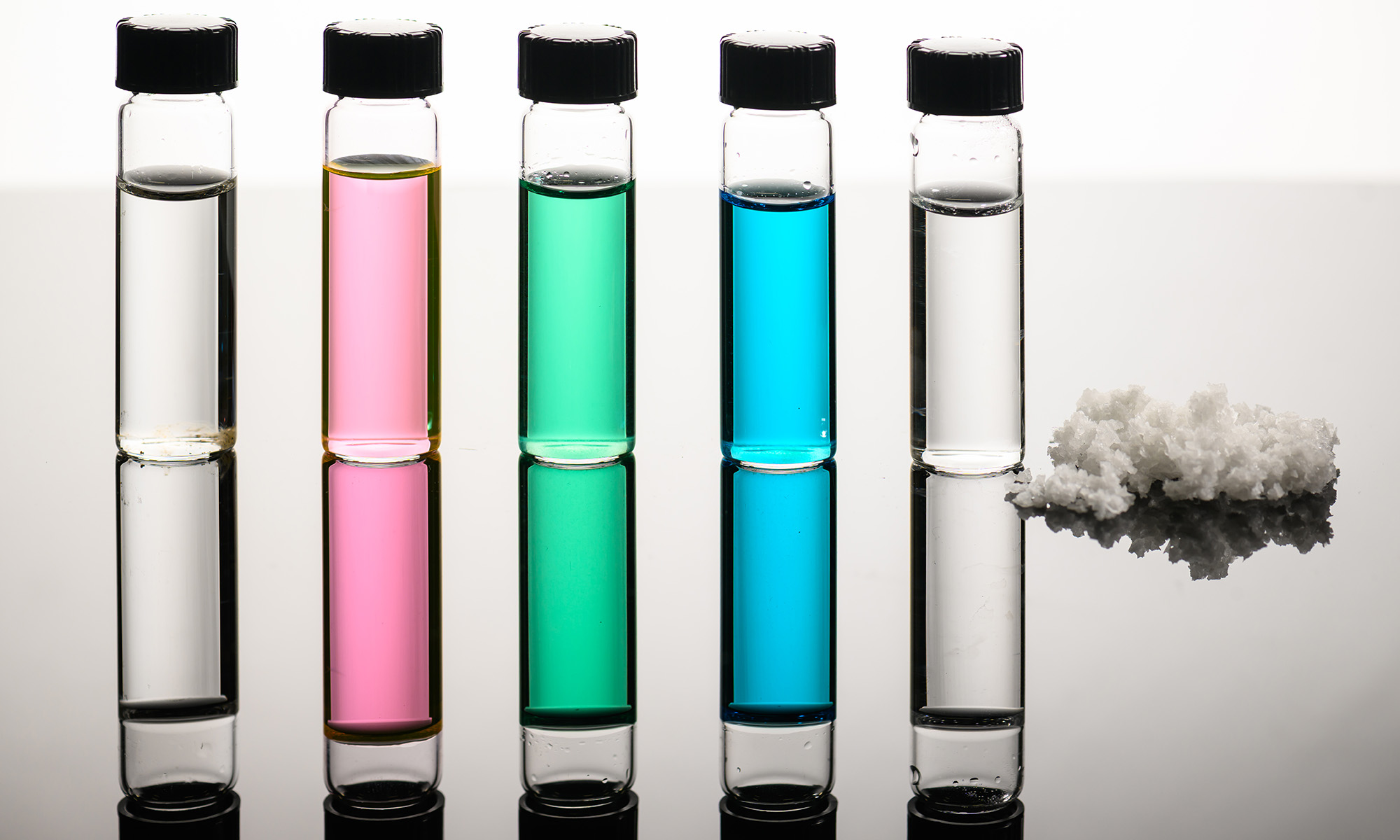
The United Nations estimates that 2.2 billion people lack safely managed drinking water, and communities from California to the Middle East rely on desalination plants to convert ocean water to fresh water. Common desalination techniques such as reverse osmosis and thermal distillation are energy-intensive, require pre- and post-water treatment, and leave behind a concentrated saltwater byproduct called brine that wreaks havoc on sea life when it’s deposited back into the ocean by raising the salt level and lowering oxygen in the water.
But a novel approach developed at the University of Rochester offers a way to overcome these drawbacks. Researchers at URochester’s Institute of Optics developed a new solar-thermal desalination process to produce fresh water in an energy-efficient way that does not leave behind brine and requires no chemical additives to pre-treat the water. A team led by Chunlei Guo, a professor of optics and of physics and a senior scientist at URochester’s Laboratory for Laser Energetics, describes their method in a paper published in Light: Science & Applications.
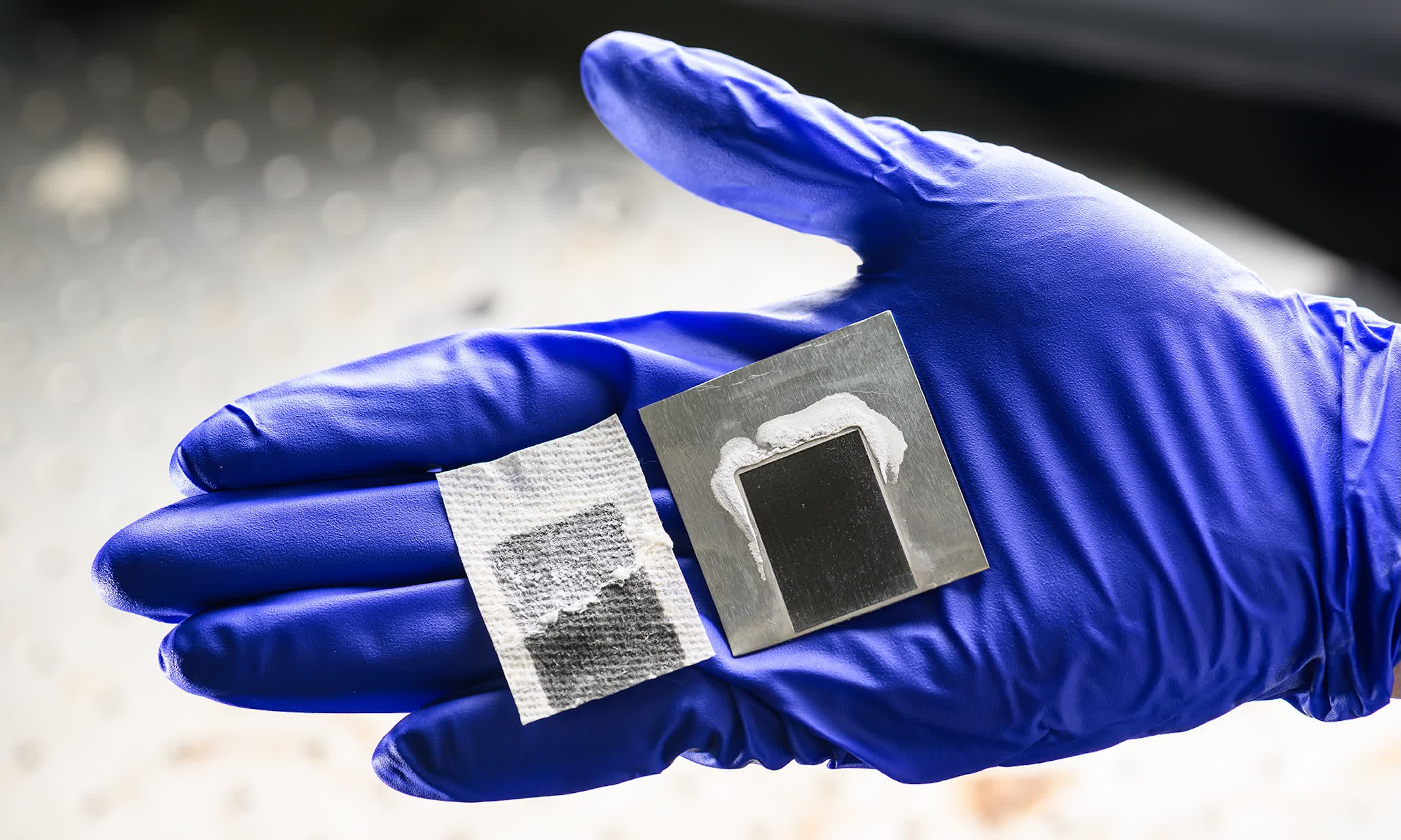
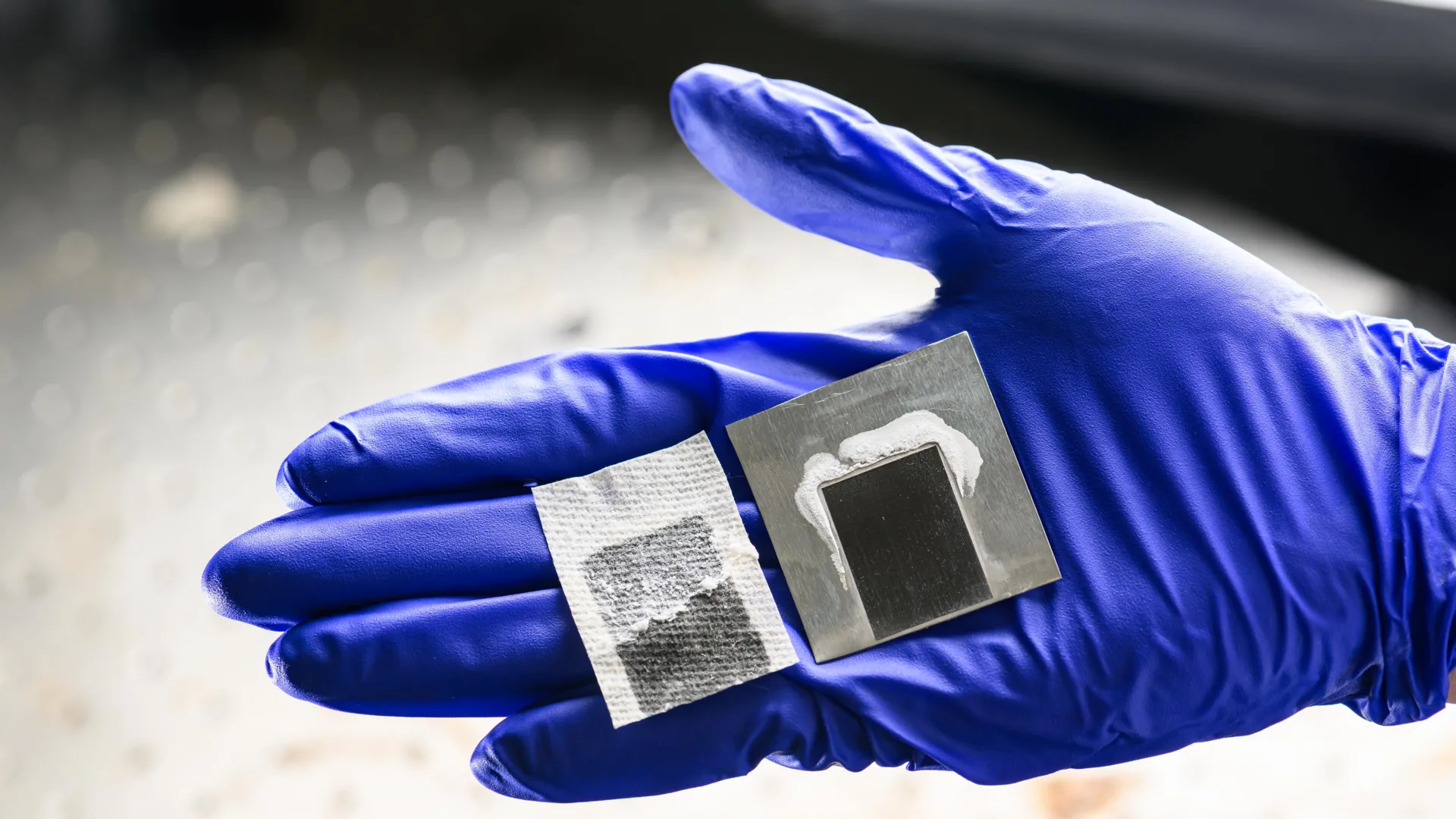
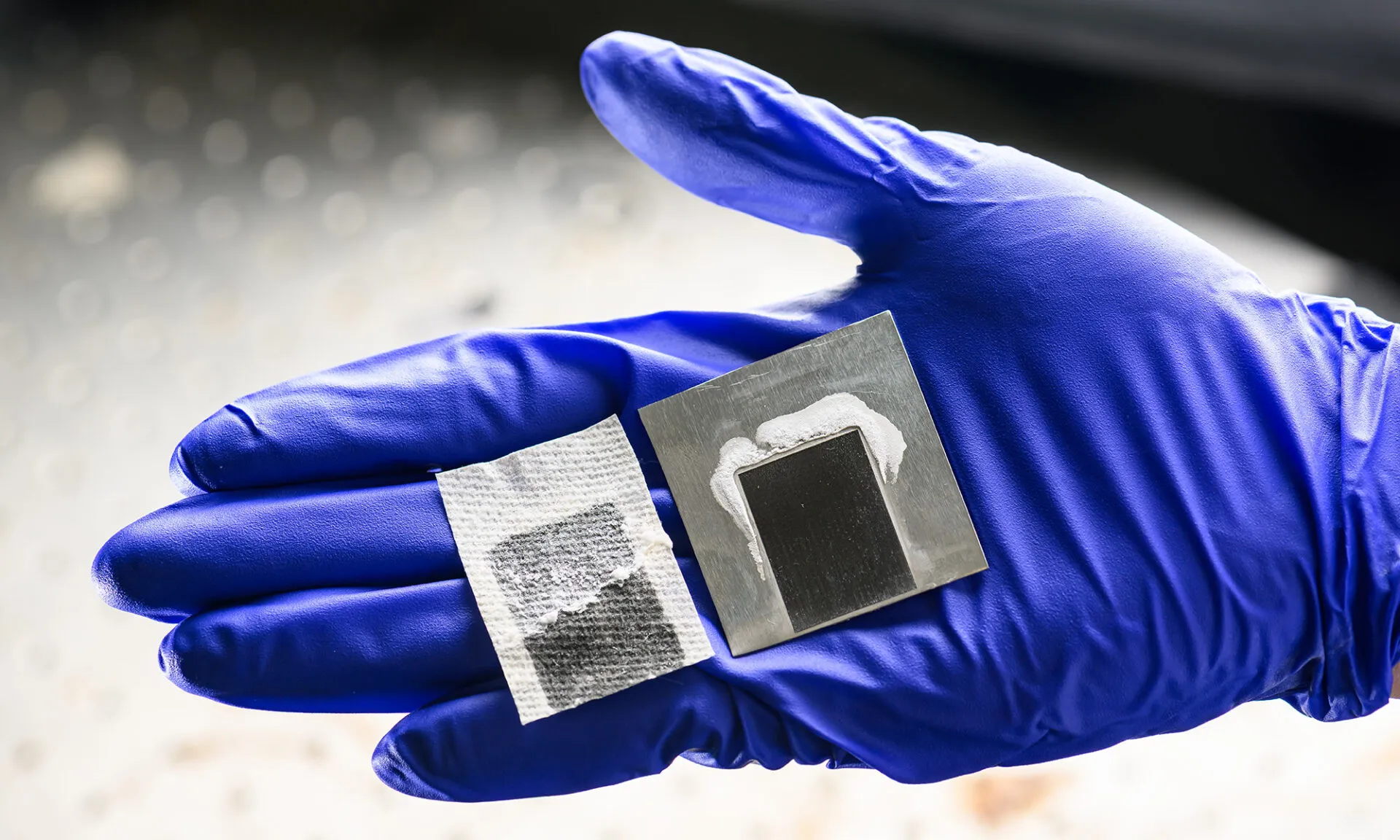
The technology uses solar panels made of black metal etched with femtosecond lasers to make the surface super light absorbing and superwicking—or extremely attractive to water. The panels have a laser-treated active region that pulls a thin layer of water across the surface, absorbs nearly all solar radiation, distills the water, and deposits the leftover salts and minerals into the panel’s untreated sides or “passive” region so that the salt does not clog the active region and disrupt continuous desalination.